
The Tool Desk
Outbyte Driver Updater FREEScan for outdated or missing drivers - takes under a minuteDriver Scan →Outbyte PC Repair FREEClear out junk files and repair common Windows errorsFree Scan →There is no scientifically validated IQ ranking for cat breeds. “Smartest” is a useful shorthand for cats that tend to show curiosity, solve problems, respond to people, or learn behaviors. PetMD’s veterinary-reviewed list, updated October 23, 2024, names 10 breeds associated with those traits. This guide adds two clearly labeled editorial entries, because that source does not provide a 12-breed ranking.
Use the list as a starting point, not a guarantee. Individual temperament varies widely, and the best match depends on your household’s time, space, activity level, and expectations.
As an Amazon Associate I earn from qualifying purchases.
What “smart” means in cats
Cats do not have a universally accepted breed-IQ test. A cat may appear highly intelligent because it investigates everything, learns a food puzzle quickly, communicates persistently, or enjoys clicker training. Another cat may be excellent at opening doors but uninterested in tricks.
For this article, intelligence means a combination of four observable qualities:
#1 Best Overall

- New communication tool about you and your puppy.
- Pet Dog Training Clickers for Puppy, Cat, Potty, Bird, Horse, Pet, Trainer Training Tools, Behavior Aids
- Just press to mark desired behavior, then reward for faster learning.
- The spring wrist length : 16cm/6.3inches and can strength to 25cm/9.84inches.
- Package include : Black + Blue,each color 1 pcs.
- Curiosity: willingness to investigate new objects, rooms and routines.
- Problem-solving: persistence with puzzle feeders, hidden treats or access challenges.
- Responsiveness: interest in people, play and two-way interaction.
- Trainability: ability and willingness to learn behaviors such as targeting, recall, harness walking or fetch.
Activity is not the same as intelligence. A very energetic cat may simply need more outlets, while a quieter cat can learn quickly in short sessions.
The 12-breed shortlist at a glance
The first 10 entries below are the breeds named in PetMD’s reputation-based overview. The final two are editorial additions, not breeds ranked or endorsed as “smartest” by that article. No row should be read as a measured score.
| Breed | What may look “smart” | Likely enrichment focus | Evidence status |
|---|---|---|---|
| Abyssinian | Busy, investigative, responsive to activity | Climbing, interactive play, rotating challenges | PetMD list; CFA temperament description |
| Siamese | Social engagement and rapid learning in interactive play | People-led games, training, communication | PetMD list |
| Scottish Fold | Curiosity and interest in household activity | Gentle puzzle play and predictable interaction | PetMD list |
| Persian | Individual cats may learn routines and food games | Low-impact play, simple puzzles, calm sessions | PetMD list |
| Cornish Rex | Playfulness, investigation and response to novelty | Movement games, climbing and short training sessions | PetMD list |
| Turkish Angora | Curiosity and engagement with people and surroundings | Interactive toys, exploration and reward-based training | PetMD list |
| Burmese | People orientation and willingness to participate | Social play, clicker work and regular attention | PetMD list; CFA temperament description |
| Bengal | Problem-solving, high trainability and athletic exploration | Climbing, puzzle toys, fetch and harness practice | PetMD list; TICA breed profile |
| Korat | Curiosity and engagement with games or routines | Food puzzles and interactive play | PetMD list |
| Savannah | Activity, investigation and learning through interaction | Space, climbing, supervised novelty and training | PetMD list |
| Maine Coon | Editorial comparison entry; individual trainability must be assessed | Choose enrichment for the individual cat | Not part of PetMD’s 10; no comparative claim established here |
| Oriental Shorthair | Editorial comparison entry; individual trainability must be assessed | Choose enrichment for the individual cat | Not part of PetMD’s 10; no comparative claim established here |
How the 12 breeds are commonly discussed
Abyssinian
CFA describes the Abyssinian as “busy, active, agenda-driven and affectionate.” That combination can be experienced as intelligence because the cat seeks things to do and engages with its environment. Plan vertical space, rotating toys and daily interactive sessions rather than expecting a cat to entertain itself indefinitely.
Siamese
Siamese cats are frequently included in discussions of trainability because they are highly interactive with their families. If your cat enjoys attention, use short reward-based lessons for a target touch, sit or recall. A Siamese that dislikes repetition may learn better when each session changes the game.
Scottish Fold
PetMD includes the Scottish Fold among its 10 reputation-based “smart” breeds. Treat that label as an invitation to observe your individual cat, not as a promise of advanced tricks. Offer gentle food puzzles and watch for signs that play is comfortable; stop if the cat appears frustrated or physically uncomfortable.
Rank #2

- Cat Training Clicker Kit - Includes a finger ring clicker and a retractable target stick with yellow ball, giving you two tools for guiding and interacting with your cat during training or play.
- Finger Ring Clicker for Clear Feedback - The included finger clicker produces a crisp, easy-to-press sound, helping guide your cat during training or interactive play without startling them.
- Eye-Catching Yellow Target Ball - The bright yellow ball at the tip of the target stick catches your cat’s attention and supports guided movement for interactive sessions.
- Retractable Stick for Convenient Use - The stainless steel target stick extends and retracts smoothly, allowing adjustable length for comfort, while keeping the target clicker compact and easy to store or carry.
- Versatile Training Accessory - Suitable for kittens and adult cats, this dual clicker kit can be used for a variety of interactive play or guided training sessions, and can also be used with other small pets.
Persian
Persians are also on PetMD’s list, although a calm presentation should not be mistaken for a lack of learning ability. Many cats learn household routines when training is quiet, brief and reward-based. Use low-impact games and make sure grooming, handling and veterinary-care practice are introduced gradually.
Cornish Rex
The Cornish Rex appears in the source list for reported curiosity, activity and learning behavior. Their play may be most productive when it includes movement and novelty: a wand game, a new climbing route or a simple clicker exercise. Rotate options so the cat can choose rather than forcing a single toy.
Quick wins for a faster PC:
Clear out junk files and repair common Windows errorsFree Scan →Scan for outdated or missing drivers - takes under a minuteDriver Scan →Turkish Angora
PetMD identifies the Turkish Angora as another breed associated with curiosity and engagement. Build training around what your cat already values, such as a food reward, a particular toy or access to a favorite perch. Secure windows, balconies and doors before offering exploratory games.
Burmese
CFA characterizes Burmese cats as people-oriented and affectionate. That social responsiveness can make reward-based training enjoyable, but it also means attention is part of the cat’s welfare, not merely a trick-training tool. Schedule daily interaction and provide alternatives when you are busy.
Bengal
Bengals have the strongest breed-specific training support in the reviewed material. TICA states that they are “highly intelligent” and rank among the more trainable cat breeds, citing activities such as fetch and harness walking. TICA also emphasizes high energy, climbing, investigation, interactive play and puzzle toys.
Rank #3

- INSIDE THE PACKAGE: Created by a professional animal behaviorist, this complete cat clicker training kit includes everything you need to get started: an all-in-one integrated clicker tool with a 22 inch extendable target stick and a 43-page illustrated training manual with 15 guided lessons to help you confidently train your cat from day one.
- TARGET STICK WITH UPDATED DESIGN: The CAT SCHOOL all-in-one clicker features a new and improved design with a quieter clicker sound and a stronger, more durable construction—perfect for sound-sensitive cats and everyday training use. This versatile tool works as both a target stick and a detachable clicker, giving you flexible training options. Extend the target stick up to 22 inches to easily guide your cat between positions. The large, bright yellow ball tip is easy for cats to see, track, and touch—boosting confidence, accuracy, and calm focus during training.
- QUIET, DETACHABLE CAT-FRIENDLY CLICKER: Designed with your cat’s sensitive ears in mind, this quiet clicker delivers a sound your cat can comfortably learn from. Use it attached to the target stick or slide it off for handheld use. The clicker fits comfortably in your hand and includes a secure finger loop to wear on your finger once removed from the base.
- IMPROVES CAT BEHAVIOR: Clicker training is a positive, rewarding way to teach skills and encourage good behavior. Regular training sessions help increase activity, reduce boredom and stress, and may curb unwanted behaviors like scratching or biting—while strengthening the bond between you and your cat.
- OUR COMMITMENT TO YOUR SUCCESS: Your cat’s training success matters to us. Gain access to supportive video tutorials created by an animal behaviorist and trusted by thousands of successful students. Our proven system helps make training fun, enriching, and rewarding—for both you and your cat.
TICA’s live breed profile gives an estimated life expectancy of 12 to 20 years, depending on factors including environment and nutrition. It lists adult females at approximately 6–12 pounds and males at approximately 9–15 pounds. Those are breed-profile estimates, not cognition measurements.
Korat
The Korat is included in PetMD’s 10-breed overview. Approach the label practically: offer a puzzle that can be solved in stages, then increase difficulty only if your cat remains engaged. A cat that walks away may be communicating that the task, reward or timing is wrong.
Savannah
Savannahs round out PetMD’s list and are often discussed in connection with activity and investigation. Their enrichment needs can be substantial, so evaluate your home before choosing one: provide safe vertical territory, robust interactive play and supervised exposure to novelty. Check local ownership rules and obtain detailed guidance from an experienced veterinarian and breeder.
Maine Coon: an editorial comparison entry
Maine Coon is included here because readers commonly ask about it, not because the reviewed sources establish a comparative intelligence ranking for the breed. Judge the individual cat’s curiosity, sociability and willingness to learn, and select enrichment accordingly. Do not use this entry as evidence that Maine Coons outperform other breeds.
Oriental Shorthair: an editorial comparison entry
Oriental Shorthair is the second transparent addition for readers seeking a broader shortlist. The sources reviewed for this article do not provide a measured or comparative intelligence claim for the breed. Meet the individual cat, ask how it responds to handling and play, and base your decision on observed temperament and your household fit.
What’s actually slowing this PC down?
Pick the symptom - the matching free tool is one click away.
Rank #4
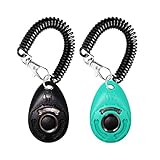
- EASY TO USE - Simple push button with distinct clicking sound.
- Comes with an elastic wrist band so you can leave it on your wrist or clip it to the leash or your pants.
- Not only train the dog but also the cat, bird, chicken, sheep a new behaviors like sit, fetch, roll over, lie down.
- For effective pet training ALWAYS reward with a treat after clicking.
- Can be used to train the dog basic obedience, small trick, and correct the bad behavior; Scientific method of training your pet safely and easily.
Why Bengal is a useful training example
TICA’s Bengal profile provides concrete behaviors rather than a vague label. It points to fetch, harness walking, food rewards and clicker training, while also warning that Bengals are high-energy and benefit from climbing, investigating and puzzle toys.
- Start with a reinforcer. Offer a small food reward or favorite toy and identify what reliably holds your cat’s attention.
- Teach one behavior. Touch a target, look toward you or step onto a mat are clear first goals.
- Mark the instant response. Use a clicker or consistent word, then reward immediately.
- Keep sessions short. End while the cat is still engaged; several brief sessions are preferable to one exhausting lesson.
- Generalize gradually. Practice in another room only after the behavior is reliable in the original location.
- Stop at stress signals. Flattened ears, tail lashing, hiding or refusal of rewards mean the difficulty or duration should be reduced.
The same method can be tried with other cats, but TICA’s Bengal-specific examples should not be generalized into a guarantee for every Bengal or every breed.
Independent reader supportYour contribution helps us test, update, and keep practical guides available for everyone.Choose for household fit, not an intelligence label
CFA advises matching a cat’s activity and behavior to the household routine. Before selecting a breed, answer these questions:
- How much interactive play can you provide on ordinary weekdays?
- Can your home accommodate secure climbing and resting areas?
- Will someone be available for a social cat that seeks frequent attention?
- Can you budget for preventive veterinary care, nutrition, grooming and enrichment over the cat’s lifetime?
- Do local regulations affect ownership of a particular breed, especially hybrid-type cats?
A less demanding cat can be a better companion than a highly active one if your schedule is busy. Conversely, a household that enjoys training and daily play may thrive with a cat that actively seeks challenges.
Enrichment ideas for curious cats
Food puzzles, treat hunts, clicker exercises, wand play and window perches can turn natural investigation into safe activity. Introduce one change at a time and supervise toys that contain strings, feathers or small detachable parts.
Best Value
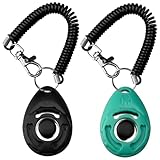
- Instant Attention & Clear Sound: This dog clicker for training produces a sharp, consistent sound that’s perfect for clicker training dogs, puppies, cats, and even birds or horses. Works great as a dog clicker to stop barking and reinforce positive behaviors quickly.
- Lightweight, Durable & Easy to Carry: Made from sturdy, lightweight materials, this pet training clicker is built to last. Comes with a convenient wrist strap so your dog training tools are always within reach during walks, obedience classes, or home sessions.
- Simple One-Button Operation: Whether you’re a new dog trainer or a pro, the large button makes this puppy training clicker and cat training clicker easy to use—just press to mark desired behavior, then reward for faster learning.
- Versatile for Multiple Pets & Purposes: More than just a dog training clicker—this tool is perfect as a cat clicker trainer, training clicker for puppies, or even a clicker cat trainer. Works for potty training, obedience, tricks, and behavior correction.
- Positive Reinforcement Training Made Easy: Trusted by professionals, this dog training & behavior aids device supports humane, reward-based training. Ideal as puppy training tools, dog training aids, or dog training clickers to create a strong bond with your pet.
A cat puzzle feeder is an optional category of enrichment for food-motivated cats; no particular model is established as superior here. Begin with an easy design so the cat is rewarded quickly, then increase complexity only when it remains enjoyable.
Rotate toys instead of leaving every object out permanently. Hide a few safe toys for a day or two, then reintroduce them. Provide multiple escape and resting places so an active game never becomes the cat’s only option.
What the evidence can—and cannot—tell you
PetMD’s October 23, 2024 article is veterinary reviewed and offers a 10-breed reputation-based list. It does not claim that those breeds have higher measured IQ scores. CFA profiles describe temperament and offer household-fit advice; they are registry descriptions, not comparative cognition studies. TICA’s Bengal profile supplies useful examples of trainability and enrichment, while its directory’s 73 recognized breeds is registry context, not an intelligence statistic.
Recommended Free Tools
Breed is only one influence. Early socialization, health, age, learning history, motivation and the relationship between cat and caregiver all affect observed behavior. A mixed-breed or unlisted cat can be exceptionally curious and trainable, and a cat from a commonly labeled “smart” breed may prefer naps to tricks.
The practical conclusion is simple: use breed reputations to generate questions, then let the individual cat’s behavior and your ability to meet its needs determine the match.
Quick Recap
Product prices and availability are accurate as of the date/time indicated and are subject to change. Any price and availability information displayed on Amazon at the time of purchase will apply.





Leave a Reply