The best tips for raising grass-fed beef are to measure local forage capacity before buying cattle, choose moderate-framed and sound animals, rotate grazing with adequate rest, provide reliable water and minerals, plan for hay shortages, and monitor weight and body condition. Grass-fed cattle may need hay or targeted supplements, and grass finishing generally takes longer than confinement finishing.
Successful grass-fed beef production is a complete forage-and-livestock management system. Feed choice matters, but the outcome also depends on cattle genetics, pasture quantity and quality, grazing timing, fencing, water, minerals, seasonal feed, health care, handling, finishing goals, and the accuracy of the label claim.
Key takeaways
- There is no honest universal acres-per-cow rule because forage capacity changes with soil, rainfall, forage species, fertility, season, animal size, grazing intensity, and supplemental feed.
- Rotational grazing works only when paddock size, stocking rate, rest periods, water, fencing, pasture observation, and movement decisions are managed together.
- Moderate-framed, early-maturing cattle with sound feet and legs, fertility, longevity, and adequate muscling generally fit forage-based systems better than animals needing high inputs.
- Grass-fed cattle may still need high-quality hay during winter or drought, plus minerals or other carefully selected supplements when forage does not meet requirements.
- According to Oklahoma State University Extension (2026), the cited comparison reported average gains of 1.55 pounds per day for pasture-finished cattle and 2.54 pounds per day for cattle fed high-concentrate diets in confinement.
- In the United States, USDA AMS withdrew the former Grass (Forage) Fed Marketing Claim Standard effective January 12, 2016; producers must substantiate current marketing claims through the applicable regulatory, certification, or verification process.
Tips for Raising Grass-Fed Beef: A Pasture, Cattle, and Marketing Guide
The best tips for raising grass-fed beef are to measure local forage capacity before buying cattle, choose moderate-framed and sound animals, rotate grazing with adequate rest, provide reliable water and minerals, plan for hay shortages, and monitor weight and body condition. Grass-fed cattle may need hay or targeted supplements, and grass finishing generally takes longer than confinement finishing.
Successful grass-fed beef production is a complete forage-and-livestock management system. Feed choice matters, but the outcome also depends on cattle genetics, pasture quantity and quality, grazing timing, fencing, water, minerals, seasonal feed, health care, handling, finishing goals, and the accuracy of the label claim.
#1 Best Overall

- DURABLE RIGIDCELL CONSTRUCTION: For superior performance and long-lasting durability in all types of weather.
- CATEGORY LEADING WARRANTY: Backed by a 10-Year Limited Warranty
- MADE IN THE USA: Rubbermaid Commercial Products BRUTE Stock Tanks are proudly made in the USA.
- RIBBED BASE: Robust structural ribbed design ensures durability and load-bearing capacity.y.
- BUILT-IN BODY STIFFENERS: Provides body rigidity and helps to prevent deformation, supporting a longer product life.
What should you decide before raising grass-fed beef?
Before purchasing cattle or installing fence, define both the beef product and the customer. A personal freezer-beef herd has different priorities from a direct-to-consumer operation, local retail program, breeding-stock enterprise, or commodity sale.
Decide which of these descriptions matches the actual plan:
| Production or marketing goal | Management question | Claim or customer issue |
|---|---|---|
| Personal or freezer beef | Can the land, forage, water, and handling system maintain cattle in acceptable condition? | Consumer-facing label language may be less important than consistent health, carcass quality, and a reliable slaughter arrangement. |
| Forage-finished beef | Can pasture, hay, and approved supplements support the intended finishing endpoint without relying on an incompatible feed program? | The operation must define what forage-only or forage-based means for its market and substantiate the claim. |
| Mostly pasture-raised beef with supplements | When will supplemental feed be used, and how will the feed program change during winter, drought, or slow regrowth? | Do not describe a supplemented system as pasture-only unless the applicable claim requirements support that wording. |
| Direct-to-consumer or retail beef | What carcass size, fatness, marbling, flavor, and delivery schedule do customers expect? | Marketing language should be truthful, documented, and consistent with applicable inspection, labeling, certification, and verification requirements. |
What does grass-fed actually mean on a beef label?
Grass-fed on a beef label is a marketing claim that needs a clearly defined production basis and supporting documentation; the phrase should not be treated as a universal synonym for pasture-only cattle.
For United States producers, do not rely on old articles that describe the former USDA Agricultural Marketing Service Grass (Forage) Fed Marketing Claim Standard as a current federal production standard. USDA AMS states that the standard was withdrawn effective January 12, 2016. Current claims must be truthful and substantiated under the applicable FSIS requirements and any certification or verification process used by the operation or buyer.
In practical terms, document the feed program, pasture and hay sources, purchased supplements, animal movements, health treatments, and finishing history. If a third party, processor, retailer, or certification program defines the claim, obtain its current requirements before cattle are bought. A casual conversation about cattle eating grass is not the same thing as a regulated or verified label claim.
How much land do I need for grass-fed beef?
There is no honest universal acres-per-cow answer for grass-fed beef. Stocking capacity changes with forage species, soil, rainfall, fertility, season, animal size, grazing intensity, pasture condition, and supplemental feed.
A useful planning method is to estimate available forage, estimate the demand of the actual cattle class and herd size, choose a conservative starting stocking rate, and revise the plan after observing pasture regrowth and animal performance. A local number copied from another farm can be dangerously misleading even when the farms appear close together.
Before buying cattle, map and inspect:
- Owned and rented acres, pasture boundaries, slopes, wet areas, shade, lanes, gates, streams, wells, and possible water points.
- Dominant forage species, pasture density, bare ground, weeds, and signs of previous overgrazing.
- Soil fertility and drainage, along with the seasonal pattern of rainfall and drought.
- Areas that can serve as a sacrifice or holding area during mud, drought, slow regrowth, or winter feeding.
- How cattle will reach water, handling facilities, hay, shade, and shelter without excessive walking or damaging sensitive ground.
A forage sample can provide information about protein, minerals, and other quality measures. Dry-matter estimates can help quantify how much usable forage is actually available rather than relying on the visual impression that a field looks green. University of Minnesota Extension describes forage evaluation and pasture monitoring as part of grazing management.
Do these 3 things before closing this tab:
1Repair Windows errors before they cause bigger problems2Scan for outdated or missing drivers - takes under a minute3Clear out junk files and repair common Windows errorsTrack pasture trend, animal body condition, weight gain, forage height or density as locally appropriate, hay use, and regrowth. Increase stocking only after the pasture has demonstrated that it can support the added demand through the relevant season. Reduce stocking, add hay, use a sacrifice area, or sell animals before pasture damage becomes severe.
How do I rotate cattle on pasture?
Rotate cattle by dividing the grazing area into paddocks, moving animals before plants are repeatedly grazed too short, and allowing each paddock enough time to regrow before cattle return. The correct grazing period and rest period change with forage growth, weather, season, stocking rate, and pasture condition.
Rank #2
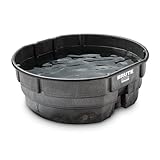
- DURABLE RIGIDCELL CONSTRUCTION: For superior performance and long-lasting durability in all types of weather.
- CATEGORY LEADING WARRANTY: Backed by a 10-Year Limited Warranty
- MADE IN THE USA: Rubbermaid Commercial Products BRUTE Stock Tanks are proudly made in the USA.
- RIBBED BASE: Robust structural ribbed design ensures durability and load-bearing capacity.y.
- BUILT-IN BODY STIFFENERS: Provides body rigidity and helps to prevent deformation, supporting a longer product life.
USDA NRCS describes managed rotational grazing as separating fields into paddocks and directing animals to fresh pasture, with paddock size determined by animal number, season, grazing duration, and forage quality. Paddock subdivision by itself is not a grazing plan; the system also needs suitable stocking, rest, water, fencing, observation, and timely movement.
According to University of Minnesota Extension (2026), simple rotational grazing produced 30–50% more forage production and use per acre than continuous grazing in the cited comparison. That figure is a reported comparison, not a guaranteed increase for every farm, climate, forage mixture, or grazing design.
“Rotational grazing is in essence mimicking what herbivores do in the wild. If you have a group of caribou, elk or bison in a natural setting, they graze a location then move on, so the forage can have a chance to regrow. That’s what we’re trying to do with our herd here, giving our paddocks an adequate rest period until we bring the cattle back again.”
Marc Cesario, Certified Organic Farmer, Meeting Place Pastures, quoted by USDA NRCS
A practical grazing-rotation process
- Choose the first paddock. Start with the paddock that has adequate usable forage, dependable water access, and safe fencing.
- Set a movement trigger. Use a defined visual or measured pasture condition, not a fixed calendar rule copied from another farm. The trigger might involve remaining forage, signs of repeated close grazing, or the need to protect regrowth.
- Move cattle before overgrazing develops. Continuous close grazing can reduce forage productivity and animal performance, especially when animals repeatedly select the most desirable plants.
- Record the rest period. Note when cattle leave and when the paddock is ready for another grazing. Regrowth speed changes with temperature, moisture, fertility, species, and season.
- Plan an alternative for bad conditions. Decide in advance where cattle will go during drought, wet weather, winter, or a period of slow regrowth.
- Review animals and pasture together. A pasture that appears acceptable may still fail to support gain, while a declining body condition score or poor weight gain may show that the system needs a management change.
| Management feature | Continuous grazing risk | Planned rotation response |
|---|---|---|
| Forage use | Cattle can repeatedly select and regraze preferred plants. | Fresh paddocks and planned rest can distribute grazing pressure. |
| Movement | Animals stay in one area until the manager reacts to declining pasture. | The producer moves cattle according to forage condition and a defined trigger. |
| Water | Animals may concentrate around a single source and create mud or uneven use. | Water is extended or relocated so each active paddock remains accessible. |
| Weather response | The same area may be damaged during drought or wet conditions. | A sacrifice area, hay plan, or alternate paddock protects the main grazing area. |
What cattle breeds are best for grass-fed beef?
The best cattle for grass-fed beef are those whose mature size, growth pattern, fertility, feet, legs, health, and carcass traits fit the available forage and the target market; breed reputation alone is not enough.
Oklahoma State University Extension identifies moderate-framed, early-maturing beef cattle with good muscling as practical candidates for many farm-raised beef programs. Forage-based herds also benefit from animals that can walk comfortably between pasture, water, shade, and handling areas. University of Minnesota Extension notes that pasture cattle walk more than cattle in confinement, making sound mobility important to forage intake and profitability.
Recommended Free Tools
English-influenced cattle may be preferred when marbling, flavor, and juiciness are priorities, while some Continental-influenced cattle may provide greater leanness. Those are broad tendencies, not guarantees for every individual animal or cross.
| Selection trait | Why it matters in a forage system | What to ask before buying |
|---|---|---|
| Moderate frame and early maturity | Animals that match available forage may reach the desired endpoint more efficiently than very large, late-maturing cattle in a limited-input system. | What is the animal’s expected mature size, age, frame, and prior growth history? |
| Sound feet and legs | Pasture cattle must walk to forage and water, so poor mobility can reduce intake, longevity, and profitability. | Has the animal shown lameness, structural problems, or difficulty traveling over the farm’s terrain? |
| Fertility and longevity | Healthy cows that breed regularly and remain productive spread replacement and development costs over more years. | What is the breeding, calving, health, and culling history? |
| Adequate muscling | Muscling affects the fit between the animal and the desired carcass or freezer-beef product. | Does the animal meet the target market without requiring an impractical finishing period? |
| Temperament | Calm cattle are easier and safer to move, catch, treat, and load. | How has the animal behaved during handling, transport, and routine care? |
| Health history | Previous illness, parasites, vaccination gaps, or abrupt diet changes can affect future performance. | What vaccinations, treatments, deworming, feeds, and withdrawal periods apply? |
A cheap animal can become expensive if it grows slowly, needs more purchased feed, cannot travel comfortably, or fails to fit the carcass expectations of the customer. Select for the whole system rather than buying cattle solely because they are advertised as a particular breed.
What equipment do I need to raise beef cattle?
A grass-fed beef operation needs dependable perimeter containment, internal paddock fencing, water delivery, safe handling facilities, seasonal feed storage, mineral access, and protection from heat and severe weather.
| Equipment or infrastructure | Minimum planning purpose | Important limitation |
|---|---|---|
| Permanent perimeter fence | Defines property boundaries and provides primary escape containment. | It must be designed for the actual livestock, terrain, gates, crossings, and maintenance conditions. |
| Portable or semi-permanent electric fencing | Subdivides pasture into temporary or adjustable paddocks. | Electric fencing is a psychological barrier; cattle must learn to respect it and the energizer, grounding, vegetation control, and conductors must work. |
| Fence tester | Confirms that an electric line is operating and helps locate weak sections. | A tester cannot compensate for poor fence design, inadequate grounding, vegetation contact, or untrained cattle. |
| Water trough, tank, pipeline, or pump | Delivers clean, accessible water to the active paddock. | The right system depends on herd size, distance, elevation, power, freezing risk, terrain, and whether the paddocks are permanent or portable. |
| Catch pen, lane, and headgate | Allows vaccination, inspection, treatment, loading, and urgent restraint. | Poorly designed facilities can cause injury, bruising, stress, and product loss. |
| Hay storage and feeding equipment | Protects and distributes forage during winter or pasture shortages. | Weather exposure and feeding losses can turn adequate hay production into an inadequate feed supply. |
| Mineral feeder or covered mineral tub | Keeps the selected mineral product available and protected from weather. | The feeder does not determine the correct mineral formulation or guarantee that every animal consumes the same amount. |
| Shade and weather protection | Provides relief from heat and protection during severe winter weather. | Shade, shelter, water, and dry resting areas must be located where cattle can use them without creating excessive mud or crowding. |
How should electric fencing be maintained?
Use permanent perimeter fencing where escape risk and property boundaries require it, then use portable or semi-permanent electric fencing for internal subdivision when appropriate. Before moving cattle into a new paddock, use an electric fence tester to confirm that the line is operating and to troubleshoot weak sections.
The Tool Desk
Outbyte Driver Updater FREEScan for outdated or missing drivers - takes under a minuteDriver Scan →Outbyte PC Repair FREEClear out junk files and repair common Windows errorsFree Scan →Rank #3

- Huge 54L Capacity + Automated Refill with Float: This livestock water trough is up to 1 - meter length(over 3 feet) and 30cm width hold a massive 54 liters, suitable for large livestock or big dog packs. Automatic waterer livestock utilizes the water level height to control the rise and fall of the float, thus controlling the switch of the water inlet hole. Paiaojia Automatic water bowl is perfect for busy farms or dog horse pig cow goat breeders who need reliability
- Authentic Outdoor Automatic Waterer for Animals: PAIAOJIA's farm-series waterer is made of stainless steel. Unlike other galvanized materials, it can be exposed to sunlight and adapt to humid, rainy, or hot weather, ensuring long-lasting durability. The tough stainless steel makes it suitable for use in various muddy pastures or noisy pens for cattle, sheep, horses, and pigs, allowing your livestock to access clean and hygienic drinking water through this stainless steel trough.
- Year-Round Versatility: Winter-Ready DesignBuilt for all seasons, this waterer kit features a top-mounted stainless steel float valve. A plastic freeze-resistant faucet on the side enables quick drainage, while an extra pre-cut hole fits optional plastic float valve kits (ideal for routing heater cords in winter). Keep water accessible and unfrozen, no matter the weather.
- Anti-tip Design: There are 4 fixed feet at the bottom of the water troughs for livestock connected to the ground, which can prevent livestock from knocking over the drinking water tank and causing waste, ideal for dog water trough, horse water trough, goat waterer, cattle waterer, horse waterer, hog water trough, pig water trough
- Unparalleled detail Rolled edge Design: The water Sinks is designed with rolled edges that are smooth all around, ensuring that the edges of the water trough won't scratch the animals while they are drinking, and that it is safe for people to clean the waterer for horse, pigs or goat
Fencing priorities include the correct energizer, adequate grounding, visible conductors, vegetation control along the fence line, safe gates and crossings, regular voltage testing, and a plan for repairs or escaped cattle. The Premier field guide to fencing identifies a fence tester as a practical tool for checking and troubleshooting electric-fence performance. A tester is maintenance equipment, not proof that a fence is safe or adequate.
How should water access be designed?
Water access should be designed at the same time as paddock movement because cattle cannot use a grazing plan that leaves them without convenient, clean water. Possible systems include permanent troughs, portable tanks, pipelines, electric pumps, solar pumps, nose pumps, or protected natural sources.
A portable livestock water trough can be useful for temporary paddocks, but the appropriate capacity and delivery system depend on herd size, water flow, terrain, distance, elevation, power availability, and freeze risk. USDA NRCS identifies adequate water supplies as a feature of managed grazing and describes fencing as a way to protect ponds, streams, wellheads, and sensitive habitat.
Keep high-traffic water areas from becoming persistent mud problems. Relocate portable equipment, improve surfacing where appropriate, rest damaged areas, or change the paddock layout rather than allowing one water point to degrade the entire system.
What’s actually slowing this PC down?
Pick the symptom - the matching free tool is one click away.
Can beef cattle live on grass alone?
Beef cattle can sometimes meet their nutritional needs from high-quality pasture, but cattle cannot safely be managed on pasture without a plan for water, minerals, health care, and seasonal feed shortages.
Forage quality changes with plant species, maturity, weather, fertility, drought, and grazing pressure. A field that looks green is not automatically supplying enough energy or protein for every class of cattle. Growing animals, breeding cows, bulls, and finishing cattle can have different nutritional demands.
In a practical forage-based system, grass may include standing pasture and harvested forage such as hay. High-quality hay can be necessary during winter, drought, flooding, slow regrowth, or any period when pasture cannot supply enough usable nutrients. If forage analysis or animal performance shows a shortfall, a carefully selected supplement may be needed, subject to the intended marketing claim.
| Feed or support | When it may be needed | Management question |
|---|---|---|
| Growing pasture | During periods of adequate plant growth and usable forage availability. | Is the pasture supplying sufficient energy and protein for this animal class and production stage? |
| High-quality hay | During winter, drought, wet conditions, slow regrowth, or forage shortage. | Is the hay analyzed, protected from weather, and fed with losses controlled? |
| Mineral supplement | When pasture, hay, soil, water, season, or animal class leaves mineral requirements unmet. | Does the formulation fit local forage and animal needs, and is intake being monitored? |
| Other selected supplement | When forage cannot meet a specific nutritional requirement or production goal. | Does the supplement fit the defined grass-fed or forage-based claim and the advice of a qualified professional? |
Protected hay storage and a round-bale hay ring can reduce weather and feeding waste, but neither replaces a realistic forage budget. Oklahoma State University Extension recommends high-quality hay for forage-finished programs and notes that protected storage and bale rings can reduce waste.
Quick wins for a faster PC:
Fix the driver behind crashes, sound loss and screen glitchesFind Drivers →Clear out junk files and repair common Windows errorsFree Scan →Do grass-fed cattle need minerals?
Yes, grass-fed cattle still need minerals, and the correct mineral program depends on forage analysis, soil, water, season, geography, animal class, and the rest of the feed program.
University of Missouri Extension lists calcium, phosphorus, magnesium, potassium, sodium, chlorine, sulfur, iron, zinc, manganese, copper, iodine, cobalt, and selenium among required mineral elements. Pasture and other feedstuffs supply some minerals but may not supply all requirements in the needed amounts or ratios.
Rank #4

- Large Feed Capacity: Up to 66lbs capacity with feed, 11 gallons of water, enough for 6 sheep to drink at once, you can leave the feeding of your sheep to us.
- Easy To Use: With hose and 1/2" to 3/4" adapter, fitting various faucets, no extra adapters needed. Perfect for gardens or farms. Please wear gloves during installation.
- Built To Last: BUYYAH's feeding trough is made from PP plastic, the stand is made of high-quality galvanized metal, which offers durability and can withstand extreme weather conditions. Our feeder has a no-waste, rust-proof design.
- Height Adjustment: 3 Adjustable Height levels to suitable for animals of different heights, low gear for chickens, ducks and geese, medium gear for lambs, high gear for goats and horses. The convenient rivet nut design makes adjustments simple and fast.
- Wide Range Of Uses: It is suitable for various places such as home, farm, courtyard, sheep sheds. Meet the feeding needs of a variety of animals.
Free-choice mineral delivery is practical, but individual cattle can consume different amounts. Use a covered cattle mineral feeder or similar protected delivery method, monitor access and consumption, and choose the formulation with guidance from a forage test, veterinarian, or livestock nutritionist. Do not choose a product simply because its label says grass-fed or natural.
Why is early spring grass-tetany risk important?
Early spring deserves special attention because lush forage, potassium, magnesium, and salt intake can interact in ways that increase grass-tetany risk, particularly in susceptible cattle.
University of Missouri Extension discusses high-magnesium supplements, salt intake, potassium management, and mixed grass-legume pastures as prevention considerations. A producer should ask a local veterinarian or nutritionist to help interpret the forage, soil, water, and animal-risk factors rather than adding a generic mineral product or assuming that all green pasture is safe.
How long does it take to finish cattle on grass?
There is no fixed finishing time for grass-fed cattle, but grass-finished cattle commonly take longer to reach a chosen endpoint and may be leaner than cattle finished on high-concentrate diets.
According to Oklahoma State University Extension (2026), an overview of 23 published studies from 1978 to 2013 reported that pasture-finished cattle gained 1.55 pounds per day, compared with 2.54 pounds per day for cattle fed high-concentrate diets in confinement. The same cited comparison reported approximate finishing weights of 950 pounds for forage-finished cattle and 1,100 pounds for grain-finished cattle, with dressing percentages of 56% and 60%, respectively.
| Measure in the cited comparison | Pasture- or forage-finished cattle | High-concentrate cattle in confinement |
|---|---|---|
| Average daily gain | 1.55 pounds per day | 2.54 pounds per day |
| Approximate finishing weight | 950 pounds | 1,100 pounds |
| Dressing percentage | 56% | 60% |
| Back fat | 0.2 inches | 0.5 inches |
These figures are a cited research comparison, not universal targets or a guaranteed timeline for an individual herd. Weather, forage quality, genetics, health, age, frame size, and management can substantially change growth and carcass results. Use regular weight or performance records, body condition, and the target buyer’s carcass requirements to decide whether cattle are ready.
Windows Errors? Fix Them Before They Spread
Repair common Windows errors and clear accumulated junk for a smoother, more stable PC - no reinstall needed.Free scan · no reinstallOutdated Drivers Are Slowing You Down
One free scan finds every outdated or missing driver and matches the right update for your exact hardware.Free scan · exact hardware matchBefore starting, decide whether the priority is maximum marbling, a forage-based marketing story, personal freezer beef, a shorter time to slaughter, or minimal purchased feed. Each priority can lead to a different finishing endpoint and a different acceptable trade-off.
Independent reader supportYour contribution helps us test, update, and keep practical guides available for everyone.How do health and handling affect grass-fed beef production?
Health and handling are production essentials because sick, injured, stressed, or poorly managed cattle cannot turn forage into a predictable product efficiently.
At minimum, provide a safe way to catch and restrain animals for vaccination, inspection, treatment, hoof or injury evaluation, and urgent care. Oklahoma State University Extension recommends a catch pen, lane, and headgate and warns that poor facilities can cause injury, bruising, and product loss.
Maintain a relationship with a veterinarian who understands local cattle diseases, vaccination schedules, parasites, treatment protocols, and withdrawal requirements. Keep health and treatment records with the animal or group record, particularly when selling beef or making a production claim.
Free tools Windows power users keep installed
One-click scans. No signup required.
Best Value

- 54L Large Capacity with Automatic Refill: This livestock water trough holds up to 54 liters of water and measures nearly 1 meter long by 30 cm wide, making it ideal for horses, cattle, goats, pigs, sheep, and large dog packs. The built-in float valve automatically controls the water inlet according to the water level, helping maintain a steady water supply while reducing frequent refilling.
- Heavy-Duty Stainless Steel for Outdoor Use: Made of durable stainless steel, this automatic animal waterer is built for barns, pastures, kennels, and farm pens. Compared with many galvanized options, the stainless steel construction offers better resistance to rust, rain, humidity, sun exposure, and muddy outdoor conditions, helping provide cleaner drinking water for livestock.
- Easy Drainage & Winter-Friendly Setup: Designed for year-round farm use, this water trough features a top-mounted stainless steel float valve and a side drain faucet for quick emptying, rinsing, and cleaning. The extra pre-cut hole can be used with optional float valve kits or for routing heater cords in cold weather, making seasonal maintenance easier.
- Stable Anti-Tip Design: Four fixed mounting feet at the bottom help secure the trough to the ground, platform, or barn floor. This stable structure helps prevent tipping, spilling, and water waste when used by active animals such as horses, cattle, pigs, goats, sheep, and large dogs.
- Smooth Rolled Edges for Safer Use: The trough is designed with smooth rolled edges around the rim to help prevent scratches while animals drink. The rounded edge design also makes the waterer safer to handle during installation, cleaning, and daily maintenance, offering a practical choice for farms, barns, and outdoor animal enclosures.
Provide shade during hot conditions and wind protection or shelter during severe winter weather. Keep hay and feed dry, reduce mud around water and feeding areas, and design lanes and gates so cattle can move without unnecessary stress or excessive walking.
Is grass-fed beef more expensive to produce?
Grass-fed beef is not automatically cheaper or more expensive to produce because total cost depends on land, forage yield, hay purchases, fencing, water systems, handling facilities, labor, weather, finishing time, animal performance, and the price received from the market.
A forage-based system may reduce reliance on purchased concentrate, but it can require more land, more infrastructure, more pasture observation, more seasonal planning, and more days before slaughter. A confinement comparison may show faster gain, but purchased feed and confinement infrastructure also carry costs. The correct comparison is the whole enterprise, not the price of one feed ingredient.
| Decision axis | Forage-focused or grass-finished system | High-concentrate finishing system |
|---|---|---|
| Land and forage | Requires enough productive pasture and a plan for hay or forage shortages. | Relies less directly on pasture capacity during finishing but requires a dependable concentrate and feed-management system. |
| Growth rate and time | Usually slower in the cited comparison, with pasture-finished cattle gaining 1.55 pounds per day. | Was faster in the cited comparison, with high-concentrate cattle gaining 2.54 pounds per day. |
| Carcass endpoint | The cited comparison reported approximately 950 pounds, 56% dressing percentage, and 0.2 inches of back fat. | The cited comparison reported approximately 1,100 pounds, 60% dressing percentage, and 0.5 inches of back fat. |
| Infrastructure | Needs functioning perimeter and subdivision fencing, water distribution, handling facilities, and hay storage. | Needs feed storage, delivery, handling, and the infrastructure appropriate to the finishing environment. |
| Management risk | More exposed to pasture growth, drought, winter, mud, and seasonal forage quality. | More exposed to purchased-feed prices, ration management, and confinement-related management demands. |
| Market fit | May suit customers seeking a defined forage-based product, if the claim is truthful and substantiated. | May suit markets prioritizing a particular carcass size, fatness, marbling, or shorter finishing period. |
Use a whole-farm budget that includes land rent or ownership cost, fencing, water, minerals, hay, veterinary care, labor, equipment depreciation, hauling, processing, death loss, and the time cattle remain on the farm. Do not promise customers that grass-fed beef is automatically healthier for humans; the research used here supports production and carcass trade-offs more clearly than a universal human-health conclusion.
The Tool Desk
Outbyte Driver Updater FREEFix the driver behind crashes, sound loss and screen glitchesFind Drivers →Outbyte PC Repair FREERepair Windows errors before they cause bigger problemsFix Now →What should a first-year grass-fed beef plan include?
A first-year plan should begin with infrastructure and forage evidence, not with the number of cattle the producer hopes to own.
- Define the sale or use. Write down whether the beef is for personal use, direct sales, retail, breeding, or commodity marketing, and define the intended feed and label claim.
- Audit the land. Map acres, forage, soils, slopes, wet areas, shade, lanes, gates, water points, and a sacrifice area.
- Measure forage. Use forage sampling and dry-matter estimates where practical, then create a conservative starting stocking plan.
- Build the escape and movement system. Install or repair perimeter fence, add internal subdivision, train cattle to electric fence, and test the system before relying on it.
- Secure water. Confirm that water is clean, accessible, adequate for the herd, and available in every paddock used during rotation.
- Buy cattle that fit. Prioritize frame size, maturity, feet and legs, fertility, health, temperament, muscling, and the target carcass over a low purchase price or breed label.
- Prepare feed reserves. Arrange high-quality hay, protect it from weather, and decide when to begin feeding hay or move cattle to a sacrifice area.
- Plan minerals and health care. Obtain local forage or nutrition information, establish veterinary support, and prepare safe facilities for vaccination and treatment.
- Record outcomes. Track paddock use, rest and regrowth, body condition, weight gain, hay and mineral use, health treatments, and weather-related decisions.
- Review before expanding. Add cattle only when pasture trend, regrowth, animal condition, water capacity, and seasonal reserves show that the system can carry the additional demand.
Grass-fed beef troubleshooting checklist
| Problem | Likely management question | Immediate response to consider |
|---|---|---|
| Pasture is being grazed too short | Are cattle staying too long, are paddocks too small, or is stocking pressure too high for current growth? | Move cattle, lengthen rest, provide hay, use an alternate area, or reduce stocking before recovery is lost. |
| Cattle are losing condition | Is forage quantity or quality inadequate, or is illness, parasites, water, mineral access, or stress involved? | Check water, health, forage, minerals, and feed analysis; involve a veterinarian or nutritionist where needed. |
| Electric fence is not containing cattle | Is the energizer working, is grounding adequate, is vegetation contacting the line, and were cattle trained to the fence? | Test the line, repair weak sections, control vegetation, inspect gates and grounding, and maintain an escape-response plan. |
| One paddock is muddy | Are water, feed, shade, or gates concentrating traffic in one location? | Relocate portable equipment, improve the high-traffic area where appropriate, or rest and protect the damaged ground. |
| Winter feed is running short | Was hay quality and quantity estimated with weather and feeding losses included? | Source suitable hay early, reduce waste with protected storage and appropriate feeding equipment, and reassess herd size. |
| Customers misunderstand the claim | Does the label language accurately describe pasture, hay, supplements, finishing, and verification? | Correct the description and retain records supporting the claim before selling more beef. |
Bottom line
Raising grass-fed beef works best when the producer matches cattle to local forage, manages grazing with real rest periods, builds dependable fencing and water, supplies minerals and seasonal hay, and tracks animal performance. The system is not defined by a pasture photograph or a feed slogan. It is a management plan that must keep cattle healthy, maintain the land, produce the desired carcass, and support an accurate market claim.
Frequently Asked Questions
How much land do I need for grass-fed beef?
There is no universal acreage requirement for grass-fed beef. Stocking capacity depends on forage species, soil, rainfall, fertility, season, animal size, grazing intensity, and supplemental feed, so producers should estimate local forage supply and animal demand and begin conservatively.
Do grass-fed cattle need minerals?
Yes, grass-fed cattle still need minerals, and the correct formulation depends on forage analysis, soil, water, season, geography, and animal class. A veterinarian or livestock nutritionist can help select a suitable program, especially when early-spring grass-tetany risk exists.
Free tools Windows power users keep installed
One-click scans. No signup required.
Can beef cattle live on grass alone?
Grass-fed cattle may need high-quality hay during winter, drought, wet weather, or slow pasture regrowth. Grass-fed does not automatically mean pasture-only under every real-world condition, and any supplement must fit the operation’s defined marketing claim.
How long does it take to finish cattle on grass?
Grass-finished cattle generally take longer to reach a chosen endpoint than cattle finished on high-concentrate diets. In an Oklahoma State University Extension comparison of 23 studies, pasture-finished cattle gained 1.55 pounds per day versus 2.54 pounds per day for cattle fed high-concentrate diets in confinement, but individual results vary.
The Bottom Line
Start with forage capacity and infrastructure, not a guessed stocking rate. Choose moderate, fertile, mobile cattle; rotate them before overgrazing; provide water, minerals, health care, and high-quality hay when needed; and treat grass-fed labeling as a claim that requires accurate documentation.
Quick Recap
Product prices and availability are accurate as of the date/time indicated and are subject to change. Any price and availability information displayed on Amazon at the time of purchase will apply.




