Tortitude is an informal nickname for the supposedly feisty, independent personality of tortoiseshell cats. It is a stereotype, not a veterinary diagnosis—and a cat’s coat pattern cannot tell you what that individual cat will be like. A 2016 survey found some differences in guardians’ reports of everyday aggression by coat color, but it did not show that tortoiseshell coloring causes aggression. If your cat’s behavior is difficult, focus on its triggers, needs, and health rather than its pattern.
What does “tortitude” mean?
“Tortitude” combines “tortoiseshell” and “attitude.” People use it to describe tortoiseshell cats as especially strong-willed, feisty, or independent. The word is colloquial; it is not a clinical term or a reliable way to predict temperament.
Tortoiseshell describes a coat pattern, commonly a marbled mix of black and ginger or red, sometimes with cream or other shades. It occurs in different breeds and mixed-breed cats, so a tortoiseshell is not a breed. Calico coats include white alongside more distinct patches; torbies combine tortoiseshell coloring with tabby markings.
Is tortitude real? What the study found
A 2016 study by Elizabeth A. Stelow, Melissa J. Bain, and Philip H. Kass, published in the Journal of Applied Animal Welfare Science, examined coat color and guardian-reported aggression. It was based on an internet survey: 1,432 cat guardians completed it, and 1,274 responses were included in the analysis.
The Tool Desk
Outbyte Driver Updater FREEScan for outdated or missing drivers - takes under a minuteDriver Scan →Outbyte PC Repair FREERepair Windows errors before they cause bigger problemsFix Now →#1 Best Overall

- Complete Calming Solution: This cat calming diffuser kit includes diffusers and refills (48mL per bottle). Each refill delivers a 30-day supply of continuous support to help ease your cat’s anxiety. Ideal for addressing stress triggered by vet visits, traffic noise, fireworks, thunderstorms, or loneliness, this cat pheromone calming diffuser creates a safe and serene environment for felines of all ages and breeds
- Effective Stress & Behavior Support: Our cat pheromone diffuser works to reduce common signs of feline stress such as excessive scratching, urine spraying, hiding, and restlessness. By mimicking natural feline pheromones, this cat calming diffuser provides gentle, drug-free relief, making it a reliable choice for multi-cat households or cats experiencing tension during home changes or new pet introductions
- Long-Lasting & Wide Coverage: Each refill of the cat calming diffuser releases calming pheromones for up to 30 days, with coverage for areas up to 700 square feet. The diffuser features an automatic operation with a simple press of a button, and proper placement (vents facing up) ensures optimal performance and leak prevention, maximizing the effectiveness of your cat diffuser
- Safe & Non-Toxic Formula: The cat pheromone calming diffuser uses an odorless, non-toxic, and chemical-free formula that is safe for both humans and pets. Unlike harsh treatments, this cat calming diffuser does not cause drowsiness and poses no risk to your cat’s health, making it a trusted choice for daily use in any living space
- Easy to Use & Maintain: Setting up the cat calming diffuser is effortless—simply plug it into a standard outlet, keep the bottle upright, and press the button to activate. The heated diffuser and refill system operates quietly and continuously, requiring minimal maintenance; just replace the refill every 30 days to maintain consistent calming support for your feline friend
Guardians reported more aggression toward people during everyday interactions in sex-linked orange females, a group that included tortoiseshells, calicos, and torbies. The abstract reported little difference among coat colors for aggression during handling and veterinary visits. These are context-specific survey findings, not proof that coat color causes behavior or a way to predict how a particular cat will act.
The findings also have important limits: guardians self-selected into an internet survey and reported behavior themselves, so responses were subjective. The reported differences were minor. The study supports a limited association in some reports, not the claim that all tortoiseshell cats are aggressive or that “tortitude” has been scientifically established as a personality type.
Rank #2
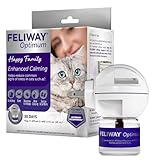
- HELPS REDUCE SIGNS OF STRESS USING A PATENTED PHEROMONE: FELIWAY Optimum is an advanced cat pheromone diffuser that helps reduce signs of stress in cats and helps ease tension between cats.*
- HELPS CATS FEEL CALM IN EVERYDAY SITUATIONS: FELIWAY Optimum is a cat calming diffuser that helps reduce stress‑related behaviors like urine spraying, scratching, hiding, and fearful reactions to change. Cat parents reported noticeable reductions in these behaviors, including a 77% reduction in urine spraying.
- SUPPORTS HARMONY IN MULTI‑CAT HOMES: Helps promote calmer interactions between cats. 72% of cat parents noticed reduced tension between their cats
- SAFE** AND NON-SEDATING: FELIWAY Optimum is not a sedative. It’s safe for use around cats, kittens, people and other pets.
- CONTINUOUS CALMING SUPPORT: This plug‑in cat pheromone diffuser provides 24/7 support when used as directed. To get started, plug into an open outlet with the vents pointed upward, allow at least 4 feet of clearance, and follow the label instructions.
How to understand behavior that feels challenging
Start with the situation rather than the coat. Notice what happens just before the behavior, where it occurs, and what the cat’s body language looks like. A swat, bite, or growl can have different causes, and the right response depends on the trigger.
- Play: Does it happen during energetic play, especially when hands or feet are moving?
- Fear or visitors: Does the cat retreat, hide, hiss, or lash out when people or animals approach?
- Petting or handling: Does the behavior begin after a particular kind of touch or when the cat is picked up?
- Redirected aggression: Does the cat become agitated after seeing or hearing something it cannot reach, then react to a nearby person or animal?
- Space or resources: Does it happen near a resting place, food, another animal, or a particular part of the home?
- Possible pain: Is the behavior new, or does it occur when a particular area is touched or the cat moves?
Cornell University’s guidance describes several possible forms of aggression, including play, fear, petting-induced, redirected, pain-induced, status-induced, and territorial aggression. These categories are a reminder to investigate context—not labels to apply without an assessment.
Recommended Free Tools
Rank #3

- HELPS REDUCE COMMON SIGNS OF TENSION BETWEEN CATS: FELIWAY MultiCat, developed by the #1 vet recommended brand, helps reduce common signs of tension between cats such as: conflict, fighting, chasing, and blocking
- ENHANCED CALM AT HOME FOR MULTICAT HOUSEHOLDS: FELIWAY MultiCat plug-in diffuser uses the science of pheromones to send calming messages that mimic a mother cat’s natural pheromones to help reduce tensions & conflicts. 84% of cat owners saw significant improvement in conflict between cats when using FELIWAY MultiCat
- DRUG FREE & SAFE TO USE: FELIWAY diffusers are drug-free, non-sedating, and while cat pheromone analogs may help your cat, they won't affect humans or other pets
- PROVIDES 4 WEEKS OF CALMING SUPPORT: With just one refill, the diffuser offers up to 30 days of continuous calming benefits, helping your cat feel calmer
- COVERS LARGE LIVING SPACES: Each diffuser covers an area up to 700sqft, ensuring widespread calming support throughout your home for cats of all ages. To get started, simply plug your diffuser into an open outlet with 4+ feet of space to diffuse, with the vents pointed upward
Practical ways to respond
1. Reduce exposure to known triggers
Once you see a pattern, change the situation where possible: give the cat space, keep people or animals apart when needed, and avoid handling that reliably provokes a reaction. Prevention is safer than trying to confront a cat in the middle of an episode. If you are concerned about a bite or other immediate safety risk, prioritize separation and seek veterinary advice.
2. Offer outlets for normal cat behavior
Cats need opportunities to play and explore, climb and perch, feel secure, and scratch. Provide suitable places and activities for those needs. An interactive wand toy can help direct play toward a toy rather than hands; keep play objects away from your hands when redirecting play-related aggression. A scratching post or pad can provide an appropriate scratching outlet. These are general enrichment options, not special requirements for tortoiseshell cats.
Rank #4

- HELPS REDUCE CAT STRESS: FELIWAY Classic is a cat calming diffuser that helps individual cats feel calm and reduce stress behaviors like scratching, urine spraying, and hiding
- CREATES A CALMING HOME ENVIRONMENT: FELIWAY Classic uses calming pheromone messages that cats naturally understand to help them feel comfortable and safe during everyday changes in routine or environment. 9 out of 10 cat parents noticed reduced urine spraying and 8 out of 10 saw reduced scratching
- SAFE* AND NON-SEDATING: FELIWAY Classic is not a sedative. It’s safe for use around cats, kittens, people and other pets.
- CONTINUOUS CALMING SUPPORT FOR SHARED SPACES: Plug‑in cat pheromone diffuser provides 24/7 calming support. To get started, plug into an open outlet with vents pointed upward and allow 4+ ft of clearance, and follow the label instructions.
- #1 VET RECOMMENDED BRAND**: FELIWAY is the #1 vet recommended brand, and is backed by 30 years of feline stress expertise
3. Avoid punishment and confrontation
Do not hit, frighten, or physically punish a cat for aggressive behavior. Cornell and Merck Veterinary Manual guidance caution that confrontational punishment can increase fear or anxiety and may worsen aggression. A safer plan combines preventing predictable triggers with gradual behavior changes suited to the cause.
4. Get veterinary help when the pattern warrants it
Contact a veterinarian if behavior starts suddenly, escalates, risks injury, or continues despite reasonable environmental changes. Pain and other medical problems can affect behavior, and a sudden change should not be dismissed as “attitude.” Persistent or complex concerns may require an in-person evaluation and help from a qualified behavior professional. A veterinarian can help assess whether a medical cause is possible and advise on next steps.
What to expect from behavior treatment
Behavior change takes time and depends on the cause; there is no single intervention for every cat. Merck Veterinary Manual reviewer and veterinary behavior specialist Gary M. Landsberg writes, “Quick fixes or ‘magic pills’ do not exist for behavior problems.” Use professional guidance for a plan tailored to the cat and situation, particularly when safety or a possible health problem is involved.
Quick Recap
Product prices and availability are accurate as of the date/time indicated and are subject to change. Any price and availability information displayed on Amazon at the time of purchase will apply.




