
Do these 3 things before closing this tab:
1Repair Windows errors before they cause bigger problems2Scan for outdated or missing drivers - takes under a minute3Clear out junk files and repair common Windows errorsThe best exotic pet is not the most unusual one; it is the species your household can legally and humanely care for throughout its entire life. Exotic pets are a broad consumer category that includes reptiles, amphibians, small mammals, birds, fish, aquatic animals, invertebrates, and—far more controversially—wild, dangerous, protected, or hybrid animals.
Use the guide below to compare the major groups, identify their non-negotiable needs, and check health, veterinary, financial, and legal requirements before bringing any animal home.
As an Amazon Associate I earn from qualifying purchases.
Exotic pets are not one type of animal or one level of difficulty. The term usually means a non-traditional companion animal other than a dog or cat, but it can describe anything from a hamster, gecko, parrot, aquarium fish, or tarantula to a tiger. Those animals have radically different habitat requirements, risks, legal restrictions, costs, and welfare needs.
The most useful way to compare types of exotic pets is by animal group: reptiles and amphibians, small mammals, birds, fish and other aquatic animals, invertebrates, and wild, dangerous, protected, or hybrid animals. The right choice is not the most unusual animal. It is the species your household can legally and humanely care for throughout its entire life.
#1 Best Overall
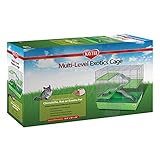
- Ideal habitat for chinchillas, rats and exotic pets
- Multiple levels to climb and play
- Deep base to prevent messes
- Easy assembly for cleaning
- Chew proof locks and wires for added safety
Types of exotic pets at a glance
| Animal group | Examples | What prospective owners must plan for |
|---|---|---|
| Reptiles and amphibians | Snakes, lizards, turtles, tortoises, frogs, and salamanders | Species-specific temperature, humidity, lighting, enclosure security, diet, hygiene, and veterinary care |
| Small mammals | Rats, mice, hamsters, gerbils, guinea pigs, hedgehogs, sugar gliders, rabbits, and some ferrets | Specialized diets, bedding, social needs, enrichment, exercise, grooming, disease prevention, and access to an appropriate veterinarian |
| Birds | Finches, canaries, cockatiels, parrots, and other companion birds | Noise, social interaction, flight-safe housing, enrichment, nutrition, household hazards, lifespan, and avian veterinary care |
| Fish and aquatic animals | Freshwater or marine fish, aquatic invertebrates, and some amphibious species | Water quality, filtration, cycling, temperature, salinity, stocking density, compatibility, disease prevention, and system maintenance |
| Invertebrates | Tarantulas, scorpions, stick insects, mantises, millipedes, beetles, and snails | Correct identification, secure containment, species-specific climate and feeding needs, escape prevention, and any bite, sting, allergen, or legal risks |
| Wild, dangerous, protected, or hybrid animals | Big cats, primates, large crocodilians, venomous species, protected wildlife, and certain hybrids | Specialized facilities, public-safety controls, expert care, permits or prohibitions, insurance issues, and a much higher welfare and containment burden |
What counts as an exotic pet?
In everyday consumer language, an exotic pet is a companion animal outside the conventional dog-and-cat category. It is an editorial grouping, not a single nationwide legal classification. A government agency, veterinarian, insurer, landlord, airline, or local authority may classify the same animal differently.
That distinction matters because exotic does not mean dangerous. A domestically bred guinea pig and a privately kept big cat might both be called exotic in casual writing, but they are not comparable ownership decisions. The first is a small companion mammal with substantial care needs; the second may present serious safety, welfare, containment, and legal problems.
For practical purposes, separate non-traditional animals that are commonly kept as companions from wild or high-risk animals. Reptiles, amphibians, many small mammals, birds, aquarium animals, and some invertebrates may be responsibly kept when their needs are understood and lawful. Wild carnivores, nonhuman primates, big cats, bears, large crocodilians, venomous species, protected wildlife, and some hybrids require a far more cautious analysis and should not be presented as ordinary household pets.
Free tools Windows power users keep installed
One-click scans. No signup required.
1. Reptiles and amphibians
This group includes snakes, lizards, turtles, tortoises, frogs, salamanders, and related species. Their quiet nature and unusual appearance attract many first-time owners, but a quiet animal is not automatically a low-maintenance animal.
What their care involves
- Environmental control: Temperature, humidity, lighting, ventilation, substrate, and enclosure size may all need to be controlled. Requirements can change with species, age, size, health, and life stage.
- Secure housing: The enclosure must prevent escapes and protect the animal from household hazards. A setup that works for a juvenile may be unsuitable once the animal grows.
- Species-specific food: Depending on the animal, food may include live prey, frozen prey, formulated diets, supplements, or carefully balanced plant and animal foods. Feeding logistics and long-term availability should be confirmed before acquisition.
- Water and sanitation: Aquatic turtles and other water-dependent species add tank, filtration, water-quality, and cleaning responsibilities.
- Veterinary access: Locate a veterinarian who is willing and able to treat the exact species before bringing it home.
The Centers for Disease Control and Prevention warns that reptiles and amphibians are more likely than many other pets to carry germs that can make people sick, including Salmonella, even when they appear healthy. Wash hands after handling the animal, its food, or anything in its habitat. Keep habitat items away from food-preparation areas, and do not allow the animal or its supplies to contaminate kitchen surfaces.
Households with children under five, older adults, or people with weakened immune systems should review current CDC precautions carefully and may decide that another type of pet is safer. That is not a judgment about the animal; it is a household-specific health decision.
Do not buy a generic reptile kit and assume it is suitable for every species. A heat source, lamp, enclosure, substrate, or humidity system is useful only when it matches the animal’s documented requirements. A species-specific care reference can help with preparation; an exotic pet care book should supplement, not replace, current veterinary and legal advice.
2. Small mammals
Small mammals commonly kept as pets include rats, mice, hamsters, gerbils, guinea pigs, hedgehogs, sugar gliders, and rabbits. Consumer usage may also include ferrets and other non-traditional companion mammals in this broad group.
Rank #2
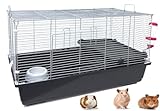
- VERSATILE AND SPACIOUS DESIGN: Stylish and Beautiful With Silver Glossy Metal Wires Painted Frame and Black Heavy Duty Base. 2-Level, Large Size: 31" x 18" x 20"H
- DEEP TUBBY BASE WITH EASY ACCESS: 6.5-Inch Deep Base Offers Extra Room for Exercise and Accessories. Come with 2 Large Entry Doors, One on top and One on the side for easy access of your pets. Come With Easy Carry Handle
- COMFORTABLE AND SAFE PLATFORM: Large Easy Removable and Washable Paw Safe Solid Platform With Safety Twist Knob Closure. Come With Wide Step Ramp
- NARROW WIRE SPACING FOR SAFETY: Tight 3/8-Inch Bar Spacing For Wide Variety of Small Animals Critters; Suitable Habitat for Hamster, Chinchillas, Rats, Mice, Mouse, Gerbil, Ferret, Hedgehog and exotic pets
- EASY SETUP WITH INCLUDED ACCESSORIES: Easy simple assembly with no tools needed; Included a free drinking water bottle and food bowl
The central misconception is that a small body means a simple pet. These animals may need specialized food, carefully chosen bedding, an appropriately designed enclosure, exercise, enrichment, grooming, social contact, temperature control, and veterinary care. Their small size can also make illness difficult to notice until it is advanced.
Important differences within the group
- Rats and guinea pigs: Social needs are part of responsible care. Prospective owners should research appropriate companionship, housing, introductions, and the amount of daily interaction the species needs rather than planning to keep a social animal isolated.
- Hedgehogs and sugar gliders: Their small size can make them look beginner-friendly, but nocturnal activity, handling expectations, diet, specialized housing, and access to a knowledgeable veterinarian can be challenging.
- Rabbits: Rabbits are often treated as cage pets, yet they need adequate space, exercise, enrichment, an appropriate diet, and medical care. A small cage and occasional handling do not meet the full needs of a rabbit.
- Hamsters, gerbils, and mice: Their care still depends on appropriate enclosure design, bedding, enrichment, diet, temperature, and hygiene. Species and individual temperament affect whether handling is enjoyable or stressful.
CDC guidance notes that small mammals can carry germs that make people sick. Wash hands after touching the animal, its food, bedding, cage, or other supplies, and keep those supplies away from areas where food is prepared.
Rodent-related hygiene
Rat-bite fever is associated with contact with rodents. An infected rodent may not look sick, and exposure can involve a bite, scratch, saliva, urine, bedding, a cage, or another contaminated surface. Preventing contact with waste and contaminated materials is important, but any person who develops symptoms after a bite, scratch, or rodent exposure should tell a healthcare professional about the animal contact and seek medical advice.
3. Birds
Birds range from small domestically bred companion species to large parrots and other birds with demanding behavioral and environmental needs. A finch, cockatiel, macaw, and protected native bird are not interchangeable pets.
Questions to answer before choosing a bird
- How much interaction does the species need? Many companion birds are intelligent, social animals. Time outside the cage, training, enrichment, and appropriate social contact may be central to their welfare.
- Can the household manage noise? Vocal behavior can be normal species-typical behavior, not a training failure. Consider neighbors, sleeping schedules, remote work, and other household members.
- Is the home flight-safe? Windows, doors, ceiling fans, other pets, toxic fumes, hot surfaces, electrical cords, and unsafe plants can all create hazards. Housing and supervised exercise need to be planned together.
- Can the household provide the right nutrition? Seed-only feeding or an improvised diet may not meet a bird’s needs. Research the exact species’ diet and supplementation requirements.
- Can the family make a long-term commitment? Some birds can have lengthy lives and may outlive a change in housing, employment, or caregiver. A backup plan matters from the beginning.
- Is an avian-capable veterinarian available? Confirm that a veterinarian is able and willing to treat the specific bird, and identify emergency options before purchase or adoption.
If a bird is imported, wild-caught, native, protected, or otherwise regulated, do not rely on a seller’s statement that it is legal. Current federal, state, and local wildlife rules may apply. The U.S. Fish and Wildlife Service explains that protected wildlife and international movements can require permits, while CDC animal-importation rules may impose public-health requirements.
4. Fish and other aquatic animals
Fish and aquatic invertebrates are often included among exotic pets because they are non-traditional household companions. Their care is different from caring for a terrestrial animal: the aquarium or pond is not decoration but a living environmental system.
The system is the pet’s habitat
- Water chemistry and quality: Research the parameters required by each species and test them consistently.
- Filtration and cycling: A new aquarium needs biological preparation before it is stocked. Filtration capacity, maintenance, and the biological cycle must be understood rather than guessed.
- Temperature and salinity: Freshwater, marine, cold-water, and tropical animals have different requirements. Marine systems add salinity management and often greater equipment complexity.
- Stocking density: The tank’s capacity depends on the adult size, behavior, waste production, swimming needs, and environmental requirements of the animals—not simply how many juveniles fit at the store.
- Compatibility: Species that look attractive together may compete, prey on one another, spread disease, or require incompatible water conditions.
- Maintenance and disease prevention: Water changes, equipment upkeep, quarantine decisions, observation, and treatment planning are ongoing responsibilities.
Before buying any aquatic animal, check its adult size, behavior, water parameters, source, legal status, compatibility, and likely availability of food and veterinary advice. There is no single official husbandry standard that applies to every fish or aquatic invertebrate, so use species-specific references and qualified aquatic-veterinary guidance instead of a universal stocking rule.
Crashes, No Sound, or Screen Glitches?
Random freezes, missing sound and display glitches usually trace back to one bad driver. Find and replace yours safely.Free scan · under a minuteWindows Errors? Fix Them Before They Spread
Repair common Windows errors and clear accumulated junk for a smoother, more stable PC - no reinstall needed.Free scan · no reinstall5. Invertebrates
Invertebrate pets can include tarantulas, scorpions, stick insects, praying mantises, millipedes, beetles, snails, and many other species. Some are primarily observation animals in a carefully controlled enclosure; others have highly specialized humidity, temperature, substrate, or feeding requirements.
Rank #3

- ✔ EASY ACCESS - Pet parents can comfortably access the cage interior through two large entry points – a large front door or large top (roof) door.
- ✔ SECURE - Each door closes with double wire locking clips.
- ✔ SIMPLE ASSEMBLY - Easy snap-on, snap-off wire cage is held firmly in place with 6 clips. Lightweight for easy handling.
- ✔ SMALL PETS - Suitable for small animals, baby ferrets, hedgehogs, guinea pigs, small rabbits, Syrian hamsters, degus, tortoises, larger lizards and more.
Small size does not eliminate responsibility. Before acquiring an invertebrate, establish:
- the exact species identification and adult size;
- the enclosure’s ventilation, humidity, temperature, substrate, and escape-prevention requirements;
- the animal’s feeding schedule and food source;
- whether handling is appropriate or likely to cause stress or injury;
- the consequences of a bite, sting, irritating hairs, venom, or allergen exposure; and
- whether possession, importation, sale, or transport is restricted where you live.
Harmless observation-oriented species should be distinguished from venomous or medically significant animals. Never treat a scorpion, spider, or other potentially dangerous invertebrate as a novelty purchase simply because it is small. Exact identification is especially important when wildlife, importation, or protected-species rules may apply.
6. Wild, dangerous, protected, and hybrid animals
This category should not be lumped together with commonly kept non-traditional pets. Big cats, bears, nonhuman primates, large crocodilians, venomous species, certain wild carnivores, protected wildlife, and some hybrids may involve serious risks and extraordinary care requirements.
The ASPCA warns that wild and exotic animals are often unsuited to family-pet life because private guardians may be unable to provide appropriate living environments, health care, and public-safety controls. The Association of Zoos and Aquariums likewise describes private ownership of big cats, primates, and other wild animals as a serious welfare and safety concern.
Tameness does not remove species-typical behavior. An animal accustomed to people can still have the strength, instincts, territorial behavior, escape ability, disease risks, and space requirements of its species. A secure enclosure, specialist care, and legal permission are not optional upgrades.
Protected wildlife and hybrids
Protected or threatened animals may be subject to conservation rules that have nothing to do with whether an individual animal appears manageable. A permit issued for conservation, scientific, educational, exhibition, or another legally defined purpose is not automatically permission to keep the animal as a pet.
Hybrids require their own investigation. Their legal status, behavior, veterinary support, transport requirements, and insurance eligibility may differ from those of either parent type. Check the exact hybrid, its generation or classification where relevant, and every jurisdiction involved before making a purchase or accepting an animal.
What’s actually slowing this PC down?
Pick the symptom - the matching free tool is one click away.
Health and hygiene considerations
Animal ownership carries health responsibilities for people and animals. The following precautions are especially important for reptiles, amphibians, and small mammals:
Rank #4
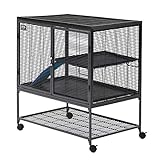
- SPACIOUS HABITAT: Measures 36 x 25 x 38.5 in. with a main level and upper shelf for comfortable living space. The 1/2" horizontal wire spacing safely contains chinchillas, rats, ferrets, sugar gliders & degus while allowing natural climbing behavior.
- DURABLE CONSTRUCTION: Sturdy metal wire design with a gray quartz hammertone finish, Critter Nation resists everyday wear. Complete with removable base pan, textured ramp with cover, and a full-width resting shelf, it's ready for years of use.
- CUSTOMIZE YOUR HABITAT: Height-adjustable design lets you customize the perfect setup for your pet, with a wide expanse shelf and full-width plastic pan floor to maximize play space. Compatible with our Add-On Unit for additional room.
- BUILT FOR DAILY LIFE: Full-width double doors provide maximum accessibility, with a swing-up locking ramp that lets you separate pets or section off areas during cleaning and feeding. Bottom level shelf provides storage area for pet accessories.
- BECAUSE LIFE GOES BETTER WITH PETS: A family-owned business based in Indiana, MidWest Homes for Pets brings over 100 years of pet product expertise and a commitment to quality, rigorous safety testing, and excellent US-based customer service.
- Wash your hands after touching the animal, its food, bedding, cage, tank, enclosure, or habitat supplies.
- Keep habitats, food, bedding, and cleaning equipment away from food-preparation and dining areas.
- Do not kiss animals, put them near your face, or allow them to roam where food is prepared.
- Ask a healthcare professional about household-specific risks if someone is pregnant, very young, older, or immunocompromised.
- After a bite or scratch, monitor for symptoms and tell a clinician about the animal exposure if medical advice is needed.
- Arrange routine veterinary care and retain records of the animal’s species, source, diet, medications, vaccinations where applicable, and health history.
These measures are practical risk reduction, not a reason to panic. They also help owners recognize that an exotic pet’s habitat is part of the household’s health and cleaning routine.
Are exotic pets legal?
There is no universal answer. Legality depends on the exact species, your location, the purpose of ownership, the source of the animal, and how it will be transported. A seller’s availability is not proof that an animal is lawful to possess.
U.S. rules to check
- Federal commercial and welfare rules: The U.S. Department of Agriculture’s Animal and Plant Health Inspection Service says certain regulated businesses may need an Animal Welfare Act license or registration. Its guidance covers categories such as dealers, exhibitors, transporters, and some sellers of non-native or exotic animals, subject to exemptions and the precise facts. This does not provide a blanket answer for private ownership.
- Protected wildlife: The U.S. Fish and Wildlife Service administers rules affecting endangered and threatened wildlife and permits for defined purposes. A conservation or exhibition permit should not be treated as a normal pet license.
- Injurious wildlife: Once a species is listed as injurious wildlife, it generally cannot be imported into or transported between specified U.S. jurisdictions without the required permission. Interstate movement can matter even if possession is allowed in one location.
- Importation and public health: CDC rules may apply to animals capable of carrying zoonotic disease and can involve quarantine, re-export, or other actions. State, airline, and destination requirements may add conditions.
- State and local law: State wildlife agencies, county or city animal-control authorities, and current statutes or ordinances are the places to confirm the exact rule. Restrictions may include species bans, permits, enclosure standards, breeding limits, transport rules, or grandfather provisions.
If you live outside the United States, use the equivalent national wildlife, agriculture, public-health, and local authorities. Laws change, and an online list from a seller or an old social-media post is not a reliable legal determination.
The Tool Desk
Outbyte PC Repair FREEClear out junk files and repair common Windows errorsFree Scan →Outbyte Driver Updater FREEFix the driver behind crashes, sound loss and screen glitchesFind Drivers →Responsible-owner checklist
Complete this checklist before paying a deposit, adopting an animal, or ordering a habitat:
- Identify the animal precisely. Record the scientific name where possible, not just a retail name such as turtle, parrot, frog, or exotic mammal.
- Confirm legality. Check the exact species, state or country, county and city, ownership purpose, source, and transport route. Ask the relevant wildlife authority for written clarification when the rule is unclear.
- Build the habitat first. Confirm enclosure or aquarium size, ventilation, temperature, humidity, lighting, water quality, substrate, cleaning, and escape prevention. Test the setup before the animal arrives.
- Plan the diet. Verify food availability, storage, supplements, live-prey or frozen-prey logistics where relevant, and the cost of feeding as the animal grows.
- Find veterinary care. Find an exotic veterinarian or other qualified non-traditional-pet provider who treats the exact species. Ask about routine appointments, emergencies, after-hours care, travel distance, and referral options.
- Evaluate household fit. Consider children, older adults, immunocompromised people, allergies, other pets, noise, activity schedules, handling expectations, bites, scratches, escape, and zoonotic exposure.
- Calculate lifelong cost. Include the animal, habitat, replacement equipment, food, supplements, routine examinations, emergency treatment, transport, cleaning, boarding, and backup care. Exotic animals may require special environments and can be expensive to treat.
- Plan for change. Decide who will care for the animal during travel, illness, housing changes, or financial difficulty. A cautious owner may also compare the availability and exclusions of exotic pet insurance, but species eligibility, coverage, reimbursement, exclusions, and geography vary.
- Prepare a rehoming plan. Identify a trusted caregiver, qualified rescue, sanctuary, veterinarian, or other appropriate organization. Never release a captive animal into the environment.
Veterinary access, lifespan, and cost
Veterinary care should be confirmed before acquisition, not during the first emergency. The American Veterinary Medical Association’s consumer guidance emphasizes determining whether a veterinarian is able and willing to treat the specific non-traditional pet. A general dog-and-cat clinic may not have the equipment, training, medications, or experience required for a reptile, bird, small mammal, fish, or invertebrate.
Ask the clinic these practical questions:
- Do you treat this exact species?
- Do you provide routine examinations as well as emergency care?
- What should I do after hours?
- Which nearby specialist or emergency hospital accepts this animal?
- What records should accompany the animal?
- Are there species-specific quarantine, nutrition, parasite, or enclosure requirements I should prepare for?
Budget for more than the purchase price. Habitat replacement, heating or filtration equipment, specialized food, supplements, routine examinations, diagnostics, emergency treatment, transport, and temporary care can all continue for years. Some exotic animals also have long lifespans, so the owner’s housing, finances, schedule, and backup caregivers may change while the animal is still alive.
Which exotic pet is best for a beginner?
There is no universally beginner-friendly exotic pet. A species may be quiet or small but still require precise environmental control, specialized food, daily interaction, unusual hours, or a veterinarian who is difficult to reach. Start with the exact species and its adult needs, not a marketing label.
A sensible first choice is one whose legal status, habitat requirements, diet, behavior, veterinary access, costs, and backup plan are all understood before acquisition. If any of those remain unknown, the household is not ready yet.
Best Value

- ✔ EASY ACCESS - Pet parents can comfortably access the cage interior through two large entry points – a large front door or large top (roof) door.
- ✔ SECURE - Each door closes with double wire locking clips.
- ✔ SIMPLE ASSEMBLY - Easy snap-on, snap-off wire cage is held firmly in place with 6 clips. Lightweight for easy handling.
- ✔ SMALL PETS - Suitable for small animals, baby ferrets, hedgehogs, guinea pigs, small rabbits, Syrian hamsters, degus, tortoises, larger lizards and more.
Which exotic pets are quiet?
Many reptiles, amphibians, fish, and invertebrates are quieter than birds, but quiet does not mean easy or inexpensive. An aquarium may require constant water-quality management; a reptile may need carefully controlled heat and humidity; and an invertebrate may still present escape, bite, sting, allergen, or legal concerns. Choose based on the complete care profile rather than noise alone.
Are exotic pets suitable for families with children?
Suitability depends on the exact species, the child’s age, the adults’ ability to supervise, and the household’s hygiene practices. CDC advises particular caution around reptiles and amphibians in households with children under five, older adults, or immunocompromised people. No child should be the sole caretaker of an animal whose welfare depends on adult decisions, money, habitat maintenance, and veterinary care.
What should I do if I can no longer keep an exotic pet?
Contact the backup caregiver, an experienced veterinarian, a qualified rescue, a sanctuary, or another appropriate organization as early as possible. Do not abandon or release the animal outdoors. A captive animal may be unable to survive, may spread disease, or may become an ecological problem; some released species can also create legal and public-safety concerns.
Recommended Free Tools
The best exotic pet is the one you can responsibly keep
Types of exotic pets range from manageable non-traditional companions to wild or high-risk animals that are fundamentally unsuitable for ordinary homes. Before choosing one, verify the law, prepare the habitat, secure the diet, locate a qualified veterinarian, assess household health and safety, budget for lifelong care, and make a backup plan.
The most responsible choice is not the rarest or most visually striking animal. It is the species whose behavioral, environmental, veterinary, financial, legal, and welfare needs your household can meet for its entire life.
Frequently Asked Questions
What exotic pet is best for a beginner?
There is no universally easy exotic pet. Small size or quiet behavior does not eliminate specialized habitat, diet, hygiene, social, or veterinary requirements. Choose only after researching the exact species and confirming that you can provide lifelong care.
Which exotic pets are quiet?
Many reptiles, amphibians, fish, and invertebrates are relatively quiet, but quiet does not mean low-maintenance. Birds may be highly vocal, while aquatic animals and reptiles can require demanding environmental systems.
Quick wins for a faster PC:
Fix the driver behind crashes, sound loss and screen glitchesFind Drivers →Repair Windows errors before they cause bigger problemsFix Now →Are exotic pets suitable for families with children?
It depends on the exact species, the child’s age, adult supervision, and household health risks. CDC recommends particular caution with reptiles and amphibians around children under five, older adults, and immunocompromised people.
What should I do if I can no longer keep an exotic pet?
Do not release it outdoors. Contact a qualified veterinarian, experienced caregiver, rescue, sanctuary, or other appropriate organization and arrange a humane transfer as early as possible.
The Bottom Line
Bottom line: Treat exotic-pet ownership as a species-specific, lifelong responsibility—not a novelty purchase. If the animal’s legality, habitat, diet, veterinary care, cost, or rehoming plan is uncertain, wait before acquiring it.
Quick Recap
Product prices and availability are accurate as of the date/time indicated and are subject to change. Any price and availability information displayed on Amazon at the time of purchase will apply.





Leave a Reply