There is no single sterilization method that suits every veterinary instrument. Choose according to what the device and its packaging can tolerate, how it will be used, and the validated instructions for the instrument, sterilizer, and container system. For a critical instrument that will contact sterile tissue or fluids, the instrument must be sterile at use; when it can tolerate heat and moisture, steam is the preferred method in CDC healthcare guidance.
Start with the instrument and its intended use
First determine whether an item is critical: instruments that enter sterile tissue or the vascular system must be sterile before use. Then check its labeling and the instructions for the instrument, sterilizer, and packaging or container. A method is suitable only if the device and its packaging are compatible with the validated cycle, including any lumen or access requirements.
CDC guidance addresses healthcare facilities generally, not veterinary practice specifically. Apply its technical principles alongside veterinary standards, local requirements, and the device-specific instructions. The CDC’s recommendation to use steam when critical items tolerate it reflects steam’s reliability, consistency, and lethality; it does not make every autoclave cycle suitable for every load.
How the main methods compare
| Method | When it may fit | Tradeoffs and cautions |
|---|---|---|
| Steam autoclave | Common for instruments that tolerate heat, steam, pressure, and moisture. AAHA describes tabletop gravity-displacement units as common in veterinary practice. | Requires direct steam contact and the validated cycle for the item and load. Steam can damage some materials; CDC notes possible corrosion, lubricant combustion, reduced laryngoscope light transmission, and slower plaster hardening. |
| Ethylene oxide (EtO) | A low-temperature option AAHA describes for items that cannot be steam autoclaved, including catheters, implants, saws, cameras, and computers. | AAHA identifies carcinogenic classification and flammability, and stresses training and equipment maintenance. Items must be completely aerated before patient use; AAHA reports 12–24 hours of aeration, but follow the applicable instructions rather than treating that range as universal. |
| Hydrogen peroxide gas plasma | A low-temperature alternative for some instruments that do not tolerate heat and steam. | AAHA says it does not require venting, but not every packaging or material is suitable. Its examples of unsuitable materials include wood, paper, linen, and gauze. Confirm current compatibility for the device and packaging. |
| Air plasma | AAHA reports that some veterinary practices discuss using it, including with endoscopy equipment. | AAHA reports a four-hour cycle. The mechanism and claims about compatibility or consumables in its article are attributed to the manufacturer, Plasmabionics, not presented as independent comparative validation. Check device-specific instructions. |
| Other low-temperature systems | CDC’s general overview identifies peracetic acid and ozone among technologies developed for low-temperature sterilization. | The sources cited here do not establish enough veterinary-specific comparative detail to recommend either for a particular device. Verify regulatory status, device labeling, and validated practice protocols. |
Steam: use the validated cycle, not a remembered setting
Steam sterilization works by exposing each item to direct steam contact at the required temperature and pressure for the specified time. Load configuration, wrapping, sterilizer type, and device design affect the cycle; temperature, pressure, and exposure time are not interchangeable between loads.
#1 Best Overall

- Crafted from premium solid aluminum alloy, this sterilization tray stands up to repeated cycles of high-temperature & high-pressure autoclave disinfection. The sturdy metal structure delivers stable, long-term service life without deformation even under frequent lab sterilization workflows.
- Equipped with precision-sized holes ranging from 0.8mm to 4.5mm, the tray fits a wide variety of lab & veterinary instrument models. It arranges your tools neatly and securely, offering tidy, classified storage to avoid scratches or loss during handling.
- Fully compatible with standard high-temperature high-pressure sterilizers, the tray meets strict industry hygiene standards. It supports automated cleaning and thorough disinfection, keeping your medical instruments sterile and instantly ready for any operation or experiment.
- 3 distinct color variants available for easy set classification. Colors ship randomly per single order, allowing you to separate different instrument kits for quick visual identification in busy laboratory, clinic and veterinary working environments.
- The dense uniform hole layout on the tray’s rear panel maximizes steam flow throughout the disinfection cycle. Full steam penetration ensures every stored tool receives complete, even sterilization, while protecting instrument surfaces from damage.
CDC’s 2023 steam guidance gives examples for wrapped healthcare supplies: 30 minutes at 121°C (250°F) in a gravity-displacement sterilizer, or 4 minutes at 132°C (270°F) in a prevacuum sterilizer. These are illustrative healthcare examples, not universal veterinary protocols. Follow the parameters specified by the instrument, sterilizer, and packaging or container manufacturers.
When an instrument cannot tolerate steam
Consider low-temperature options against device instructions
For a heat- or moisture-sensitive critical item, a low-temperature method may be necessary. EtO and hydrogen peroxide gas plasma are options described in the veterinary practice overview, but suitability depends on the particular device, packaging, and validated process. A method’s general availability does not establish compatibility with a particular instrument or lumen.
Rank #2
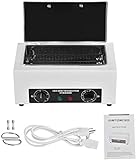
- Adjustable-You can adjust the temperature according to your need and also there is light indicator.
- Feature a rapid-start heating element for fast operation without pressure,steam,or chemicals,unlike wet heat methods,Dry Heat method require no routine cleaning.
- Stainless steel tray construction inside is durable and resistant to rust, the capacity of this Cleaner is 1.5L.
- The temperature can be adjusted from 0°C to 220°C, it will automatically cut off when reaching the max temperature.
Build safety and workflow into the choice
EtO requires more than selecting a cycle: AAHA highlights its carcinogenic classification, flammability, staff-training needs, and machine maintenance. CDC requires complete aeration of EtO-sterilized medical and surgical items before patient use. Use the applicable occupational controls and manufacturer procedures; a general overview is not a substitute for them.
Hydrogen peroxide plasma avoids the EtO aeration step described above, but packaging and material compatibility can rule it out. AAHA lists cellulose-based materials such as paper, linen, and gauze among examples it says are unsuitable. Confirm the current instructions for the exact sterilizer, packaging, and device rather than relying on a broad material label alone.
Free tools Windows power users keep installed
One-click scans. No signup required.
Rank #3

- Remove protective film: It is important to note that several internal light blue protective films must be removed before use, otherwise there will be a smell of plastic burning.
- High-Temperature Dry Heat Sterilization (No Water Needed):Designed for dry heat sterilization, this professional sterilizer disinfects metal tools using high temperature — no water, no steam, no pressure, no chemicals required. A simple and reliable solution for daily hygiene in salons and clinics.
- Upgraded 2L Capacity for More Tools at Once:Larger 2-liter stainless steel chamber lets you sterilize more instruments per cycle, improving workflow efficiency for busy nail salons, tattoo studios, dental offices, spas, and barbershops.
- Adjustable Temperature & Timer Control:Features easy-to-use knobs with adjustable temperature (up to approx. 220°C) and timer settings, allowing customized sterilization cycles for manicure bits, tattoo grips, dental tools, scissors, tweezers, and other metal instruments.
- Durable Stainless Steel Interior:Built with a corrosion-resistant stainless steel chamber and removable tray for fast loading and easy cleaning. Designed for long-term professional use while maintaining hygienic standards.
Use these checks before selecting a process
- Intended use: Establish whether the item must be sterile for its clinical use.
- Device compatibility: Confirm the approved sterilization method, cycle, and any limitations for lumens or components.
- Packaging compatibility: Check that the wrap, container, and load arrangement are approved for the chosen process.
- Cycle and turnaround: Account for the complete process, including aeration where required, not just the machine’s exposure time.
- Material effects: Consider potential damage such as corrosion or degradation of sensitive components.
- Staff and equipment readiness: Ensure operators are trained and equipment is maintained and used under validated protocols, particularly for hazardous or technically demanding methods.
AAHA connects veterinary sterilization practice with its Infection Control, Prevention, and Biosecurity Guidelines and accreditation standards. Its overview describes sterile towels and drapes for major surgeries, separate packs for each procedure, and wrapping packs before sterilization. Because standards can change, consult the current applicable standard text rather than treating this summary as a complete accreditation checklist.
Independent reader supportYour contribution helps us test, update, and keep practical guides available for everyone.Sources and scope
The veterinary practice overview is AAHA’s “Sterilization methods in vet med: Not one size fits all”, published June 17, 2026. General technical principles and the illustrative steam parameters come from the CDC’s Recommendations for Disinfection and Sterilization in Healthcare Facilities, its Steam Sterilization page dated November 28, 2023, and its Sterilization overview. CDC guidance is general healthcare guidance, not a veterinary-specific device protocol.
Quick Recap
Best Value
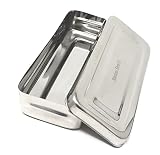
- ✅Practical Design –– The sterilization box features lid, can keep the internal items secure inside and make it easy to transfer/carry them with you anywhere you need. The sterilization box's lid also can prevent internal items from collecting dust and other particles . Curly edge design is turned down slightly, so the sharpness does not scratch your hands
- ✅Wide Application –– Suitable for multiple activities across various professional sectors. It is convenient to store a wide range of laboratory materials, dental instruments, cotton balls, tampon, alcohol swabs, gauze dressings, etc. Also useful in tattoo parlours and salons to store tools and cosmetic procedures.
- ✅Durable under High Temperature & Pressure –– This instrument sterilization box can be reused after being sterilized under high temperature and pressures. Crafted without seams allows for easy cleaning.
- ✅Sturdy & Functional –– Manufactured from AISI 420 German stainless steel, these lab trays are durable, practical, low-maintenance and eco-friendly.
- ✅Manufactured from AISI 420 stainless steel, the product conforms to ISO 9001, ISO 13485, FDA, and other Quality Standards. Enables a high degree of precision and flexibility while conducting delicate tasks. Smooth finish for aesthetic and corrosion resistance prolonging the life span of the product.
Rank #4

- The Smiledt 12L Lighting Autoclave Machine uses 253nm lighting to Less 99.9%—no heat, no burns, no odors. Perfect for delicate tools in laboratories, beauty salons, dental clinics, catering services, and home use.
- Gentle Yet Powerful: lighting without damaging heat-sensitive items (e.g., plastic, silicone, or sharp tools).
- 360° Coverage: Reflective stainless steel interior ensures light reaches every corner—no flipping or reruns needed. Adjustable Timer: Customize cycles (up to 60 minutes) for different needs.
- Real-Time Monitoring: Transparent door lets you observe the process safely.
- Durable & Rust-Proof: High-quality stainless steel construction for long-term use.
Product prices and availability are accurate as of the date/time indicated and are subject to change. Any price and availability information displayed on Amazon at the time of purchase will apply.




