
Do these 3 things before closing this tab:
1Scan for outdated or missing drivers - takes under a minute2Repair Windows errors before they cause bigger problems3Fix the driver behind crashes, sound loss and screen glitchesSome links on this page are affiliate links: if you buy through them we may earn a commission, at no extra cost to you.
Bears come to homes for easy calories and strong food odors. The usual draws are unsecured garbage, pet or livestock feed, bird seed, suet, compost, dirty grills, ripe or fallen fruit, gardens, beehives and poultry. Remove those rewards, lock remaining scented items inside a building or approved bear-resistant container, and put garbage out only on collection morning. A bear that finds food can learn the route back, so every household member—and often every nearby property—must follow the same routine.
Why a bear chooses a house
Wild bears naturally investigate food odors. South Carolina Department of Natural Resources puts it plainly: “Bears will naturally investigate food odors.” A home concentrates calories in places that are easy to reach, predictable and repeatedly replenished. A bear does not need to break into a house to benefit; an open bin, a bowl on a porch or a fallen apple can be enough.
As an Amazon Associate I earn from qualifying purchases.
Free tools Windows power users keep installed
One-click scans. No signup required.
In late summer and fall, the search for food can occupy bears for much of the day. On September 21, 2026, the Florida Fish and Wildlife Conservation Commission reported that bears may spend up to 20 hours a day searching for food as they build body fat for cooler months. That seasonal drive makes outdoor food and odors especially important to control.
One reward can create a return route
North Carolina Wildlife Resources Commission warns that bears feeding on unnatural food around a home may lose their fear of humans. Connecticut DEEP describes two related changes: food conditioning, in which a bear learns that people, houses or neighborhoods provide food, and habituation, in which it becomes less wary of people. After a successful raid, the bear may revisit the same driveway or porch, often at night. Removing the reward consistently is more effective than chasing the bear away after each visit.
Popular on Amazon
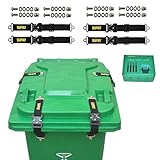
- Animal & Weather Resistant : A practical trash can lock strap that keeps your outdoor bin sealed—helps deter bears, raccoons, squirrels, pets, and gusty wind from opening or tipping the lid. Ideal for home, curbside, camping, and other outdoor use. A simple trash can lock solution for raccoon proof garbage cans and bear proof trash can setups."
- Bite-Resistant & Durable : Made with all-metal hardware and high-strength nylon, these trash can lock straps for animals can withstand chewing, scratching, and clawing from bears, raccoons, squirrels, dogs, and other pets. Designed for all-weather outdoor environments.
- Heavy-Duty X-Box Stitching : Each strap connection is reinforced with X-box cross-stitching, firmly attaching the nylon to metal hooks and locking buckle. This greatly improves tensile strength and tear resistance, making your garbage can lock more durable and long-lasting.
- Easy Installation : Drill a hole with a bit equal to or slightly larger than 8 mm (5/16") and secure the strap using the included screws. The strap length can be adjusted to the optimal position, and once set, it will self-lock without the risk of slipping.
- Universal Fit (28–100 Gallon) : Adjustable from 12.6–16.5 inches, fits most 28–100 gallon trash, recycle, and compost bins. No tools needed—just hook, tighten, and lock for a quick install. A versatile, lockable trash can solution for curbside and backyard use.
The complete attractant inventory
Walk your property at dusk and inspect every place where food, grease or a strong scent could be left outdoors. Include sheds, garages, decks, gardens, chicken areas and vehicles, not just the kitchen bin.
- Garbage, recycling, food scraps and containers that still smell of food.
- Pet food, livestock feed, bird seed, suet and hummingbird nectar.
- Grill grease, barbecue scraps, coolers, cooking equipment and dirty utensils.
- Compost containing meat, grease, oils or other strong-smelling material.
- Ripe or fallen fruit, vegetable gardens, beehives, chicken coops and livestock feed areas.
- Toiletries, cleaning products and other scented household items stored outside.
Garbage and recycling: remove the easiest reward
Best storage choices
Keep cans inside a locked garage, shed or other sturdy building whenever possible. If that is not practical, use a bear-resistant container or dumpster with a secure latch and hard-sided construction. The latch must remain closed between uses; a lid that merely fits tightly is not the same as a locked, bear-resistant closure.
Quick wins for a faster PC:
Repair Windows errors before they cause bigger problemsFix Now →Fix the driver behind crashes, sound loss and screen glitchesFind Drivers →Before buying a container, ask the local waste hauler whether it will service that model. Some haulers require a particular style, pickup location or handling method. A container that cannot be emptied by your provider may force you to leave bags beside it, recreating the attractant.
Timing and preparation
- Keep all food waste and recyclables in the locked building or approved container until pickup day.
- Rinse containers when practical, and wipe residue from the inside and outside of the bin.
- Place the can at the curb on the morning of collection, not the night before.
- Return the empty can to secured storage as soon as collection is complete.
- Ask neighbors to follow the same schedule if bears are traveling through the area.
Do not assume that a bag inside a garage is safe if the garage door is left open. Bears can enter open garages and sheds, and the smell of a bag can draw them from the road.
Pet and livestock food
Feed dogs and cats indoors. Remove bowls immediately after feeding, including water bowls that contain food residue. Outdoor feeding stations, even on a screened porch, can become a predictable scent source.
Store dry kibble, canned food, poultry feed and livestock grain in a bear-inaccessible building or an approved bear-resistant container. Keep bags sealed rather than folded or clipped. Clean spilled grain around barns, coops and feeders; a small spill repeated daily can function like a feeding station.
Windows Errors? Fix Them Before They Spread
Repair common Windows errors and clear accumulated junk for a smoother, more stable PC - no reinstall needed.Free scan · no reinstallCrashes, No Sound, or Screen Glitches?
Random freezes, missing sound and display glitches usually trace back to one bad driver. Find and replace yours safely.Free scan · under a minuteIf an animal must be fed outside, supervise the meal and remove every dish as soon as it finishes. Never leave extra food out “for later.”
Bird and wildlife feeders
Bird seed, suet and hummingbird nectar are common bear attractants. The safest choice in bear range is to remove feeders when bears are active, then clean the pole, tray and ground beneath it. A feeder that is empty but still coated with seed or nectar can continue to smell.
Also popular on Amazon
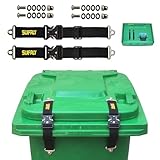
- Animal & Weather Resistant : A practical trash can lock strap that keeps your outdoor bin sealed—helps deter bears, raccoons, squirrels, pets, and gusty wind from opening or tipping the lid. Ideal for home, curbside, camping, and other outdoor use. A simple trash can lock solution for raccoon proof garbage cans and bear proof trash can setups."
- Bite-Resistant & Durable : Made with all-metal hardware and high-strength nylon, these trash can lock straps for animals can withstand chewing, scratching, and clawing from bears, raccoons, squirrels, dogs, and other pets. Designed for all-weather outdoor environments.
- Heavy-Duty X-Box Stitching : Each strap connection is reinforced with X-box cross-stitching, firmly attaching the nylon to metal hooks and locking buckle. This greatly improves tensile strength and tear resistance, making your garbage can lock more durable and long-lasting.
- Easy Installation : Drill a hole with a bit equal to or slightly larger than 8 mm (5/16") and secure the strap using the included screws. The strap length can be adjusted to the optimal position, and once set, it will self-lock without the risk of slipping.
- Universal Fit (28–100 Gallon) : Adjustable from 12.6–16.5 inches, fits most 28–100 gallon trash, recycle, and compost bins. No tools needed—just hook, tighten, and lock for a quick install. A versatile, lockable trash can solution for curbside and backyard use.
If you retain a feeder where local authorities allow it, agencies advise hanging it at least 10 feet above the ground and 10 feet from trees or structures. Those distances reduce access but do not guarantee that a determined bear cannot reach it. Removal remains the safer default once a bear has visited.
You can support wildlife without a food reward by planting appropriate native plants, providing a birdbath where sanitation is manageable, or installing birdhouses. Keep these alternatives away from doors, windows and routes pets use.
Recommended Free Tools
Grills, smokers and outdoor cooking
Clean food scraps and grease after every use. Empty grease traps and wipe the exterior, drip pan and surrounding surface. A grill stored under a cover can still emit odor; the cover is not a bear-proof barrier.
When practical, move the clean grill into a locked garage or shed. Let cooking equipment cool before moving it, and keep charcoal, wood chips and disposable roasting pans secured with other scented items. Do not leave marinades, meat packaging or plates on a patio overnight.
Compost
Use a bear-resistant compost enclosure or place the compost system behind properly installed electric fencing. Avoid meat, bones, grease, oils and other strong-smelling additions. Even plant material can attract bears when it is concentrated in an open pile, so keep the lid or enclosure secured and clean spills promptly.
Ask your municipality or waste service whether a specific compost bin is accepted. A household compost tumbler that is easy for a person to open may not be bear-resistant, and a bear that learns to roll or pry it open will keep testing it.
Fruit, gardens, beehives and poultry
Fruit trees
Pick ripe fruit promptly and remove fallen fruit every day during the season. Do not leave windfall apples, plums or other fruit beneath the tree overnight. Secure harvested fruit indoors rather than in an outdoor shed with an open door.
Vegetable gardens
Where allowed and safe, protect gardens with a properly installed electric fence. Keep vegetation trimmed so the fence remains visible, maintain the energizer and grounding system, and check the enclosure after storms or fallen branches. Follow local rules and manufacturer safety instructions, especially around children, pets and livestock.
Also popular on Amazon

- Heavy-Duty Animal-Proof Protection: Durable double metal claws deliver a firm, secure grip to lock trash cans tight. Effectively blocks bears, raccoons, squirrels and other critters from rummaging through garbage.
- Tight-Sealing Spill-Proof Design: The lock’s snug closure prevents trash spillage even in strong winds or when animals try to pry lids open, keeping your outdoor space neat and clean.
- Adjustable Fit for Most Bins: Straps adjust from 30 to 51 inches, fitting a wide range of trash can sizes. Easy to install and customize for a perfect, stable hold on various bin lids.
- Multi-Scene Versatile Use: Not just for trash cans—ideal for securing luggage and outdoor equipment too. A handy tool for both home outdoor areas and adventure trips.
- Tool-Free Quick Installation: No screws or fasteners required. Set up the adjustable strap lock in minutes without extra effort, saving time and hassle.
Beehives and poultry
Bees, honey, eggs, feed and birds can all reward a bear. Enclose apiaries, chicken coops and livestock areas with properly installed electric fencing or keep animals in closed, bear-resistant buildings. Close coop doors before dusk, secure feed, and remove spilled grain. A fence is a deterrent only while it is energized, grounded and maintained; inspect it routinely rather than treating installation as a one-time task.
Other scented items people overlook
In bear country, treat more than food as an attractant. Store coolers, toiletries, sunscreen, cosmetics, cooking equipment, cleaning products and scented trash in locked hard-sided storage or a bear box. Clean vehicles after camping or hunting trips and do not leave food wrappers in them. Keep windows and doors closed when strong cooking odors are present, particularly overnight.
Choosing equipment for a specific problem
No container or fence is universally suitable. Match the equipment to the attractant, the animal pressure, local rules and the way your waste or land-management provider operates.
| Equipment | What to compare | Questions to answer before purchase |
|---|---|---|
| Bear-resistant trash can or dumpster | Latch strength, hard-sided construction, capacity, odor containment and ease of moving | Will the local hauler service this exact container? Can every household user close the latch correctly? |
| Electric fence | Energizer output, enclosure coverage, grounding, maintenance and safety provisions | Is the layout permitted? Can children, pets and livestock be kept safely away from the wires? Who will inspect it after weather or vegetation growth? |
| Bear box or storage cabinet | Lockability, weather resistance and interior volume | Does the local land manager or agency accept it, and will it hold all food, toiletries and waste between pickups? |
Local wildlife agencies and waste providers may have approved-container lists or additional placement rules. Verify those requirements before relying on a product.
A practical first-day removal plan
- Bring people and pets inside. If a bear is present, do not approach it. Give it an unobstructed exit.
- Remove the immediate reward only when the bear is gone. Move garbage, pet food, bird feeders, coolers and other scents into a locked building or approved container.
- Clean the source. Wash food residue from bins, patios, grills and feeder poles; pick up fallen fruit and spilled feed.
- Change the schedule. Put waste out on collection morning and bring containers back in promptly.
- Inspect secondary locations. Check garages, sheds, vehicles, compost, gardens, coops, apiaries and livestock areas.
- Tell the household and neighbors. One open bin or feeder can reward the same bear after your property is secured.
- Report the encounter. Follow the relevant state, provincial, tribal or local wildlife agency’s instructions for sightings or conflicts.
Making electric fencing work safely
Electric fencing is an option for gardens, compost, beehives, poultry, livestock or garbage areas where it is legal and safe. Proper installation matters more than simply buying a kit.
- Design the enclosure so the bear cannot reach through or climb around it to obtain food.
- Use an energizer and grounding system suited to the enclosure and follow the manufacturer’s installation instructions.
- Keep grass, branches and other vegetation from shorting the wires.
- Inspect the system routinely and after storms, animal contact or maintenance work.
- Post or explain safety rules to children, visitors and workers; keep pets and livestock from unintended contact.
- Use a closed building instead when fencing cannot be kept energized or safely separated from people and animals.
Why removing one item may not solve the visits
Bears learn from success. If garbage is secured but a neighboring bird feeder remains full, the bear may continue using the area and eventually test your property again. The same is true when a family removes a feeder but leaves pet food in a mudroom with an open door.
Coordinate a property-wide plan: no outdoor bowls, no accessible garbage, no food in vehicles, clean grills, secured compost and prompt fruit removal. In neighborhoods, share the schedule with nearby households and ask landlords, visitors and contractors to follow it. Consistency breaks the learned association between homes and food.
Independent reader supportYour contribution helps us test, update, and keep practical guides available for everyone.What to do when a bear is present
Never feed, approach, corner or intentionally attract a bear. Keep children and pets indoors. Stay inside yourself unless local officials direct otherwise, and do not block the animal’s path to cover or an exit route. Do not attempt to remove a container while the bear is feeding.
Also popular on Amazon

- LIDS STAY CLOSED OVERNIGHT: Dual straps secure both sides against pulling and prying, helping keep bears out and trash in the can—not across the yard.
- DUAL SCREW-MOUNTED HOLD: 3000-lb break-strength polyester webbing stays anchored to the cart, resisting shifting when bears pull, pry, or knock the bin over.
- INSTALL ONCE, SECURE IN 3 SECONDS: Screw-mounted straps stay attached to the cart; quick-release buckles lock or release the lid without reattaching straps each day.
- BUILT FOR YEAR-ROUND OUTDOOR USE: 304 stainless steel hardware and weather-resistant polyester webbing withstand rain, UV, snow, and wind for dependable outdoor use.
- FITS MOST 32–96 GAL ROLLING CARTS: Adjustable straps fit common 32, 45, 64, and 96 gal rear-handle carts; check handle structure and fit before drilling.
U.S. Fish and Wildlife Service guidance recommends reporting sightings, encounters and conflicts to state or tribal wildlife agencies. Those agencies can provide area-specific instructions, including whether a bear’s behavior requires an officer response. In bear country, the service also recommends carrying accessible bear spray; learn the local rules and how to use it before an emergency.
When a visit becomes a conflict
Report a bear that repeatedly returns, enters a building, damages property, remains near people, or shows little fear after people are safely indoors. Describe the location, time, behavior, direction of travel and attractants present. Do not attempt to trap, relocate or confront the animal yourself. The mere presence of a bear does not justify trapping, and unauthorized action can increase danger or violate local law.
Recurring-visit troubleshooting
The bear comes back after the garbage is secured
Look for another food source: bird seed on the ground, a dirty grill, compost, fruit, pet food, livestock feed or a neighbor’s unsecured bin. Check that the trash latch is fully engaged and that the hauler has not left bags beside the container.
The bear ignores a bird-feeder height
Remove the feeder. The 10-foot-by-10-foot placement guidance reduces access but is not a guarantee, particularly where branches, roofs or decks provide another route. Clean spilled seed and nectar from the ground.
The bear enters a garage or shed
Move food, coolers, toiletries, feed and garbage into locked hard-sided storage, then keep doors shut. Ask the wildlife agency for guidance on safe re-entry and any required reporting.
The fence stops working
Inspect the energizer, grounding, wire continuity and vegetation. Look for broken insulators, fallen branches, wet debris or gates left open. Keep people and animals clear while servicing the system and follow its safety instructions.
The Tool Desk
Outbyte PC Repair FREERepair Windows errors before they cause bigger problemsFix Now →Outbyte Driver Updater FREEFix the driver behind crashes, sound loss and screen glitchesFind Drivers →Property checklist
- Garbage and recycling are in a locked building or secured bear-resistant container.
- Waste goes out on pickup morning, never the night before.
- Pet and livestock feed is stored indoors or in approved bear-resistant storage.
- Outdoor bowls are removed immediately after feeding.
- Bird and hummingbird feeders are removed during bear activity, and spilled seed is cleaned.
- Grills, grease traps and cooking equipment are cleaned after every use and stored securely.
- Compost excludes meat, grease and oils and is enclosed or protected by electric fencing.
- Ripe and fallen fruit is picked promptly.
- Gardens, beehives, poultry and livestock are in closed buildings or properly installed electric fencing.
- Coolers, toiletries, cleaning products and other scented items are locked away.
- Children and pets know to stay indoors when a bear appears.
- Wildlife-agency contact information is available for reporting sightings or conflicts.
Removing access is the central solution: a bear that finds no food reward has less reason to keep visiting. Secure every attractant, maintain the system daily during active periods, and involve the surrounding household or neighborhood so the bear cannot simply collect its next meal nearby.





Leave a Reply