
Some links on this page are affiliate links: if you buy through them we may earn a commission, at no extra cost to you.
Animal shelters do not follow one nationwide adoption checklist. Depending on the organization, staff may review an application, verify your age and identity, discuss your household and experience, confirm landlord permission, contact veterinary or personal references, and arrange a meet-and-greet with you and any resident pets.
The shelter also assesses the animal’s health and behavior, completes preventive care required by its policy, and explains the medical and behavioral information it has. The exact process reflects local law, available staff, the animal’s needs, and the shelter’s adoption philosophy.
As an Amazon Associate I earn from qualifying purchases.
Recommended Free Tools
What the adopter-side screening can include
An application, survey, or conversation
Some organizations begin with a written application or pre-screen form. Atlantic County requires an approved pre-screen application, while ASPCA NYC uses an adoption survey. Other shelters rely more heavily on a conversation with an adoption counselor. A conversation-based process still examines the same practical issues—your home, schedule, experience, expectations, and ability to provide care—but may not use a long form.
The range is broad. ASPCA guidance says shelter programs vary “from no screening (any animal is available to anyone) to the use of rigid guidelines to screen potential adopters.” It describes conversation-based adoptions as a middle path built on dialogue, trust, and understanding. Therefore, an application is common but not universal.
Popular on Amazon

- Pet Carrier: 17.5” L x 11” W x 11” H, Recommended max load of 16 lbs cats small dogs. Please do not choose your carrier based on weight--please reference your pet's length and height in selecting a pet carrier size.
- Fits for under-seat dimensions of most airlines. Every airline has a specific set of rules and regulations, please contact with airline before flying with your cats small dogs.
- Mesh windows for ventilation, top and side entry with locking zippers for safety. Carrying handles, adjustable shoulder strap which can also be used as seatbelt, and back strap can fasten the pet carrier to your luggage.
- Pet carrier comes with a removable base insert, which creates a solid surface for your pet to stand on, along with a removable & hand washable cozy fleece pet bed, which offers a cozy sleeping space for your traveling cats small dogs.
- "Toys for pets, of textile materials". Mostly used as a Toy of Fabric Pet Home for pets playing and relaxing.
Age, identity, and address
Expect to show government-issued photo identification. Shelters may record your date of birth and confirm that you meet their minimum age. ASPCA NYC requires adopters to be at least 18.
A shelter may also request proof of your current address, such as a lease or utility bill, and the names of adult household members. These checks help staff determine who will share responsibility for the animal and whether the information on the application matches your living situation.
Housing and landlord permission
If you rent, confirm the building’s pet rules before you apply. Humane Society of Utah advises renters to obtain landlord permission and check for possible pet fees. CNYSPCA contacts landlords when applicable. A shelter may ask for written permission, a landlord’s contact details, or documentation showing that the species, number, size, or breed of animal is allowed.
Housing rules can affect timing. If permission is unclear, resolve it before scheduling a final pickup; otherwise, an approved adoption can be delayed or cancelled when the animal cannot legally remain in the home.
Household members and resident animals
Staff may ask who lives in the home, including children and other adults, and how daily care will be divided. They may ask about current dogs, cats, or other animals and whether those pets receive appropriate veterinary care.
Also popular on Amazon

- 𝐂𝐚𝐫 𝐒𝐚𝐟𝐞𝐭𝐲 𝐂𝐨𝐦𝐞𝐬 𝐅𝐢𝐫𝐬𝐭 - Designed as a true cat car seat, this large carrier anchors securely to your vehicle’s seat belt to help keep your pet stable during braking and turns—reducing roaming and driving distraction
- 𝐄𝐬𝐜𝐚𝐩𝐞-𝐏𝐫𝐨𝐨𝐟 𝐟𝐨𝐫 𝐂𝐚𝐭𝐬 - Built with lockable double zippers and an internal safety tether to help prevent cats from pushing openings or jumping out when you open the top/side access
- 𝐋𝐚𝐫𝐠𝐞 𝟏𝟗 𝐱 𝟏𝟐 𝐱 𝟏𝟐 𝐑𝐨𝐨𝐦𝐲 𝐈𝐧𝐭𝐞𝐫𝐢𝐨𝐫 -The large size gives medium cats more space to stretch, turn, and settle—ideal for longer drives, road trips, vet visits and anxious pets who need a calmer ride
- 𝐁𝐫𝐞𝐚𝐭𝐡𝐚𝐛𝐥𝐞 & 𝐂𝐚𝐥𝐦 𝐑𝐢𝐝𝐞 - Multiple mesh panels provide airflow and visibility, while the semi-enclosed soft-sided design creates a secure "den-like" space that helps reduce stress in the car
- 𝐁𝐞𝐬𝐭 𝐟𝐨𝐫 𝐂𝐚𝐫 𝐓𝐫𝐚𝐯𝐞𝐥 (𝐍𝐨𝐭 𝐔𝐧𝐝𝐞𝐫-𝐒𝐞𝐚𝐭 𝐀𝐢𝐫𝐥𝐢𝐧𝐞 𝐒𝐢𝐳𝐞) - This large carrier is designed for car travel and comfort on the road. It is not intended to fit under most airline seats—please check airline size requirements if flying
Depending on the animal and shelter, all household members may be invited to meet the prospective pet. A resident dog may be introduced to the shelter dog on site. These meetings let staff observe basic compatibility and give your family a realistic opportunity to discuss handling, energy level, boundaries, and transition plans before signing an adoption agreement.
Free tools Windows power users keep installed
One-click scans. No signup required.
Veterinary and personal references
Reference checks are used by some shelters, not all. Greene County says it contacts references supplied by applicants, especially when other animals already live in the home. A shelter may seek a veterinary reference, a personal reference, or both. Be ready to provide accurate contact information and to explain any gap in veterinary history rather than assuming that every organization uses the same standard.
Do shelters call your vet or landlord?
They may. Landlord contact is specifically part of the process at CNYSPCA when applicable, and Humane Society of Utah tells renters to verify permission and fees. Greene County describes contacting applicant-supplied references, with particular attention to homes that already contain animals.
Those examples do not establish a universal rule. One shelter may accept a lease or written permission; another may call the landlord; another may ask you to discuss housing during a conversation. The same variation applies to veterinary checks. When you contact a shelter, ask whether it needs a phone number, written authorization, records, or a reference form, and how long verification normally takes.
Is a home inspection required to adopt a dog or cat?
A formal in-home inspection is not a nationwide requirement. Screening practices range from no screening to strict rules, and some organizations use additional home-related approvals while others rely on discussion and an in-person introduction.
Do these 3 things before closing this tab:
1Clear out junk files and repair common Windows errors2Fix the driver behind crashes, sound loss and screen glitches3Repair Windows errors before they cause bigger problemsAlso popular on Amazon
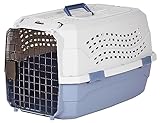
- Hard sided pet carrier with 2 doors for front and top entry; suitable for cat or medium size dog weighing 12 - 20 pounds
- Durable plastic construction with steel wire doors; screws keep the top and bottom sections securely connected
- Spring load latches ensure easy one-handed door opening and closing; top door swings open to the left or right and includes a top carry handle
- Plenty of air ventilation on the sides, top, and back of the carrier
- Note: Be sure to measure the size of the pet when choosing carrier size
Do not assume that “no home inspection” means “no housing review.” A shelter can still require landlord permission, ask detailed questions about the home, or set specific home characteristics for an individual animal. SPCA of Texas explains that every family and animal is unique and that a placement may require particular home conditions. Ask the shelter whether it conducts an in-person visit, requests photos or documents, or handles the assessment entirely at the facility; the answer is organization-specific.
What the shelter checks on the animal
Intake and ongoing health assessment
Association of Shelter Veterinarians guidance says each animal should receive at least a cursory health assessment at intake. Staff or veterinary professionals may continue monitoring the animal while it is in care. Screening tests such as FeLV (feline leukemia virus) and FIV (feline immunodeficiency virus) may be used according to the shelter’s policy, the animal’s species and age, and the circumstances of intake.
A test is not the same as a guarantee of lifelong health. Ask which examinations and tests were completed, on what date, and whether any results are pending or need follow-up with your own veterinarian.
Preventive care before release
Preparation varies with species, age, medical condition, and organizational policy. Common components described by shelter guidance and adoption programs include:
- Spay or neuter surgery, when the animal is old and healthy enough for the procedure.
- Microchipping for identification.
- Age-appropriate core vaccinations.
- Rabies vaccination when required by age, law, or policy.
- Deworming and flea, tick, or other parasite control.
- Additional treatment or monitoring when an examination identifies a medical need.
Ask for the animal’s vaccination dates, microchip number, medication instructions, and the date any follow-up is due. Seattle says adopters receive available medical and behavioral records, while SPCA of Texas explains what staff know and do not know about an animal.
Also popular on Amazon

- Secure Hard-Sided Construction: Designed as a durable pet travel carrier for small dogs and cats, this hard shell pet carrier features four reinforced buckles with optional screws that help keep the top and bottom securely connected during car rides, vet visits and everyday travel.
- Front & Top Entry with 4-Sided Ventilation: Load your pet with ease using dual-door access. Four-sided ventilation allows continuous airflow and better visibility, making this dog and cat carrier more comfortable for road trips and camping.
- Comfortable Travel Essentials Included: The included feeding bowl makes feeding on the go easy, while the raised floor helps separate pets from urine and minor spills, creating a cleaner, more comfortable resting area during travel.
- Sized for Small Pets Up to 20 lbs: This pet carrier offers room for pets to sit, turn and lie down comfortably. Ideal for small dogs, cats, puppies and kittens during daily outings, road trips and veterinary appointments.
- Easy to Carry & Simple to Clean: Made from durable plastic with sturdy steel wire doors and secure locking latches, this travel pet crate is built for repeated use. The foldable handle makes carrying easier, while the smooth surface wipes clean quickly after every adventure.
Behavior, safety, and placement suitability
Shelters may perform a behavioral evaluation and discuss observed behavior with you. SPCA of Texas performs medical and behavioral evaluations and may set home requirements. ASPCA guidance says placement decisions should consider the animal’s medical and behavioral status, the facility’s ability to meet its needs, the likelihood of a successful placement, and public safety.
Behavior information is necessarily limited by the shelter environment. Seattle and SPCA of Texas emphasize sharing available records and explaining that undetected or future medical or behavioral conditions can occur. Ask what staff have observed, what situations have not yet been tested, and what transition or management steps they recommend.
Sterilization and exceptions
Many shelters sterilize animals before release. Exceptions can include very young animals or cases in which surgery would delay a timely placement. In those situations, the organization may use a written agreement or deposit requiring the procedure later. Confirm the exact obligation, deadline, and documentation before taking the animal home.
Why one shelter’s checklist differs from another’s
Local law and organizational policy
Municipal requirements, rabies rules, licensing systems, and shelter policies shape the documents and medical steps required. A shelter serving renters may emphasize landlord verification; another may have a different approval process because of local housing patterns or legal requirements.
Capacity and the animal’s individual needs
Staffing, veterinary access, kennel space, and the number of animals in care influence how quickly checks can be completed. A shelter may request additional information for an animal with medical, behavioral, age-related, or special handling needs. The purpose is to match care requirements with a realistic home, not to apply an identical formula to every adoption.
Also popular on Amazon
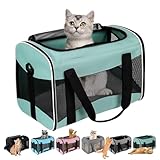
- [PRODUCT DIMENSIONS] Pet travel carrier size : 17x11x11 inches, recommended up to 15 lb pets, it is suitable for large, medium cats and small dogs. Please don't choose your airline cat carrying case based on weight, please refer to your pet's length and height when choosing a pet carrier size.
- [AIRLINE APPROVED] This cat carrier is designed with airline approved, it can fit comfortably under most flight seats, we can take our pets wherever we want. Dog travel carrier offers two attachment loop handles that can be used as a dual harness or as a luggage strap for balanced carry and secure transport.
- [EXCELLENT MATERIAL] Collapsible cat carrier is made of polyester fabric, supported by a steel ring, washable, wear-resistant and durable. The three sides and the top of this pet carrier are nylon mesh, scratch-resistant and not easy to damage, it can not only check your pet in real time, but also ensure enough air circulation.
- [SAFE AND COMFORTABLE] Dog travel bag has metal zippers on the top and side entrances, durable and not easy to deform, it allows your pets to enter and exit easily. The cat carrying case is equipped with an anti-escape safety buckle, which can effectively prevent pets from accidentally falling. It is suitable for car rides and vet rides.
- [PORTABLE AND FOLDABLE] Pet travel carrier comes with a detachable and hand washable wool pet bed, it can provide a comfortable sleeping space for your traveling pet. The cat travel case comes with an adjustable shoulder strap and handle for easy portability. When not in use, you can fold it up for storage.
Adoption philosophy
Some organizations minimize barriers and use open, conversation-based adoptions. Others rely on formal applications, landlord checks, references, or additional approvals. Neither an elaborate form nor a short conversation alone tells you whether a shelter has assessed the important issues; ask what the organization needs to make a safe, informed placement decision.
Independent reader supportYour contribution helps us test, update, and keep practical guides available for everyone.What to bring on adoption day
Prepare the items the shelter specifically requests, plus practical transport supplies:
Quick wins for a faster PC:
Clear out junk files and repair common Windows errorsFree Scan →Fix the driver behind crashes, sound loss and screen glitchesFind Drivers →- Government photo ID and, if requested, proof of address or your lease.
- Landlord permission or the landlord’s contact information if you rent.
- Names and relevant information for adult household members.
- Information about resident pets, including veterinary contact details if references are required.
- Payment in the form the shelter accepts.
- A secure pet carrier for a cat or kitten. ASPCA NYC requires one; you may bring your own or purchase one at the shelter.
- A leash and collar for a dog. SPCA of Texas lists a leash and collar among adoption inclusions, and a secure, properly fitted setup is practical for transport.
Call ahead if you are unsure about acceptable identification, payment methods, carrier dimensions, or whether every household member must attend. Requirements can change by location and animal.
How to prepare before you apply
- Check housing rules first. Read your lease or building rules and obtain landlord permission. Ask about pet fees, species limits, size restrictions, and any required registration.
- Gather identity and address documents. Keep your photo ID, proof of address, and lease available so a document request does not delay the process.
- List everyone and every animal in the home. Note ages, schedules, current pets, and who will handle feeding, exercise, medication, and veterinary visits.
- Contact your veterinarian or references. Tell them a shelter may call and confirm that the contact information you provide is current. If you have no veterinary history, ask the shelter what alternative information it accepts.
- Describe your desired companion honestly. Explain your activity level, experience, work schedule, other animals, and any limitations. A candid conversation helps staff identify an appropriate match.
- Plan introductions and transport. Arrange for household members and resident dogs to attend if the shelter requests it. Bring the required carrier, leash, or collar and prepare a quiet area at home for the animal’s arrival.
What can delay a decision, and how to respond
Delays usually arise when the shelter still needs information or an introduction. Ask staff which specific step remains: an unconfirmed landlord, missing proof of address, a reference call, a resident-pet meeting, a medical question, or a behavior discussion.
Provide the requested document or contact promptly, but do not pressure a shelter to skip a safety step. If the animal’s needs do not fit your household, ask whether another animal, a different transition plan, or a trial adoption is available. Seattle and other organizations may discuss transition needs in detail, and some shelters use trial placements when appropriate.
Questions to ask the shelter before committing
- Which identification, address, and housing documents are required?
- Will you contact my landlord, veterinarian, or personal references?
- Does every household member need to attend, and must resident dogs meet the shelter dog?
- What medical examinations, vaccinations, parasite treatments, microchipping, and disease tests were completed?
- What behavior has been observed, and which situations have not been assessed?
- Will I receive the available medical and behavioral records?
- Is the animal already spayed or neutered? If not, what written agreement or deadline applies?
- What follow-up care, medication, training, or transition support should I plan for?
- What carrier, leash, collar, payment, or other items must I bring?
The reliable approach is to treat any published checklist as a starting point, then confirm the shelter’s current requirements for the specific animal you want to adopt. Screening may be light or formal, but the goal is the same: a lawful, prepared home and an animal whose known needs can be met safely.





Leave a Reply