Quick wins for a faster PC:
Fix the driver behind crashes, sound loss and screen glitchesFind Drivers →Clear out junk files and repair common Windows errorsFree Scan →Scan for outdated or missing drivers - takes under a minuteDriver Scan →Most adult frogs are carnivores, especially insect-eaters, though larger species may also eat fish, crayfish, other amphibians, reptiles, and other animals they can swallow. Tadpoles commonly feed on algae, detritus, and microscopic organisms, while froglets generally switch to tiny live animal prey after metamorphosis.
There is no single frog diet: species, body size, habitat, and life stage all matter. Here is what frogs eat and how their diets differ.
What do adult frogs eat?
Most adult frogs are carnivores, with insects and other small invertebrates making up much of their diet. Typical prey includes:
- Flies and mosquitoes
- Moths and beetles
- Crickets and grasshoppers
- Ants and aphids
- Spiders
- Worms
- Snails and other mollusks
- Other small arthropods
Larger frogs may also eat small fish, crayfish, other amphibians, reptiles, and any suitably sized animal they can swallow. Green frogs, for example, commonly eat moths, snails, and small fish, as well as other prey when available. Animal Diversity Web: Green Frog
What’s actually slowing this PC down?
Pick the symptom - the matching free tool is one click away.
#1 Best Overall

- FEEDER CRICKETS FOR PETS: Premium 3/4 inch banded crickets provide active prey for reptiles, amphibians, birds, bats, and other insect-eating pets; ideal feeder insects for leopard geckos, bearded dragons, tree frogs, pacman frogs, and sugar gliders.
- HIGH PROTEIN ANIMAL NUTRITION: Rich protein food cricket source with natural hydration levels and highly digestible nutrition; supports healthy growth, energy, and feeding response when paired with proper vitamin and gut loading practices.
- LONG STORAGE & HARDY SURVIVAL: Banded crickets last longer than many common feeder cricket species; hardy insects tolerate a wide range of care conditions; excellent colony survival and keeper-friendly maintenance for bulk stock management.
- ACTIVE PREY WITH SOFT EXOSKELETON: Natural hunting enrichment encourages instinctive feeding behaviors; softer shell and exoskeleton improve digestibility; active movement helps attract attention from reptiles, frogs, birds, and other insectivorous animals.
- PACKED FOR TRANSIT & EASY CARE: Securely packed with protective egg crate support during transit; simple container setup with food and hydration essentials helps maintain crickets for weeks; lower odor and quieter than many feeder bugs.
A frog’s diet is usually limited by what it can capture and fit into its mouth, so large species can take a broader range of prey than small ones. Depending on the species, frogs may hunt from ambush or actively search vegetation, leaf litter, water, or burrows. Animal Diversity Web: Strecker’s Chorus Frog; Amphibian Ark husbandry manual
What do tadpoles eat?
Most tadpoles feed on small aquatic foods. Many scrape food from surfaces or filter tiny particles from the water, including:
Rank #2

- 110 live banded crickets per order
- Small size range: approximately 1/4 to 3/8 inch
- Live feeder crickets for insect-eating reptiles, including leopard geckos and bearded dragons; select a size appropriate for your pet
- Natural variation in size and activity is expected with live insects
- Keep in a ventilated enclosure with appropriate food and moisture after arrival
- Algae and diatoms
- Detritus, including decomposing plant material
- Bacteria, protists, and other microscopic organisms
- Biofilm and particles suspended in water
Tadpole diets vary by species. Some eat animal matter, including aquatic invertebrates, frog eggs, or other tadpoles. Mossy frog tadpoles, for example, prey on aquatic invertebrates and smaller tadpoles. Smithsonian’s National Zoo: Mossy Frogs
Sources: ScienceDirect: Tadpole; Smithsonian Research Repository: Tadpoles, Predation and Pond Habitats in the Tropics.
The Tool Desk
Outbyte Driver Updater FREEScan for outdated or missing drivers - takes under a minuteDriver Scan →Outbyte PC Repair FREERepair Windows errors before they cause bigger problemsFix Now →Rank #3

- FEEDER CRICKETS FOR PETS: Premium 3/4 inch banded crickets provide active prey for reptiles, amphibians, birds, bats, and other insect-eating pets; ideal feeder insects for leopard geckos, bearded dragons, tree frogs, pacman frogs, and sugar gliders.
- HIGH PROTEIN ANIMAL NUTRITION: Rich protein food cricket source with natural hydration levels and highly digestible nutrition; supports healthy growth, energy, and feeding response when paired with proper vitamin and gut loading practices.
- LONG STORAGE & HARDY SURVIVAL: Banded crickets last longer than many common feeder cricket species; hardy insects tolerate a wide range of care conditions; excellent colony survival and keeper-friendly maintenance for bulk stock management.
- ACTIVE PREY WITH SOFT EXOSKELETON: Natural hunting enrichment encourages instinctive feeding behaviors; softer shell and exoskeleton improve digestibility; active movement helps attract attention from reptiles, frogs, birds, and other insectivorous animals.
- PACKED FOR TRANSIT & EASY CARE: Securely packed with protective egg crate support during transit; simple container setup with food and hydration essentials helps maintain crickets for weeks; lower odor and quieter than many feeder bugs.
What do froglets eat?
After metamorphosis, froglets generally switch from an aquatic larval diet to live animal prey. Because they are small, they usually eat tiny insects and other small invertebrates such as fruit flies, aphids, mites, and small larvae. As they grow, they can take larger prey. Smithsonian’s National Zoo: Lemur Leaf Frogs; New Zealand Native Frog Captive Husbandry Manual
Do frogs eat plants?
Most adult frogs do not rely on plants as their main food. After metamorphosis, they generally become predators, while tadpoles are more likely to consume algae, plant material, and detritus. Some tadpoles are omnivorous or carnivorous.
Rank #4
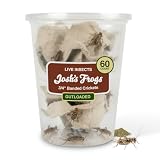
- FEEDER CRICKETS FOR PETS: Premium 3/4 inch banded crickets provide active prey for reptiles, amphibians, birds, bats, and other insect-eating pets; ideal feeder insects for leopard geckos, bearded dragons, tree frogs, pacman frogs, and sugar gliders.
- HIGH PROTEIN ANIMAL NUTRITION: Rich protein food cricket source with natural hydration levels and highly digestible nutrition; supports healthy growth, energy, and feeding response when paired with proper vitamin and gut loading practices.
- LONG STORAGE & HARDY SURVIVAL: Banded crickets last longer than many common feeder cricket species; hardy insects tolerate a wide range of care conditions; excellent colony survival and keeper-friendly maintenance for bulk stock management.
- ACTIVE PREY WITH SOFT EXOSKELETON: Natural hunting enrichment encourages instinctive feeding behaviors; softer shell and exoskeleton improve digestibility; active movement helps attract attention from reptiles, frogs, birds, and other insectivorous animals.
- PACKED FOR TRANSIT & EASY CARE: Securely packed with protective egg crate support during transit; simple container setup with food and hydration essentials helps maintain crickets for weeks; lower odor and quieter than many feeder bugs.
There are exceptions among adults: the Brazilian tree frog Xenohyla truncata has been documented eating fruit, flowers, and nectar. Food Webs: “Between fruits, flowers and nectar”
Independent reader supportYour contribution helps us test, update, and keep practical guides available for everyone.Do frogs eat other frogs?
Yes. Some larger frogs eat smaller frogs, including juveniles of their own or other species. A review documented this behavior among dozens of frog species, particularly large-bodied, generalist predators. Food Webs: Review of post-metamorphic frog-eat-frog predation
Recommended Free Tools
Best Value

- FEEDER CRICKETS FOR PETS: Premium 3/4 inch banded crickets provide active prey for reptiles, amphibians, birds, bats, and other insect-eating pets; ideal feeder insects for leopard geckos, bearded dragons, tree frogs, pacman frogs, and sugar gliders.
- HIGH PROTEIN ANIMAL NUTRITION: Rich protein food cricket source with natural hydration levels and highly digestible nutrition; supports healthy growth, energy, and feeding response when paired with proper vitamin and gut loading practices.
- LONG STORAGE & HARDY SURVIVAL: Banded crickets last longer than many common feeder cricket species; hardy insects tolerate a wide range of care conditions; excellent colony survival and keeper-friendly maintenance for bulk stock management.
- ACTIVE PREY WITH SOFT EXOSKELETON: Natural hunting enrichment encourages instinctive feeding behaviors; softer shell and exoskeleton improve digestibility; active movement helps attract attention from reptiles, frogs, birds, and other insectivorous animals.
- PACKED FOR TRANSIT & EASY CARE: Securely packed with protective egg crate support during transit; simple container setup with food and hydration essentials helps maintain crickets for weeks; lower odor and quieter than many feeder bugs.
Cannibalism can also occur among tadpoles. Cane toad tadpoles, for example, may eat eggs of their own species; some tadpoles become more predatory when food is scarce. Animal Behaviour: Cane toad tadpole cannibalism; Smithsonian Research Repository: Tadpoles, Predation and Pond Habitats in the Tropics
How do frogs catch food?
Many frogs use their vision to detect moving prey and catch it with a rapid tongue strike. Their highly adhesive tongues can wrap around insects during capture. Smithsonian Magazine: Frog tongue research
Some frogs instead grab prey directly with their mouths or leap onto it. Mossy frogs, for example, can jump on prey and push it into their mouths. Smithsonian’s National Zoo: Mossy Frogs
Common misconceptions about frog diets
| Claim | What is actually true |
|---|---|
| All frogs eat insects. | Most adult frogs eat insects or other invertebrates, but large frogs may eat fish, amphibians, reptiles, and other animals. |
| All tadpoles eat algae. | Algae and detritus are common foods, but some tadpoles eat animal prey, eggs, or other tadpoles. |
| Frogs are herbivores because tadpoles eat plants. | Tadpoles and adults often have different diets; metamorphosis commonly brings a shift toward animal prey. |
| Frogs never eat plant material. | Most adult frogs are carnivorous, but documented exceptions include fruit- and nectar-eating species. |
| A frog’s diet can be identified from its name. | Frogs are a diverse group, and feeding habits vary substantially by species and life stage. |
FAQ
Can frogs eat fruit or vegetables?
Most adult frogs do not rely on plants as their main food. A documented exception is the Brazilian tree frog Xenohyla truncata, which eats fruit, flowers, and nectar.
Do these 3 things before closing this tab:
1Fix the driver behind crashes, sound loss and screen glitches2Clear out junk files and repair common Windows errors3Scan for outdated or missing drivers - takes under a minuteDo frogs eat mosquitoes?
Yes. Mosquitoes are among the insects frogs may eat, although their diets also include many other kinds of prey.
Do tadpoles eat other tadpoles?
Some do. Tadpole diets differ by species, and some eat other tadpoles, frog eggs, or aquatic invertebrates.
Quick Recap
Product prices and availability are accurate as of the date/time indicated and are subject to change. Any price and availability information displayed on Amazon at the time of purchase will apply.




