Recommended Free Tools
Trout mainly eat aquatic insects and other aquatic invertebrates. Their diet can also include worms, crayfish, snails, leeches, terrestrial insects, small fish, fish eggs, and occasional amphibians. The exact answer depends on the trout’s species, size, season, and whether it lives in a stream, lake, pond, hatchery, or other managed system.
Trout mainly eat aquatic insects and other aquatic invertebrates. Depending on the species, size, season, and habitat, they may also eat worms, crayfish, snails, leeches, small fish, fish eggs, terrestrial insects, amphibians, and—occasionally—other unusual prey.
As an Amazon Associate I earn from qualifying purchases.
There is no single diet shared by every trout. A young brook trout in a cold stream, a large brown trout in a river, and a stocked rainbow trout living in a lake may be eating very different foods. The most reliable general answer is that trout are opportunistic predators: they take whatever suitably sized prey is abundant, accessible, and worth the energy required to catch it.
What’s actually slowing this PC down?
Pick the symptom - the matching free tool is one click away.
The main foods trout eat
1. Aquatic insects
Aquatic insects are often the most important food for stream-dwelling trout. These include:
#1 Best Overall

- 【FONMANG Essential Fishing Tackle Kit】This 2025 new fishing tackle is designed by professional anglers for beginners. With 126 pieces of fishing gear, including 17 types of fishing lures and 13 kinds of accessories to assemble eight rigs like Texas, jig head, Carolina, and drop shot.
- 【Premium Quality and Unmatched Performance】Our fishing lures are made from high-quality materials, featuring premium bass lures with lifelike 3D eyes and realistic finishes that deliver outstanding performance which is rresistible to bass, trout, bluegill,crappie and walleye. These lures are equipped with sharp hooks and durable stainless steel components, ensuring reliability and effectiveness during your fishing adventures.
- 【Comprehensive Fishing Guide】— The fishing set includes a detailed fishing manual, covering essential fishing techniques on how to rig baits, tips for selecting the best fishing lures for different conditions, help you catch various types of fish in lakes, rivers, and currents, whether in freshwater or saltwater.
- 【Compact and Portable Tackle Box】The fishing tackle box measures just 18cm x 9.5cm x 3cm, making it compact and easy to carry in your fishing bag or backpack. Its adjustable compartments allow for clear organization of your lures, baits, and other fishing gear, ensuring quick and convenient access. It also comes packed with a variety of items, including 1 frog, 1 minnow, 1 lipless crankbait, 4 spinner lures,2 spoons and various types of soft plastic lures.
- 【Perfect Fishing Gift for Men and Anglers】— The FONMANG fishing kit is the ultimate fishing gift for any occasion. With its wide selection of fishing lures, durable components, and thoughtful features, it’s perfect for Father's Day, Valentine's Day, birthdays, or Christmas.
- Mayflies
- Caddisflies
- Stoneflies
- Midges
- Dragonflies and damselflies
- Other aquatic insect larvae, nymphs, and pupae
Trout do not eat these insects only when they are flying above the water. In fact, much of the feeding happens underwater. Mayflies, stoneflies, and caddisflies spend substantial portions of their lives as immature insects in the stream. Trout can eat them while they crawl along the bottom, drift in the current, or rise toward the surface during emergence.
Adult insects are also vulnerable. Trout may take insects as they break through the surface, return to the water to lay eggs, or fall onto the surface after mating. This is why a trout can sometimes be feeding on a mayfly even though the most useful imitation is a submerged nymph rather than a winged adult.
2. Aquatic worms and other invertebrates
Trout also eat many non-insect invertebrates found in streams, rivers, lakes, and ponds. Common examples include:
- Aquatic worms
- Leeches
- Scuds and freshwater shrimp
- Crayfish
- Snails and other mollusks
- Plankton and zooplankton
Crayfish can become especially valuable prey for larger trout because they offer a relatively substantial meal. Trout may also target crayfish shortly after molting, when the new shell is still soft and the animal is less well protected. In lakes and ponds, scuds, shrimp, snails, leeches, and bottom-dwelling invertebrates may be more important than the drifting insects typical of a small stream.
3. Terrestrial insects
Not all of a trout’s food comes from underwater. Land insects frequently become fish food when wind, rain, vegetation, or an accidental misstep puts them in the water. Trout may eat:
- Ants
- Grasshoppers
- Beetles
- Crickets
- Spiders
- Caterpillars and other insects
Overhanging grasses, shrubs, and trees can make a stream particularly productive because they provide both shade and a supply of terrestrial insects. Warm-weather periods can produce noticeable feeding on grasshoppers, ants, beetles, and crickets, especially along meadow streams and the edges of lakes or ponds.
4. Small fish and fish eggs
As trout grow, many are able to capture larger and more energy-rich prey. Larger trout may eat:
- Small minnows and other baitfish
- Sculpins and similar bottom-dwelling fish
- Fish eggs
- Small trout, particularly fry and juveniles
This behavior is more significant in some populations than others. Large brown trout are well known for adding small fish to a diet that may still include aquatic invertebrates. Large rainbow trout living in lakes or reservoirs may also pursue smaller fish. Trout can be cannibalistic, but that does not mean every trout routinely eats other trout; it is a context-dependent behavior linked to prey availability and the fish’s size.
Rank #2

- 【Essential Fishing Tackle Kit】- PLUSINNO's high-quality bait provides beginners with a variety of options, capable of catching nearly any type of fish, from bass to trout. This versatile starter tackle box with tackle include Texas, Carolina, Florida, Split Shot, No Sinker, Jig Head, and Wacky rigs, totaling 7 types of lure rigs. It's the latest fishing gear for 2025, Whether you're targeting bass or other freshwater fish, this 137-piece baits set in a convenient box has everything you need.
- 【Versatile Fishing Accessories】- Our fishing tackle box is equipped with all the essentials for a successful freshwater fishing trip. It includes 1 pencil, 1 VIB, 1 minnow, 2 spinners, 3 spoon baits, 23 soft baits, and more. You'll also receive 20 splits, 15 offset hooks, 5 wacky hooks, 4 Jig Heads, 5 weights and sinkers, and 57 other accessories. With a wide range of fishing stuff, from common fishing lures to accessories, this fishing kit is a reliable choice for anglers across waters.
- 【Stunning Premium Fishing Tackle】- Unlock a superior angling adventure with our premium fishing gear. Meticulously crafted bass lures boast lifelike 3D eyes and ultra-realistic coatings, deceiving even the wariest of fish. Engineered fishing spoons produce irresistible bright flashes, luring your target with ease. Our rigorously tested baits, forged from premium materials, feature sharp hooks and durable stainless steel components, ensuring resilience against repeated saltwater exposure.
- 【Compact Fishing Equipment】- Compact at 6.9x4.7x1.2 inches, this portable tackle box kit effortlessly slips into your seat box or backpack, enabling seamless carrying on every fishing adventure. Its segmented, plastic design allows for easy identification and organized categorization of your bait accessories, eliminating clutter. Suitable for lakes, rivers, ponds, and streams, this versatile tackle kit empowers you to indulge in the joy of fishing at your favorite spots, anytime, anywhere.
- 【Perfect Fishing Gift】- Seeking the ideal present for the angler in your life? The PLUSINNO Fishing Lure Kit is the answer. This comprehensive fishing set includes diverse baits and accessories for all fishing occasions, eliminating extra purchases. Suitable for both experienced and beginner anglers, it's a fantastic gift choice for Father's Day, Valentine's Day, Thanksgiving, Christmas, and more. Practical, high-quality, and portable, this fishing bait kit is sure to impress.
5. Amphibians and unusual prey
When available, trout may eat tadpoles, frogs, and other small amphibians. They are opportunistic enough to take prey that is not normally considered a staple, including small terrestrial animals that fall into the water. An unusual stomach-content record from a brook trout even documented a sub-adult five-lined skink.
Such examples show how flexible trout can be, not what every trout normally eats. Aquatic insects and invertebrates remain the safest description of the typical diet, while frogs, tadpoles, lizards, and other unusual prey are occasional additions.
What do baby trout eat?
Young trout begin with very small prey. Brook trout fry and juveniles may initially feed on plankton and other tiny organisms. As their mouths and bodies grow, they shift toward insect larvae, nymphs, and other small aquatic invertebrates.
Free tools Windows power users keep installed
One-click scans. No signup required.
Size determines what a trout can capture efficiently. A small juvenile may spend much of the day picking tiny drifting organisms from the current, while a large adult can afford to pursue crayfish, baitfish, eggs, or amphibians. Adults do not necessarily stop eating insects; they simply gain the ability to include larger prey when those prey are available.
What trout eat in streams and rivers
Stream trout commonly feed by positioning themselves where the current delivers food. Aquatic insects and other invertebrates are dislodged from rocks, gravel, aquatic plants, sediment, and submerged wood, then carried downstream.
Productive feeding locations often include:
- Riffles, where current continually moves food
- The downstream edges of boulders
- Undercut banks
- Plunge pools and the seams between fast and slow water
- Areas around submerged logs and woody debris
- Shaded banks beneath overhanging vegetation
A trout may hold near the bottom or behind cover, conserving energy while waiting for prey to drift within reach. This feeding strategy explains why aquatic insects can be important even when no insects are visible on the surface.
What trout eat in lakes and ponds
Lake and pond trout often have access to a different menu. Depending on the waterbody, they may eat zooplankton, aquatic insects, bottom-dwelling invertebrates, scuds, shrimp, snails, leeches, crayfish, and small fish.
In a pond that contains no other fish, trout may rely mostly on zooplankton, aquatic insects, worms, crustaceans, and terrestrial insects. In a lake or reservoir with an abundant baitfish population, larger trout may devote more of their diet to fish.
Rank #3
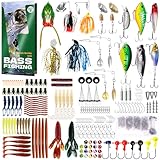
- Catch More Bass, Anywhere in the USA: Designed specifically for bass fishing, our 322 pcs Fishing Lure Kit offers a wide range of fishing accessories. From lifelike animated lures to essential gear, this bass fishing kit is your all-in-one solution for every season and water condition
- A Must-have for Enthusiasts and Beginner: Learn from freshwater fishing experts(Includes 22-Page Bass Fishing Guide)! Our comprehensive guide covers everything from selecting the right bass lure to finding bass and mastering essential bass fishing techniques. Plus, get the TOP 10 Best Bass Fishing Tips!
- 322-Piece Fishing Gear Kit: Includes buzz bait, chatter bait, rubber jig, crankbaits, rip bait, lipless crankbait, whopper plopper, popper, frog lure, spinner bait, spinners, paddle tail swimbait, grubs, plastic worms, jig head, offset hooks, beads, rings, blades, fishing weights, fishing leader, fishing snaps swivels, and tackle box
- Compact and Portable: The double-layer box makes it easy to organize and access your fishing gear. Compact size (7.9 x 4.5 x 2.6 inches) fits perfectly in your fishing tackle box, car trunk or backpack, allowing you to fish anytime, anywhere
- Perfect Gift for Every Occasion: This bass fishing kit is a fantastic gift for beginners or avid anglers. With a wide variety of fishing accessories, it's suitable for any season and water condition. Ideal for Mother's Day, Father's Day, birthdays, Anniversaries, Valentine's Day, Thanksgiving, Christmas, and more
Habitat matters as much as species. A rainbow trout in a productive lake is not necessarily eating the same foods as a rainbow trout in a fast, rocky stream.
How a trout’s diet changes by season and time of day
Trout can feed throughout the day and night, but the opportunities change when prey become active or vulnerable.
Spring and early warm weather
Spring insect activity can create feeding opportunities as aquatic insects mature and begin emerging. High flows may also wash worms and terrestrial insects into the water. The exact timing depends on water temperature, elevation, weather, and local insect populations.
The Tool Desk
Outbyte PC Repair FREEClear out junk files and repair common Windows errorsFree Scan →Outbyte Driver Updater FREEScan for outdated or missing drivers - takes under a minuteDriver Scan →Summer
Warm months can bring abundant mayflies, caddisflies, and other aquatic insects, along with grasshoppers, ants, beetles, and crickets near the banks. Terrestrial insects are especially likely to enter the water during wind or rain and where vegetation overhangs the shoreline.
Autumn
Trout may continue taking aquatic insects and terrestrial insects while also pursuing larger prey. In some waters, spawning activity makes fish eggs available, and larger trout may take advantage of that seasonal food source.
Twilight and nighttime
Some trout, especially larger brown trout in suitable habitats, feed most intensely around twilight and may continue feeding at night. This is not a universal rule for every species or waterbody. Light level, water temperature, predator pressure, and local prey activity all influence when trout feed.
What trout eat in hatcheries and managed ponds
Wild trout find their own food, but hatchery-raised and pond-raised trout may receive formulated feed. The appropriate choice depends on the species, fish size, water temperature, dissolved oxygen, stocking density, and the management system.
Crashes, No Sound, or Screen Glitches?
Random freezes, missing sound and display glitches usually trace back to one bad driver. Find and replace yours safely.Free scan · under a minuteWindows Errors? Fix Them Before They Spread
Repair common Windows errors and clear accumulated junk for a smoother, more stable PC - no reinstall needed.Free scan · no reinstallFormulated trout feeds may be floating or sinking. Floating feed is often useful for managed ponds because the owner can observe whether fish are eating. Feed should be made for the species and life stage being raised, given according to the manufacturer’s instructions, and never added indiscriminately.
Rank #4

- 【Essential Fishing Tackle Kit】- PLUSINNO's high-quality bait provides beginners with a variety of options, capable of catching nearly any type of fish, from bass to trout. This versatile starter tackle box with tackle include Texas, Carolina, Florida, Split Shot, No Sinker, Jig Head, and Wacky rigs, totaling 7 types of lure rigs. It's the latest fishing gear for 2024, Whether you're targeting bass or other freshwater fish, this 137-piece baits set in a convenient box has everything you need.
- 【Versatile Fishing Accessories】- Our fishing tackle box is equipped with all the essentials for a successful freshwater fishing trip. It includes 1 pencil, 1 VIB, 1 minnow, 2 spinners, 3 spoon baits, 23 soft baits, and more. You'll also receive 20 splits, 15 offset hooks, 5 wacky hooks, 4 Jig Heads, 5 weights and sinkers, and 57 other accessories. With a wide range of fishing stuff, from common fishing lures to accessories, this fishing kit is a reliable choice for anglers across waters.
- 【Stunning Premium Fishing Tackle】- Unlock a superior angling adventure with our premium fishing gear. Meticulously crafted bass lures boast lifelike 3D eyes and ultra-realistic coatings, deceiving even the wariest of fish. Engineered fishing spoons produce irresistible bright flashes, luring your target with ease. Our rigorously tested baits, forged from premium materials, feature sharp hooks and durable stainless steel components, ensuring resilience against repeated saltwater exposure.
- 【Compact Fishing Equipment】- Compact at 6.9x4.7x1.2 inches, this portable tackle box kit effortlessly slips into your seat box or backpack, enabling seamless carrying on every fishing adventure. Its segmented, plastic design allows for easy identification and organized categorization of your bait accessories, eliminating clutter. Suitable for lakes, rivers, ponds, and streams, this versatile tackle kit empowers you to indulge in the joy of fishing at your favorite spots, anytime, anywhere.
- 【Perfect Fishing Gift】- Seeking the ideal present for the angler in your life? The PLUSINNO Fishing Lure Kit is the answer. This comprehensive fishing set includes diverse baits and accessories for all fishing occasions, eliminating extra purchases. Suitable for both experienced and beginner anglers, it's a fantastic gift choice for Father's Day, Valentine's Day, Thanksgiving, Christmas, and more. Practical, high-quality, and portable, this fishing bait kit is sure to impress.
Remove or reduce uneaten feed. Decomposing food can reduce water quality and consume oxygen, which can stress or kill fish. Commercial pellets intended for captive trout are not a substitute for the natural diet of wild trout, and feeding wild trout is generally unnecessary and can create water-quality or behavior problems.
How trout’s diet helps anglers choose bait and lures
Trout fishing methods work best when they plausibly represent food that is available in that particular water at that particular time. The useful clues are prey size, shape, color, location, and movement—not simply whether a lure is labeled for trout.
Fly fishing
Artificial flies may imitate:
- Mayfly nymphs and adults
- Caddisfly larvae and adults
- Stonefly nymphs
- Midges
- Grasshoppers, ants, and beetles
- Scuds, leeches, crayfish, minnows, and sculpins
When trout are feeding underwater, a nymph or larva pattern may be more relevant than a dry fly that resembles the adult insect. During a surface hatch, an adult imitation may make sense. A practical assortment of trout fishing flies can include small midge and mayfly patterns, caddis and stonefly imitations, terrestrial patterns, and larger streamers—but no pattern guarantees success in every water.
Do these 3 things before closing this tab:
1Clear out junk files and repair common Windows errors2Fix the driver behind crashes, sound loss and screen glitches3Repair Windows errors before they cause bigger problemsNatural and prepared bait
Depending on local rules, anglers may use worms, minnows, crayfish, grasshoppers, crickets, waxworms, insect larvae, or prepared bait. Check the current regulations for the exact water before fishing. Some jurisdictions restrict live bait, baitfish transport, fish eggs, hooks, seasons, or the use of bait in particular trout waters.
Where legal, trout fishing bait should be matched to the fishery and used responsibly. A bait that is permitted in one stream may be prohibited in another, and regulations can change between seasons.
Spinners, plugs, and jigs
Small spinners, plugs, and jigs can imitate small fish or trigger a predatory response. They are especially relevant when trout are willing to chase moving prey rather than selectively feeding on tiny insects. Small trout spinners and jigs are best chosen according to the water’s depth, current, clarity, and the size of prey present.
Independent reader supportYour contribution helps us test, update, and keep practical guides available for everyone.A simple way to figure out what trout are eating
- Observe the water. Look for surface rises, insects in the air, insects drifting in the current, baitfish, crayfish, and terrestrial insects along the bank.
- Check likely holding water. Trout may feed near the bottom, behind rocks, beside logs, along current seams, or beneath overhanging vegetation.
- Start with the dominant prey. In a stream, that often means an aquatic insect or nymph. In a lake, it may mean zooplankton, a crustacean, or a small fish.
- Match approximate size and profile. An exact color match is usually less important than presenting a believable prey shape at the right scale.
- Change one variable at a time. If fish ignore a pattern, adjust depth, size, speed, or profile rather than changing everything at once.
- Follow regulations. Confirm bait, lure, hook, season, and harvest rules for the specific location before fishing.
Do trout eat bread, regular fish food, or human food?
Those foods do not represent the normal diet of wild trout. Trout are adapted to capture animal prey, especially aquatic insects and invertebrates. Captive trout should receive a species-appropriate formulated feed or a diet prescribed for the facility—not random human food or unverified household fish food.
Quick wins for a faster PC:
Fix the driver behind crashes, sound loss and screen glitchesFind Drivers →Clear out junk files and repair common Windows errorsFree Scan →Scan for outdated or missing drivers - takes under a minuteDriver Scan →Do not feed wild trout simply to attract them. Feeding can pollute the water, create unhealthy concentrations of fish, encourage dependence, and interfere with natural behavior.
Best Value

- 【144+2Pcs Fishing Lures Kit】This fishing tackle box includes crankbaits, minnows, poppers, vibration, soft plastic baits, jig heads, hooks, weights and other fishing accessories. A complete freshwater fishing gear kit for bass, trout, walleye and more.
- 【Realistic Fishing Baits】Designed with 3D eyes, detailed fish patterns and lifelike swimming action, these fishing lures help attract more bites in different water conditions. Great for bass fishing, trout fishing and freshwater fishing trips.
- 【Durable Fishing Lures】Made from corrosion-resistant stainless steel and durable soft plastic materials, these fishing lures and fishing accessories deliver reliable performance in freshwater fishing environments.
- 【Portable Fishing Tackle Box】The compact tackle box keeps fishing gear and fishing accessories organized for easy storage and transport. Perfect for lake fishing, river fishing, pond fishing and travel fishing trips.
- 【Fishing Gifts for Men】A great fishing lures kit for dads, husbands, fathers, beginners and fishing lovers. Ideal fishing gifts for men on Father’s Day, birthdays, Christmas and other special occasions.
Frequently asked questions
Do trout eat other trout?
Large trout can eat trout fry and other small fish, including smaller trout, but this is not the routine diet of every trout. It is more likely when fish prey are available and the predator is large enough to swallow them.
Do trout eat frogs?
Yes, trout may eat frogs and tadpoles when they are available. Amphibians are occasional prey rather than a universal staple.
Do trout eat worms?
Yes. Aquatic worms are natural prey, and worms washed into streams can also be taken. Whether an angler may use worms as bait depends on local fishing regulations.
Do trout eat insects that live on land?
Yes. Ants, grasshoppers, beetles, crickets, spiders, and other terrestrial insects become trout food when they fall or are blown into the water.
What do trout eat in a fish pond?
They may eat zooplankton, aquatic insects, worms, crustaceans, snails, leeches, terrestrial insects, and small fish if those fish are present. Managed ponds may also use species-specific formulated trout feed, but overfeeding can damage water quality and lower oxygen.
Frequently Asked Questions
Do trout eat other trout?
Yes. Large trout may eat trout fry and other small fish when those prey are available, but cannibalism is not a universal or constant part of every trout’s diet.
Do trout eat frogs?
Yes. Trout may take frogs and tadpoles when available, although amphibians are occasional prey rather than a standard staple.
Do trout eat worms?
Yes. Trout eat aquatic worms and may also take terrestrial worms washed into the water. Using worms as bait is subject to local regulations.
What do trout eat in a fish pond?
They may eat zooplankton, aquatic insects, crustaceans, snails, leeches, terrestrial insects, and small fish. Managed ponds may also use species-specific formulated feed, provided overfeeding is avoided.
The Bottom Line
Bottom line: Trout mainly eat aquatic insects and other invertebrates, especially when they are young or living in streams. Larger trout and trout in productive lakes or ponds often add crayfish, crustaceans, small fish, fish eggs, and occasional amphibians. The right diet depends on the trout’s species, size, habitat, season, and locally available prey.
Quick Recap
Product prices and availability are accurate as of the date/time indicated and are subject to change. Any price and availability information displayed on Amazon at the time of purchase will apply.
Quick wins for a faster PC:
Fix the driver behind crashes, sound loss and screen glitchesFind Drivers →Repair Windows errors before they cause bigger problemsFix Now →Scan for outdated or missing drivers - takes under a minuteDriver Scan →



