The Tool Desk
Outbyte Driver Updater FREEFix the driver behind crashes, sound loss and screen glitchesFind Drivers →Outbyte PC Repair FREERepair Windows errors before they cause bigger problemsFix Now →A kitten usually needs veterinary visits every 3–4 weeks from about 6–8 weeks of age until the primary vaccine series is complete—often at or after 16 weeks. Use the chart below to plan appointments, then let your veterinarian adjust it for the kitten’s records, health, vaccine product, lifestyle, and local rabies laws.
First-year kitten vaccination schedule
A kitten usually needs a series of veterinary visits every 3–4 weeks, beginning at about 6–8 weeks of age and continuing until the veterinarian confirms that the primary series is complete—often when the kitten is at least 16 weeks old. The exact calendar depends on the kitten’s age, previous records, health, vaccine product, lifestyle, and local rabies laws.
As an Amazon Associate I earn from qualifying purchases.
| Kitten age | Typical milestone | What to do |
|---|---|---|
| 6–8 weeks | First FVRCP vaccine may be given. | Schedule the first examination promptly. Bring shelter, breeder, rescue, or previous veterinary records. |
| 9–12 weeks | Second FVRCP dose is commonly given 3–4 weeks after the first. The FeLV series may begin as early as 8 weeks, depending on the product and risk assessment. | Ask whether FeLV testing and vaccination are appropriate. Keep the next appointment even if the kitten seems healthy. |
| 12–16 weeks | FVRCP continues every 3–4 weeks. Rabies is commonly given at 12 weeks or later, but the vaccine label and local law control. | Confirm the rabies requirements for your city, county, or state and ask when the vaccination becomes legally valid. |
| 16–20 weeks | Some kittens need a final FVRCP dose during this window because the series is intended to extend through at least 16 weeks. | Do not assume the kitten is fully protected because it has received an earlier injection. Ask the veterinarian to confirm the final primary-series date. |
| About 6 months | A combination-vaccine booster may be considered at 6 months rather than waiting until 1 year. | Ask whether this booster is recommended for your kitten and the specific vaccine product used. |
| 12 months after the initial FeLV series | FeLV revaccination is commonly recommended for cats that remain at exposure risk. | Reassess outdoor access, contact with unknown cats, boarding, fostering, and whether another cat has joined the household. |
| After the first year | FVRCP, rabies, and FeLV boosters follow the product label, local law, and the cat’s individual risk. | Bring the dated vaccine record to each wellness visit and ask which vaccinations are due next. |
Important: This chart is for general education, not a substitute for veterinary care. Your veterinarian should set the schedule using your kitten’s age, prior records, health, vaccine product, lifestyle, and local rabies laws.
What’s actually slowing this PC down?
Pick the symptom - the matching free tool is one click away.
Why kittens need several vaccine doses
Kittens receive maternal antibodies from their mother. Those antibodies help protect them early in life, but they can also interfere with a vaccine for a variable period. Their levels decline gradually rather than disappearing on one predictable date.
#1 Best Overall
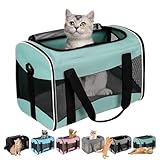
- [PRODUCT DIMENSIONS] Pet travel carrier size : 17x11x11 inches, recommended up to 15 lb pets, it is suitable for large, medium cats and small dogs. Please don't choose your airline cat carrying case based on weight, please refer to your pet's length and height when choosing a pet carrier size.
- [AIRLINE APPROVED] This cat carrier is designed with airline approved, it can fit comfortably under most flight seats, we can take our pets wherever we want. Dog travel carrier offers two attachment loop handles that can be used as a dual harness or as a luggage strap for balanced carry and secure transport.
- [EXCELLENT MATERIAL] Collapsible cat carrier is made of polyester fabric, supported by a steel ring, washable, wear-resistant and durable. The three sides and the top of this pet carrier are nylon mesh, scratch-resistant and not easy to damage, it can not only check your pet in real time, but also ensure enough air circulation.
- [SAFE AND COMFORTABLE] Dog travel bag has metal zippers on the top and side entrances, durable and not easy to deform, it allows your pets to enter and exit easily. The cat carrying case is equipped with an anti-escape safety buckle, which can effectively prevent pets from accidentally falling. It is suitable for car rides and vet rides.
- [PORTABLE AND FOLDABLE] Pet travel carrier comes with a detachable and hand washable wool pet bed, it can provide a comfortable sleeping space for your traveling pet. The cat travel case comes with an adjustable shoulder strap and handle for easy portability. When not in use, you can fold it up for storage.
Repeating FVRCP every 3–4 weeks gives the immune system additional opportunities to respond after maternal protection has waned. That is why a kitten should not be considered finished after one injection, and why the final kitten dose is generally scheduled at or beyond 16 weeks of age.
What the kitten vaccines protect against
FVRCP
FVRCP is the core combination vaccine for kittens. It covers:
- Feline herpesvirus-1, a major cause of feline viral respiratory disease;
- Feline calicivirus, another common respiratory pathogen that can also cause oral disease; and
- Feline panleukopenia virus, a highly contagious and potentially severe disease that particularly threatens kittens.
For kittens vaccinated before 16 weeks, veterinary guidelines generally recommend beginning no earlier than 6 weeks and repeating the vaccine every 3–4 weeks until the kitten is 16–20 weeks old. The later dose matters even when earlier doses were given correctly.
FeLV
FeLV is feline leukemia virus. It is generally treated as a core vaccine for kittens and cats younger than 1 year because young cats are more susceptible to infection.
Rank #2
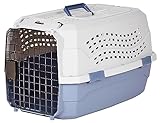
- Hard sided pet carrier with 2 doors for front and top entry; suitable for cat or medium size dog weighing 12 - 20 pounds
- Durable plastic construction with steel wire doors; screws keep the top and bottom sections securely connected
- Spring load latches ensure easy one-handed door opening and closing; top door swings open to the left or right and includes a top carry handle
- Plenty of air ventilation on the sides, top, and back of the carrier
- Note: Be sure to measure the size of the pet when choosing carrier size
The initial FeLV series usually consists of two doses given 3–4 weeks apart, beginning as early as 8 weeks when appropriate for the product and the kitten. A kitten should be tested for retrovirus infection before FeLV vaccination, according to veterinary guidance.
After the initial series, the need for annual or less frequent revaccination depends on exposure. Outdoor cats, cats living with a FeLV-positive cat, and cats that may encounter cats of unknown status generally have a stronger reason to remain vaccinated than strictly indoor cats in a low-risk household. “Indoor-only” does not automatically answer the question: future escapes, boarding, fostering, travel, or a new cat in the home can change the risk.
Rabies
Rabies vaccination is a core preventive measure for cats in the United States, but the timing is controlled by the vaccine label and applicable state or local law. Many cats receive the first rabies vaccine at 12 weeks of age or later. The administering veterinarian must use the licensed product’s instructions and the rules for the jurisdiction where the cat lives.
Crashes, No Sound, or Screen Glitches?
Random freezes, missing sound and display glitches usually trace back to one bad driver. Find and replace yours safely.Free scan · under a minutePC Slower Than It Used to Be?
A free scan shows the junk files, broken settings and background clutter dragging Windows down - then fixes them in one click.Free scan · Windows 10 & 11Ask the veterinarian:
- At what age can this particular rabies product be given?
- When does the local authority consider the kitten legally vaccinated?
- Is the next booster due in one year or at another interval allowed by the product and local law?
- Which certificate should be kept as proof?
In the United States, a cat is generally considered immunized 28 days after an initial rabies vaccination. Booster vaccinations are treated differently under public-health guidance, so do not calculate legal status from a generic internet chart. Use the certificate and instructions supplied by the veterinarian.
Rank #3

- High Quality Design:Sturdy steel cage structure and wooden support board maintain good spatial stability and shape. Breathable mesh windows on four sides,which can ensure good air circulation and views,make pets have a comfortable and safe travel.It can also be easy for you to check on your pets.There is a front pocket to store pet toys,treats,etc.
- Dimension and Weight:Made of durable tear-resistant fabric.Four easy entrances for pets. Dimensions: 17 inch x 11 inch x 11 inch (L*W*H), suitable for pets up to 16 lbs.Please don't choose your carrier based on weight only,consider your pet's length and height when choosing a carrier.
- Airline Approved & Safty:Can be placed under the seats of most airplanes(Four non-slip feet on the bottom to prevent movement), and comfortably on the seat next to you in a car or bus.It has a adjustable shoulder strap.Can also be fastened to the car seat with a safety belt or shoulder strap to keep your pet safe.
- Easy to Clean :You can clean the stains and dirt on the surface with a soft cloth.Soft mat inside the pet carrier is removable and washable.You can take it out and wash it easily to solve all stains.
- Easy to Collapsible & Lightweight:When not in use,fold it into a flat,space saving and easy to store.Only 2.2lbs,it's easier to carry around.It can also used as a toy of pet house,allowing pets to play in a safe space to relax and rest.
Why the schedule may differ for your kitten
Unknown or incomplete records
If there is no reliable vaccination history, the veterinarian may create a catch-up plan rather than simply inserting the kitten into the standard chart. Do not repeat or skip doses based only on an adoption listing, verbal recollection, or an undated note.
Vaccine product and route
Schedules can vary among attenuated-live, inactivated, recombinant, intranasal, and injectable products. The veterinarian must follow the instructions for the exact product, route, and age range. Two vaccines that protect against similar diseases do not necessarily have identical labels or booster requirements.
Current health
The veterinarian should assess illness, immune compromise, retrovirus status, and other clinical considerations before vaccination. Vaccination of very young kittens—particularly those younger than 4 weeks—is generally avoided because of concerns associated with certain vaccine situations and the developing nervous system. A sick kitten may need an individualized plan rather than a routine appointment calendar.
Exposure risk
Tell the veterinarian if the kitten will have outdoor access, live in a multi-cat household, visit a boarding facility, attend shows, travel, enter a foster program, or encounter unfamiliar cats. Shelter and other high-density environments may use earlier or more frequent intake vaccination because exposure risk is higher. Those protocols should not automatically be presented as the default schedule for a kitten living in a private home.
Rank #4

- Pet Carrier: 17.5” L x 11” W x 11” H, Recommended max load of 16 lbs cats small dogs. Please do not choose your carrier based on weight--please reference your pet's length and height in selecting a pet carrier size.
- Fits for under-seat dimensions of most airlines. Every airline has a specific set of rules and regulations, please contact with airline before flying with your cats small dogs.
- Mesh windows for ventilation, top and side entry with locking zippers for safety. Carrying handles, adjustable shoulder strap which can also be used as seatbelt, and back strap can fasten the pet carrier to your luggage.
- Pet carrier comes with a removable base insert, which creates a solid surface for your pet to stand on, along with a removable & hand washable cozy fleece pet bed, which offers a cozy sleeping space for your traveling cats small dogs.
- "Toys for pets, of textile materials". Mostly used as a Toy of Fabric Pet Home for pets playing and relaxing.
Local rabies law
Rabies requirements can differ by state, county, municipality, and jurisdiction. A general chart cannot determine the legally required vaccination age, grace period, certificate, or booster interval for a particular address.
What to bring and ask at every appointment
- Bring every vaccination, adoption, shelter, breeder, and veterinary record you have.
- Ask which vaccine was administered and what diseases it covers.
- Write down the date, product if provided, and the next recommended due date.
- Ask whether the injection was the final dose of the primary FVRCP series.
- Ask whether FeLV testing is needed before FeLV vaccination.
- Confirm the rabies vaccination date, certificate, legal validity, and booster interval for your jurisdiction.
- Explain whether the kitten will be indoor-only, outdoors, boarded, shown, fostered, traveling, or exposed to other cats.
- Ask what signs after vaccination should prompt a call to the veterinary practice.
A kitten vaccination record book can help you organize vaccine dates, veterinarian details, and future appointments. Treat it as an organizational aid only: it does not determine which vaccines a kitten needs and does not replace the veterinarian’s medical record or official rabies certificate. If you also want to track medications, parasite prevention, and routine visits, a cat health record book may be a broader option.
Independent reader supportYour contribution helps us test, update, and keep practical guides available for everyone.After vaccination: what owners should do
Monitor the kitten after vaccination and contact the veterinary practice about concerning or unexpected reactions. The appropriate response depends on the kitten’s clinical signs, health history, and the product administered, so a generic online reaction-treatment protocol is not a safe substitute for veterinary advice.
Keep the clinic’s after-hours contact instructions. If the practice has given you specific monitoring or emergency instructions, follow those instructions rather than relying on a general chart.
Best Value

- AIRLINE APPROVED CARRIER - With airline-approved design, you can take your pet to go to everywhere. This pet carrier provides two connecting loop handles for balanced carrying as a dual seat belt or luggage strap to secure transport
- SAFETY DESIGN - The adjustable shoulder strap help you hands-free carrying and makes it more safe and convenient pet carrier bag for your travel
- DURABLE - This cat carrier is made of durable and lightweight polyester fabric. The four-side mesh will not only give a safe and comfortable travel for your pet, but also easy for you to check on your pet
- PORTABLE & FOLDABLE - This dog carrier is easy to carry and store, which has a padded shoulder strap and handles
- BOTH SIZES AND WEIGHTS - The mediun cat carrier is designed for small and medium pets within 15" x 9" x 9"(smaller than product) and 15 lbs. Please do not choose your carrier only based on weight. Reference your pets' length and height in selecting a carrier size.If carried on board, the maximum dimensions should not exceed 18IN*11IN*11IN.
When is a kitten fully vaccinated?
There is no single answer based only on the number of injections. For FVRCP, the veterinarian generally wants the kitten’s primary series to continue at 3–4-week intervals through at least 16 weeks, with some kittens receiving the final dose as late as 20 weeks. Rabies has its own product and legal timing, and FeLV has a separate two-dose series.
Ask the veterinarian to state plainly:
- which primary series are complete;
- which vaccines are still due;
- when protection is expected to be established; and
- when the next booster or wellness visit should occur.
Bottom line
Book the first kitten examination at 6–8 weeks, continue appointments every 3–4 weeks, and do not stop after the first shot. Most kittens need FVRCP through at least 16 weeks, an individualized FeLV series beginning around 8 weeks when appropriate, and rabies vaccination according to the product label and local law. Keep the veterinary records and let the veterinarian—not a generic chart—finalize the first-year schedule.
Frequently Asked Questions
How many vaccines does a kitten need in the first year?
Most kittens begin FVRCP at 6–8 weeks and receive repeat doses every 3–4 weeks until at least 16 weeks old. Some need a final dose at 16–20 weeks. The veterinarian confirms the exact series.
Does my indoor kitten need the FeLV vaccine?
FeLV vaccination is generally important for kittens and cats younger than 1 year. The usual initial series is two doses 3–4 weeks apart, with testing and ongoing boosters based on exposure risk.
When should a kitten get its first rabies vaccine?
Many kittens receive rabies vaccination at 12 weeks or later, but the product label and state or local law control. Ask the administering veterinarian for the legally valid date and booster interval.
Is a kitten protected after its first vaccine?
No. Maternal antibodies can interfere with early vaccination, so kittens need repeated doses until the veterinarian confirms that the primary series is complete.
The Bottom Line
Use this chart to plan visits, not to prescribe them. Start veterinary care at 6–8 weeks, keep 3–4-week appointments until the primary series is confirmed complete, and verify FeLV and rabies requirements for your kitten’s actual health, lifestyle, vaccine product, and location.
Quick Recap
Product prices and availability are accurate as of the date/time indicated and are subject to change. Any price and availability information displayed on Amazon at the time of purchase will apply.




