A Xoloitzcuintle—also called a Xoloitzcuintli or simply a Xolo—is an ancient Mexican dog breed that comes in both hairless and coated varieties. Xolos are often described as calm, alert, intelligent companions and watchdogs, but an individual dog’s temperament, exercise needs, and care requirements depend on the dog and its environment. The familiar hairless look brings particular attention to sun protection, cold weather, and dental care.
What does “Xoloitzcuintle” mean, and what kind of dog is it?
Xoloitzcuintle, Xoloitzcuintli, and Xolo are names used for the same breed. It is a Mexican companion dog with two coat varieties: hairless and coated. Hairless dogs are the variety most people recognize, but coated dogs are also part of the breed.



Size labels differ between registries, so a “miniature” Xolo is not necessarily the same size category everywhere. The American Kennel Club (AKC) lists toy, miniature, and standard sizes; the Fédération Cynologique Internationale (FCI) uses miniature, intermediate, and standard.
| AKC size | Published height | Published weight |
|---|---|---|
| Toy | 10–14 inches | 10–15 pounds |
| Miniature | 14–18 inches | 15–30 pounds |
| Standard | 18–23 inches | 30–55 pounds |
These are AKC breed-profile ranges, not guarantees for an individual dog. The AKC profile gives a life expectancy of 13–18 years; this is a profile estimate, not a promise of how long a particular Xolo will live. The Canadian Kennel Club describes the Standard Xolo as over 18 inches (47 cm) and up to 22.75 inches (58 cm) at the shoulder.
#1 Best Overall
Where did the Xoloitzcuintle come from?
The Xolo is an ancient Mexican breed with deep Indigenous cultural associations. AKC and FCI accounts connect the name and the dog with Xolotl, an Aztec deity, and describe a tradition in which Xolos helped guide the dead. These are religious and historical traditions, not verifiable explanations of the breed’s biological origins.
There is no settled figure for the breed’s exact age. AKC uses both 5,000 years and 3,000 years in its breed profile, while the Canadian Kennel Club points to clay and ceramic effigies dating back more than 3,000 years. Those claims refer to different kinds of evidence and should not be treated as interchangeable proof of uninterrupted breed continuity. “Ancient Mexican breed” is the more cautious description.
The breed also faced a period of severe decline. AKC reports that an expedition in the mid-1950s found ten identifiable Xolo-like dogs that helped form a foundation for revival. AKC formally recognized the breed again in 2011.
Rank #2
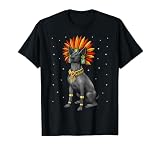
- Xolo Dog Breed design. This Aztec Xolo Dog Xoloitzcuintle design features a Xoloitzcuintli dog.
- This Aztec design features a Xoloitzcuintli dog.
- Lightweight, Classic fit, Double-needle sleeve and bottom hem
What is a Xoloitzcuintle’s temperament like?
Breed descriptions commonly portray Xolos as calm, cheerful, alert, intelligent, and watchful. The FCI standard also notes that they may be suspicious of strangers and describes them as good watchdogs and excellent companions. The Canadian Kennel Club similarly says the Standard Xolo can be aloof toward strangers.
Do these 3 things before closing this tab:
1Scan for outdated or missing drivers - takes under a minute2Clear out junk files and repair common Windows errors3Fix the driver behind crashes, sound loss and screen glitchesThese are descriptions of the breed, not guarantees about every dog. Early socialization helps a puppy learn to handle people and everyday situations, while consistent training and clear boundaries help establish good habits. Puppy classes can provide structured practice. Ask a breeder or rescue about the specific dog’s behavior and experiences rather than relying on a breed label alone.
How much exercise and training does a Xolo need?
Exercise needs vary with a dog’s size, age, health, and personality. The Canadian Kennel Club says Standard Xolos need daily exercise and regular walks. AKC recommends walks and upbeat play, noting that young dogs need substantial exercise and structured activity.
- Plan regular walks and play that suit the individual dog’s age and fitness.
- Use consistent, reward-based training and clear household boundaries.
- Introduce the dog to people, places, and ordinary experiences in a positive, manageable way.
How do you care for a hairless Xoloitzcuintle?
Protect skin from sun and cold
Hairless Xolos have less natural protection from the elements, so consider direct sun exposure and cold weather when planning time outdoors. AKC recommends sunscreen for prolonged direct sun exposure, and the Canadian Kennel Club mentions sunscreen in summer. Ask your veterinarian which product is appropriate for your dog; the available guidance does not establish a particular brand or active ingredient.
In colder weather, a well-fitting dog sweater or coat may help keep a hairless Xolo comfortable. The Canadian Kennel Club says sweaters are needed in colder winter months, but clothing should be chosen according to the actual weather and the individual dog rather than treated as a year-round rule.
PC Slower Than It Used to Be?
A free scan shows the junk files, broken settings and background clutter dragging Windows down - then fixes them in one click.Free scan · Windows 10 & 11Outdated Drivers Are Slowing You Down
One free scan finds every outdated or missing driver and matches the right update for your exact hardware.Free scan · exact hardware matchKeep up with skin care
AKC says adult hairless Xolos require minimal grooming, while younger dogs may develop adolescent acne and need additional skin care. If you notice persistent irritation or other skin changes, ask a veterinarian for advice rather than assuming a home treatment is suitable.
Rank #4

- This Vintage Xoloitzcuintli Howling to the Moon Meme 90s art design is perfect for Xolo mom, Xoloitzcuintle dad, dog mama, and dog lovers.
- This Retro Funny Xoloitzcuintli 90's Graphic is perfect for Xoloitzcuintli owner on Mother's Day, Father's Day, Halloween Night, Birthday or Christmas.
- Lightweight, Classic fit, Double-needle sleeve and bottom hem
Brush teeth and discuss dentition with a veterinarian
Hairlessness is genetically associated with incomplete dentition in the hairless variety. The FCI standard says the hairless variety’s teeth are nearly always incomplete, while the coated variety has a full coat and full dentition. AKC recommends frequent tooth brushing with toothpaste made for dogs. Ask a veterinarian to assess your individual Xolo’s teeth and advise you on dental care.
How do you care for a coated Xolo?
The coated variety has a short, dense, flat coat, according to the Canadian Kennel Club. AKC says coated Xolos need only occasional brushing. The FCI standard describes the coated variety as having full dentition, unlike the incomplete dentition often associated with hairless dogs; individual dogs still need routine dental care.
Independent reader supportYour contribution helps us test, update, and keep practical guides available for everyone.What health checks and routine care should owners consider?
AKC describes Xolos as generally healthy and lists patella, hip, cardiac, and ophthalmologist evaluations among the breed club’s recommended health tests. These are useful topics to raise with a breeder; they are not predictions that a particular dog will develop a condition. Ask which evaluations have been completed and request the results or documentation.
The Tool Desk
Outbyte Driver Updater FREEScan for outdated or missing drivers - takes under a minuteDriver Scan →Outbyte PC Repair FREERepair Windows errors before they cause bigger problemsFix Now →For a dog already in your care, AKC’s routine-care guidance includes regular veterinary checkups, parasite control, nail trimming, ear checks, age-appropriate nutrition, weight monitoring, and access to fresh water. Tailor preventive care and feeding to your veterinarian’s advice and your dog’s needs.
What should you compare when choosing a Xolo?
When considering a puppy or adult dog, compare the details that will affect daily life rather than choosing on appearance alone:
Quick Recap
- Size: Check the registry’s size terminology and the expected adult range for the dog you are considering.
- Coat variety: Hairless and coated dogs have different skin and grooming needs; hairlessness is also associated with incomplete dentition.
- Individual temperament: Ask how the dog responds to strangers, handling, other animals, and everyday activity.
- Activity and training: Discuss the dog’s exercise needs, socialization, and training history.
- Health documentation: Ask a breeder about the breed club’s recommended evaluations and request available results.
Product prices and availability are accurate as of the date/time indicated and are subject to change. Any price and availability information displayed on Amazon at the time of purchase will apply.




