Addison’s disease in dogs is inadequate adrenal hormone production, usually involving cortisol and sometimes aldosterone. The deficiency can cause vague, recurring signs such as poor appetite, vomiting, diarrhea, weakness, and weight loss, or progress to a life-threatening Addisonian crisis requiring immediate emergency veterinary care.
Addison’s disease is also called hypoadrenocorticism. The condition cannot be diagnosed from symptoms or breed alone, but understanding how it affects the body can help owners recognize when veterinary evaluation—or emergency care—is needed.


Key takeaways
- Addison’s disease in dogs, also called hypoadrenocorticism, occurs when the adrenal glands do not produce enough cortisol and sometimes not enough aldosterone.
- Signs such as poor appetite, vomiting, diarrhea, weakness, weight loss, shaking, and increased thirst can come and go and do not diagnose Addison’s disease by themselves.
- An Addisonian crisis can cause collapse, shock, dangerous electrolyte changes, abnormal heart rhythms, or inability to stand and requires immediate emergency veterinary care.
- The ACTH-stimulation test is the definitive diagnostic test; a low baseline cortisol alone cannot confirm Addison’s disease.
- With correctly prescribed lifelong hormone replacement and monitoring, many dogs have a good to excellent long-term outlook.
What is Addison’s disease in dogs?
Addison’s disease in dogs is inadequate adrenal hormone production, usually involving cortisol and sometimes aldosterone. Cortisol helps the body respond to stress and maintain metabolism, while aldosterone helps regulate sodium, potassium, fluid balance, and blood pressure. Hormone deficiency can cause vague, recurring illness or suddenly become life-threatening.
The disease is also called hypoadrenocorticism. The adrenal glands are small paired organs located near the kidneys. Their outer layer, called the adrenal cortex, produces glucocorticoids such as cortisol and mineralocorticoids such as aldosterone. Damage to that cortex can leave a dog unable to make enough of one or both hormones. Cornell University’s overview of canine Addison’s disease explains why the condition can affect multiple body systems at once.
Recommended Free Tools
#1 Best Overall

- "COMPLETE MEDICAL RECORDS FOR DOGS & PUPPIES: Comprehensive health record booklets designed to track vaccinations, deworming, exams, and treatments. Ideal for maintaining organized, accurate medical histories for individual dogs or entire litters."
- 25 INDIVIDUAL BOOKLETS PER PACK: Includes 25 separate health records, making it easy for breeders, shelters, rescues, or clinics to document care for multiple pets. A convenient, cost-effective option for professional use."
- CLEAR, CUSTOMIZABLE FORMAT FOR EASY RECORDING: Each booklet includes clearly labeled sections for vaccines, dates, and notes. Simple, organized design allows pet owners and professionals to record information quickly and legibly at home or during vet visits."
- PORTABLE & DURABLE DESIGN: Compact size fits easily into travel folders, puppy packets, or veterinary files. Sturdy paper stock ensures each record withstands handling over time, ideal for breeders and adopters."
- IDEAL FOR PET OWNERS, BREEDERS & CLINICS: A must-have tool for dog owners, shelters, veterinarians, and groomers to track a pet’s complete health history. Simplifies communication between caregivers, adopters, and clinics."
Primary Addison’s disease usually results from damage to or immune-mediated destruction of the adrenal cortex. Secondary Addison’s disease results from inadequate stimulation by the pituitary gland. Long-term steroid exposure followed by abrupt steroid withdrawal can also cause iatrogenic hypoadrenocorticism. The cause matters because the missing hormones and treatment plan can differ.
How does Addison’s disease affect a dog’s body?
Addison’s disease affects a dog by removing hormonal support needed for stress responses, blood chemistry, circulation, and normal energy use. Cortisol deficiency can contribute to lethargy, poor appetite, weakness, gastrointestinal signs, and an inability to respond normally to physical stress. Aldosterone deficiency can cause sodium loss, potassium retention, dehydration, low blood pressure, and problems with heart function.
Veterinarians commonly distinguish between classic and atypical Addison’s disease:
| Form | What is deficient | Typical laboratory pattern | Important consideration |
|---|---|---|---|
| Classic Addison’s disease | Cortisol and mineralocorticoids may both be deficient | Low sodium and high potassium may occur, along with dehydration and other abnormalities | The electrolyte changes can raise suspicion, but they do not prove the diagnosis |
| Atypical Addison’s disease | Cortisol deficiency without obvious mineralocorticoid deficiency at first | Electrolytes may appear relatively normal | Mineralocorticoid deficiency can develop later, so continued electrolyte monitoring remains important |
Atypical Addison’s disease is not a harmless version of the condition. A dog with initially normal electrolytes can still be seriously ill and may later develop mineralocorticoid deficiency.
Free tools Windows power users keep installed
One-click scans. No signup required.
What are the signs of Addison’s disease in dogs?
The signs of Addison’s disease in dogs are often vague, intermittent, and shared by many other illnesses. Possible signs include:
- Unusual tiredness or lethargy
- Poor appetite or refusal to eat
- Vomiting
- Diarrhea
- Weight loss
- Weakness or reduced exercise tolerance
- Trembling or shaking
- Dehydration
- Increased thirst and urination
- Repeated episodes that improve temporarily and then return
Cornell University College of Veterinary Medicine calls Addison’s disease “the great pretender” because its clinical signs can mimic those of many other diseases. The description appears in Cornell’s canine Addison’s disease guide.
No single symptom proves that a dog has Addison’s disease. Vomiting and diarrhea, for example, can result from dietary indiscretion, infection, pancreatitis, parasites, obstruction, kidney disease, liver disease, or other conditions. Addison’s disease becomes more concerning when unexplained or recurring signs occur alongside compatible bloodwork, dehydration, weakness, or relevant medication history. Only veterinary testing can confirm or exclude the disease.
What is an Addisonian crisis, and when is it an emergency?
An Addisonian crisis is a sudden, severe deterioration caused by inadequate adrenal hormones. An Addisonian crisis is a life-threatening emergency, not a condition to observe at home.
Outdated Drivers Are Slowing You Down
One free scan finds every outdated or missing driver and matches the right update for your exact hardware.Free scan · exact hardware matchWindows Errors? Fix Them Before They Spread
Repair common Windows errors and clear accumulated junk for a smoother, more stable PC - no reinstall needed.Free scan · no reinstallIf a dog with suspected or known Addison’s disease suddenly becomes very weak, repeatedly vomits, has severe diarrhea, collapses, or cannot stand, contact an emergency veterinarian immediately. Do not substitute oral fluids, food, supplements, or leftover steroids for emergency veterinary care, and do not delay transport while trying to identify the cause at home.
A dog in crisis may develop profound weakness, dehydration, low blood pressure, hypovolemic shock, severe sodium and potassium disturbances, low blood glucose, abnormal heart rhythms, collapse, or inability to stand. Severe hyperkalemia, meaning dangerously high blood potassium, can interfere with cardiac conduction.
| Stable or recurring illness | Possible Addisonian crisis |
|---|---|
| Intermittent lethargy, poor appetite, weight loss, vomiting, diarrhea, or weakness | Sudden profound weakness, collapse, or inability to stand |
| Signs may temporarily improve and then recur | Repeated vomiting or severe diarrhea with rapid dehydration |
| Veterinary appointment and diagnostic testing are needed | Immediate emergency assessment is needed for circulation, glucose, electrolytes, and heart rhythm |
Emergency veterinary treatment may include intravenous fluids, glucose correction, glucocorticoids, anti-nausea and gastrointestinal support, and close monitoring of blood pressure, electrolytes, and cardiac status. A dog can recover from an Addisonian crisis when treatment is prompt and the underlying hormone deficiency is subsequently managed, but untreated crisis can be fatal. Merck Veterinary Manual’s discussion of Addison disease in animals describes the condition’s emergency risks and treatment principles.
How do veterinarians diagnose Addison’s disease in dogs?
Veterinarians diagnose Addison’s disease by combining a dog’s history, physical examination, medication history, routine laboratory results, and hormone testing. The workup commonly begins with a complete blood count, chemistry panel, and urinalysis.
Findings that may increase suspicion include low sodium, high potassium, a low sodium-to-potassium ratio, dehydration, low blood glucose, low albumin, low cholesterol, and sometimes mild to moderate ionized hypercalcemia. These findings are suggestive rather than definitive. Some dogs, especially dogs with atypical Addison’s disease, may not have the classic electrolyte pattern.
Why is the ACTH-stimulation test used?
The ACTH-stimulation test is the definitive test used to assess whether the adrenal glands can produce cortisol. The veterinarian measures a baseline cortisol concentration, administers synthetic adrenocorticotropic hormone (ACTH), and measures cortisol again after stimulation. A dog with Addison’s disease typically shows minimal or no cortisol increase. VCA describes the ACTH-stimulation test as the most definitive diagnostic test for Addison’s disease.
Rank #3
According to Merck Veterinary Manual (2024), a post-ACTH cortisol concentration below the laboratory reference interval—commonly less than 2 mcg/dL—supports a diagnosis of Addison’s disease. Merck also states that a baseline cortisol concentration above 2 mcg/dL can effectively rule out hypoadrenocorticism, while a low baseline cortisol concentration alone cannot confirm the disease.
Testing protocols and interpretation can vary by laboratory and clinical situation. Cornell’s canine adrenal and pituitary testing protocol describes collecting a baseline sample, giving synthetic ACTH, and collecting a post-injection sample, commonly one hour after Cortrosyn administration. An owner should not interpret one cortisol value, sodium result, potassium result, or sodium-to-potassium ratio as a diagnosis without the veterinarian’s full assessment.
Quick wins for a faster PC:
Repair Windows errors before they cause bigger problemsFix Now →Scan for outdated or missing drivers - takes under a minuteDriver Scan →Clear out junk files and repair common Windows errorsFree Scan →What treatment does a dog with Addison’s disease need?
Treatment replaces the adrenal hormones a dog cannot adequately produce. Addison’s disease generally requires lifelong prescription management rather than a one-time cure. A stable dog may receive an injectable mineralocorticoid such as desoxycorticosterone pivalate (DOCP) together with an oral glucocorticoid such as prednisone. Another option is oral fludrocortisone, which has mineralocorticoid and some glucocorticoid activity; some dogs receiving fludrocortisone still need additional glucocorticoid supplementation.
| Replacement approach | Hormone support | What owners should understand |
|---|---|---|
| DOCP plus an oral glucocorticoid | DOCP provides mineralocorticoid replacement; the oral glucocorticoid provides cortisol replacement | Injection timing, oral medication, and electrolyte monitoring are individualized by the veterinarian |
| Oral fludrocortisone | Provides mineralocorticoid and some glucocorticoid activity | Additional glucocorticoid supplementation may still be needed |
The veterinarian chooses the product, dose, interval, and combination for the individual dog. Owners should never start, stop, split, or change prednisone, DOCP, fludrocortisone, or another steroid without veterinary direction. During illness, injury, surgery, or another stressful event, a veterinarian may need to give specific instructions about glucocorticoid support. Abruptly stopping long-term steroids can also contribute to iatrogenic hypoadrenocorticism.
Overtreatment can cause problems as well. Merck lists increased thirst and urination, panting, increased appetite, and increased susceptibility to infection among possible signs associated with excessive glucocorticoid treatment. These signs require discussion with the prescribing veterinarian, not independent dose changes.
How is Addison’s disease monitored for life?
Long-term monitoring checks whether hormone replacement is adequately supporting the dog without causing excessive treatment effects. Monitoring commonly includes appetite, energy, vomiting or diarrhea, body weight, hydration, general clinical signs, serum electrolytes, and veterinary review of the medication plan.
Dogs receiving mineralocorticoid replacement need electrolyte monitoring because the veterinarian may use results and clinical signs to determine whether the treatment interval or dose remains appropriate. Atypical cases require particular attention because mineralocorticoid deficiency can emerge later. Some owners may learn to administer subcutaneous injections after the veterinarian has established the correct product, dose, and interval.
A simple written record can make appointments more useful. Owners can record medication times, injection dates, appetite, energy, vomiting or diarrhea, weight, and veterinary test results for discussion with the care team. A dog medication log book or pet health record book can serve as an organizational aid, but it does not measure electrolytes, determine doses, or improve treatment independently.
For recurring oral medication, a dog pill organizer may help an owner keep doses organized. Use an organizer only as a practical reminder and only if the medication’s storage and handling instructions allow it. A pill organizer does not replace veterinary instructions and should not be used to store or administer injectable DOCP.
Can dogs live a normal life with Addison’s disease?
Many dogs can live normal lives with Addison’s disease when they receive appropriate hormone replacement and ongoing monitoring. Cornell reports that many treated dogs continue to live normal lives, and Merck describes treatment as generally highly successful with an excellent long-term prognosis. The condition remains potentially fatal without treatment, and a severe crisis can occur even after earlier signs were mild or intermittent.
Long-term success depends on following the veterinary treatment plan, attending recommended blood tests, reporting changes promptly, and having clear instructions for illness, travel, surgery, or other stressful situations. The outlook is therefore generally good with management, but Addison’s disease is not cured by the initial diagnosis or by a single emergency treatment.
Which dogs are at risk of Addison’s disease?
Dogs of any age or breed can develop Addison’s disease. Many dogs are diagnosed during young or middle-aged adulthood, and a female predisposition has been reported inconsistently. Breed associations reported in veterinary sources include Standard Poodles, Portuguese Water Dogs, Bearded Collies, Great Danes, Labrador Retrievers, West Highland White Terriers, Nova Scotia Duck Tolling Retrievers, Leonbergers, Rottweilers, and Wheaten Terriers.
A breed association is not a diagnosis. A dog outside these breeds can develop Addison’s disease, and a dog from one of these breeds may have another cause of vomiting, diarrhea, weakness, or weight loss. The 2023 AAHA endocrinopathy guidelines provide professional context for evaluating endocrine disease in dogs and cats.
Independent reader supportYour contribution helps us test, update, and keep practical guides available for everyone.What should an owner do if Addison’s disease is suspected?
Arrange a veterinary evaluation for recurring unexplained gastrointestinal signs, poor appetite, weight loss, weakness, or unusual tiredness, especially when symptoms improve temporarily and then return. Bring a complete medication history, including current or recently stopped steroids, and describe the timing and severity of each episode.
The Tool Desk
Outbyte PC Repair FREEClear out junk files and repair common Windows errorsFree Scan →Outbyte Driver Updater FREEFix the driver behind crashes, sound loss and screen glitchesFind Drivers →Best Value
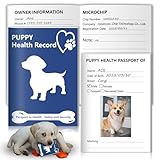
- Product Include:When you choose our dog vaccines records tracker, you'll receive one notebook.This 12-page puppy health journal has 8 dedicated pages for tracking your pup’s health, vet visits, and key details, with 4 blank pages at the end for jotting down extra notes, pet-related info, or anything else you want to record.
- Ideal Size for Record Keeping:Each dog vaccine record book measures 5x3.5 inches folded; 5x7 inches unfolded, allowing for easy portability and storage.These handy health records notebook for dogs with double sided printing, featuring enough space for all your pets important information,plus, it has dedicated spots for sticking on vaccine stickers and adding cute puppy photos.They offer a stylish and organized approach to pet health documentation, a must have addition to your pet supplies.
- Premium Quality: The puppy health record tracker’s cover features 300gsm coated paper with vibrant full-color printing and a protective laminate finish. Inside, 100gsm high-quality offset paper pages are durable and ink-resistant, ensuring no bleeding from pens or markers—so your records stay neat and easy to read.
- Effortlessly Track Vaccinations and More:The canine health record booklets pages include:owner and puppy information,medical history and hospitalizations,vaccination record and sticker,dog service providers,fecal examinations and de-worming,heartworm screening, prevention and treatment etc.This record keeping tool will ensure every important detail is accounted for and make this task easy, organized, and straightforward.Add this essential tool to your pet supplies for a happier, healthier pet.
- Essential for Pet Owners:Designed for veterinary clinics and pet owners, these puppy vaccination record books make tracking key health details—like shots, checkups—simple and organized. When you’re away and leave your pup with a sitter or family, the dog medical record and vaccine book serves as a quick reference for their medical history. Plus, dedicated sections for photos, physical markings, and ID info prepare you for emergencies, helping you recover your friend quickly if they get lost.
Seek emergency veterinary care immediately for sudden severe weakness, repeated vomiting, severe diarrhea, collapse, inability to stand, or suspected shock. Do not wait for a routine appointment and do not attempt to adjust prescription hormones at home. A veterinarian must determine whether Addison’s disease is present, whether the dog is in crisis, and which treatment and monitoring plan is safe.
Frequently Asked Questions
Can a dog recover from an Addisonian crisis?
A dog can recover from an Addisonian crisis when emergency treatment promptly stabilizes circulation, glucose, electrolytes, and hormone deficiency. The dog will still need a veterinarian-directed lifelong replacement and monitoring plan after the crisis.
Can a low cortisol result alone diagnose Addison’s disease in a dog?
A low baseline cortisol result does not diagnose Addison’s disease by itself. A veterinarian generally uses an ACTH-stimulation test and the dog’s history, examination, and other laboratory findings to confirm or exclude hypoadrenocorticism.
What medications are used to treat Addison’s disease in dogs?
A dog with Addison’s disease may need injectable mineralocorticoid replacement such as DOCP plus an oral glucocorticoid, or oral fludrocortisone with possible additional glucocorticoid supplementation. The veterinarian determines the medication, dose, interval, and monitoring plan.
What’s actually slowing this PC down?
Pick the symptom - the matching free tool is one click away.
How often does a dog with Addison’s disease need monitoring?
A dog with Addison’s disease usually needs lifelong veterinary monitoring, including review of clinical signs, weight and hydration, medication effects, and serum electrolytes. Atypical cases need continued electrolyte monitoring because mineralocorticoid deficiency can develop later.
The Bottom Line
Addison’s disease in dogs is a manageable but potentially life-threatening hormone deficiency. Recurrent vague illness warrants veterinary testing, while collapse, severe vomiting or diarrhea, profound weakness, or inability to stand requires immediate emergency care. Once diagnosed, lifelong individualized hormone replacement and electrolyte monitoring give many dogs a good to excellent outlook.
Quick Recap
Product prices and availability are accurate as of the date/time indicated and are subject to change. Any price and availability information displayed on Amazon at the time of purchase will apply.




