
Recommended Free Tools
The best cold-weather coat for a Chihuahua is a correctly fitted small-dog jacket that covers the chest and back, matches the actual weather, and still allows a normal stride. Use it for short, supervised outings—not as permission to leave a Chihuahua outdoors for long periods. A coat cannot replace an insulated, wind-protected shelter, dry bedding, non-frozen water, acclimation, or access to warmth.
Chihuahuas are small dogs, and many have short or thin coats. Size, age, health, nutrition and individual coat thickness all affect cold tolerance, so there is no responsible universal temperature or time limit that a jacket makes safe. The practical test is your dog’s behavior and condition every time you go outside.
As an Amazon Associate I earn from qualifying purchases.
Why Chihuahuas need more cold protection than many dogs
Small dogs generally lose body heat faster than larger dogs. A short, sparse coat provides less natural insulation than a dense winter coat, and a Chihuahua’s tolerance can be further reduced by advanced age, illness, poor nutritional status or a very small body size. Two dogs of the same breed can therefore react very differently to the same weather.
Crashes, No Sound, or Screen Glitches?
Random freezes, missing sound and display glitches usually trace back to one bad driver. Find and replace yours safely.Free scan · under a minuteWindows Errors? Fix Them Before They Spread
Repair common Windows errors and clear accumulated junk for a smoother, more stable PC - no reinstall needed.Free scan · no reinstallThe American Animal Hospital Association’s 2024 cold-weather guidance addresses this breed directly: "If your dog has short fur, such as a Chihuahua or greyhound, a sweater or jacket can make them much more comfortable outside." The useful part of that advice is the word comfortable. Clothing can improve a suitable outing; it does not turn dangerous exposure into a safe one.
#1 Best Overall

- Warm&comfortable fabric:MIAODODO Fleece Dog Coats are made of warm polar fleece, this coat is windproof and warm,which touch soft make our furry babies warm and comfortable during the cold weather.
- Full Body Coverage:MIAODODO Four legs Dog Pajamas features a warm high collar and full abdominal coverage design, can effectively keep the abdomen warm and protect the dog from the cold in winter. Dog jumpsuit can be used for both male and female dogs,If a boy, you free can cut off the part of the abdomen to pee.
- Easy On and Easy Off:The dog cold weather coats is equipped with elastic cuffs and reflective zipper on the back in darkness,putting on and taking off this coat is a breeze, making it perfect for busy pet owners.
- Multifunctional: Our dog snow pants is designed to keep your furry friend warm and comfortable during cold weather.The unique and stylish design allows your puppy to have beauty and warmth at the same time, making it stand out in parties and parks.the dog pajamas also can be used as a recovery suit which can effectively prevent licking and chewing after surgery.
- Dog pajamas small&medium sized dog:This dog jumpsuit is suitable for small and medium dogs,such as Teddy, Chihuahua, Beagle, Poodle, Bulldog, Schnauzer, Pitbull and so on.The dog needs to run, please measure your dog first and then choose the size. Please give your dog room to move.If you have questions about the size, please contact us.
Cornell’s winter safety guidance likewise emphasizes limiting time outside when conditions are too cold and watching the individual dog rather than relying on one number. No universal temperature cutoff, guaranteed number of minutes, best fabric, or independently tested winning coat model has been established in the available veterinary guidance.
What “best coat” means for a Chihuahua
Start with the dog and the conditions, not a brand name or a fashionable color. A useful coat has four essential qualities:
- Coverage: It protects the chest and back, the areas AAHA specifically identifies, without extending so far that the dog cannot walk, sit, turn or relieve itself normally.
- Correct fit: The garment stays in place without rubbing, pinching, hanging loose or restricting breathing. Follow the maker’s measuring method; a breed label such as “Chihuahua” is not a substitute for your dog’s actual measurements.
- Weather-appropriate construction: A warm layer and a rain or snow shell solve different problems. Veterinary guidance supports using a jacket or sweater but does not verify any particular fabric’s waterproofing, insulation rating or wind resistance.
- Safe, practical use: You can put it on calmly, check your dog’s movement, remove it promptly when the outing ends, and inspect the skin and coat afterward.
These criteria are more defensible than calling one commercial model “the best.” No product comparison or laboratory test establishes a universal winner for Chihuahuas.
Coat categories and when each may help
The table below describes categories rather than endorsing a particular product. Treat insulation, waterproofing and durability claims on a listing as claims to verify, not as facts established by veterinary sources.
| Coat category | Potential use | What to check | Limitations |
|---|---|---|---|
| Light sweater or fleece layer | Cool, dry walks for a Chihuahua that needs extra warmth | Chest and back coverage, soft seams, unrestricted leg and shoulder movement | May become wet and cold in rain or melting snow; warmth varies by material and fit |
| Insulated winter jacket | Short outings in colder, dry or windy weather | Secure closure, coverage under the chest, room for normal motion and toileting | More insulation does not make prolonged exposure safe; overheating can occur indoors or during active play |
| Water-resistant or rain shell | Keeping the outer coat drier during rain or wet snow | Actual coverage, sealed or protected openings, a fit that does not trap water against the skin | A shell may block precipitation without providing meaningful warmth |
| Layered system | Variable conditions when a dry warm layer can be combined with an outer shell | Layers must not bunch, tighten the neck or chest, or impede movement | More pieces take longer to fit and inspect; remove layers when conditions change |
Choose the simplest option that meets the weather requirement. For a brief dry walk, a light jacket may be enough for one dog and inadequate for another. In wet weather, keeping the dog dry matters, but a wet garment can chill a small body, so check it frequently and dry the dog when you return.
How to measure and fit a Chihuahua coat
Manufacturers use different measurement points and size ranges. Use the instructions supplied with the specific coat and record your dog’s measurements while the dog is standing naturally. Do not buy solely from a weight range or a breed suggestion.
Rank #2
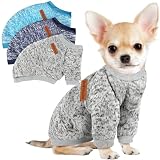
- Warm & Soft Dog Sweaters: Made of 100% polyester, breathable, soft, skin-friendly and warm. The dog sweaters for small dogs has better moisture absorption, breathability, and durability, which keeps your boys girls feeling comfortable and warm all winter long. With strong elasticity and super stretchy, it is easy to put on and take off
- Suitable Size to Choose: These puppy sweaters have 5 sizes to choose from, from XS to XL, suitable for puppies, kittens, cats, small medium dogs. Various styles and colors. Please check the size chart by measuring chest, back length, and neck before purchasing. Follow the chest girth in priority. Please size up if between size
- Eye-Catching Design: Our dog clothes for small dogs come in a variety of colors to choose from, classic simple patterns, warm designs, suitable for various occasions. Add some fashion vibe to your dogs and make your boys and girls stand out in the crowds
- Wide Applications: These pet clothes is suitable for your boys girls to wear on many occasions,like daily life, walking, running, camping, wedding, shopping, travelling, birthday parties, Christmas Party and cold weather
- Buy With Confidence: Our dog sweaters for small dogs is backed by a Satisified Guarantee, your satisfaction is our priority. For any reason if the product miss the expectation, please feel free to contact us and we will dedicate to solve for you
- Measure when the dog is calm. Have the Chihuahua stand on a level surface. A helper can offer treats while you measure so the spine and shoulders remain in a normal position.
- Take every dimension the chart requests. Depending on the design, this can include the neck, chest and back. Keep the tape close to the body without compressing the coat or skin, and use the manufacturer’s stated starting and ending points.
- Choose the size by the chart, not by appearance. If your dog falls between sizes, compare the garment’s adjustment range and return policy. A loose coat can snag or let wind enter; a tight one can chafe or restrict breathing.
- Put the coat on indoors first. Fasten it as directed and watch the first few steps. The dog should be able to walk, turn, sit, lie down and lift each leg without the coat pulling across the shoulders or abdomen.
- Check the chest and back coverage. AAHA recommends coverage over those areas while preserving easy movement. Look underneath the dog to ensure the edge is not pressing into the armpits or rubbing the skin.
- Test the closure and leash arrangement. The coat should remain secure when the dog turns, but you should be able to remove it quickly. Use only the leash attachment intended for that garment, and never let a loose strap trail where it can catch.
- Inspect after the first short outing. Remove the coat and look for dampness, redness, tangled hair or pressure marks. A fit that seemed acceptable indoors may rub once the dog walks.
There is no verified universal sizing chart for Chihuahuas. Recheck fit after weight change, growth, a haircut or a change in the dog’s coat, because a jacket that fitted in one season may not fit safely later.
Match the coat to the weather, not to a number
Because veterinary sources do not establish a single safe temperature threshold, make a decision from the complete situation: air temperature, wind, precipitation, ground conditions, duration, activity level and the dog’s age and health. Use this framework:
| Situation | Coat decision | Extra precautions |
|---|---|---|
| Cool and dry, brief walk | Use a light sweater or jacket if the Chihuahua is short-coated or shows discomfort | Keep the outing short and observe gait and willingness to continue |
| Cold with strong wind | Favor a secure layer covering the chest and back; avoid exposed gaps | Wind can make conditions feel harsher; shorten the outing and provide immediate indoor warmth |
| Rain or wet snow | Use a weather-appropriate outer layer only if it fits over the dog without restricting movement | Dry the dog and garment promptly after returning; replace a soaked layer |
| Snow, ice or treated pavement | A coat protects the body, not the paws; consider boots only when the dog can tolerate them | Inspect and clean paws after the walk, and stop if the dog is uncomfortable |
| Severe cold or a long outdoor period | Do not rely on a coat to make this safe; bring the dog inside | Use proper shelter and non-frozen water for dogs that spend substantial time outdoors |
Do not infer that a heavier jacket permits a longer walk. The same garment may be comfortable while a dog is moving and too warm once the dog is resting, inside a heated car, or in a sheltered area. Remove it when it is no longer needed and follow the dog’s behavior.
How to tell when a Chihuahua is too cold
Behavior is an early and practical warning system. Cornell veterinarian Brian Collins states: "If a dog is picking up their feet or seems reluctant to walk this may be a sign that he/she is too cold." Read the full Cornell winter-weather explanation for that guidance.
Stop the outing and move the dog to a warm, dry place when your Chihuahua repeatedly lifts its feet, hesitates, tries to turn back or otherwise signals that continuing is unpleasant. Do not force the dog to “get used to it” by extending the walk. Remove wet clothing, dry the dog, and seek veterinary advice promptly if the dog does not recover normally after warming or if you are worried about its condition.
Do not confuse a coat with a medical treatment. A dog with heart, respiratory, endocrine, joint or other health problems may have different cold-weather needs. Ask your veterinarian for an individualized plan, especially for puppies, seniors, underweight dogs or dogs recovering from illness.
Rank #3
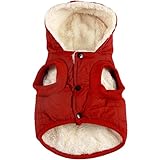
- M:Chest14.5"-16.9"(37-43cm),Neck12" (31cm),Back12.6"(32cm),Ideal for small dogs.You need measure your dog size before order,Priority reference chest girth.if between 2 sizes,suggest select size up;
- Fleece Lined+Middle Layer Polyester filler for Warmth,protect your dog warm in the the cold weather,softness,comfortable;
- Soft polyester fabric outer shells,cozy and breathable,leash hole on back is easy for winter hiking,outdoor adventure;
- Dog Hoodie with windproof hat,the hood for added coverage in the cold weather and snow,protect the dog's ears and head;
- Features:Offer maximum freedom of movement for the legs,Easy put on & take off by metal snap; Lightweight,Durable,Breathable,Exquisite sewing; Machine Washable,Easy to clean;
Outdoor living: a coat is not housing
The wording “living outside” needs a safety correction. A Chihuahua should not be left outdoors for long periods in cold conditions simply because it is wearing a jacket. Clothing loses effectiveness when it becomes wet, shifts out of place, or is worn without supervision, and it cannot provide a warm resting environment.
For dogs that spend substantial time outdoors, Cornell identifies several requirements beyond clothing:
- Acclimation: The dog needs time to adjust gradually to colder conditions rather than being moved suddenly from a heated home into cold weather.
- Fresh, non-frozen water: Check it often in freezing weather so the dog can drink freely.
- An insulated enclosure: The shelter should be protected from wind and include dry bedding elevated off the ground.
The Municipality of Chihuahua’s cold-weather recommendations similarly describe outdoor housing as dry, clean, protected from wind and cold, and separated from the ground. They also advise drying pets promptly after they get wet. These are welfare recommendations, not a jurisdiction-independent legal standard, but they illustrate why a coat alone is inadequate.
What’s actually slowing this PC down?
Pick the symptom - the matching free tool is one click away.
Outdoor-care checklist
- Provide a dry, clean, insulated shelter that blocks prevailing wind.
- Raise bedding off the ground and replace it when damp or soiled.
- Check water repeatedly and remove ice before the dog is left outside.
- Offer indoor access whenever weather becomes severe or the dog shows discomfort.
- Inspect the coat, skin and paws after every supervised outing.
- Never leave a dressed dog unattended if the garment can snag, shift or become wet.
If you cannot provide these conditions, the safer solution is to keep the Chihuahua indoors rather than trying to compensate with a thicker coat.
Introducing a coat without creating a struggle
- Let the dog sniff the coat while it is lying flat. Reward calm investigation.
- Touch the coat to the shoulder and chest briefly, then remove it and reward.
- Put it on for a few seconds indoors. Increase the time only while the dog remains relaxed.
- Walk a few steps inside and check that the dog can move normally.
- Try the first outdoor session close to home, for a short duration, with the dog supervised throughout.
- Return indoors at the first sign that the dog is too cold, distressed or physically restricted.
Do not punish freezing, backing away or trying to remove the garment. Those reactions tell you that the introduction, fit or design needs adjustment.
Independent reader supportYour contribution helps us test, update, and keep practical guides available for everyone.Do Chihuahuas need boots as well?
Boots are a secondary consideration, not a substitute for a body coat or shelter. AAHA and Cornell winter guidance recognize that snow, ice and treated surfaces can affect paws. If those conditions are part of your route, choose paw protection only after the coat fits and the dog’s body is comfortable.
Rank #4

- 【Great for Peanuts Fans】This officially licensed Peanuts Pet Hoodie is made for the Snoopy fan in your life. The fun pattern brings your favorite comic to life, keeping your pet cozy in a cute, nostalgic style.
- 【 Hook & Loop Design】 With hook-and-loop closures that adjust to your dog’s size, this coat delivers a personalized, secure fit that won’t slip. It's perfect for energetic pets who love adventure!
- 【4 Sizes Available】Available in 4 sizes: small, medium, large, and extra-large, this coat suits most dog breeds. Refer to our size chart for precise measurements to ensure a snug, comfortable fit for daily walks and outdoor activities.
- 【Waterproof & Soft Fleece】Crafted with a waterproof shell to shield against wind and rain, this dog coat also features a cozy microfleece lining. It traps body heat effectively, delivering superior warmth and plush comfort for your furry friend.
- 【Easy to Clean】This dog coat is easy to care for. The durable fabric wipes clean for quick, surface level meses and is machine washable for a more thorough clean.
Introduce boots gradually indoors, one at a time, and supervise the first outdoor use. A boot that twists, falls off or changes the dog’s gait is not protecting the paw effectively. Inspect paws when you return, remove packed snow or residue, and dry them. If your Chihuahua cannot walk naturally in boots, shorten the route and discuss paw-care alternatives with your veterinarian instead of forcing the equipment.
Do these 3 things before closing this tab:
1Fix the driver behind crashes, sound loss and screen glitches2Repair Windows errors before they cause bigger problems3Scan for outdated or missing drivers - takes under a minuteHow to evaluate an online coat listing
A search for small dog winter coat is a reasonable starting phrase, but search results are not product testing. Before buying, verify the following information on the actual listing and size chart:
- Which body measurements determine the size, and whether the seller explains how to take them.
- Whether the garment covers the chest and back while leaving the legs and shoulders free.
- How the closure adjusts and whether it can be removed quickly.
- Whether the listing describes a warm layer, a rain shell or both; do not assume one from a product photograph.
- How the garment handles leash attachment and toileting.
- Whether returns are possible if the dog’s measured fit does not match the stated range.
- Care instructions, because washing and drying affect fit and performance.
Ignore a listing that offers only a breed name with no usable measurements, promises safety at a particular temperature without evidence, or treats a coat as a replacement for shelter. No current price, retailer availability or named model has been independently verified here, so the purchase decision should rest on fit and use rather than a claimed “best” label.
Common mistakes and the practical fix
| Mistake | Why it fails | Better approach |
|---|---|---|
| Choosing by breed label alone | Chihuahuas vary in size, shape, age and coat thickness | Measure the individual dog and follow the garment’s chart |
| Buying the heaviest-looking coat | Bulk can restrict movement or become too warm indoors | Match the layer to the weather and observe movement |
| Assuming “water-resistant” means warm | Precipitation protection and insulation are different functions | Check whether the garment is a shell, a warm layer or a combination |
| Leaving the coat on unattended | It can shift, snag or become wet without anyone noticing | Use clothing only under supervision and remove it after the outing |
| Using a coat to justify a long outdoor stay | Clothing does not replace a warm resting environment | Limit exposure and provide indoor access or compliant shelter |
| Ignoring wetness | A damp dog or garment can increase heat loss | Dry the dog promptly and replace or dry the garment |
| Forcing a reluctant dog to continue | Reluctance or lifted feet can signal that the dog is too cold | End the outing, warm the dog and reassess the plan |
A safe cold-weather routine
- Check the dog first. Consider age, health, body condition, coat thickness and whether the dog has had time to acclimate.
- Check the route and forecast conditions. Note wind, precipitation, ice, salt and whether the ground will be wet.
- Select the simplest suitable layer. Use a sweater or jacket for warmth, a shell for wet conditions, or a compatible combination when necessary.
- Measure and dress indoors. Confirm chest and back coverage, secure the closure and test normal movement.
- Keep the first outing short and supervised. Stay close enough to return immediately if the dog signals discomfort.
- Watch continuously. Picking up feet, reluctance to walk or other unusual behavior means it is time to stop.
- Dry and inspect afterward. Remove wet clothing, dry the dog, and check the skin, coat and paws.
- Provide a warm recovery area. A coat should never be the only place the dog can get warm.
The bottom line for an outdoor Chihuahua
For a supervised cold-weather outing, choose a small-dog coat that fits the individual Chihuahua, covers the chest and back, and permits unrestricted movement. Select the layer for the actual conditions, introduce it gradually, and let the dog’s behavior determine when to turn back. There is no evidence here for one universally best model or a temperature at which any coat guarantees safety.
If the Chihuahua primarily lives outside, solve the housing problem first: acclimation, non-frozen water, a dry insulated enclosure protected from wind, and bedding raised off the ground. In severe or prolonged cold, bring the dog indoors. A jacket can add comfort for an appropriate outing; it cannot make inadequate outdoor living safe.
Quick Recap
Product prices and availability are accurate as of the date/time indicated and are subject to change. Any price and availability information displayed on Amazon at the time of purchase will apply.





Leave a Reply