
Some links on this page are affiliate links: if you buy through them we may earn a commission, at no extra cost to you.
The strongest match for Coral Interactions in 20,000 Gallons is the Long Island Aquarium’s 20,000-gallon coral reef tank. That identification is not certain from the title alone, but the aquarium’s education material describes a tank at exactly that volume and documents two notable relationships: algae called zooxanthellae living within corals, and flashlight fish using coral as daytime shelter before emerging at night.
The same material reports a water temperature of 76–78°F and 25,000 watts of lighting. Those are facility-description figures from an undated education document, not independently verified current specifications. The document does not establish the tank’s present-day animal list, operating practices or visitor schedule, so those details should be confirmed with the aquarium before being presented as current.
As an Amazon Associate I earn from qualifying purchases.
PC Slower Than It Used to Be?
A free scan shows the junk files, broken settings and background clutter dragging Windows down - then fixes them in one click.Free scan · Windows 10 & 11Outdated Drivers Are Slowing You Down
One free scan finds every outdated or missing driver and matches the right update for your exact hardware.Free scan · exact hardware matchWhich 20,000-gallon aquarium does this refer to?
A title that gives only a volume is inherently ambiguous: multiple aquariums can have systems of roughly 20,000 gallons. The best-supported identification is the Long Island Aquarium in Riverhead, New York, because its education material explicitly describes visitors observing a 20,000-gallon coral reef tank.
That wording establishes a strong match, not definitive title metadata. A separate Las Vegas document describes a 20,000-gallon aquarium in the Mirage lobby. It is a different exhibit and should not be folded into the Long Island account. In particular, figures associated with the Las Vegas aquarium cannot be used to infer the Long Island tank’s species list, design or current conditions.
Popular on Amazon

- Efficient Organic Waste Removal: Equipped with a powerful DC pinwheel pump, this protein skimmer creates dense, fine bubbles that efficiently separate organic waste, keeping your aquarium water clear
- Built for Large Saltwater Aquariums: Designed for tanks 132-264 Gal / 500-1000 L, with max air intake of 237.78 GPH / 900 L/H and max flow rate of 660.5 GPH / 2500 L/H. This protein skimmer is great for in-sump use only
- Easy Adjustable Control: Customize performance with 10 adjustable settings, Feed Mode, and Power-Outage Delay Mode. This protein skimmer for saltwater aquarium features a flexible water level control knob to adapt to different water conditions
- Low-Noise Operation: The built-in air silencer keeps this aquarium protein skimmer running at just 40 dB, about as quiet as a library, minimizing noise disruption for quiet performance
- Hassle-Free Cleaning: This protein skimmer includes a 47.33 oz / 1400 ml detachable collection cup with a large capacity to reduce cleaning frequency. The pinwheel pump is easy to disassemble for quick and convenient maintenance
What the aquarium material actually records
The education document supplies three concrete specifications. They describe the exhibit as it was documented, while the document’s publication date is not clear. Its file name includes 2019, but that alone does not prove when the figures were measured or whether they remain current.
| Item | Reported figure | How to read it |
|---|---|---|
| Coral reef tank volume | 20,000 gallons | The exhibit volume stated by Long Island Aquarium education material. |
| Water temperature | 76–78°F | The warm-water range given for the exhibit in that material. |
| Lighting | 25,000 watts | The lighting figure reported in the same document; the document does not specify fixture types, operating schedule or whether this is connected load or another measurement. |
These numbers help explain the scale and appearance of a large reef display, but they do not identify every animal, prove the volume of any connected filtration system or describe current husbandry. A display can have equipment and circulation outside the visible tank, and the document does not say how the stated gallons were calculated.
Interaction one: corals and their zooxanthellae
What lives inside the coral
The aquarium material describes zooxanthellae as algae living within corals. That is the central interaction documented for this exhibit: a coral animal contains microscopic algal partners rather than existing as an isolated organism.
The document says these algae provide food for the corals and contribute to some coral coloration. Those are the benefits visitors are meant to take from the exhibit explanation. The material does not quantify how much energy a coral obtains from the algae, name particular algal species or describe a chemical exchange, so those details should not be inferred from the display text.
Why the relationship matters to a visitor
When a visitor sees a brightly colored coral, the aquarium’s explanation links part of that appearance to organisms living within the coral. Color is therefore not merely painted decoration or an external coating; it can be a visible result of an internal biological association. The same association is presented as a food relationship, showing that a reef exhibit can demonstrate cooperation at a scale too small to see without magnification.
Also popular on Amazon
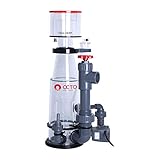
- Coral vue octopus 4-inch needle wheel skimmer 100gal
- Reef octopus pinwheel/needle wheel skimmers provide you with a high performance features in an easy to use package
- New pinwheel impellers provide up to 100% improved performance
This is best understood as a documented example, not a complete account of coral biology. The material does not say that every color in every coral comes from zooxanthellae, nor does it identify which colonies in the tank contain them. It also does not provide a current inventory of coral species or colonies.
What the exhibit does not establish
- It does not provide a percentage of a coral’s nutrition attributed to zooxanthellae.
- It does not identify the algae to a scientific genus or species.
- It does not confirm whether the same colonies described in the education material remain on display.
- It does not document a present-day change in coral color, health or coverage.
Interaction two: flashlight fish and coral shelter
Daytime refuge
The education material says flashlight fish hide among coral during the day. Coral is therefore described as physical habitat: a structure that gives these fish somewhere to remain while the exhibit is in its daytime phase.
The statement is behavioral and specific. It does not mean that every fish in a reef tank shelters in coral, or that all flashlight fish follow exactly the same schedule under every lighting program. It records the behavior used in the aquarium’s visitor explanation.
Nighttime emergence and feeding
According to the same material, the fish come out at night. Their bioluminescence is described as helping them see and catch small prey attracted to the glow. This connects three parts of the interaction: a coral refuge during the day, a change in activity after dark and light produced by the fish during foraging.
That description should not be converted into a claim that the fish are currently in the tank. The document does not confirm the present animal inventory, and an exhibit can change after educational material is printed. If seeing flashlight fish is important to a visit, ask the aquarium whether they are currently displayed and whether any evening viewing is available.
Do these 3 things before closing this tab:
1Clear out junk files and repair common Windows errors2Scan for outdated or missing drivers - takes under a minute3Repair Windows errors before they cause bigger problemsAlso popular on Amazon
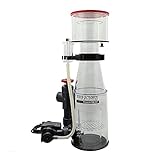
- In-sump protein skimmer for aquariums up to 150 gallons
- Aquatrance 2000 Pinwheel Pump - offers super efficiency and the very best in performance
- Bubble Diffusing Chamber and Full Cone Body that naturally reduce and stabilize the foam production; This means less turbulence in the neck area and more contact time for organics to rise and collect
- Turbulence reducing bubble plate
- Small Footprint: 12.4" x 8.7"; Body Diameter: 6"; Height: 22"
Why this is more than a species label
A label that simply names a flashlight fish would tell you what the animal is. The shelter-and-emergence example explains how it uses the reef around it. Visitors can connect the visible coral framework with a fish’s daily routine and feeding behavior, rather than treating the tank as a collection of unrelated specimens.
How light and time shape what visitors see
The reported 25,000 watts of lighting and the description of fish emerging at night point to an important viewing limitation: a daytime visit may not reveal nocturnal behavior. The material does not state the exhibit’s current lighting schedule, whether the tank has a simulated night period or when staff feed any animals.
- Check the aquarium’s current exhibit information or ask staff whether flashlight fish are presently housed in the tank.
- Ask whether the public viewing period overlaps with the fish’s nighttime activity.
- Observe the coral structure first during normal display lighting, then look for signs or staff explanations about a dark cycle rather than assuming a fish is absent.
- Do not use a personal flash or shine a light into the aquarium unless staff permit it; an unapproved beam can interfere with viewing and animal care.
If the exhibit is operating as described, the contrast between stationary coral by day and fish activity after dark is part of the educational value. It is not proof that every visit will produce the same sighting.
Understanding the reported temperature
The stated range of 76–78°F identifies the exhibit as a warm-water reef environment in the aquarium’s education material. It is a range, not a promise that every point in the tank is identical at every moment. The document does not say where temperature was measured, how tightly it is controlled or whether the range is a target, an observed reading or a visitor-facing summary.
For a home or school reef display, a thermometer is the relevant general monitoring tool when discussing a temperature range. Nothing in the aquarium material identifies a brand, model or instrument used at the facility, so no particular product should be presented as aquarium equipment.
Also popular on Amazon
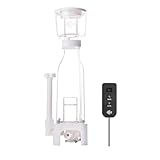
- Efficient Waste Removal. Effectively removes organic waste, proteins, and impurities using a fine bubble column, helping maintain clean and healthy water for marine life.
- Precise Dual Control. Separately adjustable air intake and water flow allow easy tuning for stable foam production across varying bioload conditions.
- Compact & Quiet Design. Space-saving footprint fits most sumps, with whisper-quiet operation suitable for living spaces.
- Convenient Feed Mode. Pump pauses skimming for 10 minutes during feeding and automatically restarts, preventing overflow and nutrient loss.
- Low Maintenance & Easy Setup. Tool-free installation with simple monthly air intake cleaning and quarterly impeller maintenance for long-term reliability.
What is confirmed about current inhabitants?
Only the interactions described in the education material can be treated as documented examples. The material names corals, zooxanthellae and flashlight fish in its explanations, but it does not establish that every named organism remains in the exhibit today.
- Documented relationship: zooxanthellae are described as algae living within corals, providing food and contributing to some coral colors.
- Documented behavior: flashlight fish are described as hiding among coral by day and emerging at night, with bioluminescence used while finding small prey attracted to the glow.
- Not established: a current species inventory, the number of fish or coral colonies, present stocking levels, filtration design, feeding schedule and current visitor access to a night viewing period.
Those limits matter because aquarium exhibits are living systems. Animals can be moved, replaced or temporarily held elsewhere, and educational documents can remain online after an exhibit has changed.
Questions to ask before calling the display current
Visitors, teachers and writers can resolve the remaining uncertainty with a short set of specific questions:
Free tools Windows power users keep installed
One-click scans. No signup required.
- Is the 20,000-gallon coral reef tank still on display in the same form?
- Are flashlight fish currently housed there?
- Does the aquarium run a visible or scheduled nighttime cycle?
- Are the published 76–78°F temperature range and 25,000-watt lighting figure still accurate?
- Does the stated 20,000 gallons refer only to the visible display or to a larger connected system?
- Which corals and other animals are currently identified on exhibit signage?
Answers to these questions would turn a historical educational description into a current visit plan. Without them, the safest wording is that the aquarium material describes these interactions, not that every detail is guaranteed today.
Independent reader supportYour contribution helps us test, update, and keep practical guides available for everyone.Keeping the two 20,000-gallon exhibits separate
The Las Vegas Pride bid document surfaced alongside the Long Island material describes a Mirage lobby aquarium of approximately 20,000 gallons and lists more than 1,000 sea creatures across more than 60 species. That is a separate venue and a separate document. Its numbers must not be combined with the Long Island tank’s temperature, lighting or coral-interaction explanation.
Also popular on Amazon

- Efficient Organic Waste Removal: Equipped with a powerful DC pinwheel pump, this protein skimmer creates dense, fine bubbles that efficiently separate organic waste, keeping your aquarium water clear
- Built for Large Saltwater Aquariums: Designed for tanks 106-185 Gal / 400-700 L, with max air intake of 158.52 GPH / 600 L/H and max flow rate of 396.3 GPH / 1500 L/H. This protein skimmer is great for in-sump use only
- Easy Adjustable Control: Customize performance with 10 adjustable settings, Feed Mode, and Power-Outage Delay Mode. This protein skimmer for saltwater aquarium features a flexible water level control knob to adapt to different water conditions
- Low-Noise Operation: The built-in air silencer keeps this aquarium protein skimmer running at just 40 dB, about as quiet as a library, minimizing noise disruption for quiet performance
- Hassle-Free Cleaning: This protein skimmer includes a 28.74 oz / 850 ml detachable collection cup with a large capacity to reduce cleaning frequency. The pinwheel pump is easy to disassemble for quick and convenient maintenance
| Question | Long Island Aquarium material | Las Vegas document |
|---|---|---|
| Setting | Coral reef tank described in aquarium education material. | Mirage lobby aquarium described in a Pride bid document. |
| Volume | 20,000 gallons. | 20,000 gallons. |
| Species or animal count | Current inventory not established. | More than 1,000 sea creatures across more than 60 species are listed in that separate document. |
| Use in this article | Basis for the coral–zooxanthellae and flashlight-fish examples. | Context showing why venue and document must be identified before comparing figures. |
Matching gallon figures do not make two displays interchangeable. Geography, exhibit design, date, animal collection and the meaning of the reported volume all have to be kept with each number.
Historical context and freshness
A 2014 Reef Builders interview identifies Joe Yaiullo as curator and co-founder of the Long Island Aquarium and discusses the 20,000-gallon reef. That interview is useful historical context for the exhibit’s development, but it does not prove today’s inhabitants, temperature or operating schedule.
Quick wins for a faster PC:
Scan for outdated or missing drivers - takes under a minuteDriver Scan →Repair Windows errors before they cause bigger problemsFix Now →The education document is likewise best treated as a dated description whose exact publication date is unclear. For a current article, school worksheet or trip announcement, verify the exhibit directly with the aquarium and label older figures as historical when appropriate.
How to describe the tank accurately
A precise description can be both useful and honest: the Long Island Aquarium’s education material describes a 20,000-gallon coral reef tank maintained at 76–78°F with 25,000 watts of lighting, and it uses two interactions to explain the exhibit. Zooxanthellae are presented as algae living within corals, supplying food and contributing to some coral colors. Flashlight fish are presented as daytime coral shelterers that emerge at night, using bioluminescence while catching small prey attracted to their glow.
That wording preserves the educational point without claiming an unverified current inventory. Avoid saying that the tank definitely contains flashlight fish today, that every coral has the same algal association or that the 25,000-watt figure describes a particular fixture or schedule. Those details are not established by the available material.





Leave a Reply