If a cat outdoors keeps its distance, don’t chase, corner, or try to grab it. Give it room, observe its condition and behavior, and ask nearby residents or a local community-cat group whether it is known. If it needs help, arrange a safe plan with a local TNR group, shelter, or rescue before attempting to trap it. Avoidance alone does not tell you whether a cat is lost, frightened, or unsocialized.
First, give the cat space and assess what you can see
Stay far enough away that the cat can retreat. Avoid following it into a shed, under a car, or into another confined space, and do not block its escape route. A cornered cat may panic or injure itself, and you could be bitten or scratched. If it moves away, let it go rather than trying to close the distance.
As an Amazon Associate I earn from qualifying purchases.
From a safe distance, note where and when you saw the cat, how it moved, whether it seemed alert, and whether you can see an injury or other obvious sign of illness. Look for an ear tip: a visibly tipped ear can indicate that a community cat has already been through a trap-neuter-return program, though it does not identify a caretaker or prove the cat is currently well. Share a clear photo and location with local animal-welfare groups if you need help identifying the next step.
Free tools Windows power users keep installed
One-click scans. No signup required.
Do not diagnose the cat from one encounter
A cat that runs from you is not automatically feral. A friendly pet may hide when frightened or separated from home, and a cat that normally tolerates people may behave very differently under stress. Conversely, a cat that approaches for food is not necessarily safe to handle or ready to live indoors. Alley Cat Allies’ guidance on socialization and the ASPCA’s community-cat policy both caution against treating one stressful interaction as a reliable measure of a cat’s history with people.
#1 Best Overall

- High Quality Materials:SZHLUX Live Animal Cage Trap use low carbon steel wire and medium frequency welding. In this way, the product surface is flat, the welding is firm, and it is not easy to solder off.Weather and rust resistant.
- Convenient Design: Our cat trap is foldable and can be easily loaded into the trunk of the car.It only takes 4 simple steps to set up,from nearly flat to assembled in seconds--no tools needed.
- Humane Live Animal Trap: Our raccoon trap use oblong support frame to secure the cage shape and use fixing clips to fix rear door,smoothed internal edges protect and prevent trapped animal being injured.All you need is some bait to catch and then release them back to the wild.
- User-friendly Design: The top cover guard board of the cage prevents people injured by the trapped animal's mistake.The connecting rod of the pedal mechanism is set inside the cage to prevent animals from touching the mechanism by mistake.A new tool has been designed to extend the safe distance when releasing the animal.
- Dimensions: Product Size: 32inch*10inch*12inch; Package Size: 38.2inch*11.8inch*3.15inch.Excellent choice when attempting to capture smaller animals such as stray cats, raccoons, squirrel, skunk, mole, groundhog, armadillo, rabbit and small dogs.
Ask whether someone already knows the cat
Check with nearby residents, building staff, or anyone who regularly feeds cats in the area. Ask whether the cat has a caretaker, where it usually stays, and whether it has been seen recently. A familiar outdoor cat may have a routine and a person looking after it. If the cat seems friendly or may be lost, ask local shelters and rescues about their found-pet process; if it is safely possible to arrange a capture, a veterinarian or rescue can advise about a microchip scan.
When to seek urgent local help
If the cat appears injured, severely weak, unable to move normally, or acutely unwell, contact a local veterinarian, rescue, shelter, or animal-control service promptly for advice. Do not wait for a feeding routine or try to socialize it first. Explain where the cat is, what you observed, and whether it can move freely. A local professional can help decide whether immediate intervention is appropriate and how to avoid making the situation more dangerous.
If there is no apparent emergency and the cat is moving normally, take time to learn its pattern before intervening. The guidance here is general and U.S.-oriented; clinic availability, shelter procedures, local laws, and found-animal requirements vary by location. Ask the relevant local organization what applies where the cat was found.
The Tool Desk
Outbyte Driver Updater FREEScan for outdated or missing drivers - takes under a minuteDriver Scan →Outbyte PC Repair FREERepair Windows errors before they cause bigger problemsFix Now →Rank #2

- HUMANE CAPTURE: This large live animal trap safely captures raccoons, cats, possums, and other small animals with a 1-door design that allows full entry before closing, reducing escape chances for effective pest control
- HEAVY-DUTY CONSTRUCTION: Built with galvanized wire mesh and solid steel door, this raccoon trap resists rust and corrosion while providing long-lasting durability for outdoor use in all weather conditions
- SAFETY FIRST: Features smooth internal edges to prevent animal injuries and protective handle guards for safe handling, making this humane animal trap ideal for both novice and experienced users in wildlife management
- PROFESSIONAL DESIGN: Engineered with a refined trip mechanism specifically calibrated for heavier animals like bobcats and coyotes, this live trap minimizes false triggers while ensuring reliable capture performance
- VERSATILE SOLUTION: Perfect as a feral cat trap, skunk trap, or armadillo trap, this large animal cage trap handles a wide range of pest control situations effectively for comprehensive wildlife management
Build familiarity without forcing contact
If the cat appears healthy and feeding it is appropriate and safe, a consistent routine can make it easier to observe the animal and may help it become accustomed to a humane trap. Choose a regular time and place, put food down without approaching the cat, and leave it an open route to retreat. Remove leftovers after the feeding period, and coordinate with other people who feed the cat so that timing and food placement are predictable.
Food is a way to support observation and gradual acclimation, not a promise that the cat will trust you or an alternative to arranging veterinary care if intervention is needed. Avoid trying to lure the cat close enough to touch. Do not use food to draw it into a place where it could become trapped without a safe plan.
Help a trap-shy cat get used to the trap
Contact a local TNR group, shelter, or rescue before setting a trap. If they advise acclimation, place food in an unset humane trap and secure the mechanism so the door cannot close. Remove the trap after the feeding period. Alley Cat Allies’ trapping guidance recommends feeding from unset traps for a week or two before trying again with a trap-shy cat. That interval is a practical acclimation suggestion, not a guarantee that the cat will enter or remain calm.
Rank #3
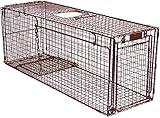
- Works for cats, skunks, rabbits, and other small animals
Do not set a trap simply because the cat will not approach you. First clarify why capture is needed, who will monitor the trap, and where the cat will go afterward. A local group may be able to lend equipment and explain how to use it safely.
What’s actually slowing this PC down?
Pick the symptom - the matching free tool is one click away.
Make a capture and veterinary plan before setting a trap
Arrange the next steps before capture, not after. Contact a community-cat or TNR group, rescue, or shelter and ask about trap loans, clinic availability, transport, and what to do if the cat is injured or does not fit the expected plan. Confirm that a veterinary or TNR appointment is available and ask how the organization wants the cat handled after capture.
A wary cat generally needs a planned approach rather than an improvised attempt to put it in a carrier. A carrier may be suitable if the cat enters voluntarily, but do not try to force a resisting cat inside. If you cannot safely manage the process or do not have somewhere appropriate to take the cat, ask a local organization to help rather than setting a trap on your own.
Rank #4

- Wide Application: As urban and wilderness ecosystems intertwine, animals may disturb your life. Our cat trap is a versatile solution for various animals, including cats, raccoons, rabbits, groundhogs, armadillos, and opossums. It effectively addresses issues such as farmland invasion, release, and harassment.
- Humanized Designs: We prioritize humane care with our raccoon trap. The L-shaped lever ensures the trap won't harm animals when triggered. The dense mesh prevents escapes and protects against external attacks or stolen food. Smooth wire edges prevent animals from panicking or biting the wire, ensuring their safety.
- Sturdy and Durable: Our animal trap is built to last. It is constructed with sturdy, thickened wires that withstand animal bites and impacts without deformation or cracking. The galvanized coating provides excellent corrosion resistance, ensuring stability and durability in all weather conditions.
- Simple and User-friendly: Our live trap is designed for your convenience. It comes pre-assembled, saving you from tedious setup steps. Just unfold the cage, secure the rear door, and connect the trap mechanism to start using it quickly. This saves time and effort, allowing you to engage in capture work promptly.
- Portable and Easy to Store: Our efficient groundhog trap is portable and easy to store. It features a convenient handle for easy mobility, with an extended design that prevents accidental injuries from animals. The collapsible design allows for easy storage, freeing up space when not in use.
Keep a trapped cat safe while you wait
A set humane trap needs active supervision. Alley Cat Allies’ 2025 field guide, Please Read Before You Start Trap-Neuter-Return, says: “For the safety and well-being of the cats, DO NOT leave set humane traps behind if you have to leave for any reason, even if just for a few hours.” Follow the monitoring schedule given by the local group; if you cannot remain available to check the trap, do not set it.
Once a cat is caught, cover the trap promptly with a trap cover, towel, or blanket, and move it to a temperature-controlled environment as directed by the organization coordinating care. Do not leave the cat exposed to extreme heat or cold. The field guide advises against trapping in dangerous weather: if conditions are too unsafe for a person to be outside, they are too unsafe for a cat to wait in a trap. If a cat is captured unexpectedly or you cannot reach the planned contact, call a local rescue, shelter, or veterinarian for immediate instructions.
Choose the outcome based on the cat, not just its willingness to approach
The right response depends on the cat’s apparent health and safety, its comfort around people over time, whether an owner or caretaker may be looking for it, whether it is thriving in its outdoor territory, and what local veterinary or animal-welfare services can provide. A wary cat does not automatically need to be removed from its territory, and bringing every outdoor cat indoors is not a suitable universal rule.
Best Value

- Safe & Humane Trapping – Designed with animal welfare in mind, this live trap safely captures animals without injury, making it ideal for humane relocation.
- Durable Galvanized Steel Build – Constructed from high-strength, rust-resistant steel for long-lasting performance in any weather condition.
- Reliable Trigger Mechanism – Features a highly sensitive trip plate and spring-loaded door to ensure fast and secure captures, every time.
- Spacious & Versatile Size – Accommodates a range of medium-sized animals including raccoons, groundhogs, armadillos, and stray cats.
- Simple Assembly– Folding to save space and easy assembly with no tools required—perfect for homeowners, farmers, or pest control professionals.
| What you observe | Reasonable next step |
|---|---|
| The cat is alert, appears to be coping outdoors, and does not approach people. | Ask whether it has a caretaker and consult a local TNR group about whether managed care in its territory is appropriate. |
| The cat is friendly, unusually comfortable around people, or may be lost. | Ask neighbors and local shelters or rescues about ownership and found-pet procedures; arrange a microchip scan if capture is appropriate and can be done safely. |
| The cat appears injured or acutely unwell. | Seek prompt veterinary or rescue guidance rather than relying on gradual feeding or acclimation. |
| The cat is already ear-tipped or known to local caretakers. | Ask the caretaker or local community-cat group whether it is already being monitored and whether any new action is needed. |
What TNRM involves
Trap-neuter-return-management (TNRM) generally involves humane trapping, sterilization, vaccination, return to the managed location, and ongoing monitoring and care. For an unsocialized cat that is doing well outdoors, returning it to its familiar territory may be more appropriate than routine removal for adoption. The ASPCA’s community-cat guidance discusses TNR as an approach for community cats; the specific plan should be coordinated locally because the cat’s condition and available services matter.
A cat with a history around people may need a different outcome from a cat that is not socialized to handling. Ask a local rescue or shelter to help evaluate the situation rather than making that decision based only on whether the cat lets you approach today.
Quick Recap
Common mistakes that can make things worse
- Chasing or cornering the cat: This can increase panic and make later observation or capture harder.
- Trying to pick it up: A frightened cat may bite, scratch, or injure itself while struggling.
- Setting a trap without a destination: Confirm the veterinary or TNR plan and post-capture instructions first.
- Leaving a set trap unattended: Stay available to monitor it and respond promptly if a cat is caught.
- Assuming avoidance means the cat is feral: Stress, fear, or an unfamiliar setting can affect a cat’s behavior; ask around and observe over time.
- Assuming food will make the cat approachable: A feeding routine may help with observation or trap acclimation, but it does not guarantee trust or make handling safe.
- Removing a cat without checking its situation: Find out whether it has an owner or caretaker and whether it is already part of a managed community-cat program.
A practical sequence to follow
- Give the cat room. Do not approach closely, follow it into a confined area, or attempt to grab it.
- Observe and record. Note the location, time, visible condition, behavior, and whether the cat appears ear-tipped.
- Ask around. Check with residents and known feeders; contact local shelters or rescues if the cat may be lost.
- Get local advice. If the cat needs help, ask a TNR group, shelter, or rescue about equipment, clinic availability, and next steps.
- Use a routine only when appropriate. If advised, feed at a consistent time and place, clear leftovers, and coordinate with other feeders.
- Arrange care before capture. Confirm the destination and instructions before setting a humane trap; do not leave it unattended.
- Match the plan to the cat. Consider its health, socialization, possible caretaker, outdoor condition, and local resources.
Product prices and availability are accurate as of the date/time indicated and are subject to change. Any price and availability information displayed on Amazon at the time of purchase will apply.
Quick wins for a faster PC:
Scan for outdated or missing drivers - takes under a minuteDriver Scan →Clear out junk files and repair common Windows errorsFree Scan →



