
Do not assume a cat outdoors is homeless. It may be a lost pet, an owned cat that roams, an abandoned animal, or a sterilized community cat cared for by neighbors. First look for identification, ask people who know the area, and judge whether the cat can be approached safely. Then choose among owner-search steps, temporary containment, professional help, or support for an existing caretaker.
Start with observation, not capture
Watch the cat from a safe distance before trying to touch it. Note its coat color and pattern, sex if obvious, approximate age, distinctive markings, location, and the times it appears. A friendly manner does not prove that a cat has been abandoned, and the absence of a collar does not prove it is unowned.
As an Amazon Associate I earn from qualifying purchases.
Check for identification
Look for a collar, tag, or other identification. Also check the ears. A clean, straight tip or notch on one ear can indicate that a community cat has been sterilized. That mark is useful evidence of prior trap-neuter-return care, but it does not identify a particular caretaker or tell you whether the cat is currently safe.
Ask people who know the route
Speak with nearby residents, mail carriers, maintenance workers, and anyone who regularly walks through the area. Ask whether they recognize the cat, know who feeds it, or have seen a notice about a missing pet. Look for bowls, outdoor shelters, or other cats being cared for nearby. These clues help distinguish a roaming owned cat from a lost or unsocialized one.
#1 Best Overall

- High Quality Materials:SZHLUX Live Animal Cage Trap use low carbon steel wire and medium frequency welding. In this way, the product surface is flat, the welding is firm, and it is not easy to solder off.Weather and rust resistant.
- Convenient Design: Our cat trap is foldable and can be easily loaded into the trunk of the car.It only takes 4 simple steps to set up,from nearly flat to assembled in seconds--no tools needed.
- Humane Live Animal Trap: Our raccoon trap use oblong support frame to secure the cage shape and use fixing clips to fix rear door,smoothed internal edges protect and prevent trapped animal being injured.All you need is some bait to catch and then release them back to the wild.
- User-friendly Design: The top cover guard board of the cage prevents people injured by the trapped animal's mistake.The connecting rod of the pedal mechanism is set inside the cage to prevent animals from touching the mechanism by mistake.A new tool has been designed to extend the safe distance when releasing the animal.
- Dimensions: Product Size: 32inch*10inch*12inch; Package Size: 38.2inch*11.8inch*3.15inch.Excellent choice when attempting to capture smaller animals such as stray cats, raccoons, squirrel, skunk, mole, groundhog, armadillo, rabbit and small dogs.
Search for an owner in concrete ways
Once you have enough information to describe the cat accurately, begin a local owner search. Use several methods at the same time rather than waiting for one to work.
Arrange a microchip scan
If the cat can be contained without putting anyone at risk, ask a veterinarian or animal shelter to scan for a microchip. A local rescue may be able to lend a scanner or help with transport. A scan is an identification step, not proof that the cat is homeless: a chip may be absent, outdated, or registered with a previous owner, so continue the other checks.
File a found-cat report
Contact the shelters serving the place where the cat was found and file a found-animal report. Someone who has lost the cat may already have filed a matching report. Procedures and intake policies vary by location, so ask whether the shelter wants the cat brought in, held temporarily, or reported online.
What’s actually slowing this PC down?
Pick the symptom - the matching free tool is one click away.
Post a precise local notice
Use a clear photograph, the date and general location, coat description, and a way to contact you. Neighborhood noticeboards and local lost-and-found groups can reach people who do not regularly check shelter listings. Do not publish every identifying detail if you need to verify that a claimant genuinely knows the cat; ask for additional details or photographs.
Rank #2

- HUMANE CAPTURE: This large live animal trap safely captures raccoons, cats, possums, and other small animals with a 1-door design that allows full entry before closing, reducing escape chances for effective pest control
- HEAVY-DUTY CONSTRUCTION: Built with galvanized wire mesh and solid steel door, this raccoon trap resists rust and corrosion while providing long-lasting durability for outdoor use in all weather conditions
- SAFETY FIRST: Features smooth internal edges to prevent animal injuries and protective handle guards for safe handling, making this humane animal trap ideal for both novice and experienced users in wildlife management
- PROFESSIONAL DESIGN: Engineered with a refined trip mechanism specifically calibrated for heavier animals like bobcats and coyotes, this live trap minimizes false triggers while ensuring reliable capture performance
- VERSATILE SOLUTION: Perfect as a feral cat trap, skunk trap, or armadillo trap, this large animal cage trap handles a wide range of pest control situations effectively for comprehensive wildlife management
Use a temporary contact collar only for a friendly cat
Humane World for Animals suggests a breakaway collar or paper collar carrying a short note that asks an owner or caretaker to contact you. This is a temporary outreach tool for a cat that can be approached safely. It is not a replacement for a microchip scan or a found report, and it should never require you to chase or restrain a frightened animal.
Contain the cat only when it is safe
Containment can make a scan and veterinary assessment possible, but an unfamiliar cat can bite, scratch, panic, or escape. Decide first whether you can do it without direct handling.
Use a carrier for a cat that cooperates
A cat that calmly approaches people may be coaxed into a secure carrier. Keep the carrier stable, close the door only when the cat is fully inside, and avoid reaching toward a cat that is hissing, striking, crouching, or trying to flee. Once contained, keep it in a quiet, secure place while you arrange a scan or speak with a local organization.
Crashes, No Sound, or Screen Glitches?
Random freezes, missing sound and display glitches usually trace back to one bad driver. Find and replace yours safely.Free scan · under a minuteWindows Errors? Fix Them Before They Spread
Repair common Windows errors and clear accumulated junk for a smoother, more stable PC - no reinstall needed.Free scan · no reinstallAsk about a humane live trap for an unsocialized cat
For a cat that cannot safely be put in a carrier, contact a local shelter or rescue before attempting a trap. Humane World for Animals notes that a humane live trap may be borrowed through a local organization. Ask how to set, monitor, cover, and transport the trap, and follow that organization’s instructions. Do not leave a trapped cat unattended or improvise a device that could injure it.
Rank #3
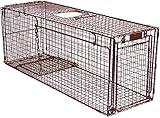
- Works for cats, skunks, rabbits, and other small animals
Protect yourself during handling
Do not grab an unfamiliar cat. Humane World for Animals recommends bite-resistant gloves when handling an unfamiliar cat or kitten, but gloves do not make every situation safe. If the cat is highly fearful, aggressive, injured, or impossible to contain, stop and request professional help rather than escalating the struggle.
Match the response to the most likely situation
| Likely situation | Clues | Best first action | What to avoid |
|---|---|---|---|
| Lost pet | May be socialized, recently appear in the area, or have an owner searching | Microchip scan, shelter found report, neighbor outreach, and a local notice | Assuming that a friendly cat is abandoned |
| Owned roaming cat | Neighbors recognize it; it returns to a known home or caretaker | Confirm the household and coordinate rather than relocating the cat | Taking it away solely because it spends time outdoors |
| Abandoned or unowned socialized cat | Approaches people but no owner or caretaker can be identified | Continue the owner search and ask a shelter or rescue about temporary care and placement options | Handing the cat to an unknown person without checking ownership |
| Sterilized community cat | Ear tip or notch, good body condition, regular feeding or shelter nearby | Find and support the existing caretaker; ask what help is needed | Automatically trapping it for shelter intake |
| Unsocialized community cat | Avoids people, hides, or cannot be safely approached | Ask a local rescue or shelter about humane trapping and community-cat assistance | Chasing, cornering, or attempting bare-handed capture |
| Cat in immediate distress | Injury, apparent illness, very young age, or another urgent concern | Call a local veterinarian, shelter, or animal-welfare organization for situation-specific instructions | Relying on a one-size-fits-all online emergency procedure |
Do not remove a cared-for community cat unnecessarily
An ear-tipped cat in good condition may already have people providing food, shelter, and veterinary care. Pasadena Humane cautions that trapping an ear-tipped cat and taking it to a shelter can cause distress or put the animal at risk. Before intervening, ask nearby residents and local animal-welfare groups whether the cat is known and who cares for it.
Offer support instead of relocation
If caretakers are identified, ask what would genuinely help. Practical assistance can include providing food, helping build or repair a winter shelter, or feeding while the regular caretaker is away. Coordinate schedules and locations so that your help does not disrupt an established care plan or create conflict among neighbors.
Quick wins for a faster PC:
Scan for outdated or missing drivers - takes under a minuteDriver Scan →Repair Windows errors before they cause bigger problemsFix Now →When the ear mark is unclear
Some cats have scars, unusual ear shapes, or marks that are difficult to interpret. Treat an uncertain mark as uncertain. Take a photograph if it can be done without stressing the cat, ask a shelter or rescue for guidance, and continue checking for a caretaker rather than making a definitive assumption.
Rank #4

- Wide Application: As urban and wilderness ecosystems intertwine, animals may disturb your life. Our cat trap is a versatile solution for various animals, including cats, raccoons, rabbits, groundhogs, armadillos, and opossums. It effectively addresses issues such as farmland invasion, release, and harassment.
- Humanized Designs: We prioritize humane care with our raccoon trap. The L-shaped lever ensures the trap won't harm animals when triggered. The dense mesh prevents escapes and protects against external attacks or stolen food. Smooth wire edges prevent animals from panicking or biting the wire, ensuring their safety.
- Sturdy and Durable: Our animal trap is built to last. It is constructed with sturdy, thickened wires that withstand animal bites and impacts without deformation or cracking. The galvanized coating provides excellent corrosion resistance, ensuring stability and durability in all weather conditions.
- Simple and User-friendly: Our live trap is designed for your convenience. It comes pre-assembled, saving you from tedious setup steps. Just unfold the cage, secure the rear door, and connect the trap mechanism to start using it quickly. This saves time and effort, allowing you to engage in capture work promptly.
- Portable and Easy to Store: Our efficient groundhog trap is portable and easy to store. It features a convenient handle for easy mobility, with an extended design that prevents accidental injuries from animals. The collapsible design allows for easy storage, freeing up space when not in use.
Respond promptly when the cat appears vulnerable
Injured or ill cats
A cat that appears injured, ill, extremely weak, or otherwise in immediate distress needs professional advice. Contact the veterinarian, shelter, or animal-welfare organization serving your area and describe what you see, where the cat is, and whether it can be approached. The appropriate response depends on the condition, weather, traffic, and local services; there is no universal emergency protocol established for every location.
Very young kittens
Very young kittens may have a mother nearby. Before moving them, observe from a distance and contact a local shelter, rescue, or veterinarian for advice, especially if they are cold, visibly ill, injured, or crying continuously. If a kitten is in immediate danger, explain that danger when you call so the organization can give situation-specific instructions.
Independent reader supportYour contribution helps us test, update, and keep practical guides available for everyone.If ownership remains unclear
Uncertainty is a reason to continue checking, not proof of abandonment. Keep a written record of when you saw the cat, whom you asked, whether a scan was completed, and which shelters or rescues you contacted. Update the found notice if the cat moves locations or new identifying information appears.
Free tools Windows power users keep installed
One-click scans. No signup required.
Ask local organizations what they recommend for temporary holding, shelter intake, or return to the location. Their policies may differ depending on municipal boundaries, shelter capacity, and whether the cat is socialized or ear-tipped. Follow the rules of the place where the cat was found rather than relying on advice from another region.
Best Value

- Safe & Humane Trapping – Designed with animal welfare in mind, this live trap safely captures animals without injury, making it ideal for humane relocation.
- Durable Galvanized Steel Build – Constructed from high-strength, rust-resistant steel for long-lasting performance in any weather condition.
- Reliable Trigger Mechanism – Features a highly sensitive trip plate and spring-loaded door to ensure fast and secure captures, every time.
- Spacious & Versatile Size – Accommodates a range of medium-sized animals including raccoons, groundhogs, armadillos, and stray cats.
- Simple Assembly– Folding to save space and easy assembly with no tools required—perfect for homeowners, farmers, or pest control professionals.
Common mistakes that create avoidable harm
- Calling every outdoor cat homeless: owned and community cats often spend time outside.
- Skipping identification: a microchip scan and a found report can reunite a lost pet with its family.
- Grabbing a frightened cat: this can cause bites, scratches, escape, or injury to the cat.
- Trapping an ear-tipped cat automatically: first investigate whether neighbors already care for it.
- Buying equipment before asking for help: a local shelter or rescue may lend a humane trap and explain its use.
- Moving a cat without recording the original location: location information helps shelters, caretakers, and owners recognize the animal.
- Promising a universal solution for emergencies: local veterinary and animal-welfare advice is necessary when a cat is injured, ill, very young, or in immediate danger.
A practical decision checklist
- Observe from a safe distance and record the cat’s appearance, location, and behavior.
- Check for a collar, identification, and an ear tip or notch.
- Ask neighbors and regular passersby about an owner or caretaker.
- If safe, arrange a microchip scan through a veterinarian or shelter.
- File a found-cat report with the shelters serving the area.
- Post a photo and description in local lost-and-found channels.
- Use a carrier only if the cat can enter without a struggle.
- For an unsocialized cat, ask a local rescue or shelter about borrowing and using a humane live trap.
- If the cat is ear-tipped and appears cared for, investigate and support the existing care arrangement instead of removing it automatically.
- If the cat appears injured, ill, very young, or in immediate distress, call a local veterinarian, shelter, or animal-welfare organization for instructions.
What local professionals can clarify
The shelter, animal-control agency, veterinarian, or rescue serving the discovery location can explain local reporting requirements, whether a found cat should be brought in, how long temporary holding is appropriate, and which organization handles humane trapping. Those details vary by jurisdiction and are not safely replaced by a general national rule. Giving the organization the cat’s exact location, photos, behavior, ear-mark description, and any scan result will make its advice more useful.
The goal is the right outcome, not simply removing the cat
A successful response may be reunification with an owner, assistance for a known community-cat caretaker, safe transfer to a rescue, or prompt veterinary care. Start with identification and local knowledge, use containment only when it is safe, and let the cat’s condition and likely caretaker status determine the next step.
Frequently Asked Questions
What if a microchip scan finds nothing?
A negative scan does not establish that the cat is homeless. Continue the neighbor inquiry, found report, and local notice, and ask a shelter or rescue what temporary-care option fits the cat’s behavior and condition.
Should I buy a humane trap before contacting anyone?
No. Ask a local shelter or rescue first; it may lend a suitable trap and provide instructions for setting, monitoring, and transporting it.
Who should I call if the cat is in immediate danger?
Contact the veterinarian, shelter, or animal-welfare organization serving the place where the cat was found. Describe the danger, the cat’s condition, and whether it can be approached so they can give situation-specific directions.
Quick Recap
Product prices and availability are accurate as of the date/time indicated and are subject to change. Any price and availability information displayed on Amazon at the time of purchase will apply.





Leave a Reply