
Some links on this page are affiliate links: if you buy through them we may earn a commission, at no extra cost to you.
Protect yourself and the cat first. Keep children and pets away, do not pull or cut a tightening or embedded restraint, and call local animal control, a humane officer, emergency services, or an emergency veterinarian if the cat is injured, trapped, bleeding, struggling to breathe, or in immediate danger. If the scene is safe, photograph the cat and surroundings, record the exact address and time, and make a found-animal report before deciding whether to transport or keep the cat.
A cat that appears abandoned may be lost, owned, unsocialized, or a victim of neglect. The correct next step depends on its medical condition, socialization, identification, the circumstances in which you found it, and your local reporting and stray-hold rules.
As an Amazon Associate I earn from qualifying purchases.
What’s actually slowing this PC down?
Pick the symptom - the matching free tool is one click away.
Start with a safety triage
Call for urgent help when the cat is in danger
Treat a tied-up cat as a possible medical emergency. A cord, rope, wire, or collar can tighten as the cat struggles, cut off circulation, damage the airway, or become embedded in skin. Call local animal control, a humane officer, emergency services, or an emergency veterinary clinic when the cat is bleeding, having trouble breathing, unable to escape, collapsed, severely weak, visibly injured, or showing extreme distress.
Do not improvise a rescue that could cause a bite, worsen an injury, or trigger a panic-driven escape. Do not pull on a restraint that may be embedded or tightening. Cutting close to the body, handling a panicked animal, or entering an unsafe area can injure both of you. Tell the dispatcher exactly what is attached, whether the cat can move, and what hazards surround it.
Popular on Amazon

- High Quality Materials:SZHLUX Live Animal Cage Trap use low carbon steel wire and medium frequency welding. In this way, the product surface is flat, the welding is firm, and it is not easy to solder off.Weather and rust resistant.
- Convenient Design: Our cat trap is foldable and can be easily loaded into the trunk of the car.It only takes 4 simple steps to set up,from nearly flat to assembled in seconds--no tools needed.
- Humane Live Animal Trap: Our raccoon trap use oblong support frame to secure the cage shape and use fixing clips to fix rear door,smoothed internal edges protect and prevent trapped animal being injured.All you need is some bait to catch and then release them back to the wild.
- User-friendly Design: The top cover guard board of the cage prevents people injured by the trapped animal's mistake.The connecting rod of the pedal mechanism is set inside the cage to prevent animals from touching the mechanism by mistake.A new tool has been designed to extend the safe distance when releasing the animal.
- Dimensions: Product Size: 32inch*10inch*12inch; Package Size: 38.2inch*11.8inch*3.15inch.Excellent choice when attempting to capture smaller animals such as stray cats, raccoons, squirrel, skunk, mole, groundhog, armadillo, rabbit and small dogs.
The Association of Shelter Veterinarians says an emergency medical plan must provide timely care for animals that are injured, in distress, or showing significant illness. First aid or a well-meaning home rescue is not a substitute for that professional assessment.
Keep people and animals back
Move children, dogs, and other cats away. A frightened animal may bite or scratch even if it is normally friendly. Keep bystanders from crowding the cat or touching the restraint. If the cat is outdoors, note traffic, heat, cold, water, and other immediate hazards while you wait for professionals.
Quick wins for a faster PC:
Repair Windows errors before they cause bigger problemsFix Now →Scan for outdated or missing drivers - takes under a minuteDriver Scan →Clear out junk files and repair common Windows errorsFree Scan →Document the scene without confronting anyone
From a safe position, photograph the cat, restraint, attachment point, and surrounding area. Record the exact street address or landmark, the time, weather, the cat’s visible condition, and names and contact details of witnesses. Do not confront a person you suspect abandoned or abused the cat. Give your photographs and observations to animal control or law enforcement.
Check for identification only when it is safe
Look for visible identification
If the cat is calm and you can do so without risking a bite or worsening an injury, look for a collar, identification tag, ear tattoo, or other visible marking. Never force the cat to let you handle its neck or body. A collar can be tight, damaged, or part of the problem.
Also popular on Amazon

- HUMANE CAPTURE: This large live animal trap safely captures raccoons, cats, possums, and other small animals with a 1-door design that allows full entry before closing, reducing escape chances for effective pest control
- HEAVY-DUTY CONSTRUCTION: Built with galvanized wire mesh and solid steel door, this raccoon trap resists rust and corrosion while providing long-lasting durability for outdoor use in all weather conditions
- SAFETY FIRST: Features smooth internal edges to prevent animal injuries and protective handle guards for safe handling, making this humane animal trap ideal for both novice and experienced users in wildlife management
- PROFESSIONAL DESIGN: Engineered with a refined trip mechanism specifically calibrated for heavier animals like bobcats and coyotes, this live trap minimizes false triggers while ensuring reliable capture performance
- VERSATILE SOLUTION: Perfect as a feral cat trap, skunk trap, or armadillo trap, this large animal cage trap handles a wide range of pest control situations effectively for comprehensive wildlife management
Have a professional scan for a microchip
A shelter, rescue organization, or veterinary clinic can scan the cat for a microchip and use the registration information to contact an owner. American Humane advises taking a found pet without an identification tag to a local shelter or calling animal control so staff can scan for a chip and look up the owner. Ask whether the facility wants you to bring the cat in, wait for an officer, or use a designated holding location.
File a found-animal report promptly
Contact the local shelter or animal-control agency and ask for the exact reporting deadline, designated facility, required identification check, and stray-hold period in your jurisdiction. Rules differ by location. A report creates an official record and can connect your description with an owner’s lost-pet report.
Free tools Windows power users keep installed
One-click scans. No signup required.
Provide the exact found address, not merely the neighborhood. The ASPCA’s community-cat policy says the precise “found” address should be recorded and that shelters should make every effort to establish whether a cat is owned, including a microchip scan, a check for a collar or tag, and “found” flyers within a few blocks.
When a tied-up cat may be a cruelty case
Recognize circumstances that need authorities
A cat left restrained without adequate food, water, shelter, or a safe way to move may be neglected or abused. So may a cat with untreated wounds, severe weight loss, burns, hair loss from a tight restraint, or injuries consistent with repeated struggling. You do not need to prove cruelty before reporting a concern; describe what you observed and let investigators determine the violation.
Also popular on Amazon
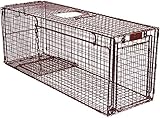
- Works for cats, skunks, rabbits, and other small animals
Preserve evidence
- Keep the original photographs and note when each was taken.
- Write down the cat’s condition, the restraint’s material and position, and anything the cat could or could not reach.
- Record witness names and statements while details are fresh.
- Give authorities the exact location and explain whether the cat remains there.
Local governments, law-enforcement agencies, shelters, veterinarians, and members of the public all have roles in protecting cruelty victims. In an emergency, the ASPCA explains that animals may be removed under a warrant or under exigent circumstances when emergency aid is required. That decision belongs to authorized officials; do not trespass or attempt a risky seizure yourself.
Choose the right pathway after the immediate danger is controlled
Do not assume every outdoor cat is abandoned or that every found cat should enter a shelter. Use the cat’s condition, behavior, identification, and the local program options together.
| What you observe | Most appropriate next step |
|---|---|
| Injured, ill, dehydrated, trapped, bleeding, or in severe distress | Arrange prompt veterinary or emergency intervention through animal control, a humane officer, an emergency service, or a veterinary clinic. |
| Friendly or possibly owned; collar, tag, tattoo, or microchip may be present | Scan for a chip, file a found report, follow the stray-hold process, and search locally for the owner. |
| Friendly, unowned, or apparently abandoned after professional assessment | Ask the shelter or rescue about intake, foster care, adoption placement, or legally permitted temporary holding. |
| Healthy, wary, unsocialized outdoor cat with no obvious emergency | Ask animal control, a rescue, or a trap-neuter-return-management (TNRM) provider whether managed TNRM or Return-to-Field is the safer option. |
| Tied, neglected, or suspected to be abused | Report suspected cruelty to animal control or law enforcement and preserve photographs, location details, and witness information. |
Healthy community cats may be better served by a managed TNRM or Return-to-Field program than by automatic shelter admission. Ill, injured, very young, or unsafe cats require a different plan. A professional who knows local resources can determine which pathway applies.
Transport a found cat safely
Move the cat yourself only when it is safe, the cat is calm enough to handle, and the receiving professional has agreed to take it. Call the shelter, rescue, or veterinarian before leaving so you know whether it is open, accepts found animals, and has a specific intake procedure.
Also popular on Amazon

- Wide Application: As urban and wilderness ecosystems intertwine, animals may disturb your life. Our cat trap is a versatile solution for various animals, including cats, raccoons, rabbits, groundhogs, armadillos, and opossums. It effectively addresses issues such as farmland invasion, release, and harassment.
- Humanized Designs: We prioritize humane care with our raccoon trap. The L-shaped lever ensures the trap won't harm animals when triggered. The dense mesh prevents escapes and protects against external attacks or stolen food. Smooth wire edges prevent animals from panicking or biting the wire, ensuring their safety.
- Sturdy and Durable: Our animal trap is built to last. It is constructed with sturdy, thickened wires that withstand animal bites and impacts without deformation or cracking. The galvanized coating provides excellent corrosion resistance, ensuring stability and durability in all weather conditions.
- Simple and User-friendly: Our live trap is designed for your convenience. It comes pre-assembled, saving you from tedious setup steps. Just unfold the cage, secure the rear door, and connect the trap mechanism to start using it quickly. This saves time and effort, allowing you to engage in capture work promptly.
- Portable and Easy to Store: Our efficient groundhog trap is portable and easy to store. It features a convenient handle for easy mobility, with an extended design that prevents accidental injuries from animals. The collapsible design allows for easy storage, freeing up space when not in use.
- Prepare containment. Use a secure cat carrier with a latched door. A towel can reduce visual stimulation, but do not wrap a cat tightly or cover its face.
- Limit contact. Keep the carrier closed in the vehicle, away from children and other animals. Do not allow the cat to roam in the car.
- Tell the receiving facility what happened. Report the exact found location, time, visible injuries, restraint, behavior, food or water given, and any possible exposure to heat, cold, or traffic.
- Follow intake instructions. The shelter or clinic may direct you to an intake area, an animal-control officer, or an emergency service. Do not leave the cat outside an unlocked facility.
Provide temporary care only within the law and your ability
ASPCA shelter guidance says members of the public may, where legally allowed, hold a found animal temporarily at home while the shelter’s return-to-owner or other disposition process continues. Ask the local agency first; temporary possession does not automatically make you the owner.
Set up a separate, escape-proof room
Use a quiet room with a closed door, secure windows, and no access to household pets. Provide fresh water and a place to rest. Wash your hands after handling the cat and keep bowls, bedding, and litter separate until a veterinarian or shelter advises otherwise.
Do these 3 things before closing this tab:
1Fix the driver behind crashes, sound loss and screen glitches2Clear out junk files and repair common Windows errors3Scan for outdated or missing drivers - takes under a minuteAvoid treatments that can backfire
- Do not give human medication or leftover pet medication.
- Do not bathe a frightened, injured, or hypothermic cat.
- Do not force food or water into the mouth.
- Do not cut deeply embedded restraints or attempt to remove material from a wound.
- Do not delay veterinary care for a visibly ill, injured, dehydrated, or distressed cat.
Write down what the cat eats, drinks, eliminates, and how its behavior changes. Share those observations with the shelter or veterinarian rather than trying to diagnose the cat yourself.
Independent reader supportYour contribution helps us test, update, and keep practical guides available for everyone.Handle a frightened outdoor cat with a planned trap
A humane live-capture trap can be appropriate for a frightened outdoor cat, but use one only with a plan from animal control, a rescue, or a TNRM provider. Ask where the cat should go immediately after capture and how long it may safely remain confined.
Also popular on Amazon

- Safe & Humane Trapping – Designed with animal welfare in mind, this live trap safely captures animals without injury, making it ideal for humane relocation.
- Durable Galvanized Steel Build – Constructed from high-strength, rust-resistant steel for long-lasting performance in any weather condition.
- Reliable Trigger Mechanism – Features a highly sensitive trip plate and spring-loaded door to ensure fast and secure captures, every time.
- Spacious & Versatile Size – Accommodates a range of medium-sized animals including raccoons, groundhogs, armadillos, and stray cats.
- Simple Assembly– Folding to save space and easy assembly with no tools required—perfect for homeowners, farmers, or pest control professionals.
- Use a properly sized humane trap and check it frequently.
- Never leave a trapped cat unattended or expose it to direct sun, freezing temperatures, flooding, traffic, or other hazards.
- Cover part of the trap to reduce stress without blocking ventilation.
- Do not open the trap in an unsafe area or transfer the cat by hand.
Managed TNRM or Return-to-Field commonly includes trapping, scanning for identification, vaccination, sterilization, ear-tipping, and return to the original location. The original location matters because community cats may depend on an established territory and caregiver network. A sick, injured, very young, or dangerous cat should not be returned without a professional decision.
Search for the owner without creating a false claim
Post a neutral found notice
After reporting the cat, post a clear photograph and the general location in neighborhood groups, local shelter lost-and-found pages, and nearby veterinary offices. Include the date and a way to contact you or the agency handling the case. Do not publish every identifying detail, such as a distinctive scar, the exact restraint, or all markings.
Ask claimants for proof
Anyone claiming the cat should be able to provide photographs, veterinary records, a detailed description of markings, or other information that was not publicly posted. Arrange reunification through the shelter or animal-control process when possible. Do not hand over the cat solely because someone recognizes the photograph.
Keep the exact location in official records
The found address helps match the cat with local lost reports and is essential for community-cat decisions. Share the precise address with the shelter or authorities even if your public notice uses a less specific location for safety and privacy.
Understand stray holds and the question of keeping the cat
Whether you may adopt a found cat depends on local law and the completion of the required identification, reporting, and stray-hold steps. The hold gives an owner an opportunity to reclaim a lost animal. Ask the shelter or animal-control agency:
- Where must the found-animal report be filed?
- How soon must the cat be presented or reported?
- Which facility is the designated holding location?
- How long is the stray hold, and when does it begin?
- May you foster the cat during the hold?
- What happens after the hold if no owner is found?
Only the responsible agency can tell you when the legal process permits adoption, transfer, or another disposition. If you want to keep the cat, state that when you file the report and follow the agency’s instructions. Do not conceal the cat, skip a required report, or move it to another jurisdiction to avoid a hold.
Recommended Free Tools
Common mistakes that reduce a cat’s chances
- Assuming “abandoned” means unowned. A roaming cat may be lost, and an owned cat may have no collar.
- Pulling a restraint. This can deepen an embedded injury or tighten the material.
- Posting too many identifying details. It makes it harder to screen false claims.
- Taking the cat to an unprepared facility. Call first and use the designated intake route.
- Mixing the found cat with resident pets. Separation protects all animals while identification and health concerns are assessed.
- Trapping without a destination. A trap is only humane when someone is prepared to monitor and receive the cat.
- Confronting a suspected abuser. Preserve evidence and let authorities investigate.
A practical checklist
- Keep people and pets away; assess immediate danger from a safe position.
- Call animal control, a humane officer, emergency services, or an emergency veterinarian for urgent injury, distress, entrapment, or suspected cruelty.
- Photograph the cat and scene; record the exact address, time, condition, and witnesses.
- Check visible identification only if safe, then arrange a professional microchip scan.
- File the found-animal report and ask for local reporting and stray-hold requirements.
- Use a secure carrier and a prearranged receiving facility if transport is safe.
- Provide only quiet separation and water during temporary holding; avoid medication, bathing, forced feeding, and risky restraint removal.
- Post a neutral notice, protect identifying details, and verify any claimant’s proof of ownership.
- For a healthy unsocialized outdoor cat, consult a managed TNRM or Return-to-Field provider before pursuing shelter intake.
- Follow the agency’s legal process before adopting or transferring the cat.
The scale of the problem is substantial: the ASPCA estimates that 3.2 million cats enter the animal sheltering system in a typical year. That figure is an ASPCA estimate, and the policy page does not state a publication year. Careful identification, prompt reporting, and choosing the pathway that fits the individual cat can keep a lost pet from being misclassified and prevent a healthy community cat from being displaced unnecessarily.





Leave a Reply