
Some links on this page are affiliate links: if you buy through them we may earn a commission, at no extra cost to you.
The right food depends first on whether the duck is a pet or a wild bird at a pond. A domestic duck should eat a nutritionally complete duck or waterfowl ration as its main food. A wild duck usually does not need people to feed it at all—and in some places, feeding wildlife is prohibited.
If you keep ducks, provide suitable feed and water every day. If you are visiting a pond, check the local rules before offering anything, and remember that even healthy foods can cause problems when they attract crowds of ducks or are left to spoil.
As an Amazon Associate I earn from qualifying purchases.
Quick wins for a faster PC:
Repair Windows errors before they cause bigger problemsFix Now →Scan for outdated or missing drivers - takes under a minuteDriver Scan →Clear out junk files and repair common Windows errorsFree Scan →What should pet ducks eat?
Most of a pet duck’s diet should come from a commercial feed formulated for ducks or waterfowl and suited to its life stage. Pellets are usually easier to portion than an assortment of treats and provide a more reliable balance of protein, vitamins, minerals, and energy.
| Duck | Suitable main food | Important consideration |
|---|---|---|
| Duckling | Duckling starter or an appropriate waterfowl starter feed | Young ducks have higher early protein needs. Use the product’s age guidance rather than feeding an adult ration. |
| Growing duck | Duck grower or waterfowl grower feed | Avoid pushing growth with an unnecessarily high-protein diet. University of Kentucky Extension reports no benefit from a well-balanced diet above 16% protein after two weeks for meat ducks. |
| Adult non-laying duck | Maintenance waterfowl feed | Use a complete ration as the nutritional foundation. |
| Laying female | Appropriate layer feed for ducks | Egg production increases calcium needs, so ask a poultry veterinarian or follow a reputable duck-feed label. |
Water is part of every meal
Ducks should have access to clean drinking water while they eat. They use water to swallow and clear their bills, and eating dry feed without water can create a choking risk. The drinking container does not need to be a swimming pool, but it should be deep enough for the duck to rinse its bill and should be cleaned frequently.
Popular on Amazon

- Unique and complete formula - Balanced formula with all the specific nutrients ducklings need to grow and adult ducks need to maintain proper health
- Niacin - Includes at least 60 ppm (mg/kg) niacin to meet ducklings’ higher niacin requirements for bone growth and development, specifically in their legs
- 19% protein - Specific protein levels to support duck growth
- Prebiotics and probiotics - Supports immune and digestive health
- Healthy immune system Contains prebiotics and probiotics to support immune and digestive health.
Do ducks need niacin?
Yes. Ducks require more niacin than chickens. Duck-specific feed is the simplest option because it is formulated for them. If chicken starter is used temporarily in an emergency, consult a poultry veterinarian or poultry specialist about whether niacin supplementation is needed for the duck’s age and the specific feed.
Do not add supplements casually. Too much of a vitamin or mineral can also be harmful, and a complete commercial ration should not be diluted with large amounts of extras.
Safe treats for domestic ducks
Treats can add variety, but they should remain a small part of the diet rather than replacing the regular feed. Offer only bite-sized pieces, and introduce unfamiliar foods gradually.
- Leafy vegetables: lettuce, cabbage, kale, and small amounts of spinach.
- Vegetables: thawed peas and sweetcorn.
- Grains: oats, rice, cracked corn, and other suitable grains.
- Fruit: small portions of fruit, including grapes cut in half to reduce choking risk.
- Animal foods: insects or mealworms from a clean, pesticide-free source.
- Duck treats: duck-specific floating pellets, used according to the package instructions.
Remove wet food before it becomes sour or moldy. Do not feed anything that smells spoiled or has visible mold.
Also popular on Amazon
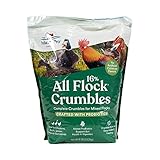
- COMPLETE ALL FLOCK FEED FOR MIXED BACKYARD FLOCKS: Versatile poultry feed & all flock feed designed to support chickens, ducks, turkeys, geese, & more; a balanced bird food that simplifies feeding a diverse species in your backyard or homestead
- HIGH-QUALITY CHICKEN FEED CRUMBLES FOR EASY EATING: This crumble feed texture makes it easy for all birds to eat; great chicken feed, duck food, goose food, quail food, game bird feed, and turkey feed, promoting healthy growth and strong energy levels
- IDEAL CHICKEN FOOD, DUCK FOOD, QUAIL FOOD, AND MORE: Formulated to meet the needs of a variety of birds including duck feed, quail food, turkey feed & game bird feed; supports diverse flocks, delivering a consistent source of essential nutrients & protein
- BALANCED HIGH-PROTEIN FEED WITH ESSENTIAL NUTRIENTS: High-protein feed to support feather health, energy, & overall wellness; a reliable choice for those needing mixed flock feed and multi-species feed, ensuring every bird gets the nutrition they deserve
- NO ARTIFICIAL ADDITIVES, TRUSTED BIRD FOOD QUALITY: Premium bird feed without added antibiotics or hormones; this probiotic feed promotes digestive health, making it a nutritious choice among chicken food, duck food for pet ducks, and other backyard birds
What not to feed ducks
The familiar image of people throwing bread to ducks has made bread seem harmless. It is not a good duck food. White, brown, whole-grain, stale, and “healthy” bread are all nutritionally poor compared with a complete duck ration.
| Avoid | Why |
|---|---|
| Bread | Filling but low in the balanced nutrition ducks need. Repeated feeding can displace better foods and encourage excess calories. |
| Crackers, chips, popcorn, and pastries | Usually high in salt, sugar, fat, or refined starch, with little nutritional value for ducks. |
| Salty, sugary, greasy, or strongly seasoned leftovers | Ducks are not adapted to a diet of processed human food, and seasonings and excess salt can be harmful. |
| Moldy or spoiled food | Mold can produce toxins and may make a duck seriously ill. Stale is not the same as safe. |
| Large amounts of any treat | Even peas, corn, oats, and fruit can unbalance the diet when they replace proper feed. |
| Medicated chicken feed | Some products may not be suitable for ducks. Use it only if a veterinarian or poultry professional confirms that the particular feed is safe. |
Does bread cause angel wing?
It is too definite to say that one piece of bread directly causes angel wing. The condition has been associated with several possible factors, including rapid growth, overfeeding, excessive dietary energy or protein, nutrient imbalance, genetics, and insufficient exercise. Its exact mechanism has not been firmly established.
That uncertainty does not make bread a good choice. Regular bread feeding can provide poorly balanced calories and encourage overfeeding, so it is best avoided—especially for growing ducks.
What should you feed wild ducks?
Usually, nothing. Healthy wild ducks can forage for themselves, and the U.S. Department of Agriculture’s Wildlife Services advises against feeding wildlife because supplemental feeding can create health, behavior, crowding, and safety problems.
Also popular on Amazon

- Unique and complete formula - Balanced formula with all the specific nutrients ducklings need to grow and adult ducks need to maintain proper health
Rules matter too. Feeding wildlife is prohibited in U.S. national parks under 36 CFR § 2.2(a)(2), and cities, parks, homeowners’ associations, and private property owners may impose additional restrictions. Check the signs and local regulations before offering food.
Why healthy food can still be a bad idea at a pond
Peas and corn are better choices than bread nutritionally, but they are not automatically harmless in a public space. Regular feeding can:
Free tools Windows power users keep installed
One-click scans. No signup required.
- Concentrate ducks and other waterfowl in a small area.
- Increase competition, aggression, crowding, and disease transmission.
- Leave food waste that attracts rats and other pests.
- Add nutrients to the water, contributing to algae or bacterial growth.
- Increase droppings and water pollution.
- Condition ducks to approach people, roads, pets, or strangers.
- Disrupt normal foraging behavior and make wildlife dependent on an unreliable food source.
So the best food for a wild duck is generally the food it finds naturally, without human interference.
If feeding wild ducks is allowed
When a local authority or property owner expressly permits feeding, keep it limited and controlled:
Also popular on Amazon

- Waterfowl Feed pellets float in water- pellets will float for over 1 hour
- Diet formulated for water birds: duck, swan, and goose
- Premium diet with fishmeal and proper balance of fiber and protein- better food results in less waste going in to water
- Feed to wild and pet ducks, swans, geese
- Resealable package to keep pellets fresh
- Check the rules first. A “no feeding” sign or park regulation overrides general feeding advice.
- Choose small portions of suitable food. Peas, leafy greens, corn, oats, grains, or duck-specific pellets are preferable to bread.
- Do not throw large quantities into the water. Offer only what the ducks can eat promptly.
- Stop when the ducks stop eating. Leftovers attract pests and decay.
- Remove uneaten food. This is especially important in warm weather.
- Keep your distance. Do not hand-feed, chase, touch, or train wild ducks to crowd around people.
Common questions about duck food
Can ducks eat chicken feed?
Chicken feed is not automatically an appropriate long-term diet for ducks because ducks have different nutritional requirements, including a higher need for niacin. Duck or waterfowl feed is preferable. Never use medicated chicken feed unless a veterinarian or poultry specialist has confirmed that the exact product is safe.
Can ducks eat rice?
Small amounts of plain rice can be offered as an occasional treat to domestic ducks, but rice should not replace complete feed. Avoid rice dishes containing salt, sauces, spices, butter, or other processed ingredients.
Can ducks eat grapes?
They can have small pieces, but cut grapes in half first to reduce choking risk. Fruit is a treat, not a dietary foundation.
Can ducklings eat treats?
Ducklings should primarily eat an appropriate duckling starter feed. Their small bodies and developing skeletons make a balanced ration particularly important. Keep treats minimal and avoid using bread or other low-nutrient foods to fill them up.
Also popular on Amazon

- COMPLETE ALL FLOCK FEED FOR MIXED BACKYARD FLOCKS: Versatile poultry feed & all flock feed designed to support chickens, ducks, turkeys, geese, & more; a balanced bird food that simplifies feeding a diverse species in your backyard or homestead
- HIGH-QUALITY CHICKEN FEED CRUMBLES FOR EASY EATING: This crumble feed texture makes it easy for all birds to eat; great chicken feed, duck food, goose food, quail food, game bird feed, and turkey feed, promoting healthy growth and strong energy levels
- IDEAL CHICKEN FOOD, DUCK FOOD, QUAIL FOOD, AND MORE: Formulated to meet the needs of a variety of birds including duck feed, quail food, turkey feed & game bird feed; supports diverse flocks, delivering a consistent source of essential nutrients & protein
- BALANCED HIGH-PROTEIN FEED WITH ESSENTIAL NUTRIENTS: High-protein feed to support feather health, energy, & overall wellness; a reliable choice for those needing mixed flock feed and multi-species feed, ensuring every bird gets the nutrition they deserve
- NO ARTIFICIAL COLORS OR FLAVORS, TRUSTED BIRD FOOD QUALITY: Premium bird feed without added antibiotics or hormones; this probiotic feed promotes digestive health, making it a nutritious choice among chicken food, duck food for pet ducks, and other backyard birds
FAQ
What is the healthiest food for pet ducks?
A complete commercial duck or waterfowl feed matched to the duck’s life stage is the healthiest main food. Provide clean drinking water whenever the ducks eat, and use vegetables, peas, grains, or small pieces of fruit only as occasional treats.
Is bread bad for ducks?
Bread is not a nutritious staple for ducks. It can fill them up without supplying a balanced diet, and repeated feeding may contribute to excess calories and poor growth. Moldy bread can be dangerous, so it should never be fed.
The Tool Desk
Outbyte Driver Updater FREEScan for outdated or missing drivers - takes under a minuteDriver Scan →Outbyte PC Repair FREERepair Windows errors before they cause bigger problemsFix Now →What can I feed wild ducks at a pond?
Usually, you should not feed wild ducks. If local rules expressly allow it, offer only a small amount of peas, leafy greens, corn, oats, suitable grains, or duck pellets, then remove leftovers and keep your distance.
Do ducks need water when eating?
Yes. Ducks should have clean drinking water available while eating. Water helps them swallow dry feed and rinse their bills, and eating without access to water can increase the risk of choking.
The Bottom Line
For pet ducks: make complete duck or waterfowl feed the foundation of the diet, with constant access to clean drinking water. Ducklings need starter feed, growing birds need an appropriate grower ration, and laying females may need layer feed with suitable calcium.
For wild ducks: the safest choice is generally not to feed them. If feeding is explicitly permitted, give only small amounts of peas, leafy greens, corn, oats, grains, or duck pellets. Avoid bread, crackers, chips, popcorn, pastries, moldy food, and salty or processed leftovers.
Recommended Free Tools





Leave a Reply