“Domestic Shorthair” describes a mixed-breed cat with short hair, not a standardized pedigreed breed. It does not predict a cat’s adult size, looks, or personality. Before adopting, focus on the individual cat’s health, observed behavior, and fit with your household—and prepare a quiet space, basic supplies, and veterinary care for its arrival.
Is a Domestic Shorthair a breed?
No. Cornell’s Feline Health Center explains that “Mixed-breed cats are generally categorized as either domestic shorthairs or domestic longhairs.” The label describes coat length and mixed-breed status; it is not a reliable profile of appearance or temperament. A cat’s ancestry may be unknown, so assess the cat in front of you rather than relying on breed-wide expectations.

No Domestic Shorthair-specific lifespan, temperament statistic, disease rate, or adoption outcome statistic is established by the cited guidance. Avoid assuming that an individual cat will have a particular personality or health history because of this label.
How to decide whether a particular cat is right for your home
Ask the shelter or foster caregiver about the cat’s age, known medical history, daily activity, comfort with handling, and experience around children or other animals. Compare those details with your household’s routine, supervision capacity, and existing pets.
What’s actually slowing this PC down?
Pick the symptom - the matching free tool is one click away.
#1 Best Overall

- Cat skeletal system model ,Premium life sized skeletal system model of a Domestic Shorthair cat. Both skull and the articulated Caudal vertebrae (tail) are removable
- This model features realistic details, textures, and skeletal landmarks, providing a sense of realism for examining the cat's skeletal system
- Skeleton is mounted on a sturdy base measuring, 14.25" wide and 9" long.
Consider age and energy
Cornell notes that an adult cat’s personality is already established, while kittens are generally curious, playful, and energetic. Ask what the caregiver has observed about this particular cat, then consider whether its age and activity level suit the time and attention your home can provide.
Ask about health and handling
Cornell’s adoption guidance identifies clear eyes, clean nostrils and ears, a healthy-looking coat, and appropriate body condition as visible signs to ask about. These observations cannot replace a veterinary examination. Ask for available medical records and details of any known condition; Cornell advises prompt veterinary care for health problems and notes that treatment may be costly.
A shelter or foster caregiver can describe observed behavior, but those observations are not a guarantee of how a cat will respond in a new home. Give the cat time to adjust before drawing conclusions about its comfort and routines.
What to prepare before bringing the cat home
ASPCA recommends setting up a quiet, dedicated space where the cat can decompress. Secure cords, windows, and doors, and check whether household plants are poisonous. Keep the first days calm; allow the cat to observe people and other pets without forcing contact.
Windows Errors? Fix Them Before They Spread
Repair common Windows errors and clear accumulated junk for a smoother, more stable PC - no reinstall needed.Free scan · no reinstallCrashes, No Sound, or Screen Glitches?
Random freezes, missing sound and display glitches usually trace back to one bad driver. Find and replace yours safely.Free scan · under a minuteRank #3
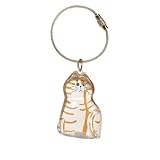
- Meaningful Pet Memorial Keychain: This transparent cat hair keepsake is designed for storing a small amount of your beloved pet’s fur, providing a heartfelt way to keep them close wherever you go
- Unique Design: Crafted in the shape of a orange tabby cat figurine, this keepsake doubles as a decorative pendant and adds a special touch to your everyday accessories
- Durable And Portable: Made with high-quality plastic material, this pet hair memorial storage box is sturdy, lightweight, and perfect for attaching to your keys, bags, or using as a small desk ornament
- Transparent Storage Capsule: The clear compartment allows you to see and cherish your cat’s hair inside the memorial keychain, turning every glance into a moment of love and remembrance
- Thoughtful Gift for Cat Lovers: This cat memorial keepsake keychain makes a comforting and sentimental gift for pet owners experiencing cat loss, or as a sweet token for cat enthusiasts
Basic supplies
- Food and water dishes
- A litter box and litter
- A carrier
- A brush and comb
- A safety collar with identification
- A scratching post or pad
- A bed or warm blanket
- Interactive toys
ASPCA’s general cat-care guidance describes a sturdy scratching post at least three feet high. Ask a veterinarian about food type and amount, which depend on the cat’s age, activity, and health rather than a one-size-fits-all rule.
Plan veterinary care and understand the costs
Arrange veterinary care shortly after adoption. ASPCA recommends at least annual veterinary examinations and annual shots, with prompt attention if a cat is sick or injured. Discuss vaccination recommendations with a veterinarian, since they should reflect the individual animal’s age and health. Ongoing responsible care also includes appropriate food and clean water, parasite control, exercise and social interaction, hazard awareness, and timely treatment of illness or injury.
Rank #4

- A cute Domestic Shorthair Cat wearing a witch hat costume stands in a jack-o-lantern pumpkin patch with full moon, Halloween night colors, and text says Happy Halloween!
- This adorable Halloween night design is perfect for Domestic Shorthair Cat lovers!
- Lightweight, Classic fit, Double-needle sleeve and bottom hem
Ask what the adoption fee covers
Fees vary by organization. ASPCA explains that they help fund care such as veterinary treatment, spay/neuter, vaccinations, and food; some organizations periodically reduce or waive fees. Ask the shelter or rescue what the fee includes and which procedures or records remain due.
Treat old budget figures as historical
ASPCA’s page labeled “2021 UPDATE” listed a cat annual total of $1,149, initial one-time costs of $455, and a first-year total of $1,904. These were ASPCA estimates from 2021, not current quotes or a guaranteed local budget. The estimates included categories such as food, routine medical care, preventive medication, litter, insurance, spay/neuter, initial medical care, and starter supplies.
Recommended Free Tools
Best Value

- CAT SKELETAL SYSTEM MODEL || Premium, life sized skeletal system model of a Domestic Shorthair cat. Both skull and the articulated Caudal vertebrae (tail) are removable
- ARTICULATED MANDIBLE || Mandible is articulated for more in depth study, and to demonstrate mandible movement
- INCREDIBLE REALISM || This model features realistic details, textures and bony landmarks - providing an incredible amount of realism for examining the skeletal system of a cat
- MOUNTED WITH MODEL GUIDE || Skeleton is mounted on a sturdy, plastic base measuring 14.25" wide and 9" long. Guide, featuring identification of structures of the skeletal model, detailed view of the skull structures and a labeled lateral view of cat is included at the center of the base
- DURABLE POLYMER CONSTRUCTION || Made of durable and sturdy plastisol polymer. This washable model is easy to clean and will hold up to years of handling
ASPCA suggests considering pet insurance while a pet is healthy because plans may have waiting periods and exclude pre-existing conditions. Compare policy terms and your budget; the guidance does not establish that insurance is right for every adopter.
Independent reader supportYour contribution helps us test, update, and keep practical guides available for everyone.How long will an adopted cat take to settle in?
ASPCA’s “3-3-3 Guideline” is a loose way to think about adjustment: the first three days may involve nervousness and feeling overwhelmed; over the following three weeks, a pet may decompress and begin settling; and the first three months may involve continued adjustment and trust-building. It is not a deadline. ASPCA notes that animals adjust at different speeds.
Keep routines steady, be patient, and let the cat choose when to explore or approach. Do not force interactions with people or other pets; allow introductions and contact to develop at the cat’s pace.
Quick Recap
Questions to ask the shelter or rescue
- What age is the cat, and what daily activity or supervision does it seem to need?
- What behavior has the caregiver observed around handling, children, and other animals?
- What medical history and records are available, and are there known health concerns?
- What food is the cat currently eating, and are there care instructions to share with a veterinarian?
- What does the adoption fee include, and which records or procedures are still due?
Product prices and availability are accurate as of the date/time indicated and are subject to change. Any price and availability information displayed on Amazon at the time of purchase will apply.




