What’s actually slowing this PC down?
Pick the symptom - the matching free tool is one click away.
Atlantic fish live in estuaries, coastal and shelf waters, reefs, the open ocean, and along the seafloor. Examples include menhaden and anchovies in coastal waters, reef fish such as groupers, bottom-associated flounders, and open-ocean tuna and swordfish. This is a habitat guide, not a complete species list: fish may change habitats as they grow, feed, spawn, or migrate.
How to understand Atlantic fish habitats
Habitat describes where a fish lives or carries out an activity; it is not a taxonomic group. “Pelagic,” for example, describes fish in the water column, while “demersal” describes fish that live on or near the seafloor. A species may use more than one habitat during its life, and its nursery area, feeding grounds, adult habitat, and migration route may differ.


Atlantic fish also vary in biology. Most familiar species, including tuna, cod, and flounder, are bony fish. Sharks, skates, and rays are cartilaginous fish, with skeletons made primarily of cartilage. Either group can be associated with coastal, open-water, or bottom habitats.
Atlantic fish by habitat
1. Estuaries and coastal nursery habitats
Estuaries form where rivers meet the sea. Tides and freshwater flows create changing salinity and a mix of habitats, including marshes, mangroves, seagrass beds, oyster reefs, and rocky or soft shorelines. Many fish use estuaries for feeding, shelter, growth, or reproduction, though not every species depends on them.
The Tool Desk
Outbyte PC Repair FREEClear out junk files and repair common Windows errorsFree Scan →Outbyte Driver Updater FREEFix the driver behind crashes, sound loss and screen glitchesFind Drivers →#1 Best Overall
Examples of fish that use Atlantic coastal and estuarine settings include striped bass, weakfish, spot, Atlantic croaker, bay anchovy, and Atlantic menhaden. Fish may use shallow nursery areas as juveniles and move into deeper coastal waters as they grow. NOAA describes estuaries as nurseries of the sea; it reports that estuary habitat supports about 68 percent of the U.S. commercial fish catch and 80 percent of the recreational catch. Those figures refer to U.S. catch, not the whole Atlantic.
2. Coastal pelagic fish
Pelagic fish live in the water column rather than on or close to the seafloor. Coastal pelagic fish often occupy sunlit waters over the continental shelf. Small schooling fish such as anchovies, sardines, shad, and menhaden are examples; they can also serve as prey for larger predators.
Bluefish and mackerels are other examples associated with coastal waters. Habitat use varies by species and life stage, so these examples do not mean that each fish stays in one place throughout its life.
3. Reefs and other structured habitats
Warm tropical and subtropical parts of the Atlantic, including the Caribbean, Bahamas, and Florida, support reef-associated fish. Groupers, snappers, grunts, parrotfish, wrasses, angelfish, and triggerfish are examples. Reef-associated sharks and rays also use these habitats.
Rank #2
Reefs provide physical structure, food, and shelter. Rocky reefs, seagrass beds, kelp forests, and oyster reefs can also shelter fish. The NOAA Fisheries global reef overview says coral reefs occupy less than 1 percent of the ocean yet are associated with nearly one-quarter of all ocean species; these figures are global, not counts of Atlantic fish.
4. Bottom-associated and deep habitats
Bottom-associated, or demersal, fish live on or near the seafloor. Atlantic examples include cod, haddock, hakes, halibut, monkfish, skates, and flounders. Summer flounder is one named example; NOAA gives its range as Nova Scotia to Florida’s east coast.
Seafloor habitats include shallow shelf bottoms as well as deep slopes and basins, and their fish communities differ from those in sunlit open water. Deep-sea examples include anglerfish, lanternfish, viperfish, dragonfish, rattails, and sleeper sharks. Some deep-sea fish have adaptations for darkness, high pressure, or scarce food. These are representative examples, not an exhaustive list.
5. Open-ocean pelagic habitats
Oceanic pelagic fish typically live in open water beyond the continental shelf. Examples include Atlantic tunas, swordfish, billfish, mackerels, and some sharks. Small schooling fish and large predators both live in the water column, although they use it in different ways.
Free tools Windows power users keep installed
One-click scans. No signup required.
Rank #3
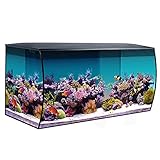
- Stylish Marine Aquarium: Contemporary design with curved front and honeycomb wrap that conceals water line and filter compartment sides
- Customizable LED Aquarium Lights: Fully adjustable 7500K White + RGB LEDs for endless color blends and plant growth support; controlled by FluvalSmart App
- Powerful Fluval Fish Tank Filtration: 3-stage filtration with oversized mechanical, chemical, and biological media for superior water quality
- Perfect Pet Supplies: Fish tank enclosure with multi-directional dual outputs for customized water flow; easy feed top cover opening
- Innovation for Fish Keepers: Fluval innovates to foster a sustainable future where aquatic life and humankind can thrive in harmony
Some tuna, swordfish, sharks, and billfish are highly migratory and may cross national boundaries. NOAA’s Greater Atlantic habitat FAQ notes that these species are managed domestically and internationally. “Open ocean” describes a habitat, not a guarantee that a fish remains offshore at every life stage.
Comparing Atlantic habitats
| Habitat | Where it is | Representative fish | How fish may use it |
|---|---|---|---|
| Estuaries and coastal nursery areas | Where rivers meet the sea, including marshes and seagrass or oyster habitats | Striped bass, spot, bay anchovy, menhaden | Feeding, shelter, growth, and sometimes reproduction |
| Coastal pelagic waters | Water column, often over the continental shelf | Anchovies, sardines, shad, menhaden, mackerels | Schooling, feeding, and predator-prey interactions |
| Reefs and other structured habitats | Coral or rocky reefs, seagrass, kelp, and oyster reefs | Groupers, snappers, parrotfish, wrasses | Shelter, feeding, and habitat for different life stages |
| Bottom-associated habitats | On or near the seafloor, from shelves to deep basins | Cod, flounders, monkfish, skates | Living and feeding near the bottom |
| Open-ocean pelagic waters | Water column, typically beyond the continental shelf | Tuna, swordfish, billfish, some sharks | Feeding and, for some species, long-distance migration |
Fish can change habitats during their lives
A fish’s habitat may depend on its age or activity. NOAA describes essential fish habitat as areas used for spawning, breeding, feeding, or growth to maturity. That framework, used for managed species in U.S. jurisdiction, reflects why a species may rely on several connected habitats rather than one location.
Some fish also move between freshwater and saltwater. Atlantic salmon, for example, hatch and reproduce in freshwater and use marine waters during part of their lives. More generally, fish distributions and habitat use can shift over time, including as environmental conditions change.
Is this a complete list of Atlantic fish?
No. The Atlantic spans broad geographic regions, and a short guide cannot list every resident, seasonal visitor, or species that uses the ocean during only one life stage. The fish named here are examples. A Caribbean reef fish is not necessarily found in cold northern waters, and a species’ range may differ by region, life stage, or conditions.
Recommended Free Tools
Rank #4
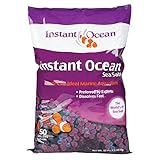
- FORMULATED SPECIFICALLY FOR MARINE AQUARIUMS: Contains every major, minor and trace element delicate marine fish and invertebrates need.
- DISSOLVES FAST: Superior solubility – provides a clear, ready-to-use solution in minutes.
- IDEAL pH: Quickly achieves and maintains ideal pH – free of nitrate and phosphate.
- CONVENIENT: No special additives are needed – will not separate during packaging and shipping.
- INSTANT OCEAN SEA SALT: The industry standard for quality, consistency and value for more than 40 years.
Frequently Asked Questions
What types of fish live in the Atlantic Ocean?
The Atlantic has coastal, reef, shelf, open-water, and deep-sea fish. Examples include menhaden, groupers, cod, flounders, tuna, sharks, and lanternfish. The species present depend on the region and habitat.
What does pelagic mean?
Pelagic describes fish that live in the water column rather than on or close to the seafloor. Coastal pelagic fish may live over the shelf, while oceanic pelagic fish typically live beyond it.
Do all Atlantic fish stay in one habitat?
No. Fish may use different habitats for nursery, feeding, spawning, or adult life, and some migrate between freshwater, estuaries, coastal waters, and the open ocean.
Are sharks considered fish?
Yes. Sharks, skates, and rays are cartilaginous fish. Their skeletons are made primarily of cartilage rather than bone.
Best Value
Do Atlantic salmon live in the ocean?
Yes. Atlantic salmon hatch and reproduce in freshwater and use marine waters during part of their lives before returning to freshwater to spawn.
Are tropical reef fish found throughout the Atlantic?
No. Reef-associated tropical fish are concentrated in warm regions such as the Caribbean, Bahamas, and Florida; they should not be assumed to live in cold northern waters.
The Bottom Line
Atlantic fish occupy habitats from estuaries and reefs to shelf bottoms, the open water column, and the deep sea. The examples in this guide are not a complete inventory, and many fish use different habitats as they grow, feed, reproduce, or migrate.
Quick Recap
Product prices and availability are accurate as of the date/time indicated and are subject to change. Any price and availability information displayed on Amazon at the time of purchase will apply.
Quick wins for a faster PC:
Repair Windows errors before they cause bigger problemsFix Now →Scan for outdated or missing drivers - takes under a minuteDriver Scan →



