
The Tool Desk
Outbyte PC Repair FREERepair Windows errors before they cause bigger problemsFix Now →Outbyte Driver Updater FREEFix the driver behind crashes, sound loss and screen glitchesFind Drivers →Most household cleaners can be used in a cat-owning home when the label is followed, the cat is kept away during application, and treated surfaces are fully dry before re-entry. Read the ingredient list first: never use a disinfectant containing phenols around cats, and treat quaternary ammonium compounds, strong acids or alkalis, concentrated bleach, essential oils, fabric softeners and dryer sheets as high-risk products.
For urine, vomit and other organic messes, an enzyme-based pet stain and odor cleaner is a reasonable category when used exactly as directed. Reserve diluted bleach for defined disinfection jobs, rinse and air the item until the odor has gone, and store every cleaner in a closed place your cat cannot reach.
As an Amazon Associate I earn from qualifying purchases.
Why some cleaning products are dangerous to cats
A cat can be exposed by licking wet residue, walking through a spill and grooming, inhaling irritating vapors, or chewing a package. The highest-risk period is usually while a product is wet. Even a cleaner that is acceptable after drying can injure a cat that steps into it or licks it during application.
Free tools Windows power users keep installed
One-click scans. No signup required.
Risk depends on the chemical, concentration, route of exposure and surface. “Natural” on a label is not a safety guarantee: vinegar is acidic, and cats are particularly sensitive to essential oils.
#1 Best Overall
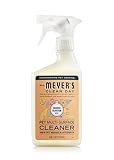
- HARDWORKING: A made-for-your-pet multi-surface cleaner that's expertly formulated for cleaning up typical pet messes and accidents
- MADE WITH POWERFUL INGREDIENTS: Crafted with probiotic micro-helpers for a continuous microscopic clean, odor neutralizing technology to fight pet smells and stinks right at the source opposed to masking them
- MULTI-USE: Made to be used on multiple types of hard surfaces like tile, floors, crates, and artificial turf
- SCENTS DESIGNED WITH PEOPLE AND PETS IN MIND: Our Orange Blossom scent smells like a bright, floral burst of blooming citrus—keeping your pet’s space smelling as fresh as a sunny orchard
- A CLEAN YOU CAN TRUST: Made of USDA Biobased formulas and recyclable bottles. Always Leaping Bunny Cruelty-Free and made without bleach, hydrogen peroxide, parabens, phthalates, and glycol solvents
| Hazard class | Where it may appear | Primary concern | Safer control |
|---|---|---|---|
| Phenols | Some disinfectants; names may include “phenol” or “2-Phenylphenol” | Very toxic to cats | Do not use around cats. Check the full ingredient list, not just the front label. |
| Quaternary ammonium compounds | Some disinfectant wipes and sprays | Can cause corrosive injury to the mouth and digestive tract | Choose a different product unless a veterinarian or label specifically supports its use; prevent all wet contact. |
| Strong acids and alkalis | Heavy-duty bathroom, drain and oven products | Can burn skin, mouth, esophagus and stomach | Keep the cat out, use protective equipment, and follow the label’s ventilation and re-entry directions. |
| Bleach (hypochlorite) | Disinfectants and whitening products | Concentrated solutions are corrosive; mixing with ammonia can create toxic chloramine gas | Use only the stated dilution for an appropriate task, rinse, air and never mix with ammonia. |
| Cationic detergents | Dryer sheets, fabric softeners and some specialty cleaners | Chemical burns; signs may be delayed | Store sealed and keep cats away from laundry spills and used products. |
| Essential oils | “Natural” cleaners, fragrances and concentrates | Cats are especially sensitive; exposure can occur through licking or skin contact | Avoid essential-oil cleaners in areas a cat can access. |
The CDC states: “If you have a cat, do not use disinfectants with ‘phenol’ in the ingredient list (the word ‘phenol’ may be part of a longer word, like ‘2-Phenylphenol’). Phenols are very toxic to cats.” This warning applies even when a product is marketed for general household disinfection.
A five-minute safety check before using any cleaner
- Read the ingredients. Look for phenol or 2-Phenylphenol, quaternary ammonium compounds, strong acids or alkalis, hypochlorite, essential oils and cationic detergents. If the complete list is unavailable, do not assume the product is cat-safe.
- Decide whether you need cleaning or disinfection. Cleaning removes soil. Disinfection is a chemical treatment for reducing pathogens and usually has stricter contact-time, dilution and rinsing requirements. Do not use a disinfectant simply because its marketing sounds stronger.
- Follow the label exactly. Use the specified concentration, contact time, rinsing method and ventilation. A stronger mixture is not automatically safer or more effective.
- Control access. Put the cat in another closed room before opening the bottle. Remove food, water bowls, toys and bedding that are not meant to be treated.
- Ventilate and wait for re-entry. Keep the cat out while the product is wet and until the label permits re-entry. For products without a clear re-entry statement, wait until the surface is completely dry and the room has aired.
- Store the container immediately. Close the cap and place it in a latched cabinet or other location the cat cannot enter. Do not leave a soaked cloth, mop bucket, wipe or open pod unattended.
When diluted bleach is appropriate
Bleach is conditional, not a universal household cleaner. The CDC’s pet-supply guidance uses 2 fluid ounces (one-quarter cup) of household bleach per gallon of water. Common household bleach generally contains 3–5% hypochlorite; concentrated or high-strength products can cause corrosive burns, so use the product’s own dilution instructions when they differ.
Pet toys, kennels and other hard items
- Pre-clean when the label directs you to remove visible dirt before disinfection.
- Mix only the stated dilution. Measure rather than pouring by guesswork.
- Keep the cat away during application and for the entire label contact time.
- Rinse the item thoroughly with clean water when the label requires it.
- Air it until the bleach odor has dissipated and the surface is dry before returning it to the cat.
Never combine bleach with ammonia or an ammonia-containing cleaner. The mixture can release chloramine gas that damages the lungs. Do not pour bleach into a bottle that previously held another product unless it has been properly cleaned and the label permits reuse.
Quick wins for a faster PC:
Repair Windows errors before they cause bigger problemsFix Now →Fix the driver behind crashes, sound loss and screen glitchesFind Drivers →Clear out junk files and repair common Windows errorsFree Scan →Rank #2

- HARDWORKING: A made-for-your-pet multi-surface cleaner that's expertly formulated for cleaning up typical pet messes and accidents
- MADE WITH POWERFUL INGREDIENTS: Crafted with probiotic micro-helpers for a continuous microscopic clean, odor neutralizing technology to fight pet smells and stinks right at the source opposed to masking them
- MULTI-USE: Made to be used on multiple types of hard surfaces like tile, floors, crates, and artificial turf
- SCENTS DESIGNED WITH PEOPLE AND PETS IN MIND: Coconut Leaf scent smells like a fresh, breezy blend of green palms and creamy coconut—keeping your pet’s world smelling like a tropical getaway.
- A CLEAN YOU CAN TRUST: Made of USDA Biobased formulas and recyclable bottles. Always Leaping Bunny Cruelty-Free and made without bleach, hydrogen peroxide, parabens, phthalates, and glycol solvents
Bleach is a poor choice for porous, delicate or untested surfaces. Check for color damage and material restrictions first, and choose a product specifically labeled for that surface.
Enzyme cleaners for urine and other organic messes
Enzyme-based pet stain and odor cleaners are designed to break down organic residues such as urine, feces, vomit and some food stains. They are a practical first choice when the goal is odor and soil removal rather than disinfection.
How to use one safely
- Blot or remove the mess as the label directs; avoid spreading it into a larger area.
- Apply enough product to reach the contaminated material, including carpet backing or upholstery padding when the instructions call for that.
- Observe the label’s dwell time. Wiping immediately can prevent the enzymes from working.
- Keep the cat away until the treated area is fully dry and the label’s re-entry direction is satisfied.
- Store the bottle closed after use and wash your hands.
ASPCA guidance says enzyme cleaners generally cause mild stomach upset if ingested, but that is not permission for a cat to lick a wet treatment. Drying remains the practical barrier between application and grooming exposure. Marketing claims such as “pet-friendly” do not replace the ingredient list or directions.
Rank #3
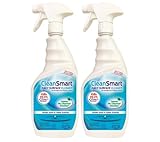
- KILLS 99.9% OF VIRUSES AND BACTERIA and leaves no harsh residue PACKAGING MAY VARY
- DAILY SURFACE DISINFECTANT for household cleaning; countertops, pet bowls, highchairs, floors and toys, non-abrasive
- SAFE TO SPRAY AROUND FOOD; Breaks down to saline solution after it kills viruses and bacteria. Free of alcohol, ammonia, bleach, fragrance & dyes
- FRIENDLY CLEANING SUPPLIES; Safe to store with kids and pets nearby, no harsh fumes or odors
- DISINFECTING HYPOCHLOROUS; Nature's germ killer made in the USA
Vinegar, essential oils and other “natural” options
Vinegar is acidic. If you use it, dilute it as directed for the surface, rinse where appropriate and allow the area to dry before the cat returns. It should not be treated as a blanket substitute for a registered disinfectant, and it should never be combined with bleach.
Do these 3 things before closing this tab:
1Fix the driver behind crashes, sound loss and screen glitches2Clear out junk files and repair common Windows errors3Scan for outdated or missing drivers - takes under a minuteEssential oils deserve extra caution. Cats metabolize many oil constituents poorly, and exposure can happen when a cat licks a recently cleaned surface, walks through a concentrate or inhales a strongly scented room. Avoid essential-oil cleaners in cat-accessible areas rather than relying on a “natural” label.
For any alternative product, apply the same screening: identify the ingredients, determine whether it is a cleaner or disinfectant, follow dilution and ventilation directions, and prevent wet contact.
Rank #4

- LITTER BOX SCRUBBING WIPES: Cleans litter box messes & breaks down odors on contact
- ENZYMATIC FORMULA: Durable wipes hold up against tough litter box messes
- ODORCAPTURE 360 TECHNOLOGY: Destroys litter box odors
- TOUGH ON LITTER BOX MESSES & ODORS: Gentle on paws
- SAFE FOR PETS & HOME: When used & stored as directed
Laundry products require a separate safety plan
Unused dryer sheets and fabric softeners contain cationic detergents that can burn the mouth, esophagus and stomach. ASPCA guidance notes drooling, vomiting and oral or esophageal ulcers; its September 17, 2026 update warns that severe effects can follow relatively small exposures and may be delayed.
Pods and liquid laundry detergents can irritate the mouth and digestive tract and sometimes cause serious signs. Keep all packages in a closed cabinet, not on top of a washer or in an open basket. Clean spills immediately, remove a dropped sheet before a cat can chew it, and do not let a cat play with used sheets or scent beads.
If laundry liquid gets on fur
Prevent grooming and contact a veterinarian promptly for product-specific washing instructions. The correct response depends on the substance and amount; do not improvise with another cleaner.
Best Value

- Plant-Powered Cleaning for Daily Messes: This all-purpose cleaner helps tackle grease, grime, stains, and soap scum across countertops, stainless steel, laminate floors, sealed wood, and glass without streaks. Made for busy homes, it helps refresh kitchens, bedrooms, and bathrooms, while staying gentle enough for use around kids and pets
- Free & Clear Formula, 0% Dyes & Fragrances: With no dyes, no fragrance, and no VOCs, this multi-surface cleaner gives you a powerful clean without harsh fumes. It wipes surfaces clear without leaving residue, supporting individuals and families who prefer unscented products and want calm, breathable shared living areas
- For Use on Multiple Surfaces: Safe for granite, stainless steel, sealed wood, and even car interiors, this surface cleaner removes smudges and everyday buildup with ease. It rinses clean and stays reliable for quick resets in kitchens, bathrooms, and busy rooms where you want surfaces to feel fresh and ready for daily use
- Thoughtfully Formulated: Made with plant-based cleaning agents and sold in sustainable packaging, this all purpose cleaner supports mindful home care. The formula shines on hard, nonporous surfaces, helping maintain a healthier-feeling home through reliable everyday cleaning
- Build Your Ideal Cleaning Routine: Pair with Seventh Generation Multi-Surface Wipes for a completed home cleaning routine. Together, they create a flexible, plant-powered cleaning routine that adapts to your day, from quick countertop wipes to thorough kitchen resets, all with ingredients you can feel good about
Match the method to the surface
| Task | Preferred approach | Critical condition before cat returns |
|---|---|---|
| Urine or vomit on carpet or upholstery | Enzyme-based stain and odor product used according to its label | Entire treated area is dry; follow any stated ventilation or re-entry time. |
| Hard pet toys or kennel surfaces needing disinfection | Approved diluted bleach solution or another label-appropriate disinfectant | Required rinse completed, bleach odor dissipated and surface dry. |
| Routine dust and soil | Plain water or a mild cleaner whose label permits the surface | No wet residue remains and the room is aired. |
| Carpet powder | Use only as directed | Vacuum thoroughly before the cat returns, as ASPCA advises. |
| Carpet shampoo | Product labeled for the carpet material | Carpet is completely dry before re-entry. |
| Food and water bowls | Wash with a product suitable for the material and rinse thoroughly | No cleaner taste, film or odor remains. |
Do not apply a disinfectant to a surface merely because it is available. The more aggressive the chemistry, the more important it is to confirm that the material can be rinsed and that the cat cannot groom residue from it.
What to do if a cat licks, chews or walks through cleaner
Any suspected ingestion of a corrosive product is an emergency question, even if the cat appears normal. Strong acids, alkalis, concentrated bleach, quaternary ammonium compounds, phenols and cationic detergents can damage tissue before obvious signs develop. Laundry-product effects may also be delayed.
- Stop access. Move the cat away from the spill and prevent further licking or grooming.
- Do not induce vomiting. Vomiting can expose the esophagus to a corrosive chemical a second time. Give nothing by mouth unless a veterinarian directs it.
- Call for professional advice immediately. Contact your veterinarian or an emergency clinic. In the United States, ASPCA Poison Control is available 24/7 at (888) 426-4435; a consultation fee may apply.
- Keep the container or a photo of its label. Tell the clinician the product name, ingredients, concentration, estimated amount, time of exposure and whether it contacted skin or eyes.
- Watch for worsening signs while arranging care. Drooling, vomiting, pawing at the mouth, difficulty swallowing, coughing, breathing changes, lethargy or refusal to eat all require urgent veterinary attention.
Do not wait for symptoms after a known corrosive exposure. A normal appearance does not rule out internal injury.
Windows Errors? Fix Them Before They Spread
Repair common Windows errors and clear accumulated junk for a smoother, more stable PC - no reinstall needed.Free scan · no reinstallCrashes, No Sound, or Screen Glitches?
Random freezes, missing sound and display glitches usually trace back to one bad driver. Find and replace yours safely.Free scan · under a minuteBuild a cat-safe cleaning routine
- Keep a designated closed room for the cat during cleaning.
- Use measuring cups for bleach dilution and label any mixed solution with its contents and date.
- Never transfer cleaners into food or drink containers.
- Rinse mop heads, cloths and buckets after use, then store them where the cat cannot reach them.
- Wash hands before handling food, bowls or medications.
- Check floors, counters and furniture at cat-eye level for wet spots or dropped wipes.
- Discard leaking, swollen or damaged packages rather than trying to salvage them.
The safest product is the one whose ingredients and directions you can verify, used for the narrow job it was designed to do, with the cat excluded until the exposure window has ended.
Quick Recap
Product prices and availability are accurate as of the date/time indicated and are subject to change. Any price and availability information displayed on Amazon at the time of purchase will apply.





Leave a Reply