
Free tools Windows power users keep installed
One-click scans. No signup required.
Several kitchen herbs and herb-like plants are toxic to cats. Current ASPCA listings support nine examples—oregano, mint, parsley, marjoram, catnip, Spanish thyme (Indian borage), garlic, chives and lavender—and five listed as non-toxic: basil, common thyme, rosemary, cilantro and dill. That is not a verified list of “10 toxic and 7 safe” herbs, so this guide does not invent extra entries. “Non-toxic” means the plant is not classified as toxic in the ASPCA listing; it does not mean a cat should eat unlimited amounts.
Why the exact plant matters
Herb names are unreliable shorthand. Different species can share a common name, and two plants that sound similar can have opposite classifications. Common thyme (Thymus vulgaris) is listed as non-toxic, while Spanish thyme, also called Indian borage (Coleus amboinicus), is listed as toxic. Mint also covers many Mentha species, so identify the plant rather than assuming every mint has identical chemistry.
As an Amazon Associate I earn from qualifying purchases.
The ASPCA says its plant database is not all-inclusive. A plant absent from this article is not automatically safe, and a plant listed as non-toxic can still cause stomach upset when eaten. Use the scientific name, a clear photograph and the source label when asking a veterinarian or poison-control service for advice. If a jar says only “mixed herbs,” retain the full ingredient panel; garlic, chives or another Allium may be present even when the food is marketed under a different flavor name.
Outdated Drivers Are Slowing You Down
One free scan finds every outdated or missing driver and matches the right update for your exact hardware.Free scan · exact hardware matchPC Slower Than It Used to Be?
A free scan shows the junk files, broken settings and background clutter dragging Windows down - then fixes them in one click.Free scan · Windows 10 & 11Form matters for identification, not as a reason to assume safety. A cat may encounter a live windowsill plant, a fresh garnish, dried leaves, powdered seasoning, cooked food, a supplement or a concentrated preparation. Tell the professional which form was involved and whether the cat chewed leaves, licked residue or ate a larger portion.
#1 Best Overall

- High-Quality Wheat Grass Blend: The Cat Ladies' premium wheat grass seed blend is packed with the good stuff. Grown, harvested, and packaged in the U.S., our wheatgrass seeds contain wheat, oats, rye, and barley, which gives our pet grass its delicious, earthy flavor, and makes it a healthy treat.
- Organic and Non-GMO: It's easy being green now more than ever! Our grass seed blend is organically grown and non-GMO. Loaded with essential nutrients like vitamins A, B, C, calcium, and iron, our pet grass is a superfood that helps with digestion, inflammation, and much more.
- Easy Come, Easy Grow: Our seed blend grows wheat grass in just 4-7 days. Choose your favorite planter, garden soil (we suggest our coco coir soil disks), sprinkle in some wheat seeds, and just add water! You'll see your grass grow up to 4" in just 4-7 days. No green thumb required.
- For People Too: Wheat grass makes a healthy treat for cats, dogs, rodents, reptiles, and you! Add some grass to your juicing recipes, or mix it in a blender for an energizing wheatgrass shot. You can even make your own wheatgrass powder or eat it fresh.
- What's Inside: Our seed blend comes in a BPA-free, resealable 8-ounce bag. Each bag contains about 25 plantings or a year's supply of our premium organic grass seeds, so you can always have a fresh batch growing. Read our Cat Ladies insert for easy-to-follow instructions and growing tips.
Herbs and herb-like plants ASPCA lists as toxic to cats
| Plant and scientific identity | Classification | Hazard identified in the listing |
|---|---|---|
| Oregano (Origanum vulgare hirtum) | Toxic | Gastrointestinal irritants |
| Mint (Mentha species) | Toxic | Essential oils |
| Parsley (Petroselinum crispum) | Toxic | Furanocoumarins; photosensitization |
| Marjoram (Origanum majorana) | Toxic | Not specified beyond gastrointestinal effects |
| Catnip (Nepeta cataria) | Toxic | Plant compounds can affect the digestive and nervous systems |
| Spanish thyme/Indian borage (Coleus amboinicus) | Toxic | Essential oils |
| Garlic (Allium sativum) | Toxic | N-propyl disulfide |
| Chives (Allium schoenoprasum) | Toxic | Allium compounds |
| Lavender (Lavandula angustifolia) | Toxic | Linalool and linalyl acetate |
Oregano
Greek oregano identified as Origanum vulgare hirtum is listed as toxic. The ASPCA entry describes gastrointestinal irritation, with mild vomiting and diarrhea. A dried seasoning, fresh leaves and a potted plant all warrant the same identification check; do not assume that a culinary form is exempt. If oregano is part of a seasoning blend, photograph the label so a veterinarian can assess every ingredient rather than oregano alone.
Mint
ASPCA lists Mentha species as toxic because of their essential oils. Vomiting and diarrhea are listed with large ingestions. Because “mint” can refer to multiple species and cultivars, keep the package or nursery label and photograph the plant if exposure occurs. A familiar smell or a cat’s previous interest in mint does not establish that a particular cultivar is harmless.
Parsley
Parsley (Petroselinum crispum) contains furanocoumarins. The listed concern is photosensitization, and the entry specifies that large amounts are needed for this effect. A cat that has eaten a small garnish still needs monitoring and professional guidance, but the amount qualification should be conveyed accurately rather than treating every nibble as equivalent. Do not turn that qualification into a home-calculated dose: the amount in a sprig, garnish or prepared dish can be difficult to estimate.
Quick wins for a faster PC:
Fix the driver behind crashes, sound loss and screen glitchesFind Drivers →Clear out junk files and repair common Windows errorsFree Scan →Scan for outdated or missing drivers - takes under a minuteDriver Scan →Marjoram
Sweet or garden marjoram (Origanum majorana) is listed as toxic, with vomiting and diarrhea among the expected signs. Marjoram is closely related to oregano, so labels on mixed seasoning blends can be important when determining which plant was present. Record whether the cat accessed a living plant, a spice container or food seasoned at the table.
Catnip
Catnip (Nepeta cataria) is a special case: many cats enjoy its scent or taste, yet ASPCA still lists it as toxic. The entry reports vomiting and diarrhea and notes that some cats may become sedated while others become stimulated. Popularity is therefore not a safety guarantee. A cat that becomes unusually sleepy, agitated or uncoordinated after exposure should be described to a veterinarian along with the product label and approximate amount.
Rank #2

- Premium Cat Grass Seeds Mix: 4 oz pack contains over 5,200 Non-GMO heirloom grass seeds for indoor cats, including a premium mix of Barley, Oats, Wheat and Rye. Our indoor plant seeds boast 90%+ germination rate, proven through rigorous testing. Perfect for growing fresh indoor grass for cats, it’s a natural, healthy cat grass treats that promote digestion and reduces hairballs.
- Innovative Cat Grass Seed Packaging: Organo Republic cat grass seeds come in a waterproof resealable seed bag protects grass seeds from sunlight and moisture, allowing secure storage for successful planting now or later, ensuring freshness and high germination rates. The package features QR codes to online growing guide, making it easy for gardeners of all levels to grow fresh indoor grass for cats and pets. We prioritize sustainability to ensure environmental safety.
- Natural Remedy for Cats: Cat grass works as a natural hairball remedy, helping move fur through the digestive system. Packed with vitamins A and C, it boosts immunity, while chlorophyll detoxes and supports liver health. Chewing the grass cleans pet's teeth and reduces plaque, keeping your cat happy and thriving.
- Grow Cat Grass Anywhere, for Any Pet: Perfect for indoor trays or backyard planting, cat grass grown from our seeds suits cats, dogs, rabbits, turtles, and birds alike. With a superior germination rate, you’ll grow your own cat grasse year-round. Easy to grow in any setting, these high-quality seeds ensure a delicious, healthy cat grass treats for your pets. Plus, it’s the ideal gift for pet lovers!
- US Sourced Premium Cat Grass Seeds: We source our seeds only from the most trusted and sustainable seed suppliers and farmers. We proudly test and package them in our Florida Boutique Family-Owned Facility to provide you with the best quality. Our cat grass seeds for planting undergo rigorous testing with a 90%+ germination rate. Sealed to last for up to 2 years, you can trust the freshness and viability of our cat grass seeds.
Spanish thyme (Indian borage)
Coleus amboinicus is commonly sold under names including Spanish thyme and Indian borage. ASPCA lists essential oils as the hazard and reports vomiting, diarrhea, depression, loss of appetite and, occasionally, bloody vomit or diarrhea. This plant is not the same species as culinary common thyme. Check the Latin name on nursery tags whenever a plant is sold simply as “thyme,” and do not substitute the non-toxic classification of common thyme for this plant.
Garlic
Garlic (Allium sativum) contains N-propyl disulfide and can damage red blood cells. Listed signs include vomiting, anemia from red-cell breakdown, blood in the urine, weakness, a fast heart rate and panting. Garlic in sauces, powders, supplements or garden plants should all be treated as potential Allium exposure. Tell the clinic whether the exposure involved a clove, powder, cooked dish or supplement, since the form and amount help clinicians decide what information is needed.
Recommended Free Tools
Chives
Chives (Allium schoenoprasum) appear in ASPCA’s toxic cat-plant list. VCA groups chives with onion, garlic and leek as Allium plants capable of poisoning cats. A cat may encounter chives in a windowsill pot, garnish or prepared food, so note the form and approximate amount. Check soups, sauces and leftovers for hidden chives or other Allium ingredients rather than judging exposure by visible leaves alone.
Lavender
English lavender (Lavandula angustifolia) is listed as toxic because of linalool and linalyl acetate. The reported signs are nausea, vomiting and reduced appetite. Do not extrapolate from the popularity of lavender fragrance products to a conclusion that the living plant or concentrated preparations are harmless. Keep the product container if a cat licked a fragranced item, because a professional needs to distinguish the plant from a formulation containing concentrated oils or other ingredients.
Herbs ASPCA lists as non-toxic
| Plant and scientific identity | ASPCA classification for cats | Important qualification |
|---|---|---|
| Basil (Ocimum basilicum) | Non-toxic | Not a recommendation to feed |
| Common thyme (Thymus vulgaris) | Non-toxic | Do not confuse with Spanish thyme/Indian borage |
| Rosemary (Rosmarinus officinalis) | Non-toxic | Plant classification only |
| Cilantro/coriander (Coriandrum sativum) | Non-toxic | Plant classification only |
| Dill (Anethum graveolens) | Non-toxic | Prolonged contact may cause dermatitis from essential oils |
Basil
Basil is listed as non-toxic to cats. That classification addresses inherent plant toxicity; it does not establish a nutritional benefit, a safe serving size or permission to add basil routinely to a cat’s diet. Eating any plant material can still upset the gastrointestinal tract. If a cat samples basil, remove the plant and observe; call for advice when the amount is unknown or signs appear.
Rank #3

- Premium USA-Harvested Seeds: Keep your pets healthy all year round with freshly grown cat grass, from seeds harvested right here in the USA
- Nutritious and Flavorful Blend: Our cat greens are grown for both flavor and nutrition to encourage even the most selective eaters to enjoy their greens
- Nutrient-Rich Supplement for Small Pets: Not just for cats! This fresh green supplement is a favorite for Rabbits, Guinea Pigs, and Hamsters, serving as an excellent source of essential vitamins and hydration that dry hay alone cannot provide while mimicking natural foraging behavior
- Wheat-Free Oat and Barley Mix: Our exclusive Oat and Barley blend offers a significantly softer texture and a naturally sweeter flavor profile compared to standard wheatgrass, with easier digestion for sensitive stomachs while effectively aiding in hairball control
- Easy Indoor Growing: No experience or special care needed to grow these non-GMO, chemical-free seeds in pots, trays, or containers, providing fresh nutritious greens for your indoor pets throughout the year
Common thyme
Common thyme (Thymus vulgaris) is the thyme listed as non-toxic. Check the scientific name, because Spanish thyme/Indian borage is a different plant with a toxic classification. Store both plants separately and label them clearly if you grow several types of thyme.
Rosemary
Rosemary (Rosmarinus officinalis) is listed as non-toxic. Keep loose sprigs, potting soil and any treated plant out of reach if your cat tends to chew, since the non-toxic label does not prevent mechanical irritation or stomach upset. The listing concerns the plant’s toxicity classification, not rosemary oils, extracts or a recommendation to use it in a cat’s diet.
Cilantro
Cilantro, also called coriander, is Coriandrum sativum and is listed as non-toxic. The listing does not say that cilantro is beneficial or that concentrated cilantro products are suitable for cats. Keep the label when buying seeds or plants because common names can be used inconsistently.
Dill
Dill (Anethum graveolens) is listed as non-toxic, with a note that prolonged contact with its essential oils may cause dermatitis. A cat with skin redness or itching after contact needs veterinary advice even though the plant itself is not classified as toxic. A non-toxic classification also does not make dill oil or an extract interchangeable with the plant.
Can cats eat basil, mint, parsley or rosemary?
Basil and rosemary are in the ASPCA non-toxic group, while mint and parsley are in the toxic group. None of those classifications makes deliberate feeding a good practice. Remove the plant, keep the label, and call a veterinarian if ingestion was more than a trivial taste, the amount is unknown, or any sign develops. For parsley, the large-amount qualification matters, but it should not be used to self-calculate a “safe” dose. If the herb was in a prepared meal, provide the complete ingredient list, including powders and sauces.
What’s actually slowing this PC down?
Pick the symptom - the matching free tool is one click away.
Rank #4
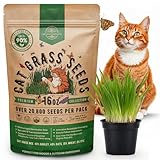
- Premium Cat Grass Seeds Mix: 16 oz pack contains over 20,800 Non-GMO heirloom grass seeds for indoor cats, including a premium mix of Barley, Oats, Wheat and Rye. Our indoor plant seeds boast 90%+ germination rate, proven through rigorous testing. Perfect for growing fresh indoor grass for cats, it’s a natural, healthy cat grass treats that promote digestion and reduces hairballs.
- Innovative Cat Grass Seed Packaging: Organo Republic cat grass seeds come in a waterproof resealable seed bag protects grass seeds from sunlight and moisture, allowing secure storage for successful planting now or later, ensuring freshness and high germination rates. The package features QR codes to online growing guide, making it easy for gardeners of all levels to grow fresh indoor grass for cats and pets. We prioritize sustainability to ensure environmental safety.
- Natural Remedy for Cats: Cat grass works as a natural hairball remedy, helping move fur through the digestive system. Packed with vitamins A and C, it boosts immunity, while chlorophyll detoxes and supports liver health. Chewing the grass cleans pet's teeth and reduces plaque, keeping your cat happy and thriving.
- Grow Cat Grass Anywhere, for Any Pet: Perfect for indoor trays or backyard planting, cat grass grown from our seeds suits cats, dogs, rabbits, turtles, and birds alike. With a superior germination rate, you’ll grow your own cat grasse year-round. Easy to grow in any setting, these high-quality seeds ensure a delicious, healthy cat grass treats for your pets. Plus, it’s the ideal gift for pet lovers!
- US Sourced Premium Cat Grass Seeds: We source our seeds only from the most trusted and sustainable seed suppliers and farmers. We proudly test and package them in our Florida Boutique Family-Owned Facility to provide you with the best quality. Our cat grass seeds for planting undergo rigorous testing with a 90%+ germination rate. Sealed to last for up to 2 years, you can trust the freshness and viability of our cat grass seeds.
What to do if your cat ate an herb
- Remove access. Move the plant, spilled seasoning or prepared food away from the cat and save the container or take clear photographs.
- Identify the exposure. Record the common and scientific names if available, whether it was fresh, dried, cooked or concentrated, the approximate amount, and when it happened.
- Call promptly. Contact your veterinarian, an emergency veterinary clinic or an animal poison-control service rather than waiting for symptoms. ASPCA Poison Control lists (888) 426-4435.
- Do not induce vomiting or give home remedies unless a veterinary professional specifically directs you. Cats can be harmed by inappropriate treatments.
- Monitor while arranging care. Watch for vomiting, diarrhea, drooling, weakness, depression, loss of appetite, panting, a rapid heartbeat, blood in urine or vomit, breathing changes, skin irritation or unusual sedation or stimulation. Severe signs require emergency care immediately.
Cornell University College of Veterinary Medicine likewise advises contacting a veterinarian, emergency clinic or poison-control service for suspected plant poisoning. A normal appearance shortly after ingestion does not prove that delayed effects are impossible, particularly with Allium plants that can damage red blood cells. Do not wait for a symptom checklist to become complete before calling; early details about the plant and amount are more useful than guessing at home.
Independent reader supportYour contribution helps us test, update, and keep practical guides available for everyone.Preventing herb exposures
- Keep potted herbs behind a closed door, in a secured greenhouse cabinet or where a cat cannot climb.
- Store dried herbs, spice jars, meal kits and supplements in closed cupboards; counter scraps can contain garlic or chives.
- Label plants with their scientific names when buying or propagating them.
- Do not use essential-oil diffusers, concentrated oils or homemade extracts as a substitute for a plant-safety assessment. The toxic listings for mint, Spanish thyme and lavender specifically identify essential-oil constituents.
- Inspect bouquets, windowsill planters and outdoor access areas, and remove volunteer plants that cannot be identified.
- Ask everyone in the household not to leave garnishes, seasoning packets or bowls of infused oil where a cat can lick them.
How complete is this list?
The nine toxic and five non-toxic entries above are the examples supported by the cited ASPCA listings, not exhaustive totals. ASPCA says its database is not all-inclusive, and additional plants commonly called herbs appear in broader plant lists. A plant should be added only after its identity and cat-specific classification are checked. Do not rank these plants from “mildest” to “most toxic”: the available entries describe different hazards, signs and amount qualifications rather than a common severity scale.
ASPCA Poison Control’s 2024 report says the center answered more than 450,000 calls and assisted an animal more than 320,000 times. Those figures describe overall service volume, not herb-specific poisoning frequency. Dr. Tina Wismer, senior director of toxicology at ASPCA Poison Control, says: “For nearly 50 years, ASPCA Poison Control has been helping pets and their families by providing customized medical advice for cases of accidental poisonings and toxic ingestions, offering a lifesaving resource for pet owners nationwide.” Use that professional channel for an individual exposure instead of trying to infer risk from a general plant list.
Frequently Asked Questions
Which herbs are toxic to cats?
ASPCA lists oregano, mint, parsley, marjoram, catnip, Spanish thyme or Indian borage, garlic, chives and lavender as toxic to cats. Their hazards differ, so identify the exact plant and do not assume one herb’s signs or amount qualification applies to another.
What herbs are listed as non-toxic for cats?
ASPCA lists basil, common thyme (Thymus vulgaris), rosemary, cilantro or coriander, and dill as non-toxic. This is a plant classification, not a recommendation to feed herbs or a guarantee against stomach upset.
Best Value

- CAT GRASS SEEDS FOR BULK CAT GRASS FOR INDOOR CATS: Stop overpaying for tiny plastic cups and mystery fillers. We give you a full POUND of pure, premium wheatgrass seeds for growing, enough to grow dozens of fresh trays of wheat grass for cats. More grass, less hassle, and incredible value.
- PET GRASS SEEDS FOR NATURAL HAIRBALL & DIGESTIVE SUPPORT: Give your furry friend the fresh greens they naturally crave! Cat grass is a safe, healthy houseplant alternative that aids in healthy digestion, helps prevent hairballs, and provides essential vitamins and minerals.
- WHEAT GRASS FOR CATS THAT'S EASY TO GROW IN 5 DAYS: No green thumb? No problem. Just soak, plant, mist, and watch it grow indoors or outdoors. Whether you’re using a sprouting tray, a planter pot, or a DIY mason jar, Todd’s Seeds makes growing pet grass practically foolproof.
- 100% NON-GMO & CHEMICAL-FREE: At Todd's Seeds, we are pet lovers and nutrition nerds. Our seeds are grown without chemicals or GMOs, ever. It is safe, clean, and healthy for cats, dogs, rabbits, and every furball in your home.
- GROWN & PACKED IN THE USA: We don’t import random seed lots from overseas. Our wheatgrass is hand-selected, rigorously lab-tested for purity, and packed fresh right here in the USA to guarantee maximum germination and safety.
Can cats eat basil or rosemary?
Both are listed as non-toxic by ASPCA, but cats should not be deliberately fed unlimited amounts. Remove access and contact a veterinarian if the amount was substantial, unknown or followed by symptoms.
Is catnip safe because cats enjoy it?
No. ASPCA lists catnip as toxic and reports vomiting and diarrhea; some cats may be sedated while others become stimulated. Enjoyment and popularity do not establish safety.
Are common thyme and Spanish thyme the same?
No. Common thyme is Thymus vulgaris and is listed as non-toxic. Spanish thyme or Indian borage is Coleus amboinicus and is listed as toxic. Check the scientific name on the label.
What signs can toxic herbs cause?
Depending on the plant, listed signs include vomiting, diarrhea, nausea, reduced appetite, depression, weakness, panting, rapid heart rate, blood in urine or vomit, anemia, unusual sedation or stimulation, and skin irritation. Call a veterinarian or poison-control service rather than waiting for signs to multiply.
What should I do immediately after my cat eats an herb?
Remove the source, save the packaging or photograph the plant, record the amount and time, and call your veterinarian, an emergency clinic or ASPCA Poison Control at (888) 426-4435. Do not induce vomiting or give a home remedy unless a professional instructs you.
The Bottom Line
Use the scientific plant name, not a familiar herb label, to judge risk. ASPCA lists nine supported toxic examples—oregano, mint, parsley, marjoram, catnip, Spanish thyme, garlic, chives and lavender—and five non-toxic examples—basil, common thyme, rosemary, cilantro and dill. Non-toxic does not mean unlimited eating. After any uncertain or potentially toxic ingestion, save the label or plant photograph and contact a veterinarian or animal poison-control service promptly.
Quick Recap
Product prices and availability are accurate as of the date/time indicated and are subject to change. Any price and availability information displayed on Amazon at the time of purchase will apply.
Do these 3 things before closing this tab:
1Scan for outdated or missing drivers - takes under a minute2Repair Windows errors before they cause bigger problems3Fix the driver behind crashes, sound loss and screen glitches




Leave a Reply