Recommended Free Tools
True lilies (Lilium species) and daylilies (Hemerocallis species) are the lilies that can cause severe kidney injury in cats, and even small exposures are serious. If your cat has chewed any part of one of these plants, has brushed against its pollen, or has drunk water from a vase that held lilies, contact a veterinarian or ASPCA Poison Control right away, before any symptoms appear.
The word “lily” is also used for plants with very different effects, including peace lilies, Peruvian lilies and lily of the valley. The safe answer depends on identifying the actual plant, not on the name alone.
Which lilies are dangerous to cats
The ASPCA identifies two plant groups as the important ones for cats:
- True lilies (Lilium species). Examples include Easter, Asiatic, Oriental, Stargazer and Japanese show lilies. The ASPCA lists Lilium longiflorum and Lilium speciosum among the species it describes.
- Daylilies (Hemerocallis species). These are also toxic to cats and are associated with kidney failure.
In cats, the central concern is acute kidney injury, and the ASPCA states that even small exposures can cause severe kidney damage. The same concern does not apply to every lily-named plant, and the ASPCA’s plant database lists ordinary Lilium as non-toxic to dogs and horses. Cat owners should still treat any true lily or daylily in the home as a cat emergency risk.
Quick wins for a faster PC:
Fix the driver behind crashes, sound loss and screen glitchesFind Drivers →Clear out junk files and repair common Windows errorsFree Scan →Scan for outdated or missing drivers - takes under a minuteDriver Scan →#1 Best Overall
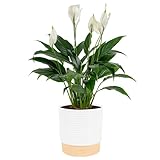
- ELEGANT LIVE PLANT DECOR: The pure white blooms of the Peace Lily bring timeless sophistication to any space. Ideal as a tabletop centerpiece, living room accent, or serene office décor, this plant makes a thoughtful year-round or thoughtful gift for plant lovers and home décor enthusiasts
- BREATHE EASIER WITH A NATURAL AIR PURIFIER: Beautiful Peace Lily Plant helps to filter the air, removing toxins for a healthier indoor environment. Elevate your indoor garden with this air-cleaning houseplant for a fresh home
- CREATE A CALMING SANCTUARY: The Peace Lily's elegant white blooms and deep green leaves are perfect for setting a tranquil mood and enhancing your space's sense of wellbeing
- PERFECT GIFT FOR ANY OCCASION: Features beautiful, colorful flowers, making it a unique and thoughtful gift for any occasion. A memorable present for friends and family
- FRESH PLANT, READY FOR YOUR HOME: Your beautiful, healthy live indoor plant, fresh from our farm, arrives secured in specialized packaging right to your home
Other plants called “lilies” and what they do
The table below compares the plants that share the lily name with the true lilies. Effects are as described by the ASPCA; the severity of any exposure depends on how much was eaten and the animal involved.
| Common name | Botanical name | Pets affected and effects described by the ASPCA |
|---|---|---|
| Easter, Asiatic, Oriental, Stargazer, Japanese show and other true lilies | Lilium spp. | Toxic to cats, with kidney injury or failure as the central concern. Ordinary Lilium is listed as non-toxic to dogs and horses in the ASPCA plant database. |
| Daylilies | Hemerocallis spp. | Toxic to cats and associated with kidney failure. The ASPCA plant database lists them as non-toxic to dogs. |
| Peace lily | Spathiphyllum spp. | Insoluble calcium oxalate crystals cause mouth pain, drooling, vomiting or diarrhea. Serious effects are uncommon, but mouth swelling can rarely affect breathing. |
| Peruvian lily | Alstroemeria spp. | May cause vomiting or diarrhea. The ASPCA does not expect it to cause life-threatening organ injury. |
| Lily of the valley | Convallaria majalis | Toxic to cats and dogs (and horses, per the ASPCA plant database). Signs can include vomiting, irregular heartbeat, low blood pressure, disorientation, coma or seizures. |
Lily of the valley is the one lookalike in this group that the ASPCA describes as a cardiac and neurologic hazard, so a bouquet containing it needs the same caution as a true lily, and it is a risk for dogs as well as cats.
Rank #2

- LIVE INDOOR PLANT: Bring home a beautiful Peace Lily to add a relaxing, calm feel to any space. These houseplants are natural air purifiers that help keep your indoor air fresh and clean. Easily fits tabletop, shelf, living room, office, or bedroom decor
- GREAT DECOR FOR ANY SPACE: Whether you're looking to spruce up your home office or add a touch of greenery to your living room, indoor plants have a timeless appeal. Peace Lily is a unique statement piece that instantly infuses decor with personality
- FRESH FROM FARM: Every plant is packed with care and direct from our farm to your home. Peace Lily height is approximately 15-inches tall, measured from bottom of pot to top of the plant. It is with no blooms. Blooms should appear in 4 weeks
- ELEVATE MOOD & WELLBEING: Plants make us happy. They give us life, fresh air and a sense of calm - all of which have the ability to lift your mood and improve your wellbeing. NASA studies show having plants improves mood, creativity and reduces stress
- PLANTS MAKE GREAT GIFTS: Plants can be delivered to your loved ones for any occasion, including birthdays, anniversary, and housewarming. Enjoy peace of mind that every plant is well packaged, farm fresh, and ready to impress with your gift message
How exposure happens
Owners often think only of a cat eating a flower, but the ASPCA describes three routes:
- Chewing plant material. Leaves, stems, petals and flower buds can all be chewed.
- Pollen on the coat. A cat that walks through pollen can get it on its fur, then ingest it while grooming.
- Vase water. Cats may drink water from a vase that held lilies, even after the flowers have been removed.
Because pollen and fallen leaves can travel, a high shelf or a closed room lowers the risk but does not remove it. The ASPCA recommends avoiding Lilium, Hemerocallis and Convallaria in homes with cats, and checking bouquets for hidden lilies, which are easy to miss among other flowers.
Rank #3

- Peace Lily plant in 2 inch pot
- Adds natural beauty and oxygen to your aquarium
- Easy to care for and maintain
- Suitable for various aquarium sizes
What to do if your cat has been exposed
Treat a suspected exposure to a true lily or daylily as urgent, even if your cat seems well.
- Call your veterinarian or ASPCA Poison Control immediately. The ASPCA Poison Control number listed in its 2022 lily article is (888) 426-4435. A consultation fee may apply, and contact details and fees can change, so check them before calling.
- Tell them what the plant was. Note the lily type if you know it, which parts were chewed or touched, the time of exposure, and your cat’s weight and age.
- Follow professional instructions. Do not wait for symptoms, and do not try home treatment in place of an assessment.
The ASPCA’s 2019 Easter lily article gives a general warning: “However, it is often fatal if treatment is delayed longer than 18 hours after ingestion of or exposure to a toxin.” That warning is about urgency, not a safe window. Early treatment is the point, and waiting to see whether symptoms develop is the wrong approach.
Rank #4

- Spathiphyllum Peace Lily
- This plant blooms white fragrant flowers
- Natural Air Purifier
- Indoor plant and patio plant
Safer flower choices
The ASPCA’s April 30, 2026 article lists these flowers as non-toxic choices:
- Roses (Rosa spp.)
- Sunflowers (Helianthus spp.)
- Zinnias (Zinnia elegans)
- Gerber daisies (Gerbera spp.)
- Snapdragons (Antirrhinum spp.)
- Orchids (Orchidaceae)
- Asters (Symphyotrichum spp.)
- Statice (Limonium spp.)
- Freesia (Freesia spp.)
- Wax flower (Chamelaucium spp.)
Any plant can still cause mild stomach upset if eaten, so check the exact species on a bouquet label before assuming a flower is safe, and do not rely on a common name alone.
What’s actually slowing this PC down?
Pick the symptom - the matching free tool is one click away.
Quick Recap
Best Value

- Encourage prolific flowering and vibrant blooms with an organic formula specifically designed for indoor flowering plants. Orchids love this formula as as standalone fertilizer option.
- The easy-to-use pump dispenser provides precise nutrition without the need for measuring or complicated mixing.
- Contains a rich blend of microbes and essential nutrients that support long-lasting floral health and stem strength.
- Formulated to be safe for use around pets and children; ensuring a worry-free application in your living space.
- Use during the blooming season to provide fast-acting support for orchids; peace lilies; and other flowering varieties.
Product prices and availability are accurate as of the date/time indicated and are subject to change. Any price and availability information displayed on Amazon at the time of purchase will apply.




