
The best red pet bird depends on the life you can provide, not on plumage alone. For most beginners, a red-factor canary, a compatible pair of society finches, or zebra finches are the most manageable choices. Red-fronted and red-breasted parakeets require more interaction and flight space. Lories and rosellas are advanced options because their diets, social needs, exercise requirements, noise, cleaning, and legal status demand more planning.
This shortlist covers eight red or red-accented birds: red-factor canary; red and orange society-finch varieties; zebra finch; red-fronted parakeet; red-breasted parakeet; red lory; red-and-blue lory; and a crimson or otherwise legal red rosella. The order is an editorial shortlist, not a sales ranking or market-share statistic.
As an Amazon Associate I earn from qualifying purchases.
How to choose a red bird responsibly
Color is only the starting point. Before choosing a species, match its social behavior, diet, cage or aviary requirements, exercise needs, noise, cleaning workload, and veterinary support to your household. Small finches and canaries are generally simpler to house than parrots, but they still need room to fly, clean food and water, safe perches, enrichment, and an avian veterinarian.
Parrots need considerably more than a decorative cage. Medium and large parrots need opportunities to fly, climb, and exercise, together with social and mental stimulation. A secure flight cage is a base, not a substitute for daily activity outside the cage when that can be provided safely.
#1 Best Overall

- Spacious Bird Cage for Small/Medium Birds: With dimensions of 24"L x 12"W x 46"H and 1/2″ bar spacing, this upgraded encrypted parakeet cage is expertly crafted from sturdy powder-coated metal with hammered paint finish, ensuring enhanced strength, durability and excellent water resistance, making this bird cages a secure and cozy home for parakeets, parrot, lovebirds, cockatiels, cockatoo, conure, canary, budgerigar, finches, myna, pigeon and other feathered friend.
- Detachable Design For Easy Cleaning:VISCOO bird cage is equipped with a plastic slide-out tray at the bottom of this parrot cage that can be removed for easy cleaning, and with removable panels for better convenience, so as to keep a clean and tidy environment. Our birdcage can also be easily assembled with our hammer but no other tools required. Spend less time scrubbing or assemble, but more time interacting with your pets.
- Easy to Move as a Whole Smoothly: 6pcs universal 360-degree caster wheels with locks are equipped, so you can effortlessly relocate the cockatiel cage quickly and safely, it provides portability for outdoor use for fresh air and sunshine.
- Thoughtful Accessories Included: Our bird cage includes 4 wooden perches, 1 plastic food box and 1 water bottle which can be fixed outside the parakeet cage, so you can add the food without disturbing your bird friends, especially for shy or sensitive birds. Provide a cozy home where your birds can perch, snack, and play.
- Ideal for Bird Lovers: Designed for small to medium-sized birds, the flight cage with 2 doors enable close interaction and door locks prevent escapign while maintaining ventilation. Its spacious design and convenient features make it an ideal choice for home, pet stores and pet hospitals. This bird cages for parakeets provides a comfortable and secure living environment.
Do not assume a seed-only menu is safe. Merck Veterinary Manual feeding guidance reviewed in April 2025 recommends nutritious food, clean cages and bowls, and veterinary care at least annually; seeds should not make up most of a companion bird’s diet. Diets must be adjusted to the species, and a veterinarian should approve changes.
Eight red birds to keep as pets
| Bird | What makes it red | Social and housing baseline | Diet and care emphasis | Best fit |
|---|---|---|---|---|
| Red-factor canary | Red coloration bred into a domestic canary | Usually kept as a cage bird; relatively solitary; two males generally should not share one cage | Species-appropriate canary food, clean housing, flight length, varied perches and enrichment | Owner wanting song and display rather than cuddling |
| Society finch (red/orange varieties) | Red or orange color varieties | Social finch; a pair or compatible group is usually better than solitary housing; flight-capable enclosure | Varied finch diet, clean bowls and cage, perches, enrichment and avian-veterinary access | Beginner prepared to keep multiple small birds |
| Zebra finch | Red-orange bill and facial markings | Active flock bird; plan for compatible companions and horizontal flight space | Balanced finch diet, frequent cleaning, enrichment and veterinary planning | Observer who enjoys lively group behavior |
| Red-fronted parakeet | Red forehead or front contrasted with the body | Needs more interaction, enrichment and flight space than a finch | Small seed mix, greens and complete pellet are documented components; confirm a full ration with an avian vet | Owner ready for daily parakeet engagement |
| Red-breasted parakeet | Red breast with contrasting plumage | Plan indoor flight or an aviary, social contact and parrot-safe enrichment | Seed mix, greens and complete pellet are documented components; use species-specific veterinary advice | Experienced bird keeper who can verify local availability |
| Red lory | Predominantly red plumage | Active, social parrot; boredom and aggression toward other birds can develop without careful management | Powdered lory diet mixed with water plus fresh fruit; liquid droppings demand frequent cleaning | Experienced owner with an avian vet and daily cleaning routine |
| Red-and-blue lory | Red plumage with blue areas | Requires lory-level enrichment, exercise and carefully managed introductions | Specialized nectar or powdered diet; do not assume every lory species has identical nutritional needs | Advanced keeper able to follow species-specific guidance |
| Crimson rosella or another legal red rosella | Red body or strong red accents, depending on species | Consider aviary dimensions, flight time, temperament and noise before committing | Verify the exact species’ diet and veterinary requirements locally | Advanced shortlist entry pending legal and availability checks |
1. Red-factor canary
A red-factor canary is a domestic canary bred for red coloration. It is best understood as a song and display bird, not a small parrot that wants constant handling. Canaries are commonly kept as cage birds and are relatively solitary. WWF notes that two males generally should not share one cage, so do not buy a second male simply to provide company.
Choose a cage that allows sustained horizontal flight rather than one that is tall and narrow. Provide varied, safe perches, bathing or bathing access where appropriate, daily cleaning, and a formulated canary diet supplemented only as your avian veterinarian recommends. A canary can suit a first-time owner who values observation and song and accepts that tameness and cuddling are not guaranteed.
Free tools Windows power users keep installed
One-click scans. No signup required.
2. Society finches in red or orange varieties
Society finches are social birds, and a compatible pair or group is usually a better welfare arrangement than solitary housing. Red and orange varieties offer the desired color while retaining the practical needs of a small flock bird. WWF describes their care, diet, and housing as relatively easy to meet when planned properly, but “easy” does not mean a tiny ornamental cage.
Use a flight-capable enclosure with enough length for repeated short flights, several perch diameters, enrichment, and clean feeding stations. Watch group dynamics when introducing birds and separate any individual that is bullied or injured. Their social behavior makes them a strong beginner option for someone willing to keep more than one bird.
Rank #2
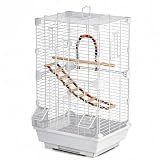
- This Bird cage is equipped with a ladder, a horizontal bar, two feeders, and a swing that can be freely suspended inside the cage. It can serve as both a cozy home for your adorable bird and a fun playground.
- Crafted with a blend of painted metal (rugged, chew-resistant for birds that love to gnaw), PP plastic (lightweight, easy to wipe clean, and BPA-free), and wood (natural texture for perching comfort), this cage combines durability with pet-safe materials. All edges are smoothly polished, and paint is non-toxic, ensuring no harm to your bird’s beak or claws.
- The cage features a removable tray (under the wire floor) for quick waste cleanup—simply slide it out, dispose of debris, and wipe clean. The metal wires are spaced ≤0.5” to prevent escapes (especially for tiny birds like finches) while allowing proper airflow. The elevated hanging design keeps your pet safe from floor drafts and other pets (like cats).
- Blending functionality with aesthetics, the cage’s clean metal frame, warm wood accents, and neutral tones fit seamlessly into living rooms, bedrooms, or aviaries. Whether you’re a first-time bird owner or a seasoned enthusiast, this cage balances practicality (easy to assemble, maintain) with charm, making it the perfect “happy home” for your small bird—and a lovely decor piece for your space!
- Measuring 24.8”L x 14.6”W x 11”H, this cage offers ample space for small birds like Zebra Finches, Canaries, Pacific Parakeets, Java Finches, Lovebirds, and more to stretch, hop, and play comfortably. The balanced length-width ratio ensures natural movement, avoiding cramped “skinny” designs, so your feathered friends thrive in a roomy home.
3. Zebra finch
Zebra finches are small, active flock birds recognized by conspicuous red-orange bills and facial markings. They are entertaining to watch, but buyers should not promise themselves a hand-tame, cuddly pet. Their welfare depends on compatible social housing, horizontal flight room, clean water and bowls, and regular observation for illness.
Plan cleaning before purchase: seed hulls, feathers and droppings accumulate quickly in a small enclosure. Use a balanced finch diet rather than relying on one seed blend, and arrange access to an avian veterinarian familiar with finches. A pair or suitable group is generally more appropriate than a lone zebra finch.
4. Red-fronted parakeet
The red-fronted parakeet is a parrot, so its needs rise above those of a finch even when its body is relatively small. It needs daily interaction, climbing and foraging opportunities, safe flight space, and mental stimulation. The World Parrot Trust documents a diet that includes small seed mix, greens and complete pellet; an avian veterinarian should determine proportions and any needed supplements.
Check local availability and ownership rules before planning around this species. A secure cage with appropriate bar spacing, a transport carrier, destructible and washable toys, and a routine for supervised out-of-cage flight are essential preparations. Without those provisions, the bird may become frustrated, noisy or destructive.
5. Red-breasted parakeet
The red-breasted parakeet is another red-accented parrot documented by the World Parrot Trust. Compare it with the red-fronted parakeet on adult size, noise, aviary or indoor-flight requirements, social needs, and whether a reputable breeder or rescue has birds in your area. Do not choose based on color photographs alone; individuals and related species can differ in temperament and care.
Rank #3

- 2 Extra Birdcage Covers -Keep Clean & Protect Birds: Black birdcage cover blocks 90% sunlight & UV rays, creating a dark, cozy rest space for parakeets, cockatiels, and parrots
- Parrot-Proof Lock-No Escape, Even for Smart Birds: Glossy secure lock specially designed for parakeets, cockatiels, and parrots - smarter than traditional latches! No way to open it, ensuring your feathered friends stay safe inside
- Slide-Out Tray & Wrought Iron Wire-1-Minute Cleanup: Large slide-out tray catches bird droppings and food scraps - just pull, dump, and wipe! Durable wrought iron wire resists rust and stains, no more scrubbing hard-to-reach corners.
- For 2-3 Birds: Extra-large flight space for budgies, parakeets, lovebirds, cockatiels, or small parrots to stretch wings! Ample room for perches, and feeders-happy birds-quieter, less destructive pets
- 360° Swivel Wheels + Storage Rack-Move & Organize Effortlessly: 4 universal wheels glide smoothly on any floor-relocate your bird cage in seconds! Built-in storage rack holds bird food, and supplies-no more cluttered pet space
Documented diet components include seed mix, greens and complete pellet. Keep the menu varied and have an avian veterinarian review the exact products. Provide opportunities to fly and climb, rotate enrichment before it becomes boring, and establish a safe room free of fumes, open water, toxic plants and unscreened exits.
Recommended Free Tools
6. Red lory
Red lories are spectacular but high-maintenance companion birds. VCA describes lory and lorikeet lifespans generally in the 10–15-year range. They require a specialized powdered diet mixed with water and fresh fruit, not a generic parrot seed diet. Because the food is liquid, droppings are messier and cages, surrounding walls and feeding equipment need frequent cleaning.
Lories are intelligent and active. Boredom can contribute to destructive behavior, and VCA warns that some can attack other birds. Give a red lory daily social and mental engagement, supervise introductions, and never assume it can safely share a cage with another bird. This species is best for an experienced owner who has an avian veterinarian, a dependable cleaning schedule and the budget for recurring specialized food.
7. Red-and-blue lory
Merck lists red-and-blue lories among pet lory types. Apply the same broad cautions as for a red lory: liquid or nectar-style feeding, frequent sanitation, substantial enrichment, exercise and careful social management. Those cautions are a starting point, not permission to substitute one lory species’ diet for another’s. Confirm the exact formula and feeding schedule with an avian veterinarian.
Before acquisition, inspect the bird’s current diet and housing, ask how it responds to handling, and plan a separate quarantine area if you already keep birds. A travel carrier is needed for veterinary visits, and washable surfaces around the cage make the daily mess more manageable.
Quick wins for a faster PC:
Clear out junk files and repair common Windows errorsFree Scan →Scan for outdated or missing drivers - takes under a minuteDriver Scan →Rank #4

- Top Storage Shelf: Featuring a spacious upper storage area, this parrot cage keeps toys, treats, and cleaning tools within easy reach, making it perfect for organized bird owners.
- Easy-Open Doors: This bird cage features a smooth, quick-open front door that makes feeding, cleaning, and interacting with your bird simple—ideal for parakeets, budgies, cockatiels, and more.
- Bottom Splash Guard: The wide splash guard helps prevent seed scatter and water spills, keeping your floors cleaner and reducing your daily cleaning workload.
- Includes Essential Bird Accessories: Comes complete with daily must-haves: food bowls, water bowls, ladders, swings, bird nest, and more. This fully equipped small bird cage helps create an enriching environment for your pet right out of the box.
- Safe Bar Spacing: Constructed with dense 5/8-inch spaced grids, the cage offers excellent grip for climbing while keeping small birds safe.
8. Crimson rosella or another legal red rosella
Crimson rosellas and other red rosellas are advanced shortlist options rather than universal beginner recommendations. The exact species, captive availability and legal status vary by country. Verify the scientific identity on all paperwork, then compare the space available for an aviary or large flight cage, expected noise, flight time, temperament and local rescue options.
Do not buy a rosella until an avian veterinarian can advise on its species-specific diet and routine care. Confirm that the enclosure is secure against escapes and predators, and that you can provide daily exercise and enrichment. If your local rules or housing cannot support the bird, choose a legally available species instead.
Independent reader supportYour contribution helps us test, update, and keep practical guides available for everyone.Housing, exercise and enrichment requirements
Measure for flight, not merely for a perch. Finches and canaries need an enclosure long enough for repeated flights, with unobstructed space between perches. Parakeets and rosellas need larger cages or aviaries that permit wing-stretching, climbing and regular exercise. Lories need room for movement plus surfaces and equipment that can tolerate frequent washing.
- Use a secure cage or aviary with safe bar spacing and doors that cannot be opened accidentally.
- Provide multiple perch sizes and replace damaged or contaminated perches.
- Offer shredding, foraging and climbing enrichment suited to the bird’s beak and size.
- Keep birds away from smoke, aerosol sprays, overheated nonstick cookware and other fumes or toxins.
- Provide a separate, secure transport carrier for every bird’s veterinary trips.
- Never release a pet bird outdoors; escaped or intentionally released birds may die, spread disease or harm local wildlife.
Medium and large parrots need social and mental stimulation as well as flight, climbing and exercise. ASPCA describes their complex care requirements as including “the opportunity to fly, climb and exercise; social and mental stimulation; at least one bird companion, especially for birds who mate for life; a proper, varied diet; a fume- and toxin-free environment; and protection from harm.” Apply that standard proportionately to smaller parrots too: a smaller body does not eliminate the need for activity or companionship.
Do these 3 things before closing this tab:
1Scan for outdated or missing drivers - takes under a minute2Repair Windows errors before they cause bigger problems3Fix the driver behind crashes, sound loss and screen glitchesFeeding red pet birds safely
Start with the diet the species actually evolved or has been maintained on, then have an avian veterinarian check the plan. Canaries and finches need a balanced, species-appropriate formulated diet rather than an all-seed menu. Parakeet plans commonly include seed mix, leafy greens and complete pellet, but the exact balance depends on species and health. Lories require veterinarian-approved nectar or powdered food mixed correctly with water and fresh fruit; generic parrot seed is not an equivalent.
Best Value

- VERSATILE BIRD CAGE - This rolling steel birdcage with an accompanying stand provides an ideal living space for several small birds such as parakeets, canaries, or finches
- EASY TO CLEAN - Removable floor grille, debris tray, and two large front access doors. Includes 4 feeders and nest box doors on each side to reach tight areas or attach an external breeding box
- WIDE & COMFORTABLE - The large, roomy bird cage interior is ideal for small bird flocks and comes with three 5/8 inch diameter wooden dowel perches as well as a double tier storage shelf
- HIGH-QUALITY - White powder-coated steel bird cage, durable and easy to assemble. Measures 31 in. L x 20.5 in. W x 53 in. H with 1/2 inch wire bar spacing that is ideal for a large variety of poets
- ABOUT PREVUE PET - Since 1869, Chicago-based Prevue Pet Products has built a well-deserved reputation for safe, high-quality, well-designed products for domesticated pets and their human companions
Wash bowls daily, discard wet food promptly, and monitor weight and droppings when changing diets. Sudden changes can reduce intake, so transition gradually under veterinary direction. Merck advises annual veterinary examinations at minimum; seek help sooner for appetite loss, breathing changes, lethargy, bleeding, unusual droppings or feather damage.
Legal ownership and ethical sourcing
Wildlife, import and possession rules differ by country, state or province and sometimes by species. Check the current rules with the relevant government wildlife or agriculture authority before paying a deposit. A bird that is legal in one jurisdiction may require permits or be prohibited in another.
- Confirm the exact species and scientific name on the seller’s or rescue’s paperwork.
- Verify local ownership, import, transport and quarantine requirements.
- Prefer a traceable captive-bred bird or lawful rehoming through a rescue, sanctuary or responsible breeder.
- Inspect the current cage, food, droppings, feather condition and behavior; ask for veterinary records.
- Identify an avian veterinarian before bringing the bird home.
- Budget for a secure flight cage, perches, enrichment toys, formulated food, lory nectar if applicable, cleaning supplies, a carrier and recurring veterinary care.
ASPCA encourages sanctuary or shelter adoption where appropriate, and Merck identifies rescue groups as a source. Do not support undocumented wildlife trade, and never release an unwanted bird into the wild.
Which red bird is easiest for a beginner?
A red-factor canary is the simplest choice for someone who wants one display and song bird and can accept limited handling. A compatible pair of society finches or zebra finches is often easier socially than maintaining a solitary flock bird, provided the enclosure allows flight and cleaning is consistent. Red-fronted and red-breasted parakeets are reasonable only when you can provide daily interaction, enrichment and out-of-cage exercise. Red lories, red-and-blue lories and rosellas belong on an experienced-owner shortlist because their specialized diets, space, social management or legal verification add substantial risk and work.
Quick Recap
A practical pre-purchase checklist
- Have you selected the exact species rather than just a color type?
- Is the required cage or aviary assembled and escape-proof?
- Can you provide the appropriate companion arrangement: solitary housing where suitable, or a compatible pair or group?
- Do you have the correct formulated food, and for a lory, the prescribed nectar powder and fresh-fruit routine?
- Is an avian veterinarian accepting new patients?
- Can you fund annual examinations and unexpected treatment?
- Have you checked all wildlife, import and transport rules?
- Do you have a carrier, quarantine plan if other birds live in the home, and a daily cleaning schedule?
Product prices and availability are accurate as of the date/time indicated and are subject to change. Any price and availability information displayed on Amazon at the time of purchase will apply.





Leave a Reply