
Do these 3 things before closing this tab:
1Fix the driver behind crashes, sound loss and screen glitches2Repair Windows errors before they cause bigger problems3Scan for outdated or missing drivers - takes under a minuteMost feline weight gain has one central mechanism: over time, a cat takes in more energy than it uses, and the surplus is stored as fat. Free-feeding, oversized portions, uncounted snacks, low activity and possible individual predisposition can all contribute. They are useful explanations, not a ranked diagnostic list; the right cause mix differs by cat.
If your cat is steadily or unexpectedly getting heavier, ask a veterinarian to assess body condition, ideal weight, food, portions, treats, activity, health changes and medications. Do not start a crash diet or simply slash the current food amount without guidance.
As an Amazon Associate I earn from qualifying purchases.
What counts as excess weight in a cat?
Cornell Feline Health Center describes feline obesity as being 20 percent or more above normal body weight. That figure is a clinical threshold stated by Cornell, not a population-prevalence statistic and not a substitute for an individual assessment. A cat can also gain enough weight to affect mobility and health before reaching an obvious visual extreme.
Body weight alone does not tell you how much muscle and fat a cat carries. A veterinarian can combine a body-condition assessment with an ideal-weight estimate and a review of the cat’s diet and routine. The goal is not to make every cat conform to one number; it is to identify a safe target for that animal.
#1 Best Overall

- Breakthrough formula made to positively impact the unique cell function of overweight pets, and support healthy metabolism and body weight
- Safe and effective weight loss with visible results within 10 weeks
- Made with natural ingredients, plus added vitamins, minerals, and amino acids
- Made in the USA with global ingredients you can trust
- Hill's Pet Nutrition is the US Veterinarians' #1 recommended brand
| Contributor | How it changes energy balance | Clues to investigate | Useful first check |
|---|---|---|---|
| Intake above expenditure | Unneeded energy is stored as fat | Weight rises despite no obvious single change | Review every food source and daily activity with a veterinarian |
| Free feeding or large portions | Food is continuously available or meals exceed need | Full bowl is topped up, multiple people feed, or portions are estimated | Measure the prescribed daily ration |
| Snacks and food seeking | Treats and extras add calories beyond meals | Frequent begging, table scraps, food rewards or hunting for food | Record all extras rather than guessing |
| Low activity or indoor routine | Fewer calories are burned | Long periods of sleep, little play or a change in mobility | Ask how to add safe, regular activity |
| Individual predisposition | Genetics and behavior may influence appetite or energy use | Gain occurs despite carefully measured intake and reasonable activity | Have the veterinary team reassess the whole plan |
1. Calorie intake exceeds energy use
The foundation is energy balance. Cornell explains that when a cat consumes more energy than it expends, the remainder is stored as body fat. This does not mean you can calculate one correct portion from a generic chart: energy needs vary with ideal body size, age, activity, health and the food’s calorie density.
A portion that maintained one cat may be too much for another. Even the same cat’s needs can change after an illness, a mobility change or a shift from an active routine to a sedentary one. The practical question is whether the prescribed intake matches the cat’s current needs and whether weight is moving toward the veterinarian’s target.
Why this cause is easy to miss
People often look for one dramatic mistake, but gradual gain can result from a small daily surplus repeated for months. Dry food, wet food, treats, lickable snacks and food used to give medication all count. A household may also have several feeders, each offering a little, so no one person sees the total.
Recommended Free Tools
What to do
- Ask the veterinarian to estimate ideal body weight and select an appropriate diet and daily amount.
- Write down the exact food type, amount and timing for several days, including treats and scraps.
- Use the veterinary plan—not a generic calorie target—to adjust intake and monitor progress.
2. Free feeding and oversized portions
Cornell calls free feeding a major factor in feline obesity, and Merck notes that free-choice feeding can lead to overeating. A bowl that is constantly topped up removes the natural boundary between one meal and the next. Some cats regulate themselves; others continue eating because food is available, palatable or associated with comfort and attention.
Rank #2

- Veterinarians Recommend IAMS: Feed your favorite feline IAMS Proactive Health dry cat food to support their whole-body health
- Discover the Proactive 5 Difference: The Proactive 5 health benefits for IAMS Proactive Health are scientifically designed to support five key areas of your cat’s health, keeping them full of life, for more of life
- #1 Ingredient is Real Chicken. This nutrient-rich adult cat food contains high-quality protein sources, is tasty, and supports a healthy body that loves to play
- Healthy Weight Management: This dry cat food, crafted with a blend of protein and fiber, is designed to help cats lose weight while keeping them full between meals
- Supports Healthy Energy: This IAMS Proactive Health dry cat food contains wholesome grains, which provide essential nutrients and carbohydrates for healthy energy
Oversized portions can arise even when meals are scheduled. A scoop is not a standardized unit, and different family members may use different cups. Feeding instructions can also be misunderstood when a package lists a broad range or when a cat receives both canned and dry food.
Measured meals are a management tool
Once the veterinary team sets a daily ration, divide that amount into planned meals and measure it consistently. A measuring cup can improve repeatability, while a portion-controlled automatic feeder can dispense scheduled servings. Merck describes automatic feeders as a way to help manage daily intake; the device cannot determine the correct ration for your cat.
Keep the entire day’s allowance in one container at the start of the day. That makes it possible for every caregiver to see what remains instead of adding untracked handfuls. If another cat shares the home, discuss separate feeding areas or supervised meals so one animal cannot routinely eat another’s portion.
3. Extra snacks, food seeking and reward feeding
VCA explains that cats may overindulge because they do not feel full, are bored, or enjoy the taste of food. Begging can therefore reflect several things: genuine hunger, a learned request for attention, an appealing routine, or insufficient stimulation. Regardless of the reason, snacks increase total intake.
Rank #3

- Dry cat food for indoor cats, delivers 100 percent complete and balanced nutrition, supports healthy weight
- Indoor Dry Cat Food: This indoor cat food for weight control features hairball support in a protein-rich reduced fat formula with a natural fiber blend to minimize hairballs.
- Real Turkey Cat Food: Real turkey cat food for indoor cats adult formula with turkey as the first ingredient delivers high-protein nutrition in a dry kibble cats love.
- Adult Indoor Maintenance Cat Food: Digestive support indoor cat food with added vitamins, minerals, and nutrients provides 100 percent complete balanced nutrition.
- Balanced Indoor Cat Nutrition: Indoor cat food for less active cats delivers four antioxidant sources for immune system support and omega-6 fatty acids for healthy skin and coat.
Extras that commonly disappear from the tally
- Treats given during grooming, training or nail care
- Bits of meat, dairy or other table food
- Food used to hide pills
- Second servings offered after vocalizing or pawing at a person
- Calories from several people who each believe they gave only a small amount
There is no universal treat allowance established for every cat in the available guidance. Ask the veterinarian how to fit rewards into this cat’s daily plan, and consider reserving part of the measured ration for training rather than adding food on top of meals.
Responding without reinforcing overeating
First check that the cat is receiving the prescribed amount and that a health problem has not changed appetite. Then try non-food responses to attention-seeking, such as a short play session, grooming or calm interaction. If the cat’s appetite is unusually intense, persistent or accompanied by other changes, report it to the veterinarian instead of assuming the behavior is simply bad manners.
4. Low activity and an indoor lifestyle
Less movement means fewer calories are used. Cornell contrasts indoor cats that lounge with cats that hunt or spend more time outdoors; VCA likewise notes that less active cats burn fewer calories. Indoor living itself is not a diagnosis or a reason to expose a cat to unsafe outdoor conditions. It is a prompt to examine how much purposeful movement the indoor environment supports.
Free tools Windows power users keep installed
One-click scans. No signup required.
Daily play can encourage activity, especially when it imitates a sequence of stalking, chasing and catching. Interactive toys, food puzzles and climbing opportunities may help a cat move, but no particular toy is required and a toy alone does not produce weight loss. The food plan still has to match energy needs.
Rank #4
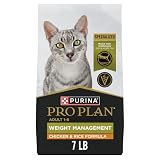
- Promotes muscle mass maintenance during weight loss
- High protein formula, with real chicken as the first ingredient
- Fortified with guaranteed live probiotics to support digestive and immune health
- Used to be known as FOCUS Weight Management Chicken and Rice Formula
- 20 percent less fat than Pro Plan COMPLETE ESSENTIALS Adult Chicken and Rice Formula
Build activity around the individual cat
- Use several brief play opportunities if one long session is unrealistic.
- Choose activities the cat can perform comfortably; do not force jumps or intense exercise.
- Rotate safe toys and vary locations to maintain interest.
- Ask the veterinarian to evaluate pain, weakness or mobility changes that could limit movement.
Physical inactivity is also identified as a risk factor for feline diabetes. That association does not prove that inactivity caused a particular cat’s weight gain or that every overweight indoor cat will develop diabetes; it is one reason to discuss weight and activity with a veterinary professional.
5. Individual predisposition may influence weight
Cornell says nutritionists are not certain of all the causes of feline obesity but suspect genetics may play a role alongside behavior and lifestyle. Some cats may be more food-motivated, less active, or more efficient at using energy than others. This is a possible influence, not a confirmed explanation for an individual cat.
A predisposition should not be treated as an excuse to skip a feeding audit. If portions are measured, extras are counted and activity is reasonable but weight still rises, the veterinarian can reassess the ideal-weight estimate, diet composition, medical history and the pace of change. Age, health conditions and medication history may matter clinically, but the available guidance does not establish that neutering or routine medication generally causes weight gain in every cat.
Windows Errors? Fix Them Before They Spread
Repair common Windows errors and clear accumulated junk for a smoother, more stable PC - no reinstall needed.Free scan · no reinstallOutdated Drivers Are Slowing You Down
One free scan finds every outdated or missing driver and matches the right update for your exact hardware.Free scan · exact hardware matchHow to work out which factors affect your cat
Weight gain is often multifactorial. Use the following review to give the veterinarian a reliable picture rather than trying to diagnose the cause from appearance alone.
Best Value

- Breakthrough formula made to positively impact the unique cell function of overweight pets, and support healthy metabolism and body weight
- Safe and effective weight loss with visible results within 10 weeks
- Made with natural ingredients, plus added vitamins, minerals, and amino acids
- Made in the USA with global ingredients you can trust
- Hill's Pet Nutrition is the US Veterinarians' #1 recommended brand
- Record the trend. Note when the gain began, whether it is steady or sudden, and any changes in appetite, thirst, activity, grooming, breathing or mobility.
- List every food source. Include brands and forms of food, preparation, meal times, treats, table scraps, supplements and food used with medication.
- Measure actual portions. Weigh or measure the daily amount according to the veterinary plan, and record who feeds the cat.
- Describe the routine. Tell the veterinarian how much the cat sleeps, plays, climbs, explores and moves, and whether the routine changed.
- Bring health and medication details. Mention diagnosed conditions, new symptoms and all prescribed or over-the-counter products.
- Agree on a target and monitoring method. The team should set an ideal-weight goal, choose a suitable diet and decide how progress will be checked.
Safe weight-management steps
Get an individualized plan
VCA recommends selecting the diet and portions with the veterinary team. Cornell’s feeding guidance likewise emphasizes using the veterinarian’s estimate of ideal body weight and following advice for diet adjustment. A therapeutic weight-management diet may provide a different nutrient and calorie balance from simply serving less of the current food.
Do not crash-diet
Rapidly withholding food can be dangerous for cats. VCA warns that reducing volume alone can create micronutrient deficiencies, so do not make a large cut without professional direction. The safe pace, diet and portion depend on the cat’s starting condition and health.
Monitor at home
During a gradual program, Cornell’s obesity article quotes Dr. McDaniel: “I always recommend that an owner of a chubby cat purchase a baby scale in order to monitor a cat’s weight at home.” Use a stable scale and follow the veterinary team’s schedule and recording method. A home measurement is useful for tracking a trend; it does not replace physical examinations or adjustments by the clinic.
Use equipment to implement, not prescribe
A measuring cup or portion-controlled feeder can make a prescribed ration repeatable. An interactive toy can support daily play. Neither device can diagnose obesity, calculate an appropriate diet, or compensate for uncounted extras. Keep veterinary oversight clear when introducing any tool.
When to call the veterinarian
Arrange an assessment for ongoing or unexpected gain, especially if appetite, thirst, urination, energy, breathing, grooming or mobility has changed. Bring the food and activity record. The veterinarian can distinguish a normal change from a problem requiring examination and can set a safe plan based on ideal body weight rather than appearance alone.
The most useful answer to “Why is my cat gaining weight?” is therefore specific to that cat: first confirm the energy-balance pattern, then investigate portions, extras, activity and possible predisposition with professional guidance.
Quick Recap
Product prices and availability are accurate as of the date/time indicated and are subject to change. Any price and availability information displayed on Amazon at the time of purchase will apply.





Leave a Reply