Free tools Windows power users keep installed
One-click scans. No signup required.
Cats shouldn’t be declawed electively: declawing amputates the last bone of each affected toe, rather than simply removing the nail. Veterinary organizations including the American Association of Feline Practitioners and the American Animal Hospital Association strongly oppose elective declawing. Scratching is normal feline behavior, but caregivers can offer suitable scratching surfaces and manage claws with trimming or temporary nail caps.
Why shouldn’t cats be declawed?
Declawing, or onychectomy, removes the third phalanx (P3)—the last bone—of each affected toe. It is an amputation, not a nail trim. The American Veterinary Medical Association (AVMA) says onychectomy “is an amputation and should be regarded as a major surgery” in its policy on declawing of domestic cats, reproduced in its animal-welfare manual.
As an Amazon Associate I earn from qualifying purchases.
The AAFP’s 2017 position statement says, “The American Association of Feline Practitioners (AAFP) strongly opposes declawing (onychectomy) as an elective procedure.” AAFP position statement. AAHA likewise says it “strongly opposes the elective declawing of domestic cats” in its position statement.
Do these 3 things before closing this tab:
1Clear out junk files and repair common Windows errors2Fix the driver behind crashes, sound loss and screen glitches3Repair Windows errors before they cause bigger problemsThe procedure carries inherent surgical risks and complications, and the AAFP notes that risks increase with age. This does not establish that every cat will develop a particular complication or behavioral change; it does mean elective surgery to protect household items is not equivalent to routine claw care.
#1 Best Overall
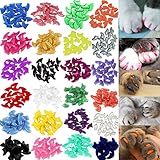
- 【Package included】140pcs (14 Colors) Cat nail covers + 7pcs Adhesive Glue + 7pcs Applicators + Manual
- 【Safety Certificate】Only for cat use. VICTHY Cat nail caps are made from premium natural vinyl resin, and have passed Europe SGS environmental certification, The adhesive have passed EU MSDS, safe and no-toxic, Natural and comfortable, will not interfere with the normal extension and retraction of your cats nails.
- 【How to Use】We recommend 2 People's Work. TIPS: 1. Try one on without the glue, trim the open end of the nail caps if it's big. 2. Make sure that fur are separated with the claw 3. Use a little glue into the cap, It only takes 1/3. More tips, Please refer to the detail description below.
- 【After Applying】Some cats will try to bite away the nail caps after they are initially put on. Once it happens, immediately cry it down until they are used to the caps. Nail caps should always be replaced after 8 weeks.
- 【How to Remove Tips】If you need to take the caps off from your cat claw, could use nail polish remover or dispergator.
Is declawing the same as trimming a cat’s nails?
No. Trimming shortens the visible claw. Onychectomy removes the bone from which the claw grows, along with associated tissue. Confusing the two can obscure the scale of the operation: a nail trim manages claw length, while declawing permanently alters the toe.
Why do cats scratch?
Scratching is normal feline behavior. The AAFP describes it as serving functions that include claw conditioning, stretching, and communication. The aim of practical alternatives is to direct scratching toward appropriate places or manage the claws—not to promise that a cat will stop scratching altogether.
Rank #2

- 【Packing】Only for Cat Use. 100pcs (10 colors) Cat Nail Caps+ 5 x Adhesive glue + 5 x Applicators + Manual
- 【Safety Certificate】VICTHY Cat nail caps are made from premium natural vinyl resin, and have passed Europe SGS environmental certification, The adhesive have passed EU MSDS, safe and no-toxic, Natural and comfortable, will not interfere with the normal extension and retraction of your cats nails.
- 【How to Use】We recommend 2 people's work. TIPS: 1. Try one on without the glue, trim the open end of the nail caps if it's big. 2. Make sure that fur are separated with the claw 3. Use a little glue into the cap, It only takes 1/3. More tips, Please refer to the detail description below.
- 【After Applying】Some cats will try to bite away the nail caps after they are initially put on. Once it happens, immediately cry it down until they are used to the caps. Nail caps should always be replaced after 8 weeks.
- 【How to Remove Tips】If you need to take the caps off from your cat claw. could use nail polish remover or dispergator.
What can I do instead of declawing my cat?
Match the option to the problem you need to address. A scratching surface gives the cat an appropriate target; trimming manages claw length; temporary caps cover the claws and require periodic upkeep. Cats differ in what they will use or tolerate, and the available guidance does not establish success rates for comparing these approaches.
The Tool Desk
Outbyte PC Repair FREEClear out junk files and repair common Windows errorsFree Scan →Outbyte Driver Updater FREEScan for outdated or missing drivers - takes under a minuteDriver Scan →| Option | What it addresses | What to consider |
|---|---|---|
| Scratching post or board | Provides an appropriate place for scratching, stretching, and claw conditioning. | Choose a surface the cat will use and position it where scratching is a concern. It redirects normal behavior; it does not guarantee scratching will stop elsewhere. |
| Nail trimming | Manages the length of the claws. | Requires ongoing care and the cat’s tolerance of handling. It does not remove the urge to scratch. |
| Temporary synthetic nail caps | Covers the claws temporarily. | Caps need periodic attention and a cat must tolerate their application. An archived AAFP statement describes usual application every four to six weeks; that is historical guidance, not a universal interval for every cat or product. |
The AAFP discusses scratching utensils, nail trimming, and temporary synthetic nail caps as alternatives in its position statement. The four-to-six-week interval comes specifically from an archived AAFP statement dated December 2008, describing its November 2007 position; follow the product directions and ask your veterinarian about care for your cat.
Rank #3

- THE ORIGINAL, USA-MADE NAIL CAP: Soft Claws started it all! Invented by a veterinarian and manufactured in the USA, these nail caps offer a painless, non-surgical solution to destructive scratching. Crafted from durable vinyl and paired with USA-made safe adhesive, they let cats extend and retract their claws naturally—no discomfort, no hassle.
- PROTECTS FURNITURE & SKIN: Prevent shredded sofas and unwanted scratches to loved ones! These cat claw caps help curb destructive scratching while keeping claws intact—ideal for homes with kids, elderly family members, and household items with delicate surfaces. Soft Claws can also prevent further damage to skin conditions from a pet’s hind claws.
- PATENTED DESIGN, LONG-LASTING WEAR: Our revolutionary Cleat Locking System ensures maximum safety, durability and comfort, giving you worry-free protection from unwanted pet scratching. Each kit includes 40 caps and two adhesive tubes—both made in the USA—providing up to 6 months of coverage.
- EASY TO APPLY IN 3 STEPS: Simply trim nails, apply adhesive into cap, and slide onto nail. Each application lasts 4-6 weeks and the soft, lightweight design naturally shed as claws grow, making maintenance effortless. Detailed instructions included for a stress-free application. Veterinarians and groomers love Soft Claws and can also help with application!
- COMFORTABLE & SAFE IF INGESTED: Soft Claws provides a secure, flexible fit without interfering with daily activities or natural movement. Designed for medium cats (9-13 lbs), they promote natural nail growth and shedding. In fact, most cats don’t even notice they’re wearing them! Made from non-toxic, USA-made materials, Soft Claws are perfectly safe if accidentally swallowed, and pass harmlessly through the digestive system.
Can a cat ever need a claw removed for medical reasons?
A medical procedure is different from elective declawing to protect furniture. A veterinarian should assess a diagnosed condition and explain the specific procedure, alternatives, risks, and pain-management plan for that cat. The AAFP emphasizes adequate multimodal pain management when surgery is medically indicated. Its opposition is to elective declawing; it does not mean a veterinarian should never consider claw or toe surgery for an individual medical reason.
The AVMA policy describes consideration only after efforts to prevent destructive claw use or when clawing presents an above-normal health risk for an owner. It also emphasizes client education. This is not a substitute for an individual veterinary assessment.
Rank #4

- 【Packing】160pcs Cat Nail Caps (16 Different Colors) + 8pcs Adhesives + 8pcs Applicators + Instructions
- 【Safety Certificate】Only for Cat, VICTHY Cat nail caps are made from premium natural vinyl resin, and have passed Europe SGS environmental certification, The adhesive have passed EU MSDS, safe and no-toxic, Natural and comfortable, will not interfere with the normal extension and retraction of your cats nails.
- 【After Applying】Some cats will try to bite away the nail caps after they are initially put on. Once it happens, immediately cry it down until they are used to the caps. Nail caps should always be replaced after 8 weeks.
- 【How to Use】We recommend 2 people's work. TIPS: 1. Try one on without the glue, trim the open end of the nail caps if it's big. 2. Make sure that fur are separated with the claw. 3. Use a little glue into the cap, It only takes 1/3,……More tips, Please refer to the detail description below.
- 【How to Remove Tips】If you need to take the caps off from your cat claw, could use nail polish remover or dispergator.
Is tendonectomy a safer substitute?
The AAFP does not recommend tendonectomy as a substitute for declawing. It cites the possibility of nail overgrowth, more demanding claw care for the owner, and chronic discomfort in some cats. It is not a way to avoid routine claw maintenance.
What should cat owners know about laws?
Rules on declawing depend on jurisdiction, and this overview does not establish current law for every location. If you are considering a procedure, check with your veterinarian and consult current local rules rather than assuming a nationwide legal standard.
Best Value
- 【Packing】Only for Cat Use. 100pcs (10 colors) Cat Nail Caps+ 5 x Adhesive glue + 5 x Applicators + Manual
- 【Safety Certificate】VICTHY Cat nail caps are made from premium natural vinyl resin, and have passed Europe SGS environmental certification, The adhesive have passed EU MSDS, safe and no-toxic, Natural and comfortable, will not interfere with the normal extension and retraction of your cats nails.
- 【How to Use】We recommend 2 people's work. TIPS: 1. Try one on without the glue, trim the open end of the nail caps if it's big. 2. Make sure that fur are separated with the claw 3. Use a little glue into the cap, It only takes 1/3. More tips, Please refer to the detail description below.
- 【After Applying】Some cats will try to bite away the nail caps after they are initially put on. Once it happens, immediately cry it down until they are used to the caps. Nail caps should always be replaced after 8 weeks.
- 【How to Remove Tips】If you need to take the caps off from your cat claw. could use nail polish remover or dispergator.
This is general, U.S.-oriented information, not individualized veterinary advice. The key practical distinction is that appropriate scratching surfaces and routine claw care address scratching or claw length without amputating toe bones; any medical indication belongs in a veterinarian’s assessment.
Quick Recap
Product prices and availability are accurate as of the date/time indicated and are subject to change. Any price and availability information displayed on Amazon at the time of purchase will apply.




