“Gnats” is a useful household description, but it does not identify one specific insect. Tiny flies around a dog’s water bowl, cat’s litter area, kitchen, bathroom, or houseplants may actually be fungus gnats, fruit flies, drain flies, or phorid flies. The fastest way to find the cause is to note where the adults gather and then look for the damp or decaying material where they are breeding.
Most indoor gnat problems are annoying rather than dangerous to pets. However, some infestations point to hidden moisture, rotting organic matter, or a plumbing problem. Removing the breeding site is more effective than repeatedly spraying the flying adults.
As an Amazon Associate I earn from qualifying purchases.
1. Overwatered houseplants
If tiny dark flies rise from your plant pots when you water or disturb the soil, you probably have fungus gnats. These delicate flies look a little like miniature mosquitoes and often hover near houseplants, windows, and potting soil.
Recommended Free Tools
Fungus gnat larvae live in damp potting mix. They feed mainly on fungi and decaying organic matter, but large numbers can damage roots—especially in seedlings and young plants. Infestations commonly begin with a newly purchased plant or contaminated potting mix. Constantly wet soil, poor drainage, full saucers, decaying roots, and excess organic material allow the population to grow.
#1 Best Overall

- [Catches Gnats, Fruit Flies, Whiteflies And More] Yellow sticky traps with top-grade adhesive grab fungus gnats, aphids, fruit flies, thrips, and whiteflies on contact from both faces. Place each card at soil level near drainage holes for fastest results. Works for indoor plants and outdoor gardens.
- [Decorative Shapes That Stay In Your Pots Year-Round] Yellow sunflower and butterfly designs look intentional in any plant display rather than calling out a pest problem. The yellow color attracts insects and decorates at the same time. Leave one trap per pot as a permanent monitoring layer; if a new infestation starts, you will spot insects on the surface before your plants show damage. Two options offer flexibility across pot sizes and styles.
- [Peels Clean Without Tearing] Start at the bottom and slowly peel one protective film at a time to cleanly reveal the adhesive face. The thicker rigid plastic stake and trap keep the card flat and straight throughout setup so you do not wrestle a floppy surface. No glue on hands, tearing, accidental folding before insertion, or hassle. Three steps: peel, hold, push into soil.
- [Family Friendly Design & Odorless] The family friendly physical adhesive trap is odorless and leaves no residue on surfaces near your plants. Keep out of direct reach to avoid hair or skin contact with the glue surface.
- [Works Indoors, Outdoors And In Hanging Baskets] UV-resistant construction holds up under direct sunlight without degrading the adhesive. The pointed plastic stake inserts directly into soil; use the included wire to hang traps near hanging baskets, window herb gardens, or bare-root seedling trays where no soil is available. Two deployment modes, one pack.
What to do
- Let the surface of the soil dry between waterings, as far as the plant can tolerate.
- Empty water from saucers instead of allowing pots to stand in it.
- Remove dead leaves and other decaying material from the soil.
- Place yellow sticky cards near the plants to catch and monitor adult flies.
- If the problem continues, consider repotting into fresh, clean potting mix or using a soil treatment labelled for indoor plants.
Keep sticky cards, soil treatments, and any insecticide out of your pet’s reach. A sticky card can trap a curious cat or dog just as easily as it traps a fly.
2. Overripe fruit, food waste, or fermenting drinks
Flies concentrated in the kitchen—especially around a fruit bowl, recycling bin, wine, beer, vinegar, soda residue, or fermenting produce—are more likely to be fruit flies than fungus gnats. They are usually tan or brown and often have red eyes. University of Minnesota Extension describes common fruit flies as about 1/16 to 1/8 inch long.
Fruit-fly larvae develop in overripe, damaged, rotting, or fermenting fruit and vegetables. A small amount of liquid left in a bottle, can, food-waste container, or trash-bin liner can be enough to support breeding. Pet food itself is not automatically a gnat source, but crumbs, spilled wet food, or food left in a warm, dirty container can add organic material for flies and other pests.
What to do
- Refrigerate ripe produce or discard anything damaged or fermenting.
- Remove infested food from the house rather than leaving it in an indoor bin.
- Rinse bottles and cans before placing them in recycling.
- Clean sticky spills beneath appliances, counters, and trash containers.
- Empty and wash food-waste and garbage containers.
- Wash pet-feeding areas with pet-safe household products and remove food scraps promptly.
A vinegar trap can reduce adult fruit flies, but it will not solve the infestation if the breeding material remains. Place any trap where pets cannot drink from it or knock it over.
3. Slime buildup inside drains or a garbage disposal
If the flies gather around a kitchen sink, bathroom sink, bathtub, floor drain, or wall near plumbing, they may be drain flies, also called moth flies or filter flies. Adults are small, grayish, and fuzzy, with a moth-like appearance caused by fine hairs covering their wings and bodies.
Rank #2

- Highly effective trapping: Our fruit fly trap uses double-sided adhesive cards with a strong, chemical-free adhesive that effectively catches insects. The environmentally friendly material is free from chemicals and odours, making it safe for humans and pets. To facilitate application in warmer weather, cool the cards before use
- EFFORTLESS PLACEMENT: These traps can be easily inserted into the soil and thus provide effortless protection against mosquitoes, fruit flies and other pests without the need for complicated installation. Perfect for potted plants, gardens or anywhere insect control is required
- Effective pest control: the bright yellow colour attracts a variety of flying insects such as mosquitoes, fruit flies and aphids and provides efficient pest control indoors and outdoors
- Versatile use: suitable for gardens, kitchens, greenhouses and potted plants indoors, provides non-toxic pest control that does not harm the environment or your plants
- Customer satisfaction guaranteed: Your satisfaction is important to us. Should you have any questions or concerns, you can contact us at any time. Your satisfaction is our priority
Drain-fly larvae develop in the slimy organic film lining continuously wet drains and sewer pipes. A garbage disposal with food residue, a slow drain, or a leaking or damaged drainpipe can provide additional breeding material.
How to check a drain
Cover a suspect drain overnight with clear tape, sticky-side down but leaving some airflow around the edges, or use another method that does not block a drain needed by household members. Flies appearing around that drain suggest it may be the source. Check more than one drain because the adults can travel.
Windows Errors? Fix Them Before They Spread
Repair common Windows errors and clear accumulated junk for a smoother, more stable PC - no reinstall needed.Free scan · no reinstallOutdated Drivers Are Slowing You Down
One free scan finds every outdated or missing driver and matches the right update for your exact hardware.Free scan · exact hardware matchWhat to do
- Remove the drain cover and scrub the inside of the drain with a stiff brush to break up the organic film.
- Clean food residue from a garbage disposal, following the manufacturer’s instructions.
- Use an enzyme-based drain cleaner according to its label if appropriate for your plumbing.
- Repair leaking pipes, damaged seals, and areas that remain wet beneath sinks.
- Repeat cleaning as directed; one treatment may not remove all of the buildup.
Do not mix drain products. Boiling water, lye, or pesticide poured into a drain may kill few larvae because they are protected inside the organic film, and these products can create serious hazards for people and pets. Keep animals away from treated areas and follow every product label.
4. Moist garbage, decaying material, or a hidden leak
Some small flies breed in wet garbage, compost residue, rotting plant material, dead animals, or other decaying organic matter. Phorid flies, sometimes called humpbacked flies, may develop in food waste associated with drains or in concealed wet areas. Viewed from the side, an adult phorid fly often has a noticeably hump-backed shape.
This cause deserves extra attention when flies continue appearing even after you have removed visible food, cleaned the plants, and scrubbed the drains. The source could be a leaking pipe beneath a cabinet or floor, moisture under an appliance, a damp crawlspace, water damage inside a wall, or decaying material in a structural void.
Rank #3
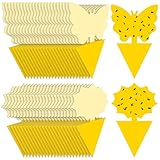
- Ultra Sticky & Fast Acting: Bright yellow color attracts fruit flies and fungus gnats instantly, while extra-strong adhesive locks insects in place without dripping or drying out. Two Shapes: Sunflower, Butterfly
- Safe for Home & Plants: Chemical-free, non-toxic, and odorless—safe to use around kids, pets, houseplants, herbs, and vegetables indoors or outdoors.
- Easy to Use & Long Lasting: Just peel and stick near plants or problem areas. Each trap works for weeks, reducing the need for frequent replacements.
- Double-Sided Design for Maximum Catch: Catches flying pests from both sides, covering more area than single-sided traps and helping monitor infestation levels effectively.
- Eco-Friendly Pest Control Solution: No pesticides, no sprays, no harmful fumes. A clean and responsible way to control flying insects in your home and garden.
What to do
- Empty indoor garbage and wash the inside and underside of the bin.
- Keep trash covered and remove wet food waste regularly.
- Inspect beneath refrigerators, washing machines, dishwashers, sinks, and cabinets.
- Look for swollen flooring, stains, musty odours, damp wood, or persistent condensation.
- Remove accessible rotting plant material or other decaying matter.
- Call a plumber or pest professional if flies keep emerging with no visible source.
Do not allow pets to investigate suspected dead animals, contaminated waste, standing water, or areas treated with chemicals. A hidden moisture problem can also contribute to mould and property damage, so it should not be ignored.
How to tell which “gnat” you have
| Where you see them | Likely insect | Useful clue |
|---|---|---|
| Houseplants or potting soil | Fungus gnat | Dark, slender, mosquito-like fly |
| Fruit, wine, beer, vinegar, or recycling | Fruit fly | Tan or brown body; often red eyes |
| Sinks, tubs, or floor drains | Drain or moth fly | Fuzzy, hairy, moth-like appearance |
| Wet garbage, drains, or unexplained damp areas | Phorid fly or another small fly | May look hump-backed from the side |
Location is often more useful than the name “gnat,” because these insects can look similar. Also check that the insects are actually flies. Springtails are tiny, wingless creatures that often jump when disturbed in damp soil; they are not flies.
Independent reader supportYour contribution helps us test, update, and keep practical guides available for everyone.Why traps alone often fail
Traps catch adults, but eggs and larvae remain in the breeding material. A vinegar trap may attract fruit flies, while yellow sticky cards can reduce adult fungus gnats. Neither treatment removes larvae living in potting soil, drain film, fermenting food, or wet organic matter.
Use a trap as a monitoring tool, then remove the source:
- Fungus gnats: dry the soil surface and correct drainage.
- Fruit flies: remove fermenting food and clean residue from containers.
- Drain flies: scrub away the film inside the drain and repair leaks.
- Phorid flies: find and correct concealed moisture or decaying material.
If the flies are numerous, keep returning, or appear alongside dampness, foul odours, or plumbing damage, professional inspection is more useful than spraying the room. For homes with pets, source removal also reduces the chance that an animal will contact a trap, pesticide, drain cleaner, or contaminated material.
The Tool Desk
Outbyte PC Repair FREEClear out junk files and repair common Windows errorsFree Scan →Outbyte Driver Updater FREEFix the driver behind crashes, sound loss and screen glitchesFind Drivers →Rank #4

- 【Non-toxic and Odorless】Our double-sided sticky sheets are made of environmentally friendly materials and coated with a safe, odorless, non-toxic adhesive that does not contain any chemicals, which is not only harmless to humans and pets, but also effectively controls pests and breaks their breeding cycle.
- 【Long-Lasting and Durable】Our sticky fly traps use double-sided thickened adhesive, UV-resistant and waterproof. No need to replace until the bugs are completely covered.
- 【Easy to Use】Just uncover the covers on both sides of the trap, insert it into the soil, and it's ready to work. This is a fungus gnat trap suitable for indoor and outdoor use thar protects your plants from insects.
- 【Usage scenarios】The sticky insect trap is suitable for greenhouses, orchards, tea gardens and backyard gardens.
- 【Package Includes】Containing 100pcs yellow fruit fly sticky traps, absolutely enough for you to use
FAQ
Are gnats dangerous to dogs or cats?
The common indoor flies described as gnats are generally nuisance insects rather than a direct danger to healthy dogs and cats. The bigger concern is the breeding source, such as mouldy food, decaying material, contaminated water, or a chemical treatment. Keep pets away from pesticides, drain cleaners, traps, and infested waste.
Why do I have gnats if my house is clean?
A visible infestation does not necessarily mean poor housekeeping. Fungus gnats can arrive in a purchased plant or potting mix, while drain flies may breed inside an unseen layer of organic buildup. A leaking pipe, damp space beneath an appliance, or moisture inside a wall can also support flies without an obvious food source.
Will a vinegar trap get rid of gnats?
A vinegar trap can catch adult fruit flies, but it is not a complete treatment. It will not remove fungus gnat larvae from wet soil or drain-fly larvae from plumbing buildup. Find and remove the material where the insects are breeding, then use traps to monitor the remaining adults.
When should I call a professional about gnats?
Contact a plumber or pest professional when flies continue emerging after visible food, plant, and drain sources have been cleaned; when you find a leak or damp structural area; or when you suspect decay inside a wall, floor, crawlspace, or plumbing void. Persistent phorid-like flies are particularly worth investigating.
Free tools Windows power users keep installed
One-click scans. No signup required.
The Bottom Line
Indoor “gnats” usually come from one of four places: wet houseplant soil, fermenting food, slime inside drains, or damp decaying material. Follow the flies to the area where they gather, remove that breeding source, and use traps only as a secondary measure. If the insects persist without an obvious source, investigate hidden leaks or get professional help—and keep pets away from all chemicals and contaminated material.
Quick Recap
Product prices and availability are accurate as of the date/time indicated and are subject to change. Any price and availability information displayed on Amazon at the time of purchase will apply.




