Wasps usually sting defensively, not because they are hunting people. Most stings happen when a wasp is defending its nest or is trapped, crushed, swatted, or pressed against skin. To reduce risk, avoid disturbing nests, keep food and waste covered, and move to an enclosed shelter if several wasps attack.
Dogs and cats may chase insects or investigate nests, so keep pets away from suspected nesting areas. If a pet is stung in the mouth or throat, or develops signs of a severe reaction, contact a veterinarian urgently.
Why do wasps attack?
A wasp foraging away from its nest is generally unlikely to sting unless it is trapped or threatened. Social wasps—including yellowjackets and paper wasps—defend their colonies. A sting is more likely if a wasp is:
- Swatted at or grabbed
- Trapped in clothing, hair, or fur
- Crushed against skin
- Disturbed near its nest or blocked from its flight path
Mowing over an underground nest, pruning near an aerial nest, or working on a building near a nest can provoke multiple wasps. Yellowjackets are among the more defensive social wasps. Solitary wasps generally do not defend a colony and usually avoid people, though they may sting if handled.
#1 Best Overall
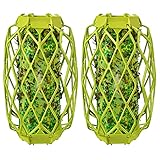
- Eliminate Wasps – VisiLure Traps lure wasps, red wasps, mud daubers, and carpenter bees with appealing colors and a multi-dimensional pattern. Once attracted, they become stuck to the sticky surface and expire.
- Choose VisiLure – The VisiLure TrapStik for Wasps lures insects without odors, chemicals, or wasp sprays. It catches queens and workers, from spring through fall.
- Thoughtful Design – Unique Glue Guards create a barrier around the sticky trap surface to reduce the chances of non-insect catches.
- Prevent Damage – Mud daubers (mud wasps, dirt daubers) and carpenter bees can cause serious property damage. The VisiLure TrapStik can stop this before it starts, without the use of potentially harmful sprays or chemicals.
- Made in the USA – At RESCUE!, our goal is to design, manufacture, and market the safest and most effective pest control solutions available for homeowners. We are proud to manufacture our products in the USA!
Why wasps seem worse in late summer
In much of the United States, yellowjacket colonies reach their largest size in late summer and fall. Some nests may contain approximately 5,000 wasps, according to University of Minnesota Extension and Penn State Extension. As food resources become scarce, some yellowjackets scavenge around picnics, barbecues, garbage, sugary drinks, and ripe fruit.
Wasps gathering around an outdoor meal are usually seeking food, not people to attack. But they may sting if threatened or if someone gets too close to a nest.
How to avoid wasp stings outdoors
- Do not swat at a single wasp. Stay calm and still, or move away slowly. Quick movements and attempts to strike can provoke a sting.
- Cover food, drinks, and waste. Keep outdoor meals covered, clean spills promptly, and close rubbish containers tightly. Check open cans, bottles, and cups before drinking, and inspect food before eating.
- Keep pet food areas clean. Feed pets indoors when wasp activity is heavy if practical. If a bowl is outside, remove leftovers promptly and wash away residue.
- Pick up fallen fruit. Overripe fruit can attract yellowjackets. Clear it from lawns and paths where pets play.
- Keep pets away from suspected nests. Use a lead near holes in the ground, shrubs with repeated insect traffic, and eaves or other nesting areas. Do not let a dog dig or sniff near a nest.
- Wear shoes on lawns. Underground yellowjacket nests may have only a small entrance hole.
- Reduce accidental contact. Avoid brushing against flowering shrubs, and keep food-serving areas away from obvious nests and flowering areas when possible. Loose clothing can trap an insect against skin.
- Avoid strong fragrances when working near wasps. CDC/NIOSH advises avoiding perfumed soaps, shampoos, deodorants, cologne, and perfume. Light-coloured, smooth-finished clothing that covers skin can also help reduce exposure.
- Look for nests before outdoor work. Before mowing, pruning, or repairing structures, watch for repeated wasp traffic from a safe distance rather than approaching to identify a nest.
What to do if wasps start swarming
If several wasps attack, run to an enclosed building or vehicle and close the door. Do not stay nearby trying to brush them away, and do not jump into a pool or pond; stinging insects may remain above the water or wait for you to surface.
Rank #2

- QUICK-DROWN FORMULA: Designed to keep insects submerged for quick drowning.
- QUICK & EASY SETUP: No tools are needed to complete the setup.
- FAST ACTING: Starts working immediately with no activation time. Most effective time to use trap is June – October.
- LOW ODOR: Lure is made with simple food ingredients.
- REUSABLE TRAP: Empty trap after 3-4 weeks or when 2/3 full of insects. Refills available for purchase separately.
Encourage a pet to move toward shelter if you can do so without approaching the nest. Once indoors, close windows and doors and check clothing and fur for insects.
Do these 3 things before closing this tab:
1Repair Windows errors before they cause bigger problems2Fix the driver behind crashes, sound loss and screen glitches3Clear out junk files and repair common Windows errorsFinding and dealing with a nest
Observe repeated wasp traffic from a safe distance. Nests may be underground, under eaves or decks, in shrubs or trees, or inside an attic, wall void, chimney, or other building cavity. Underground nests can be difficult to spot.
Do not poke, kick, spray, or block an active nest entrance. Blocking it may cause yellowjackets to seek another exit, potentially into a building. Keep children and pets away. Professional removal is the safer choice for large, concealed, underground, wall-void, attic, high, or hard-to-reach nests.
Rank #3

- Eliminate Wasps – VisiLure Traps lure wasps, red wasps, mud daubers, and carpenter bees with appealing colors and a multi-dimensional pattern. Once attracted, they become stuck to the sticky surface and expire.
- Choose VisiLure – The VisiLure TrapStik for Wasps lures insects without odors, chemicals, or wasp sprays. It catches queens and workers, from spring through fall.
- Thoughtful Design – Unique Glue Guards create a barrier around the sticky trap surface to reduce the chances of non-insect catches.
- Prevent Damage – Mud daubers (mud wasps, dirt daubers) and carpenter bees can cause serious property damage. The VisiLure TrapStik can stop this before it starts, without the use of potentially harmful sprays or chemicals.
- Made in the USA – At RESCUE!, our goal is to design, manufacture, and market the safest and most effective pest control solutions available for homeowners. We are proud to manufacture our products in the USA!
Traps may catch some foraging workers but generally cannot eliminate an established colony. Aerosol wasp spray may knock down exposed wasps without killing the entire colony; a nest’s paper envelope can prevent liquid from reaching it. Do not assume visible spray means the nest is inactive, and do not approach or remove a nest until it is confirmed inactive.
If you use a pesticide, follow its label exactly. In the United States, it is illegal to use a pesticide inconsistently with its label; the label must permit the target pest, location, and application method. Treating at night may reduce wasp activity, but does not make nest treatment risk-free. A clear escape route, distance, protective clothing, and an approved product are still necessary.
What’s actually slowing this PC down?
Pick the symptom - the matching free tool is one click away.
What to do if a wasp stings you
Move away from the nest or insects first. Wash the area with soap and water, then apply a cold pack for 10–20 minutes. Elevating an affected arm or leg may help. Wasps generally can sting repeatedly, so do not automatically look for a stinger as you would after a honeybee sting. If a stinger is visibly present, scrape it away rather than squeezing it.
Rank #4

- Lure & Eliminate Yellowjackets – This disposable yellowjacket trap targets and traps all major species of yellowjackets found in Mountain & Pacific States. Please consult the map to ensure you are purchasing the correct trap.
- Most Effective During Summer – This trap is most effective during summer months when the weather is warm and dry. (Please note: this trap only targets yellowjackets; it will not catch wasps or hornets).
- Easy to Use – Just add water to activate the powdered attractant and hang the trap outside! The attractant lasts for weeks, and no rebaiting is necessary. Once it’s full, dispose in the trash.
- Mountain & Pacific Formula – Make sure you choose the right trap! The attractant in this model is specially formulated to lure yellowjacket species found in states that fall in the Pacific and Mountain Time Zones.
- Made in the USA – At RESCUE!, our goal is to design and manufacture the safest and most effective pest control solutions available. We proudly manufacture our products in the USA!
Most ordinary reactions cause temporary pain, redness, itching, and swelling. Seek medical evaluation if swelling worsens, pain increases, or the area develops pus or fever.
Trouble breathing, throat or tongue swelling, widespread hives, dizziness or fainting, a weak pulse, vomiting, or diarrhea may signal anaphylaxis. Call 911 immediately. Use prescribed epinephrine without delay if available, then obtain emergency medical care. People with a known severe sting allergy should follow their clinician’s plan; AAAAI advises carrying two prescribed epinephrine devices because a second dose is sometimes needed.
Independent reader supportYour contribution helps us test, update, and keep practical guides available for everyone.What to do if a wasp stings your dog or cat
Move your pet away from the insects and keep it calm. If safe, check the mouth, lips, tongue, face, and paws. A sting in the mouth or throat is especially concerning because swelling can interfere with breathing.
Quick wins for a faster PC:
Repair Windows errors before they cause bigger problemsFix Now →Scan for outdated or missing drivers - takes under a minuteDriver Scan →Clear out junk files and repair common Windows errorsFree Scan →Best Value

- Wide Application: This wasp trap is highly versatile, effectively attracting not only wasps but also other flying insects such as flies, mosquitoes, and moths. Once lured, these insects become adhered to the sticky surface, ensuring their removal. It is well-suited for outdoor environments including gardens, courtyards, and campgrounds.
- Thoughtful Design: The wasp traps have been upgraded with the addition of a snap design for high stability and not easy to fall apart. The hornet trap includes a glue guard that forms a barrier on the sticky surface, enhancing the likelihood of capturing wasps.
- Easy to Use: The 4-piece set contains 4 bee traps, 8 stickers, and 2 string. It is convenient to replace the trap paper. Featuring the design and ample volume, the wasp catcher is highly effective at attracting and capturing wasps. Simply hang it in the desired location, and it will autonomously attract insects.
- Reusable: The yellow jacket trap is designed for multiple uses. It can be reused by simply cleaning and replacing the sticky paper, making it both environmentally friendly and economical.
- Safe and Effective: Constructed from high-quality ABS plastic, sturdy and safe. Insects are naturally attracted to the trap. You can add some honey for a better effect
Contact a veterinarian promptly for facial swelling, hives, repeated vomiting or diarrhea, weakness, pale gums, collapse, breathing difficulty, excessive drooling, or a sting inside the mouth. Do not give human antihistamines, painkillers, or other medicine unless a veterinarian has specified the product and dose for that pet.
For a small, isolated sting without concerning symptoms, call your veterinary practice for advice, prevent your pet from rubbing or licking the area, and monitor closely. Symptoms can change after the initial sting.
Common mistakes to avoid
| Mistake | Why it is a problem | Safer approach |
|---|---|---|
| Swatting at one wasp | Quick movements can provoke a sting. | Stay calm and still or move away slowly. |
| Letting a dog investigate a hole | It may be an underground nest. | Use a lead and leave the area. |
| Blocking a nest entrance | Wasps may seek another exit, potentially into a building. | Keep away and contact a professional. |
| Relying on a trap to remove a colony | Traps generally do not eliminate established colonies. | Arrange safe nest control when needed. |
| Assuming spray killed the colony | Spray may not reach or kill the entire nest. | Follow the label and do not approach until the nest is confirmed inactive. |
| Jumping into water during an attack | Wasps may remain above the water or wait for you to surface. | Run indoors or into a vehicle. |
| Giving a pet human medicine | The product or dose may be unsafe. | Call a veterinarian first. |
FAQ
Do wasps attack people for no reason?
Usually not. Most stings happen when a wasp is defending its nest or is trapped, crushed, swatted, or otherwise threatened. A wasp foraging away from its nest is generally unlikely to sting.
What should I do if wasps chase me?
Run to an enclosed building or vehicle and close the door. Do not stop to swat at the wasps or jump into water. Move pets toward shelter too, if you can do so safely.
The Tool Desk
Outbyte PC Repair FREERepair Windows errors before they cause bigger problemsFix Now →Outbyte Driver Updater FREEFix the driver behind crashes, sound loss and screen glitchesFind Drivers →Can a dog or cat be seriously harmed by a wasp sting?
Yes. A sting in the mouth or throat can cause dangerous swelling, and some pets have severe allergic reactions. Contact a veterinarian urgently for breathing trouble, facial swelling, hives, vomiting, weakness, collapse, or a sting inside the mouth.
Will a wasp trap get rid of a nest?
Usually not. A trap may catch some foraging workers but generally cannot eliminate an established colony. Large, concealed, underground, or difficult-to-reach nests are best handled by a professional.
Quick Recap
Product prices and availability are accurate as of the date/time indicated and are subject to change. Any price and availability information displayed on Amazon at the time of purchase will apply.




