Dogs bring toys to visitors for several possible reasons: they may be inviting play, repeating a greeting routine that earns attention, showing a prized possession, carrying a comforting object, or channeling the excitement of someone arriving. A toy presentation is not reliable proof that a dog is giving a human-style gift or expressing one specific emotion. The safest interpretation comes from the entire greeting: the dog’s posture, what happens when a person responds, and whether the dog remains relaxed or guards the object.
Why a dog carries a toy when someone arrives
Veterinary behavior guidance from PetMD and Vet Help Direct treats toy-carrying as a behavior with multiple plausible motivations rather than a single translation. The same dog may carry a toy for different reasons on different occasions. Context and the dog’s response to people matter more than the object alone.
As an Amazon Associate I earn from qualifying purchases.
Play may be the invitation
Some dogs bring a ball, tug toy, or plush item because they want an interaction. If the dog approaches with a loose body, looks toward the visitor, bounces, drops the toy, or readily re-engages when the person plays, play is a reasonable possibility. It is still not automatic: a dog can display a toy without wanting anyone to take it.
The dog may have learned a greeting routine
Dogs repeat actions that have produced rewarding results. If carrying a toy has previously led to a game, praise, laughter, petting, or focused attention, the dog may pick up the toy whenever a person enters. In that case, the behavior can be a learned way to start the social exchange, even when the dog is not asking for a specific game.
#1 Best Overall

- 【PRODUCT SIZE】10 inch*10 inch*1.3 inch.
- 【3 WAYS TO PLAY, UPGRADE SLOW FEEDER】Our dog mental stimulation toys have a unique squeak button in the middle, which make it easier to attract the attention of dogs and cats. Three different difficulty designs and the 16-hole dog treat dispenser design maximize slow feeding time, even beyond 20 minutes.
- 【FUNNY STIMULATING TOYS】All kinds of dogs and cats love the puzzle game of Spin & Slide and the Seek & Hide with their smell sense and paw skills to find food. Combining circular orbit sliding game and linear orbit sliding game, smart dog and cat must move the slider correctly to get the food reward hidden in the maze.
- 【NON-REMOVABLE PARTS DOG PUZZLE】Our dog treat puzzle is made of non-toxic materials, very durable and suitable for pets to play for a long time. This dog toy has no removable parts because the design has built-in play parts that fold tightly and won't fall off easily.
- 【ANTI-SLIP & EASY TO CLEAN】: The four corners of the bottom are equipped with four anti-skid pads, which can be well fixed during the dog's slow food process; It is easy to clean, also dishwasher safe.
Showing a valuable possession
A dog may carry a favorite object near a visitor, pause with it, or move around while keeping it in its mouth. This can be a social display of something important to the dog. “Showing” is different from offering: some dogs step away when a person reaches for the toy. Let the dog’s next movement tell you whether contact is welcome instead of assuming that every presentation means “throw this.”
Comfort and excitement
A familiar toy can be soothing. Carrying it may help a dog regulate the excitement of a reunion or an unfamiliar person at the door. Excitement itself can also be channeled into holding an object. These explanations are possibilities, not a diagnosis of an individual dog; the available veterinary and welfare guidance does not establish a test that identifies one motive from toy-carrying alone.
Is the toy really a gift?
It is understandable to call the object a gift, but that label adds a human intention that has not been demonstrated. PetMD and Vet Help Direct both describe several competing explanations, including play, attention, possession, comfort, and greeting arousal. A dog may be making a social offering, yet the behavior by itself cannot prove that the dog understands a human-style gift exchange or is expressing a single emotion such as love or trust.
Crashes, No Sound, or Screen Glitches?
Random freezes, missing sound and display glitches usually trace back to one bad driver. Find and replace yours safely.Free scan · under a minutePC Slower Than It Used to Be?
A free scan shows the junk files, broken settings and background clutter dragging Windows down - then fixes them in one click.Free scan · Windows 10 & 11A better question is: “What does my dog do next?” Does the dog invite a game, accept calm attention, carry the toy independently, retreat when approached, or stiffen over it? Those observations help you choose a response without pretending that one gesture has a certain meaning.
How to read the whole greeting
The following comparisons are observation prompts, not a validated diagnostic checklist. Look for patterns across several greetings and give the dog room to choose distance.
Rank #2

- INTERACTIVE DOG TOYS FOR BOREDOM WITH DURABLE ROPE:Unleash instincts with this smart automatic dog toy featuring 2 operational modes (Fast/Slow) and two durable heavy-duty tugging ropes. Beyond regular turns, its wide, unpredictable rolling motions mimic real prey. Upgraded with analog barking and bird sounds, it sparks curiosity to keep high-energy dogs engaged in chasing and pouncing. Perfect for small medium dogs, this motion-activated smart toy effectively reduces separation anxiety. 2
- DURABLE E-TPU DOG BALL FOR AGGRESSIVE CHEWERS: Lighter, quieter, and safer for enthusiastic players! Engineered with a revolutionary new composite structure of eco-friendly E-TPU+ABS inner core, this 80mm large-sized dog ball is extraordinarily chew-resistant and flexible. It perfectly protects your dog’s teeth and gums during intense biting while preventing accidental damage. Designed with a 35db low-noise structure, it prevents loud clattering, making it the perfect motion-activated dog toy for peaceful play on tile floors, carpets, and wood floors. 2
- RGB LIGHT SHOW FOR ALL-TERRAIN & NIGHTTIME PLAY: No more losing toys in dark corners or outdoor lawns! Featuring a vibrant built-in RGB light show and automatic spin technology, this glowing dog ball instantly captivates your pet's attention in low-light environments. Driven by a premium Motor, it boasts powerful multi-surface adaptability, rolling and bouncing effortlessly from indoor hardwood to outdoor grass, ensuring your puppy enjoys professional-grade canine enrichment and active fitness anywhere, anytime. 2
- SMART MOTION ACTIVATED & 2 SPEED AUTO ROLLING:Keep your high-energy pet stimulated all day! This motion-activated dog toy utilizes an advanced internal motion sensor to drive dual automated running modes. Whether set to Fast or Slow speed, the self-moving dog ball rolls and turns unpredictably across tile, wood floors, and carpets to mimic natural prey. It provides excellent canine enrichment, mental stimulation, and effective boredom relief, capturing your pup's attention instantly. 2
- IP54 DUSTPROOF WATERPROOF & UPGRADED BIG BATTERY LIFE: Ultimate durability meets tech-forward convenience! Boasting an IP54 dustproof and waterproof rating, the resilient outer E-TPU shell and cord can be easily wiped or rinsed for clean, slobber-free maintenance. Powered by an upgraded 500mAh big battery with Type-C 5V fast charging, this eco-friendly smart pet toy features an energy-saving standby mechanism to deliver long-lasting, reliable runtime for daily training.2
| What you observe | What it may indicate | Practical response |
|---|---|---|
| Loose posture; approaches and re-approaches; drops or nudges the toy | A play request or an attention-seeking routine is plausible | Play only if the dog clearly invites it and the visitor wants to participate; otherwise acknowledge calmly |
| Carries the toy close but avoids handing it over or moves away when reached for | The dog may be displaying or retaining a valued possession rather than offering it | Do not chase or grab; allow the dog to carry or show it |
| Remains relaxed and focuses on the visitor while holding the toy | The object may be a comfort or excitement outlet during the greeting | Keep the interaction quiet and let the dog decide whether to approach |
| Body becomes tense; the dog growls, snaps, or nips as someone nears the toy | Possible resource guarding, not a routine invitation | Stop reaching, create distance, and arrange qualified behavior help |
| Rushing, jumping, intense barking, or visible distress at the doorway | High arousal, fear, or frustration may be driving the greeting | Manage access to the entry and train a calm alternative with reward-based help |
What visitors should do
A visitor does not have to take the toy to be friendly. A calm, predictable response prevents a pleasant greeting from becoming a struggle over an object.
- Pause at the entrance. Give the dog space and avoid reaching over its head or immediately taking the toy.
- Observe before touching. Notice whether the dog is loose and inviting, simply carrying the item, or becoming tense as you approach.
- Let the dog choose contact. If the dog comes closer with relaxed body language, offer quiet attention. If it backs away, allow it to keep the toy.
- Play only by clear mutual agreement. A dog that drops, nudges, or repeatedly re-engages may be asking for play; the visitor can decline without taking the object.
- End interaction if guarding appears. Do not test the dog, pull on the toy, corner it, or ask someone else to take it.
This approach follows the practical distinction in veterinary guidance between a dog that is showing an object and one that is inviting interaction. It also avoids teaching the dog that visitors will forcibly remove valued items.
Using a toy to make arrivals calmer
For a toy-loving dog that becomes noisy at the door, the ASPCA recommends keeping a favorite toy near the entrance and encouraging the dog to pick it up before greeting. Its wording is specific: “If he learns to hold a toy in his mouth, he’ll be less inclined to bark.” That advice concerns greeting barking; it does not mean that carrying a toy will solve every visitor problem or replace broader training.
Use a familiar, safe, appropriately sized toy that the dog already enjoys. Place it where the dog can reach it before the door opens, and have visitors wait while the dog settles into the routine. If the toy increases frantic chasing or creates conflict, stop using that arrangement and get individualized guidance rather than insisting on the exercise.
Teaching a calm alternative to rushing the door
When a dog rushes, jumps, barks intensely, or appears distressed, carrying a toy is not the central issue; the arousal around the doorway is. VCA recommends teaching an alternative such as going to a mat while the dog is calm, rewarding that behavior, and managing access to the entry during practice.
Rank #3
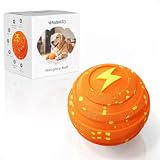
- 【Interactive Dog Ball】: This smart interactive dog toys runs in a 2-minute active cycle followed by a 20-second pause, then enters standby mode. When rolled, shaken, or touched, it reactivates—keeping dogs engaged, active, and chasing for hours.
- 【Premium E-TPU Material】: Made from 100% pet-safe E-TPU, this interactive dog toys is ultra-light, shock-absorbing, and highly bite-resistant while remaining gentle on teeth. The replaceable shell keeps the dog ball fresh, extends its lifespan, and is eco-friendly for safer, longer play.
- 【Waterproof & All-Weather】: Rated IPX7 waterproof, this dog interactive toys works indoors, outdoors, and even in shallow water. Whether for fetch, chase, or use as a Moving Dog Toy, it’s built to handle splashes, drool, and dirt—just tighten the shell before use.
- 【Long Playtime & Fast Charge】: Enjoy up to 4 hours of fun on a single charge. The Type-C port fully recharges in under 1 hour, so your dog toys interactive are always ready for the next play session without long waits.
- 【For Large & Small Dogs】: At 3.15 inches, this dog toys balls is ideal for dogs 35 lbs and up. Supervise play to encourage chasing and interaction, making it a great choice for interactive dog toys for large dogs with both durability and excitement.
- Choose the alternative behavior. A mat or designated spot should be far enough from the door for the dog to remain successful.
- Practice without a real arrival. Reward the dog for going to the mat and staying there when the environment is quiet.
- Add small greeting steps. Introduce door sounds, a hand on the knob, or a familiar person entering only while the dog can still respond calmly.
- Manage rehearsal. Use distance, a barrier, or another safe arrangement so the dog cannot repeatedly practice charging the doorway while learning.
- Increase difficulty gradually. If barking, rushing, fear, or frustration escalates, make the next repetition easier instead of forcing the dog to remain in the situation.
VCA advises seeking a reward-based behavior professional when fear, frustration, or injury risk is significant. A professional can adapt the plan to the dog, household, and visitors; punishment or confrontational handling can make an already intense greeting harder to manage.
When toy carrying becomes resource guarding
Guarding is defined by the dog’s response to approach, not by possession of a toy. Growling, snapping, nipping, stiffening, or otherwise threatening when someone comes near a valued object should be treated as a safety concern. Vet Help Direct advises against grabbing the item or pressuring the dog to share and recommends qualified clinical animal-behavior advice.
- Tell visitors not to reach for the toy or attempt a “test.”
- Give the dog space and keep people, especially anyone unable to follow instructions, away from the guarding situation.
- Do not punish a growl; it is a warning that the dog is uncomfortable and that the interaction needs to stop.
- Arrange help from a qualified, reward-based behavior professional who has experience with resource guarding.
If a dog has already snapped or made contact, treat future greetings as a higher-risk situation and use professional guidance before allowing visitors to interact freely. The goal is not to prove that the dog will surrender the toy; it is to prevent escalation and build a safer plan.
Independent reader supportYour contribution helps us test, update, and keep practical guides available for everyone.Choosing and positioning a greeting toy
You do not need to buy a new product to try this idea. A toy the dog already carries comfortably is the most relevant choice. Keep it familiar, safe, and appropriately sized, and replace the plan with another management strategy if the object causes conflict.
- Familiar: Use an item the dog already chooses, rather than introducing novelty at the most stimulating moment of the day.
- Carryable: The dog should be able to hold it without struggling or blocking its breathing.
- Available before the door opens: Position it near the entry only if the dog can access it without racing into visitors.
- Optional: The dog may carry, show, or ignore it. Do not force the dog to hold a toy as a greeting requirement.
The toy is an aid for a particular dog and situation, not a universal solution. ASPCA’s recommendation is limited to the possibility that holding a toy can reduce barking for some toy-loving dogs during greetings.
Recommended Free Tools
Rank #4
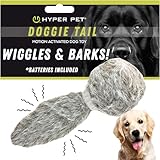
- PLUSH SQUEAKY DOG TOY THAT WIGGLES, VIBRATES, & BARKS – Entice your dog to run, chase, play, and exercise. This interactive dog toy encourages fun stimulation for dogs of all ages. Fun dog toys for small dogs, dog toys for medium dogs, and large dog toys.
- REDUCE ANXIETY AND BOREDOM – With funny sounds and erratic movements, these funny dog toys & plush dog toy will capture your puppy or adult dog’s interest and keep them engaged with its interactive dog toy movements. The wobble and wiggle will keep them busy and is a great alternative to dog puzzle toys and classic dog enrichment toys.
- TIPS TO ACTIVATE: Pull out tab and give hard shake. If toy does not turn on, feel around for ON/OFF switch located underneath cover, hold button for 2 seconds, and give hard shake. The ball will activate, vibrating and making noise for approximately 10 seconds. Once this stops, the ball will reactive when rolled, thown, or played with. When playtime is over, simply press button down to turn dog ball off and preserve battery life. PLEASE SEE VIDEOS FOR HELP.
- BATTERY OPERATED PROLONGED PLAY – To change batteries, remove the plastic ball from plush toy cover. Use tab to open the giggle dog toy ball. Remove the battery compartment and insert 3 AAA batteries. This interactive dog toy has an automatic stop feature after a period without use to extend battery life. (Batteries are included with the Hyper Pet Doggie Tail)
- NEW COVERS AVAILABLE – Additional Hyper Doggie Tail covers are available for your pet. Hyper Pet is a Cosmic Pet Brand. Color of Doggie Tail Plush May Vary. Please always supervise your pet while in use.
Common mistakes to avoid
Assuming every toy is an invitation
Taking the object immediately can turn a peaceful display into a chase or a guarding episode. Wait for an unmistakable play invitation and respect retreat.
Calling it a gift and overlooking warning signs
A sentimental interpretation should never override a tense posture, growl, snap, or nip. Safety information comes from the complete body-language sequence.
Using the toy to suppress all barking
A toy may redirect some greeting barking, but barking driven by fear, frustration, or extreme arousal requires a broader management and training plan.
Practicing only when guests are already inside
VCA’s mat-training approach starts while the dog is calm. Rehearse the alternative before adding realistic door and visitor triggers.
Forcing a trade or taking the item “to show who is in charge”
Pressure around a valued object can increase conflict. With guarding, stop the interaction and involve a qualified professional rather than experimenting at the doorway.
The most accurate way to interpret the behavior
A dog carrying a toy to a visitor is best understood as a context-dependent greeting behavior. Play, learned attention, possession display, comfort, and excitement are all plausible. No published figure establishes how often each explanation occurs, and the veterinary and welfare sources do not provide a conclusive test based on carrying alone. Watch what the dog does before and after the presentation, keep the response calm, and treat guarding or dangerous arousal as a behavior problem requiring specialized help rather than as a cute gift ritual.
Quick Recap
Product prices and availability are accurate as of the date/time indicated and are subject to change. Any price and availability information displayed on Amazon at the time of purchase will apply.




