Cats’ indifference to sweet compounds has a genetic explanation: their Tas1r2 gene, which encodes one part of the usual mammalian sweet receptor, is a pseudogene. Bottlenose dolphins show broader losses involving receptor genes associated with sweet and umami taste. But carnivory alone does not mean an animal cannot taste sweetness; receptor function varies among species.
Key takeaways
- The usual mammalian sweet receptor is a T1R2/T1R3 complex. A nonfunctional Tas1r2 gene prevents it from working as the usual sweet receptor.
- Cats have a pseudogenized Tas1r2 gene, consistent with observed indifference to sweeteners. This does not mean cats have no taste.
- In a 2012 survey of 12 non-feline Carnivora species, seven had disrupted Tas1r2; the finding applies to that study sample, not all carnivores.
- Bottlenose dolphins show reported losses of Tas1r1, Tas1r2, and Tas1r3, consistent with reduced sweet and umami taste. This is not evidence that dolphins have no taste at all.
- Feeding specialization may reduce the evolutionary value of some taste receptors, but receptor loss is not inevitable: a 2022 analysis found six species retained sweet or umami receptors despite predicted specialization.
Why dolphins, cats, and other carnivores can’t taste sweets
The answer differs by species. Cats’ indifference to sweet compounds is linked to a pseudogenized Tas1r2 gene. Bottlenose dolphins show a broader set of receptor-gene losses associated with sweet and umami taste, while some other meat-eating species retain functional-looking receptor genes.
Sweet taste can help animals detect sugars in foods. When a particular taste receptor is less useful in a lineage’s feeding niche, evolutionary pressure to maintain it may lessen. This is a plausible explanation for some receptor losses, not a proven single cause for every species.
How does sweet taste work in mammals?
The usual mammalian sweet receptor is formed by two proteins, T1R2 and T1R3, encoded by the Tas1r2 and Tas1r3 genes. When sweet compounds activate the receptor complex on taste cells, those cells send signals that the brain interprets as sweetness. The foundational PLOS Genetics study of cats’ indifference toward sugar describes this receptor and the feline gene finding.
#1 Best Overall

- AUTOMATIC GRAVITY REFILL: The automatic gravity dog water dispenser gradually dispenses water into the water bowl, reducing the need for frequent refills; suitable for busy pet parents, it holds 0.75 gallons
- SPILL-FREE DESIGN: Equipped with easy-grab cutouts, this spill-free dog water bowl allows for lifting without spills; its wide-mouth bottle is easy to remove from the base for convenient washing
- CONVENIENCE FOR PET OWNERS: Petmate Pet Cafe Dog Water Bowl Dispenser provides a source of fresh water for pets, making it easier for pet parents to make sure their pets stay hydrated
- VERSATILE WATER STATION: Available in four sizes, from 1/4 to 3 gallons, this water bowl for dogs and cats suits pets of all sizes and is suitable for multi-pet homes
- PETMATE RELIABILITY: Petmate has over 50 years of experience in pet care, and have made a variety of pet products; Petmate is passionate about all furry friends, and have produced plenty of products that pets and owners love
A receptor complex needs its components to work together. When Tas1r2 is nonfunctional, the usual T1R2/T1R3 sweet receptor cannot function normally.
What gene makes cats unable to taste sweet?
The gene is Tas1r2, which encodes the T1R2 part of the usual sweet receptor. In cats, it is a pseudogene: a gene sequence that has lost its normal function. The cat study links this genetic finding to observed indifference toward sweet-tasting compounds and high-intensity sweeteners.
This finding concerns the usual sweet-receptor pathway, not every possible response a cat might have to a food. Smell, texture, and other chemical cues can influence whether a cat approaches or eats something.
Are cats completely taste-blind?
No. The evidence about cats concerns sweet taste; it does not show that cats lack taste altogether. The cat study reports responses to other taste stimuli, while the pseudogenized Tas1r2 gene helps explain their indifference to sweet compounds.
Quick wins for a faster PC:
Fix the driver behind crashes, sound loss and screen glitchesFind Drivers →Clear out junk files and repair common Windows errorsFree Scan →Scan for outdated or missing drivers - takes under a minuteDriver Scan →Rank #2

- Premium 304 Stainless Steel & Easy Maintenance. Crafted from high-quality 304 stainless steel, this pet fountain offers a durable, premium build. It’s easy to clean — all water-contact parts are top-rack dishwasher safe and completely BPA-free. With a generous 108 oz (3.2 L) capacity, it provides plenty of fresh water while reducing the need for frequent refills.
- Quick Snap-Together Assembly & Large Water Window. Set up in minutes with the intuitive four-step, snap-together design. The large viewing window, enhanced by an optional blue LED light, makes it easy to check water levels and doubles as a soothing night glow — turning hydration time into your pet’s favorite moment of the day.
- Ultra-Quiet Suspended Pump Design. The advanced suspended pump operates at a whisper-quiet 25 dB, ensuring peaceful operation throughout your home. Its innovative design delivers stable, low-noise performance even with continuous, long-term use.
- Multi-Stage Filtration for Cleaner Water. The high-efficiency filter captures hair, food debris, and impurities while helping inhibit biofilm growth to keep water fresh and clean. For best performance, use softened or filtered water. Although the fountain features stainless steel construction, clean the fountain and pump weekly, and replace the filter and pre-filter sponge every 2 weeks.
- Leak-Proof Structure for Peace of Mind. Built with robust materials and a fully sealed construction, this fountain is reliably leak- and spill-proof, protecting your floors from unwanted messes.
“Sweet-blind” and “tasteless” are not interchangeable descriptions:
| Term | Meaning | Does it describe cats? |
|---|---|---|
| Sweet-taste loss | Disruption of the usual T1R2/T1R3 sweet-receptor pathway | Consistent with the cat gene and behavioral findings |
| Tasteless | Lacking taste altogether | No; the research does not support this claim |
| Response to other taste stimuli | Responses to taste cues other than sweetness | Yes; the cat study reports responses to other stimuli |
Why did cats lose sweet taste?
A plausible evolutionary explanation is that sweetness became less useful to detect in a feeding niche centered on animal foods. If a receptor provides less benefit, natural selection may place less pressure on maintaining it. Comparative research supports feeding specialization as a possible factor in receptor loss, but it does not prove one cause for every lineage.
This process is called pseudogenization: mutations accumulate in a gene until it no longer functions normally. The feline finding is an inherited evolutionary change, not a temporary effect of a meal or a cat’s age.
Can dogs taste sugar when cats cannot?
The broad label “carnivore” does not tell us whether a species can taste sweetness. The comparative study found disrupted Tas1r2 in seven of 12 surveyed non-feline Carnivora species, meaning the other species in that sample did not share that finding. The study also compared behavior: an Asian otter with defective Tas1r2 showed no preference for sweet compounds, while a spectacled bear with an intact gene did show a preference.
Rank #3
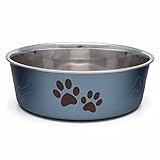
- STAINLESS STEEL & DURABLE - This Bella Bowl (27 oz, 6.75" x 2") features a stainless steel design with a poly-resin exterior great for dog food mat, which makes them dish washer safe and easy to keep clean and hygienic. Perfect cat food bowl or dog water bowl for home & travel.
- REMOVEABLE RUBBER BASE - This feature prevents and ensures no spill water bowl for dogs. It’s perfect for puppy food and makes an excellent addition to your dog feeding station. Watch the bowl stand steady on your pet food mat, making it a great complement to your dog mat and other dog stuff.
- PATENTED AWARD-WINNING DESIGN – Bella Bowls are renowned for being the bestselling bowls in the pet industry. The Bella Bowl Stainless Steel Bowls come in a variety of sizes, making this versatile dog food bowl perfect for all pets—from puppy bowls and small bowls to dog bowls large breed and everything in between! These bowls are also ideal for use as a cat water bowl, with smaller sizes being highly recommended for cat bowls for indoor cats.
- REAL STEEL STYLISH & COLORFUL DOG FEEDER – Available in a wide range of vibrant colors, this dog bowl seamlessly complements any pet supplies collection or dog accessories and makes a fantastic addition to your home’s décor. The Bella Bowls come in beautiful hues like blueberry and artichoke, making them a perfect fit for your dog bowl mat or cat food mat.
- VETERINARIAN RECOMMENDED – This stainless steel dog bowl and stainless steel cat bowls have all the benefits of stainless steel making them hygienic and clean. Bella bowls are truly a must-have for any cat feeding station and essential addition to your dog supplies.
These results illustrate why conclusions should be tied to the species and evidence studied. A later analysis found six species retained a sweet or umami receptor despite feeding specialization that had been predicted to favor receptor loss. The evidence does not support a universal claim that all carnivores lack sweet taste.
| Animal or group | Evidence described in the research | What it supports |
|---|---|---|
| Domestic cat | Tas1r2 is pseudogenized; the cat study also reports indifference to sweet compounds | The usual sweet-receptor pathway is disrupted, consistent with behavioral indifference |
| Asian otter | Defective Tas1r2; no preference for sweet compounds in the reported behavioral test | Gene and behavioral findings align in this tested species |
| Spectacled bear | Intact Tas1r2; preference for sweet compounds in the reported behavioral test | Some carnivores retain sweet-related function and preference |
| Bottlenose dolphin | Tas1r1, Tas1r2, and Tas1r3 were reported inactivated | Genomic evidence is consistent with loss affecting sweet and umami taste |
The 2012 PNAS study on taste loss in carnivorous mammals reported disrupted Tas1r2 in seven of 12 surveyed non-feline Carnivora species. These are study-sample findings, not an estimate of the proportion of all carnivores that cannot taste sweetness. The 2022 comparative analysis, “Role of feeding specialization in taste receptor loss”, documents exceptions to predictions based on feeding specialization.
Can dolphins taste sweetness?
The cited research reports that bottlenose dolphins have inactivated Tas1r1, Tas1r2, and Tas1r3, genes associated with umami and sweet receptor function. This genomic evidence is consistent with losses affecting sweet and umami taste, but it should not be turned into the broader claim that dolphins have no taste at all.
The same study suggests dolphins may lack functional bitter receptors. Treat this as a genomic inference about the receptors studied, not as proof that every aspect of dolphin taste has been tested behaviorally. The PNAS comparative study discusses these findings.
Rank #4

- Safe Drinking Dispenser: Features an internal gravity system for a continuous, fresh water supply. The extra-wide, anti-tipping base ensures maximum drinking stability. Crafted with a detachable premium 304 stainless steel bowl—100% BPA-free, rust-resistant, hygienic, and dishwasher-safe. Unlike ordinary plastic alternatives, it ensures a safer, cleaner, and healthier drinking experience for pets.
- Large Capacity Water Tank: Holds up to 1 Gallon (3.85L) of water, making it perfect for small to medium dogs and cats. The gravity-fed system automatically refills the bowl as your pet drinks—say goodbye to constant manual refills! Ideal for busy owners and weekend travelers. No need to worry about your pets running out of fresh water while you’re at work or away on a trip.
- Upgraded Outlet Filter: Unlike ordinary pet dispensers, ours features an upgraded filter built directly into the outlet cap. It effectively filters out partial impurities and odors while reducing dust from entering the tank—ensuring the water is clean and safe for pets to drink.
- Non-Slip & Stable Base: Designed with a widened base and non-skid rubber pad to stop sliding or tipping while the pet drinks. The water tank locks seamlessly onto the base, while the Deepening bowl prevents overflows—keeping your floors clean and dry.
- Easy Assembly & Cleaning: Simply twist the water tank to secure or detach it from the base—no tools required! Detailed user manual and step-by-step video guides are provided on the product page for quick setup.
What anatomical evidence supports dolphin taste loss?
The research dossier supports a conclusion based on reported receptor-gene losses; it does not establish a detailed anatomical finding here. Keep the evidence types distinct: a gene-sequence result can support an inference about receptor function, but it is not the same as a behavioral test of what an animal perceives.
Did all meat-eating animals evolve taste loss?
No. The comparative research found disrupted Tas1r2 in some species and intact receptor genes in others. A 2022 analysis also identified six species that retained a sweet or umami receptor despite feeding specialization that was predicted to favor loss.
Feeding specialization and relaxed selective pressure offer a plausible evolutionary explanation for some losses. They are not an absolute rule: species differ, and receptor loss is not immediate or inevitable.
Independent reader supportYour contribution helps us test, update, and keep practical guides available for everyone.What does this mean for cats attracted to sweets?
A cat’s interest in a food does not prove that it tastes sweetness. Smell, texture, and other cues may influence attraction, and the receptor research does not establish a specific reason for every cat’s behavior.
The Tool Desk
Outbyte Driver Updater FREEFix the driver behind crashes, sound loss and screen glitchesFind Drivers →Outbyte PC Repair FREERepair Windows errors before they cause bigger problemsFix Now →Best Value
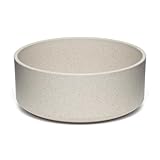
- RENEWABLE & SUSTAINABLE - Dolce Bamboo dogs and cat bowls were crafted using renewable and sustainable resources making them perfect for your pet supplies. This dog dish & bowl set is the perfect choice for conscious pet owners that are looking for both stylish and environmentally responsible puppy essentials and dog accessories.
- DISHWASHER SAFE- Our pet food bowls are designed with your convenience in mind, this bamboo dog bowl is dishwasher safe, making cleanup a breeze! Dog supplies should not be complicated, whether you are using the bowl for dog water bowl or cat food bowl simply place bowls in top rack dish washer. Mealtimes can get sloppy, make clean up easy! Add this eco-responsible bowl to your girl dog accessories, dog travel accessories or dog accessories boy today!
- PREVENTS SPILLS & NOISE - The Dishes skid-free rubber base ensures stability on dog food mat or cat food mat. Prevent spills and reduce mess on your dog mat for food and water or cat feeding station. Expect a dog water bowl no spill, even during your dog’s enthusiastic mealtime, ensuring a clean and mess-free feeding experience. The thoughtful pet feeder design also helps keep your dog’s nose safe from unnecessary friction. Perfect for kitten and puppy essentials!
- AVAILABLE IN THREE SIZES - Small, Medium, and Large—perfectly designed to suit dogs of all breeds and sizes. From small bowls to large dog bowl, these bowls hold from 18 to 76 ounces (2.25 to 9.5 cups) of dog food or water. Whether you need a small dog food bowl for your puppy or a large dog food and water bowl set for your grown dog, we’ve got you covered. These bamboo bowls are ideal for both dog food bowls and cat food bowls. With a versatile design, they are great for puppy bowls, small dog bowls, dog bowls large breed and even a cat water bowl! Elevate your pet’s mealtime with our high-quality dog stuff, dog essentials and puppy supplies!
- AVAILABLE IN THREE COLORS - Dolce Bamboo cat bowl and dog bowls come in three decorative colors to complement any indoor or outside home decor, water mat and dog feeding station, dog water mat : Oat, Slate, and Coffee. Whether you prefer a neutral, modern look or a warmer tone, these bowls seamlessly fit into your space and dog feeding mat. The timeless colors are not only aesthetically pleasing and look great on any cat mat, pet food mat or silicone mat. Choose the color that best matches your style and enhance your mat for dog food and water bowls with a functional yet stylish bowl!
The findings describe taste-receptor biology; they are not a reason to give cats sweets or test them with sweeteners.
The short answer
Cats’ indifference to sweet compounds is linked to a pseudogenized Tas1r2 gene, which prevents the usual T1R2/T1R3 sweet receptor from working normally. Bottlenose dolphins show broader reported losses involving sweet- and umami-associated receptor genes. Other meat-eating species vary, so carnivory alone does not predict sweet-taste loss.
FAQ
Why can’t cats taste sweet things?
The usual mammalian sweet receptor uses T1R2 and T1R3. In cats, Tas1r2, which encodes T1R2, is a pseudogene, consistent with observed indifference to sweet compounds.
Are cats completely taste-blind?
No. The research links cats’ indifference to sweetness to one receptor pathway; it does not say cats lack taste altogether. The cat study reports responses to other taste stimuli.
What’s actually slowing this PC down?
Pick the symptom - the matching free tool is one click away.
Do all carnivores lack the ability to taste sweet?
No. In the 2012 study, seven of 12 surveyed non-feline Carnivora species had disrupted Tas1r2. The study’s behavioral tests also found contrasting results in the Asian otter and spectacled bear.
Can dolphins taste sweetness?
The reported inactivation of Tas1r1, Tas1r2, and Tas1r3 is genomic evidence consistent with reduced or lost sweet and umami receptor function. It is not proof that dolphins have no taste at all.
The Bottom Line
Bottom line: Cats’ indifference to sweetness is linked to a pseudogenized Tas1r2 gene, while bottlenose dolphins show broader reported receptor-gene losses. Other carnivores vary, and feeding specialization is a possible evolutionary influence—not a rule that applies to every species.
Quick Recap
Product prices and availability are accurate as of the date/time indicated and are subject to change. Any price and availability information displayed on Amazon at the time of purchase will apply.




