Windows Errors? Fix Them Before They Spread
Repair common Windows errors and clear accumulated junk for a smoother, more stable PC - no reinstall needed.Free scan · no reinstallCrashes, No Sound, or Screen Glitches?
Random freezes, missing sound and display glitches usually trace back to one bad driver. Find and replace yours safely.Free scan · under a minuteOccasional paw cleaning is normal, but repeated foot biting can point to itch, pain, skin disease, injury, or stress-related overgrooming. The behavior alone cannot identify the cause. Check the paws gently if your cat allows it, and contact a veterinarian if the chewing persists, damages skin, or comes with limping, swelling, redness, discharge, or odor.
When is foot grooming normal, and when is it a concern?
Cats groom regularly. Pamela Perry, D.V.M., a resident in animal behavior at Cornell University College of Veterinary Medicine, estimates that cats spend 30 to 50 percent of their day grooming. That estimate refers to grooming overall, not specifically to biting their feet. Occasional paw cleaning without skin damage or other symptoms may be ordinary.
As an Amazon Associate I earn from qualifying purchases.
Repeated, intense, or newly focused chewing deserves attention. As Cornell professor emeritus William Miller, Jr., V.M.D., explains, “Cats will lick when an area of their body is itchy or painful.” Foot biting is a sign, not a diagnosis: several causes can overlap, and the pattern cannot confirm one on its own.
Free tools Windows power users keep installed
One-click scans. No signup required.
What can cause a cat to bite their feet?
These are practical categories of possible causes, not a veterinary ranking. Which explanation is more likely depends on the cat, its history, and the signs a veterinarian finds.
#1 Best Overall

- 🐶【PERFECT DESIGN】High Quality Stainless Steal blade Cat & Kitten and easy for cut which is Small, lightweight claw clippers ideal for cats, kittens and other small animals.
- 🐱【QUALITY & SAFE】Designed for best grip possible - left or right handed. A sharp but safe blade that will quickly cut through excess nail, allowing you to trim your cats claws quickly, without any fuss.
- 🐶【PROFESSIONAL & IDEAL】Professional Clippers ideal for both cats and small dogs. Non-slip grip that ensures you have a firm grasp of the clippers, allowing you to make a quick and clean snip
- 🐱【GOOD MATERIAL】Rubber coated handles, The smooth, curved head ensures that you won't nick you or your cat on any sharp edges.
- 🐶【UNIQUE SERVICE】Helps Save furniture without hurting your fluffy pal.
1. Normal grooming
A cat may lick its paws as part of routine cleaning. If the behavior is occasional and there is no redness, hair loss, wound, swelling, or change in walking, it may not indicate a problem. A change in frequency or intensity is more meaningful than grooming alone.
2. Fleas or other parasites
Parasites can make skin itchy, and flea bites can trigger allergic skin reactions. Fleas may not be obvious on a quick look; a flea comb can help inspect the coat, but it is only an inspection aid. It cannot treat fleas, rule them out, or explain the foot biting by itself. A veterinarian may check for parasites with combing and a skin examination.
Rank #2

- PREMIUM QUALITY – Made with thick, durable stainless steel blades that stay sharp for years. Each clipper undergoes strict quality control to ensure durability—no loose parts or breakage, making it one of the most reliable professional cat nail clippers available.
- DESIGNED FOR CATS & SMALL PETS – Expertly designed for kittens, cats, rabbits, puppies, chinchillas, guinea pigs, and other small animals. A must-have tool for safe and precise grooming.
- COMFORTABLE & EASY TO USE – Features a larger, softer grip for superior stability and control. Ergonomically designed to provide a stress-free trimming experience for both men and women.
- HELPFUL TIPS – Apply baby oil to highlight the quick before trimming. For overgrown nails, trim a small amount and wait a week before cutting again. Clear usage instructions are printed on the packaging for your convenience.
- HELP SAVE OTHER ANIMALS - When you buy any product from the Pet Republique (Seller), we will donate a portion of the profits to local shelters, where rescued abandoned dogs and cats are homed and loved.
3. Allergies
Food, inhaled, contact, and insect-bite allergies can contribute to itchy skin and chewing. Foot biting alone does not identify an allergen. If a food allergy is suspected, diagnosis may involve a veterinarian-guided elimination diet. Merck Veterinary Manual says food allergy cannot be diagnosed with blood or skin testing; a diet trial needs to be followed carefully under veterinary direction.
Recommended Free Tools
4. Infection or inflamed skin
Bacterial, fungal, or yeast infections can cause itching. Infection can also develop after chewing damages the skin. Ringworm may affect the paws and is contagious, so suspicious lesions need veterinary assessment rather than a home diagnosis.
Rank #3
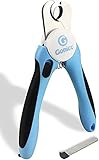
- Vet & Groomer Recommended Professional Design: Preferred by veterinarians, trainers and groomers, these clippers deliver fast, safe and precise trimming for medium and large dogs, ideal for at-home daily grooming.
- Ultra-Sharp 3.5mm Heavy-Duty Stainless Steel Blades: Thick premium stainless steel enables one-snip clean cuts. Long-lasting sharpness prevents nail splitting and crushing to protect paw health.
- Built-In Safety Stop to Avoid Over-Cutting: The integrated safety guard blocks over-cutting and protects the sensitive quick, ensuring beginner-friendly, worry-free safe trimming.
- Hidden Integrated Mini Nail File Included: Comes with a built-in mini file in the handle, letting you smooths rough edges instantly after trimming, leaving your dog's paws neat, soft and comfortable.
- Ergonomic Non-Slip Comfort Handles: Contoured anti-slip grips boost stable control and reduce hand fatigue, avoiding slips and creating a stress-free trimming experience.
5. Injury, foreign material, or an irritant
A cut, sore, splinter, debris between the toes, swelling, or contact with an irritant can bother a paw. If your cat tolerates it, briefly look around the pads and between the toes. Do not probe a painful paw or attempt a difficult removal; a struggling cat may be hurt further, and you may be bitten or scratched.
6. Pain
A cat may focus licking on a painful area. Repeated attention to one paw, particularly alongside limping or sensitivity, warrants evaluation rather than an assumption that the cause is an allergy or habit. Miller notes that the area receiving attention can offer a clue, but there is considerable overlap among possible causes.
Rank #4

- Easy to Use & Precise: Candure cat claw clippers are designed for effortless trimming. Our user-friendly cat clippers features precise edges, ensuring a comfortable & accurate trimming experience for your beloved companion.
- Pet-Friendly & Compatible: Candure Pet Nail Clippers are designed for stress-free trimming, featuring rounded tips, a non-slip handles, and precise stainless edges for safe & gentle grooming sessions with long-lasting durability.
- Superior Quality: Our puppy nail clippers feature angled design for effortless trimming, & to ensure precise, splinter-free cuts & a professional finish. Excellent quality cat clippers for nails with flawless results.
- Perfect Gift: Treat your furry friend with Candure cat claw trimmer designed for precise & stress-free trimming. With ergonomic design & precise edges, our nail clippers for cats ensure a safe & comfortable experience, making it the ultimate gift for your beloved cat.
- Durable and Affordable: Our kitten nail clipper combines long-lasting durability with excellent value for money, ensuring a reliable & cost-effective grooming tool for cats, puppies, guinea pigs, hamsters, birds, bunnies, and small breed pets.
7. Stress-related or habitual overgrooming
Changes such as a move, a different household schedule, or a change in household pets can contribute to anxiety-related licking. Repetitive grooming may continue as a habit, but Cornell advises addressing medical causes first. Do not assume stress explains foot biting until a veterinarian has assessed possible physical problems.
What signs mean your cat should see a veterinarian?
Contact a veterinarian if the biting is persistent or intense, or if you see signs of injury, skin damage, or trouble walking. ASPCA advises veterinary evaluation for obsessive paw cleaning, limping, or favoring a leg, as well as abnormal paw findings.
Best Value
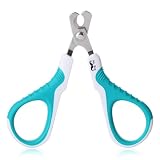
- Mr. Pen cat nail clipper is designed to provide precise and safe trimming for your cat's nails. It allows you to maintain the optimal length of your cat's nails without causing discomfort or injury.
- Mr. Pen nail clipper features a comfortable grip handle that ensures a secure hold during the trimming process. This helps to minimize any accidental slips or mishaps while trimming your cat's nails.
- The nail clipper is equipped with sharp and durable stainless steel blades. These blades ensure clean and efficient cutting, making the nail trimming experience quick and hassle-free.
- Mr. Pen cat nail clipper helps make the nail trimming experience easier for you and less stressful for your pet. It allows for efficient trimming, promoting a more relaxed grooming session.
- This cat nail trimmer is suitable for cats of all sizes. Whether you have a small kitten or a large adult cat, this clipper is versatile enough to easily handle different nail sizes.
- Broken skin, a wound, blood, or hair loss
- Redness, swelling, pus, discharge, or an unusual odor
- Limping, favoring a leg, or sensitivity when a paw is touched
- Repeated or obsessive paw cleaning, especially if it is worsening
Do not delay care for an open wound, significant swelling, discharge, odor, or limping. A veterinarian can advise how quickly your cat needs to be seen based on the specific signs.
What should you check and tell the veterinarian?
If your cat stays calm, make a brief, gentle visual check for obvious debris, cuts, sores, redness, or swelling. Stop if the paw seems painful or your cat resists. Note what you observe rather than trying to diagnose the cause.
Useful details include whether one paw or several areas are involved, when the behavior began, whether it comes and goes, and whether there is limping, pain on touch, hair loss, redness, discharge, or odor. Mention any signs of itch elsewhere or possible flea exposure. These observations can help the veterinarian take a history, but they do not establish a diagnosis.
What’s actually slowing this PC down?
Pick the symptom - the matching free tool is one click away.
How can a veterinarian find the cause?
Veterinary assessment generally begins with the cat’s history and a physical examination. Depending on the findings, the veterinarian may check for parasites, examine or sample the skin, or use other targeted tests. Merck Veterinary Manual describes itching as a sign rather than a disease and notes that parasites, infections, and allergies are common considerations.
If food allergy is suspected, a veterinarian may recommend a supervised elimination diet. Treatment depends on the cause: parasite control, diet changes, antibiotics, or antifungal treatment may be appropriate in specific cases under veterinary direction. Do not use human medication, essential oils, improvised bandages, or a flea product unless a veterinarian has confirmed it is suitable for your cat.
Quick Recap
Product prices and availability are accurate as of the date/time indicated and are subject to change. Any price and availability information displayed on Amazon at the time of purchase will apply.




