Do these 3 things before closing this tab:
1Scan for outdated or missing drivers - takes under a minute2Repair Windows errors before they cause bigger problems3Fix the driver behind crashes, sound loss and screen glitchesA growl is a cat’s way of saying “stop, back off, or I’m not comfortable.” It can signal fear, territorial defense, frustration at something the cat cannot reach, overstimulation, or pain. The sound alone does not reveal which one. The trigger, the target, the cat’s body language, and whether the growling is new will usually narrow it down. Give the cat space, never punish it, and contact a veterinarian if the growling is new, persistent, or linked to being touched.
Seven common reasons a cat growls
These are seven common contexts, not a ranked or complete list. Veterinary guidance from Cornell Feline Health Center and VCA Animal Hospitals does not rank them by how often they occur, and more than one can apply at the same time.
1. Fear or a perceived threat
Unfamiliar people, animals, sounds, or new experiences can trigger fear. A frightened cat often crouches, pulls back, flattens its ears, or tucks its tail. Growling is frequently the warning before it tries to leave. VCA’s guidance on cat behavior problems puts the range of responses plainly: “A frightened cat may either freeze, flee, or fight.” A cat with a clear exit usually needs only that exit. Pressing toward a frightened cat makes the next step more likely to be a swat or a bite.
2. Defending territory
A cat may growl at a person or animal that approaches an area it treats as its own. Common triggers include a newcomer to the home, a room that was recently closed off, a changed route to food or the litter box, or someone moving onto a favorite perch. Territorial behavior is one of the main contexts Cornell and VCA describe in tension between household cats, so it is worth asking whether the growl is aimed at a space rather than at you personally.
#1 Best Overall

- Complete Calming Solution: This cat calming diffuser kit includes diffusers and refills (48mL per bottle). Each refill delivers a 30-day supply of continuous support to help ease your cat’s anxiety. Ideal for addressing stress triggered by vet visits, traffic noise, fireworks, thunderstorms, or loneliness, this cat pheromone calming diffuser creates a safe and serene environment for felines of all ages and breeds
- Effective Stress & Behavior Support: Our cat pheromone diffuser works to reduce common signs of feline stress such as excessive scratching, urine spraying, hiding, and restlessness. By mimicking natural feline pheromones, this cat calming diffuser provides gentle, drug-free relief, making it a reliable choice for multi-cat households or cats experiencing tension during home changes or new pet introductions
- Long-Lasting & Wide Coverage: Each refill of the cat calming diffuser releases calming pheromones for up to 30 days, with coverage for areas up to 700 square feet. The diffuser features an automatic operation with a simple press of a button, and proper placement (vents facing up) ensures optimal performance and leak prevention, maximizing the effectiveness of your cat diffuser
- Safe & Non-Toxic Formula: The cat pheromone calming diffuser uses an odorless, non-toxic, and chemical-free formula that is safe for both humans and pets. Unlike harsh treatments, this cat calming diffuser does not cause drowsiness and poses no risk to your cat’s health, making it a trusted choice for daily use in any living space
- Easy to Use & Maintain: Setting up the cat calming diffuser is effortless—simply plug it into a standard outlet, keep the bottle upright, and press the button to activate. The heated diffuser and refill system operates quietly and continuously, requiring minimal maintenance; just replace the refill every 30 days to maintain consistent calming support for your feline friend
3. Conflict with another cat in the same home
Fear, territory, mismatched social preferences, and redirected arousal can all contribute to cat-to-cat aggression. A growl between housemates is often an early warning, before any fight. Look for staring, blocking doorways or food bowls, stalking, or chasing. If the cats are actively threatening each other, separate them safely (for example, with a closed door or a baby gate) rather than trying to break up a confrontation with your hands.
4. Redirected arousal
A cat that has become agitated by something it cannot reach, such as an outdoor cat seen through a window or a sudden loud noise, may direct that frustration at whoever is nearby. The clue is timing: check what the cat was watching or hearing just before it growled. Avoid approaching while it is highly aroused, and wait for it to settle. Where practical, block its view of the trigger.
Rank #2
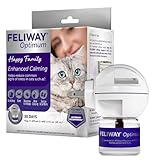
- HELPS REDUCE SIGNS OF STRESS USING A PATENTED PHEROMONE: FELIWAY Optimum is an advanced cat pheromone diffuser that helps reduce signs of stress in cats and helps ease tension between cats.*
- HELPS CATS FEEL CALM IN EVERYDAY SITUATIONS: FELIWAY Optimum is a cat calming diffuser that helps reduce stress‑related behaviors like urine spraying, scratching, hiding, and fearful reactions to change. Cat parents reported noticeable reductions in these behaviors, including a 77% reduction in urine spraying.
- SUPPORTS HARMONY IN MULTI‑CAT HOMES: Helps promote calmer interactions between cats. 72% of cat parents noticed reduced tension between their cats
- SAFE** AND NON-SEDATING: FELIWAY Optimum is not a sedative. It’s safe for use around cats, kittens, people and other pets.
- CONTINUOUS CALMING SUPPORT: This plug‑in cat pheromone diffuser provides 24/7 support when used as directed. To get started, plug into an open outlet with the vents pointed upward, allow at least 4 feet of clearance, and follow the label instructions.
5. Pain or illness
Growling when a cat is approached, lifted, or touched can be a sign of pain. VCA lists growling or hissing when approached among possible pain signs. Cornell identifies dental disease, osteoarthritis, hyperthyroidism, and central nervous system problems as medical issues that can contribute to aggression. If a cat that has always tolerated handling begins growling, or if its appetite, grooming, movement, or litter box habits have changed, a veterinary examination should come before you assume the cause is behavioral.
6. Discomfort with handling or petting
Some cats growl when petting goes on too long, when they are picked up, or when a particular spot is touched. Cats often signal “enough” with subtler cues first, such as skin twitching, a flicking tail, or turning the head away, and a growl may be the next, more audible step. If the reaction is new, repeated, or always tied to one body area, a veterinary exam is the right next step, because a sore area may be the cause.
What’s actually slowing this PC down?
Pick the symptom - the matching free tool is one click away.
Rank #3

- HELPS REDUCE COMMON SIGNS OF TENSION BETWEEN CATS: FELIWAY MultiCat, developed by the #1 vet recommended brand, helps reduce common signs of tension between cats such as: conflict, fighting, chasing, and blocking
- ENHANCED CALM AT HOME FOR MULTICAT HOUSEHOLDS: FELIWAY MultiCat plug-in diffuser uses the science of pheromones to send calming messages that mimic a mother cat’s natural pheromones to help reduce tensions & conflicts. 84% of cat owners saw significant improvement in conflict between cats when using FELIWAY MultiCat
- DRUG FREE & SAFE TO USE: FELIWAY diffusers are drug-free, non-sedating, and while cat pheromone analogs may help your cat, they won't affect humans or other pets
- PROVIDES 4 WEEKS OF CALMING SUPPORT: With just one refill, the diffuser offers up to 30 days of continuous calming benefits, helping your cat feel calmer
- COVERS LARGE LIVING SPACES: Each diffuser covers an area up to 700sqft, ensuring widespread calming support throughout your home for cats of all ages. To get started, simply plug your diffuser into an open outlet with 4+ feet of space to diffuse, with the vents pointed upward
7. Other aggression-related motivations
Play, maternal, or social conflict can be part of a broader aggression picture. A mother cat that growls at people or animals approaching her kittens is protecting them, and a cat that growls during play may be overexcited rather than upset. Growling alone cannot tell you which motivation applies. Consider the cat’s age, the situation, the target, its posture, and any recent changes, and bring those details to your veterinarian.
Independent reader supportYour contribution helps us test, update, and keep practical guides available for everyone.Reading the clues: what points where
No single clue decides the cause. Look at several together: who or what the growl is aimed at, the cat’s posture and ears, and whether the behavior is new.
Rank #4

- HELPS REDUCE CAT STRESS: FELIWAY Classic is a cat calming diffuser that helps individual cats feel calm and reduce stress behaviors like scratching, urine spraying, and hiding
- CREATES A CALMING HOME ENVIRONMENT: FELIWAY Classic uses calming pheromone messages that cats naturally understand to help them feel comfortable and safe during everyday changes in routine or environment. 9 out of 10 cat parents noticed reduced urine spraying and 8 out of 10 saw reduced scratching
- SAFE* AND NON-SEDATING: FELIWAY Classic is not a sedative. It’s safe for use around cats, kittens, people and other pets.
- CONTINUOUS CALMING SUPPORT FOR SHARED SPACES: Plug‑in cat pheromone diffuser provides 24/7 calming support. To get started, plug into an open outlet with vents pointed upward and allow 4+ ft of clearance, and follow the label instructions.
- #1 VET RECOMMENDED BRAND**: FELIWAY is the #1 vet recommended brand, and is backed by 30 years of feline stress expertise
| Clue | Points toward | Veterinary exam needed first? |
|---|---|---|
| Growls at someone approaching a particular room, bed, or perch | Territorial defense | Not usually, unless the behavior is new |
| Crouches, flattens ears, growls at a stranger or new animal | Fear or perceived threat | Not usually, unless the behavior is new |
| Growls right after seeing an outdoor cat or hearing a noise | Redirected arousal | Not usually, unless the behavior is new |
| Growls only when touched, lifted, or a body area is handled | Pain or handling discomfort | Yes |
| Growls with stalking, blocking, or chasing a housemate | Cat-to-cat conflict | Yes, if the conflict is ongoing |
| New growling with no obvious trigger, or with appetite, grooming, or movement changes | Possible medical cause | Yes |
What to do when your cat growls
- Pause the interaction and leave an exit. Do not pick the cat up, corner it, or touch a possibly painful area.
- Note what happened. Record the trigger, the target, body language, when the behavior began, and any changes in appetite, movement, grooming, litter box use, or normal routines.
- Reduce known triggers where practical. Block the view of an outdoor cat, give a nervous cat a quiet place to retreat, and prevent contact between cats that are actively threatening each other.
- Do not punish the cat. VCA’s guidance on aggression toward visitors states: “Punishment, including shouts and water sprays, should not be used to manage aggression, regardless of the cause.” Cornell warns that physical punishment can increase fear or anxiety and worsen aggression.
When to call the veterinarian
Contact your veterinarian if the growling:
- is new or represents a clear change from the cat’s usual behavior
- is persistent rather than occasional
- happens when the cat is touched, handled, or approached in a way it previously accepted
- comes with changes in activity, appetite, grooming, or litter box habits
- is part of conflict between household cats that is escalating
The veterinary sources reviewed do not set a specific emergency threshold for growling alone, so treat the list above as the practical bar for a call. Medical causes should be considered before behavior-only management when the behavior is sudden or concerning. If aggression continues after a medical evaluation, ask your veterinarian about a behavior plan or a referral to a veterinary behaviorist.
What this guidance can and cannot establish
This is general behavior information, not a diagnosis. The seven contexts above are common explanations, and a cat may fit more than one. The Cornell and VCA pages consulted were not all dated, so check the live versions of those pages before quoting them in a time-sensitive setting.
Quick Recap
Product prices and availability are accurate as of the date/time indicated and are subject to change. Any price and availability information displayed on Amazon at the time of purchase will apply.




