Quick wins for a faster PC:
Fix the driver behind crashes, sound loss and screen glitchesFind Drivers →Clear out junk files and repair common Windows errorsFree Scan →Scan for outdated or missing drivers - takes under a minuteDriver Scan →White foam does not point to one specific illness. It is often a mixture of saliva, stomach acid, and gas, but the same-looking foam can appear after vomiting, coughing, gagging, or regurgitation. The most important clues are what your dog’s body is doing, how often it happens, and whether other symptoms are present.
A single episode in an otherwise bright, comfortable dog may be minor. Repeated vomiting, unproductive retching, breathing trouble, abdominal swelling, or suspected toxin or foreign-object ingestion needs urgent veterinary attention.
First, work out whether your dog vomited
Owners often describe any fluid coming from the mouth as vomiting, but these events are not identical:
| What you see | What it may be |
|---|---|
| Nausea, drooling, repeated retching, and forceful abdominal contractions before foam comes up | Vomiting |
| Neck extended, repeated hacking or throat-clearing, followed by a small amount of foam; little abdominal effort | Coughing or gagging |
| Food or fluid comes up passively, without retching, often soon after eating | Regurgitation |
Record a video if it happens again. A short video can help your veterinarian distinguish a stomach problem from an airway or swallowing problem. Note the time, number of episodes, what came up, and whether your dog had eaten, exercised, or chewed something unusual beforehand.
#1 Best Overall

- From the makers of Advantage, Pet Protect Digestive Health supplement for dogs features Lactoquil, a formula developed by veterinarians that supports gut health
- These dog gut health probiotics support everyday GI health, microbial balance, and post-antibiotic and deworming therapy needs
- Powered by 9 strains of live probiotics for dogs, prebiotic inulin, and 1.5 billion CFUs to promote intestinal well-being in dogs
- Ideal for dogs experiencing dietary changes or indiscretions, stress from boarding, traveling, or hospitalization, and older dogs
- Contains: One (1) 60-count bag of Pet Protect Vet-Formulated Digestive Health Supplement for Dogs, Chicken-Flavored Soft Chews
Why dogs vomit white foam
Possible causes range from temporary stomach irritation to conditions that require emergency treatment.
Mild stomach upset
Eating too quickly, getting into garbage, swallowing grass, eating rich food, or changing diets suddenly can irritate the stomach. Gastroenteritis from infection or dietary indiscretion can also cause white or yellowish foam, nausea, diarrhea, and reduced appetite.
Foam may appear when the stomach is relatively empty, but that does not prove an “empty stomach” is the cause. Acid reflux and stomach irritation are possible explanations, not a diagnosis.
Pancreatitis
Inflammation of the pancreas can cause vomiting, abdominal pain, a hunched posture, lethargy, poor appetite, and sometimes diarrhea. Dogs with pancreatitis may seem unusually uncomfortable or resist being touched around the abdomen. A dog showing these signs should be examined rather than managed with home remedies.
The Tool Desk
Outbyte PC Repair FREEClear out junk files and repair common Windows errorsFree Scan →Outbyte Driver Updater FREEScan for outdated or missing drivers - takes under a minuteDriver Scan →A swallowed object or toxin
Toys, socks, bones, rocks, corn cobs, and other objects can obstruct the stomach or intestine. Batteries, medications, cleaning products, poisonous plants, and certain foods can also make a dog vomit. An obstruction or poisoning may become dangerous even if the first vomit contains only foam.
Parasites, infection, or underlying disease
Parasites and infections—including parvovirus in susceptible or incompletely vaccinated dogs—can cause vomiting. Kidney or liver disease can also produce nausea and vomiting, sometimes alongside changes in thirst, urination, appetite, or energy.
Rank #2

- Number 1 vet-recommended probiotic brand to support digestive health (online survey among all US vets who indicated brand as one of 1-3 brands recommended Q4 2025).
- For Dogs of All Ages: Probiotic dog powder supplement for the dietary management of puppies and adult dogs with diarrhea.
- Proven Probiotics: Dog digestive support supplement containing a probiotic for dogs proven to promote intestinal health and balance.
- Easy-to-Feed: Easy-to-Feed powder supplement includes dog immune system supporting antioxidants.
- Trusted Brand: FortiFlora digestive probiotics for dogs are developed in collaboration with Purina nutritionists, researchers and veterinarians.
A cough that ends in foam
Kennel cough, pneumonia, a collapsing trachea, heart disease, and other airway problems can look like vomiting when a coughing fit ends with white foam. Coughing, rapid breathing, exercise intolerance, nasal discharge, or a change in your dog’s breathing should prompt a veterinary call.
Bloat or GDV
Gastric dilatation-volvulus (GDV), commonly called bloat, can cause repeated attempts to vomit with little or nothing produced. The abdomen may become swollen, tight, or painful. Pacing, restlessness, weakness, pale gums, collapse, or rapid breathing can follow. GDV can deteriorate rapidly and is an emergency.
Outdated Drivers Are Slowing You Down
One free scan finds every outdated or missing driver and matches the right update for your exact hardware.Free scan · exact hardware matchWindows Errors? Fix Them Before They Spread
Repair common Windows errors and clear accumulated junk for a smoother, more stable PC - no reinstall needed.Free scan · no reinstallWhen white-foam vomiting is an emergency
Go to an emergency veterinarian or call one immediately if your dog has any of these signs:
- Repeated vomiting or repeated attempts to vomit that produce little or nothing
- A swollen, tight, or painful abdomen
- Restlessness, severe discomfort, collapse, weakness, or marked lethargy
- Difficulty breathing or rapid, shallow breathing
- Blood in the vomit or material that looks like coffee grounds
- Inability to keep water down
- Suspected poisoning or swallowed foreign material
- Pale gums, seizures, unconsciousness, or severe pain
Do not wait to see whether it passes if your dog is dry-heaving and has a distended abdomen. That combination is particularly concerning for GDV.
What to do after one mild episode
If your dog vomited once and is alert, comfortable, breathing normally, and behaving normally, take these steps:
- Remove access to hazards. Pick up treats, table scraps, garbage, plants, toys, bones, and anything else your dog could swallow.
- Observe closely. Watch for another episode, diarrhea, abdominal pain, lethargy, appetite changes, dehydration, or altered drinking, urination, or bowel movements.
- Do not force food or water. Allow your dog to rest. If even small amounts of water trigger more vomiting, seek veterinary advice promptly.
- Ask your veterinarian about feeding. Puppies, senior dogs, dogs with chronic disease, and dogs taking medication may need specific instructions.
Feeding advice is not identical for every dog. Some veterinary guidance recommends withholding food—but not water—for roughly 12 hours after an isolated episode, then offering small amounts of bland food. Other nutrition guidance cautions that prolonged fasting can delay recovery because the gut still needs nutrition. Do not impose a 24- or 48-hour fast as a universal rule. Ask your veterinarian what is appropriate for your dog.
Rank #3
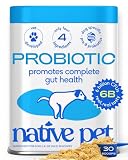
- Dog-Specific Strains, Real Results: Unlike one-size-fits-all formulas, Native Pet delivers 6 Billion CFUs from 4 strains selected specifically for canine digestive systems. Vet-formulated for targeted gut health support, this probiotic powder helps dogs with sensitive stomachs and supports stool quality and digestive recovery - most dogs show noticeable stool improvement within 7 days
- Simple Weight-Based Dosing: No measuring cups or complicated calculations - just use the included scoop. Give 1 scoop per 50 lbs of body weight daily, with smaller dogs using proportionally less (e.g., a 25-lb dog gets ½ scoop). Split the daily scoop across 2 meals for added flexibility with this dog probiotic supplement powder
- Clean Label You Can Trust: Native Pet commits to 5 or fewer inactive ingredients per formula. Developed by a board-certified veterinary nutritionist, this formula contains only what works, no unnecessary fillers. Shelf-stable powder, no refrigeration needed, just store in a cool, dry place. Suitable for dogs of all breeds, sizes, and life stages, from puppies through seniors. For specific allergen concerns, check the product label for the complete ingredient list
- Prebiotics and Fiber for Daily Gut Balance: 2 prebiotic fiber sources - inulin from Jerusalem artichoke and organic pumpkin powder - nourish beneficial gut bacteria and support complete digestive balance. Designed for daily long-term use as part of your dog's regular feeding routine, not just as a short-term fix. Best of all, it's shelf-stable; store it right in your pantry with no refrigeration required before or after opening
- Picky Pup Approved, All Ages Welcome: This fine probiotic powder mixes seamlessly into wet or dry dog food without changing taste or texture - even your pickiest pup won't notice it's there. Vet-formulated and Made in the USA with globally sourced ingredients, it's the daily digestive support pet parents seeking clean, science-backed canine nutrition can feel good about. Please Note: Packaging may vary due to design changes. Contents remain unchanged in quality and ingredients.
When food is reintroduced with veterinary approval, small, frequent portions of an easily digestible, veterinarian-recommended diet are generally preferable to one large meal. If vomiting returns, stop experimenting at home and contact the clinic.
What not to give your dog
- Do not give human anti-nausea, pain, or stomach medicines unless your veterinarian specifically tells you to.
- Do not use leftover medication prescribed for another illness or another animal.
- Do not give salt, mustard, milk, oil, syrup of ipecac, or other internet remedies.
- Do not induce vomiting unless a veterinarian or veterinary poison-control professional specifically instructs you to.
Inducing vomiting can cause aspiration, injure the esophagus, or cause additional damage if the substance is corrosive or sharp.
If poisoning may be involved
Move your dog away from the substance, keep the packaging or a sample if it can be collected safely, and note what was eaten and approximately when. Call a veterinarian or poison-control service immediately, even if your dog appears normal; some toxins have delayed effects.
ASPCA Animal Poison Control Center: (888) 426-4435
Pet Poison Helpline: (855) 764-7661
Do these 3 things before closing this tab:
1Fix the driver behind crashes, sound loss and screen glitches2Clear out junk files and repair common Windows errors3Scan for outdated or missing drivers - takes under a minuteWhen to call your regular veterinarian
Arrange veterinary care if vomiting happens more than once, keeps recurring, or continues for more than 24 hours. Call sooner if it occurs with diarrhea, fever, poor appetite, dehydration, weight loss, lethargy, or abdominal pain.
Repeated episodes over days or weeks deserve investigation even if your dog seems normal between them. Also contact your veterinarian when the event looks more like coughing or gagging, particularly if your dog has breathing changes.
Rank #4

- DIGESTIVE ENZYMES FOR DOGS: These probiotic dog chews support dog digestive health with high-quality ingredients: Perfect for all breeds and sizes, our dog probiotics provide essential dog digestive support to keep your pup happy and healthy
- VERSATILE BENEFITS: These probiotics for dogs support dog digestive health, promote proper stool quality, and boost the immune system; With naturally occurring micro-organisms, our dog probiotic chews aid dog gut health for overall wellness
- GREAT TASTE: These probiotic chews for dogs support dog digestive health while delivering a flavor even picky eaters love; Packed with probiotics for dogs digestive health, they make the perfect dog probiotic chews for daily dog gut health support
- NO POWDER NEEDED: No more messy powders! Support dog gut health with our probiotic dog chews; These dog digestive supplements provide the benefits of probiotics for dogs digestive health in an easy, no mess chew—no scooping or mixing needed!
- POWERFUL BLEND: Our probiotic dog chews contain 1 billion CFUs of beneficial bacteria cultures; With prebiotic for dogs like inulin, these dog probiotics for digestive health support dog gut health, aiding dog digestive support and diarrhea relief
Sticky or tacky gums, pronounced tiredness, and losing interest in drinking can indicate dehydration. Repeated vomiting can also disrupt fluid and electrolyte balance.
What the veterinarian may do
Your veterinarian will likely ask when the episode began, how often it occurred, what the material looked like, what your dog ate, whether the diet recently changed, and whether your dog could access medication, toxins, garbage, or objects. Vaccination status, current medications, previous illnesses, and changes in stool or urination are also relevant.
The examination may include the mouth, hydration status, breathing, and abdomen. Depending on the findings, the clinic may recommend blood and urine tests, fecal testing, X-rays, ultrasound, endoscopy, or other imaging. X-rays are especially important when a swallowed foreign object is possible.
Treatment depends on the cause. It may include fluids, anti-vomiting medication, dietary management, parasite treatment, or antibiotics for selected infections. An obstruction, GDV, or another surgical condition may require an operation.
Sources
- American Kennel Club: dog vomiting white foam
- Cornell University College of Veterinary Medicine: vomiting
- VCA Animal Hospitals: bland diet instructions
- ASPCA: what to do if your pet is poisoned
FAQ
Is white foam from my dog always serious?
No. One mild episode in an alert, comfortable dog may resolve, but white foam alone cannot identify the cause. Repeated vomiting, pain, weakness, breathing trouble, or other warning signs require veterinary care.
Should I give my dog food or water after vomiting white foam?
Do not force either. Ask your veterinarian for feeding instructions, especially if your dog is a puppy, senior, chronically ill, or taking medication. If your dog cannot keep water down, seek veterinary care.
Free tools Windows power users keep installed
One-click scans. No signup required.
Can an empty stomach cause white foam?
An empty stomach and acid irritation can contribute to foamy vomit, but white foam does not prove that this is the cause. Other possibilities include pancreatitis, obstruction, poisoning, infection, or coughing-related problems.
When should I worry about bloat?
Treat repeated dry-heaving or attempts to vomit with little or nothing produced—especially alongside a swollen or painful abdomen, pacing, weakness, pale gums, or rapid breathing—as an emergency.
The Bottom Line
White foam is a description, not a diagnosis. After one isolated episode, remove hazards, avoid forcing food or water, and monitor your dog closely. Call your veterinarian for recurring vomiting or additional symptoms, and seek emergency care immediately for dry-heaving, abdominal swelling, breathing trouble, collapse, blood, suspected poisoning, or a swallowed object.
Quick Recap
Product prices and availability are accurate as of the date/time indicated and are subject to change. Any price and availability information displayed on Amazon at the time of purchase will apply.
Recommended Free Tools




