What’s actually slowing this PC down?
Pick the symptom - the matching free tool is one click away.
A kitten may sneeze after breathing dust or a strong scent, but repeated sneezing can also signal a contagious upper respiratory infection. The sneeze alone cannot identify the cause. Pay attention to discharge, appetite, energy and breathing: open-mouth or labored breathing needs immediate veterinary attention.
How to judge a sneeze: brief irritation or a bigger concern?
A single sneeze after a clear exposure, with the kitten otherwise eating, drinking, breathing and behaving normally, may be temporary irritation. Repeated or worsening sneezing—especially alongside eye or nasal discharge, congestion, appetite changes or low energy—deserves a call to a veterinarian. These patterns help guide urgency; they do not diagnose the cause.
As an Amazon Associate I earn from qualifying purchases.
- Look at the trend: note whether sneezing stops after an irritant is removed or continues and worsens.
- Watch the whole kitten: check appetite, drinking, energy, eyes, nose and breathing, not just the number of sneezes.
- Consider exposure: recent adoption, shelter or rescue contact, other cats at home, vaccination history and stress are useful details for the clinic.
Five possible reasons a kitten may sneeze
These are useful cause categories, not a ranked list or a way to diagnose an individual kitten at home.
The Tool Desk
Outbyte Driver Updater FREEScan for outdated or missing drivers - takes under a minuteDriver Scan →Outbyte PC Repair FREERepair Windows errors before they cause bigger problemsFix Now →1. Dust or litter particles
Dust in the air or from litter can irritate the nose and trigger a brief sneeze. If there is a plausible connection, reducing dust and trying a low-dust, unscented litter may help limit exposure. That change does not treat an infection. PetMD discusses irritants as a possible cause of sneezing.
#1 Best Overall

- INCLUDED - A set suction catheter of sterile packed, 2x 8 FR Red Tubes for Newborn Animal, 2 pack 20ml syringe, a blue bulb aspirator
- MUCUS EXTRACTOR - The Mucus Trap 10 FR for Puppies vial holds 20 ml/cc, you can use it to clear mucus of puppy or kitten easily. The whistle tip catheter allows efficient mucus suction. For oral or mechanical suction. The sterile suction catheter is Single use only.
- FEEDING TUBE - The feeding tube for puppy is made of soft rubber to make it easier for small animals to accept. The puppy kitten tube feeding kit is suitable for most newborn animal kid, such as goat, lamb, kitten, puppy and more, you can use the feeding kit for watering, milk and medicine feeding etc.
- WIDE APPLICATIONS - The suction catheter and red feeding tube all can be use for puppies, kittens and other small animals to manually suck mucus out of the mouth and nose. or other desired area. They are able to help your pet in a simple emergency.
- MATERIAL - The red tube is made of soft rubber material, which is safe and reliable, has no harmful substances, will not affect the health of your pet, you can apply them for feeding and watering or suck mucus for your small animal with confidence.
2. Strong scents, smoke or cleaning products
Strong fragrances, smoke and cleaning-product exposure can irritate a kitten’s nose. Move the kitten away from an obvious source and follow the product’s safety instructions. Do not use fragrances or essential oils as respiratory remedies.
3. Feline herpesvirus
Feline herpesvirus type 1 (FHV-1) is a major cause of feline upper respiratory disease. It can cause sneezing and eye or nasal signs. After signs improve, the virus can persist in the body and flare again; stress can be associated with flare-ups. Young cats are susceptible. Cornell’s Feline Health Center describes feline respiratory infections and herpesvirus.
Rank #2

- ALL-IN-ONE NOSE & EAR CARE: Comes with 3 specialized silicone tips-nasal gourd nozzle, long ear nozzle, and milk suction nozzle. Effortlessly switch between relieving stuffy noses, removing ear wax & debris, and clearing newborn airways. No need to buy separate ear cleaners or nasal aspirators—one device does it all.
- CLEAR MILK & MUCUS IN SECONDS: Designed for quick airway suction, this aspirator helps remove milk, amniotic fluid, and nasal mucus in seconds. Adjustable vacuum levels provide effective yet gentle suction. Comes with a soft conical tip for oral/nasal use and a gourd tip for nostrils—ideal for newborn pets, breeders, and multi-pet homes.
- WHISPER-QUIET FOR A CALMER PET: Advanced noise-reduction technology keeps operation ultra-quiet. Less stress, less struggling—just smooth, gentle suction that helps your pet stay calm and comfortable during care.
- EASY TO CLEAN, SAFE TO USE: All removable parts that contact your pet—tips, collection cup,detach for quick rinsing or dishwasher cleaning. Made with food-grade, skin-friendly silicone for safe, hygienic daily use.
- USB-C RECHARGEABLE & TRAVEL READY: Convenient USB-C charging works with laptops, power banks, and car chargers. Long-lasting battery supports weeks of routine care. Compact and lightweight—perfect for home, travel, breeding kits, or emergency prep. Less mess. Less stress. More peace of mind.
4. Calicivirus or another contagious respiratory infection
Feline calicivirus (FCV) is another major cause of upper respiratory disease. Its signs can overlap with herpesvirus, and other viral or bacterial agents may contribute, so symptoms alone cannot identify the pathogen. These infections can spread between cats through respiratory droplets and contaminated objects; shelters, rescues and other multi-cat settings are common contexts for transmission. The ASPCA’s Common Cat Diseases guidance covers feline upper respiratory infections.
5. Another nasal or oral problem
A foreign object or dental disease can be an alternative explanation, particularly when sneezing persists or does not fit a short-lived irritant exposure. Sneezing alone does not establish either problem; a veterinarian needs to assess the kitten.
Rank #3
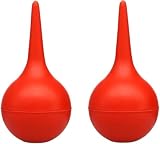
- VETERINARY SUCTION DEVICE: Manual amniotic fluid suction bulb designed specifically for canine and feline birthing assistance and respiratory care
- DUAL PURPOSE USE: Effective for nasal clearing in newborn puppies and dogs, as well as emergency choking situations in home or clinic settings
- 30ML CAPACITY: Generous volume allows for efficient fluid removal without frequent emptying during critical care procedures
- SET OF 2 BULBS: Includes two red manual squeeze bulbs providing backup option and allowing for sterilization rotation during use
- VERSATILE APPLICATION: Functions as pumping bulb, siphon bulb, and air squeeze bulb for various liquid removal needs in pet nursing care
When sneezing needs veterinary attention
Seek immediate veterinary care for breathing distress
Open-mouth breathing, increased effort to breathe, collapse, lying on the side and not rousing, or pale or grey gums are urgent signs. Contact an emergency veterinary clinic rather than waiting to see whether they pass. Blue Cross lists breathing difficulty among serious signs associated with cat flu.
Call promptly for persistent or worsening signs
Contact a veterinarian if sneezing persists or worsens, or if the kitten has eye or nasal discharge, blood, reduced appetite, lethargy, possible dehydration or otherwise seems unwell. Young kittens warrant a low threshold for calling because becoming ill and eating or drinking less can be concerning. Do not wait for an arbitrary number of days if the kitten is deteriorating.
Rank #4

- PACK OF 2: Includes two 30ml red manual suction bulbs for convenient use at home or in a clinic setting.
- VERSATILE USE: Designed for nasal and airway suction in puppies, kittens, and other small pets to help clear amniotic fluid at birth.
- EASY TO OPERATE: Simple squeeze-and-release air bulb mechanism allows for quick, manual siphoning without any complex tools or equipment.
- COMPACT DESIGN: Lightweight and portable bulb syringes are easy to handle, making them ideal for both home breeders and veterinary clinics.
- NURSING ESSENTIAL: A must-have supply for newborn pet care, helping to clear airways and support the health of newborn dogs and cats.
What a veterinarian may check
The veterinarian can consider age, vaccination and exposure history, appetite and hydration, examine the eyes and nose, assess overall condition and listen to the lungs. Depending on the findings, the next step may be no testing, or further tests such as imaging, blood work or swabs/PCR. These tests are not automatically needed for every uncomplicated case.
Treatment depends on severity and cause. It may involve hydration and nutritional support, isolation, eye medication or other prescribed medicines. Antibiotics are appropriate only when a veterinarian suspects a bacterial component; sneezing by itself is not a reason to give leftover antibiotics.
Best Value

- SINUS SUPPLEMENT FOR CATS: HomeoPet’s Feline Nose Relief is a cat sinus-relief supplement that may help support certain nasal and sinus tract issues. These drops may help ease symptoms like a runny nose, watery eyes, sneezing, and congestion.
- NATURAL FORMULA: This liquid homeopathic nose relief for cats may help provide nasal congestion relief and may also support sinus function. It is formulated with safe, gentle, and high-quality homeopathic ingredients and has no known side effects.
- FOR CATS OF ALL AGES: HomeoPet’s cat sinus-relief solution is well tolerated by and approved for cats of all ages, from small kittens to elderly cats.
- EASY TO USE: Dose supplement directly into mouth, in water, or at meal/snack time 3 times per day as needed. For acute cases, give 1 dose every 15 minutes for up to 4 doses.
- SIMPLE, SAFE & PURE: Daniel H. Farrington and his veterinarian brother, Thomas Farrington, created HomeoPet to bring high-quality, safe, and natural animal supplements to pets and pet parents worldwide.
Safe care at home while you monitor
- Keep the kitten comfortable and track breathing, appetite, drinking, energy and discharge. Follow the clinic’s instructions and report a worsening pattern.
- Reduce an obvious irritant, such as dusty litter or a strong scent, if symptoms appear linked to it. Environmental changes are not treatment for infection.
- If an upper respiratory infection is suspected, limit contact with other cats, avoid sharing bowls where practical, and wash your hands after handling the kitten. Ask your veterinarian how to manage isolation and cleaning.
- Ask a veterinarian before giving medicine or using nose drops. Never give human cold remedies or decongestants, or leftover antibiotics, without veterinary direction.
- PetMD describes brief steamy bathroom air as a possible comfort measure during recovery. It does not establish that a humidifier is necessary. Do not make the kitten hot or expose it to unsafe heat.
Reducing spread and future risk
Upper respiratory pathogens can spread in droplets from sneezing and through contaminated objects. Cats may become carriers and sometimes transmit viruses without visible signs, according to the ASPCA. Separate new or symptomatic cats as your veterinarian advises, maintain good hygiene and reduce stress where possible.
FVRCP vaccination is part of preventive veterinary care. Vaccines do not prevent every infection, but can reduce disease severity. Ask your veterinarian about the schedule suited to your kitten’s age and circumstances. Cornell estimates that up to 97% of cats are exposed to feline herpesvirus during their lifetime and that infection becomes lifelong in up to 80% of exposed cats; these are lifetime population estimates, not the odds that a sneezing kitten has herpesvirus. Cornell provides this context in its respiratory infection guidance.
Quick Recap
Product prices and availability are accurate as of the date/time indicated and are subject to change. Any price and availability information displayed on Amazon at the time of purchase will apply.
Free tools Windows power users keep installed
One-click scans. No signup required.




