A clicking or chattering jaw can accompany dental or oral pain, but the sound alone cannot show what is causing it. A jaw or joint injury is another possibility, particularly if the clicking began after trauma or your cat cannot close its mouth normally. Recurrent clicking—or clicking alongside changes in eating, drooling, bleeding, or apparent pain—deserves veterinary assessment.
What might make a cat’s jaw click?
Jaw clicking is a sign, not a diagnosis. The timing and other changes you notice can help a veterinarian assess whether the problem may involve the teeth and mouth or the jaw itself.
As an Amazon Associate I earn from qualifying purchases.
Dental or oral pain
Dental disease can be painful even when it is not obvious during a quick look at your cat’s teeth. VCA lists jaw chattering among possible signs of feline dental disease, along with chewing discomfort, dropping food, difficulty swallowing, drooling, and sometimes blood in the saliva. Cornell describes periodontal disease signs such as reluctance to eat, drooling, turning the head while chewing, and bad breath. VCA’s overview of dental disease in cats and Cornell’s feline dental-disease guide describe these signs.
The Tool Desk
Outbyte PC Repair FREEClear out junk files and repair common Windows errorsFree Scan →Outbyte Driver Updater FREEFix the driver behind crashes, sound loss and screen glitchesFind Drivers →Tooth resorption is one painful dental condition a veterinarian may consider. A cat may still seem interested in food but change how it chews, swallow food without chewing, or prefer soft food. Those behaviors do not confirm tooth resorption; an examination is needed. Cornell’s guide to tooth resorption explains that some affected cats tilt their heads and try to chew on one side.
#1 Best Overall
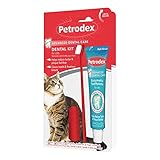
- Complete oral care system: enzymatic toothpaste plus toothbrush cleans teeth and fights bad breath in one kit
- Reduces plaque & tartar buildup: patented enzyme formula works without rinsing required
- Malt-flavored formula cats tolerate well: makes at-home brushing easier to stick with
- Everything needed to start a dental routine: ideal for new puppies, kittens, or first-time brushers
- Formulated specifically for pets: non-foaming, no-rinse enzymatic formula that's safe if swallowed
Cornell cites studies estimating that 50–90% of cats older than four have some form of dental disease. That estimate concerns dental disease broadly, not jaw clicking, and it does not establish the cause of an individual cat’s sound.
Jaw or joint injury
A fall, collision, fight, or other trauma makes injury more relevant, especially if the bite suddenly looks different, the jaw seems displaced, or your cat cannot close its mouth or eat normally. Merck notes that a mandibular fracture can cause pain, an acute change in the bite, and inability to eat; temporomandibular joint dislocation can cause similar bite changes, eating difficulty, and discomfort. Clicking by itself does not establish a fracture or joint disorder. See Merck Veterinary Manual’s information on feline dental disorders and its guide to traumatic injuries in cats.
Rank #2

- Delious Chicken flavored Cat Toothpaste: Formulated specifically with your cat's preferences in mind
What signs should you watch for?
Notice when the sound happens and whether it comes with changes in eating or mouth comfort. VCA lists slow chewing, less interest in dry food or hard treats, food falling from the mouth, drooling, pawing at the mouth, and new resistance to having the face or mouth touched as possible signs of dental pain. Cornell also notes reluctance to eat, head-turning while chewing, and bad breath. These signs help describe the problem, but they do not identify a specific cause. VCA’s guide to dental-pain signs in cats covers what owners may observe.
Do these 3 things before closing this tab:
1Clear out junk files and repair common Windows errors2Fix the driver behind crashes, sound loss and screen glitches3Repair Windows errors before they cause bigger problems- Whether clicking happens while eating, grooming, yawning, or at rest
- When it began, how often it happens, and whether it is getting more frequent
- Any recent fall, collision, fight, or other injury
- Changes in appetite, food texture preference, chewing, or food dropping
- Drooling, blood, bad breath, pawing at the mouth, or sensitivity around the face
- Whether your cat opens and closes the mouth normally
If it is safe and will not delay care, a short video may help you show the clinic what you mean by “clicking.” It cannot replace an examination or rule out a painful or hidden problem.
Rank #3

- FIGHTS DENTAL DISEASE IN CATS: Around 40% of cats develop dental disease, causing daily pain they often hide; this complete dental kit reduces plaque and tartar that cause gum disease and bad cat breath when used regularly.
- COMPLETE CAT DENTAL KIT CONTENTS: Kit includes one 2.5 oz tuna flavor enzymatic cat toothpaste, one dual-headed toothbrush with two different brush head sizes for cats of all sizes, and one finger brush for added brushing flexibility.
- BAKING SODA FORMULA DEODORIZES BREATH: This enzymatic cat toothpaste is formulated with Arm & Hammer baking soda, which dissolves into hard-to-reach areas to deodorize cat breath and clean gently without harsh abrasives.
- TARTAR CONTROL ENZYMATIC TOOTHPASTE: The enzymatic formula actively helps control tartar buildup and freshens breath; fluoride-free and non-toxic, this toothpaste is safe for cats and formulated without dyes or harsh additives.
- TWO TOOTHBRUSH STYLES FOR CATS: The dual-headed cat toothbrush fits different mouth sizes, while the included finger brush slips over your fingertip for closer gum contact, making it easier to reach all areas of your cat's mouth.
When should you contact a veterinarian?
Contact your cat’s regular veterinarian if the clicking recurs or occurs with chewing changes, food dropping, drooling, oral bleeding, bad breath, reduced appetite, pawing at the mouth, or apparent discomfort. The reviewed veterinary guidance does not set a specific appointment deadline for an isolated click without other signs, so describe what you have observed and ask the clinic how soon your cat should be seen.
Seek urgent or emergency veterinary advice for severe pain, trouble breathing, uncontrolled bleeding, inability to eat after trauma, a jaw held open or unable to close, or suspected fracture or dislocation. Merck identifies severe pain, breathing trouble, and severe or uncontrolled bleeding as emergency indicators; jaw fractures can also leave a cat holding the mouth open or unable to eat. See Merck’s guidance on when to seek veterinary care.
Rank #4

- Gentle Dental Care Cats Accept: Designed for cats sensitive to strong smells or flavors, this no-added-flavor cat toothpaste supports daily plaque control without overwhelming taste or scent—ideal for picky, scent-sensitive, or first-time brushers
- Enzyme-Based Gentle Cleaning: This enzymatic toothpaste for cats helps break down plaque buildup and support fresher breath while remaining safe to swallow. A soothing, non-foaming formula that cleans effectively without irritation
- Complete Brushing Kit for Cats: A convenient cat toothbrush and toothpaste set including a standard toothbrush and finger brush. Designed to support different brushing preferences and help cats adjust more easily to daily dental routines
- Two Brush Options for Sensitive Cats: The included cat toothbrush features soft bristles for comfortable brushing, while the finger brush offers a more controlled, hands-on option—ideal for cats sensitive to brushing or new to dental care
- Everyday Dental Care Made Simple: Supports consistent cat dental care by helping maintain cleaner teeth and fresher breath over time. A stress-reduced solution for cat teeth cleaning as part of a simple daily routine
While arranging care, do not force your cat’s mouth open, manipulate the jaw, or give human pain medicines. Keep your cat as calm as possible, note the timing and eating changes, and share a video if practical—but do not delay urgent care to record one.
Free tools Windows power users keep installed
One-click scans. No signup required.
How might a veterinarian investigate the clicking?
The veterinarian will consider the history and physical and oral examination to assess whether the concern appears dental, oral, traumatic, or otherwise. An awake look is useful, but a normal-looking mouth does not necessarily rule out disease below the gumline or hidden lesions.
Best Value

- Ultra-Mini Brush Head for Precision Cleaning: The 0.31-inch soft bristle head targets tiny teeth and hard-to-reach areas, making it perfect for kittens and small-mouthed cats, ensuring gentle yet thorough cleaning
- Finger-Fit Ergonomic Design: This finger toothbrush for cats fits securely on your finger, giving pet parents full control for accurate brushing—ideal for skittish pets or new users starting a cat tooth brushing routine
- Coconut Oil Enzymatic Toothpaste Formula: Powered by coconut oil and natural enzymes, the cat toothpaste helps fight plaque and tartar buildup, while supporting cat tooth care and freshening breath safely
- Irresistible Coconut Chicken Flavor: A delicious enzymatic cat toothpaste flavor cats crave—finger brush for cats becomes a bonding activity, making dental care part of your daily pet routine
- Complete Cat Dental Kit for Daily Hygiene: Includes a soft toothbrush, a finger toothbrush, and a 2.5 oz tube of enzyme toothpaste for cats, giving your feline a full dental care kit in one simple package
When dental disease is suspected, Cornell describes definitive diagnosis and treatment planning as involving general anesthesia, dental probing and charting, and full-mouth X-rays. Depending on the examination and suspected cause, a veterinarian may recommend additional imaging: Merck notes that CT can help assess the extent of some facial and jaw injuries. These tests are not automatically needed for every cat that clicks; the clinician chooses a workup based on the findings. Cornell’s Dentistry and Oral Surgery service describes dental evaluation, while the Cornell dental-disease guide discusses examination and X-rays.
Does brushing help with jaw clicking?
No. Brushing is preventive home care, not treatment for unexplained clicking or active oral pain. Merck recommends daily tooth brushing to help prevent gum disease, but ask your veterinarian before brushing if your cat’s mouth seems painful. Do not use brushing, dental chews, supplements, or home remedies in place of an assessment for a recurring or painful symptom. Merck’s dental-disorder guidance discusses home dental care.
Quick Recap
Product prices and availability are accurate as of the date/time indicated and are subject to change. Any price and availability information displayed on Amazon at the time of purchase will apply.
Quick wins for a faster PC:
Fix the driver behind crashes, sound loss and screen glitchesFind Drivers →Repair Windows errors before they cause bigger problemsFix Now →Scan for outdated or missing drivers - takes under a minuteDriver Scan →



