
Preventing bovine respiratory disease (BRD) in winter starts with reducing the stresses that make cattle lose heat and struggle to maintain condition. Keep resting and feeding areas as dry as possible, block prevailing wind, provide adequate bedding without crowding, maintain a balanced ration and dependable clean water, and train every caretaker to spot early illness. Then use the DART check—Depression, low Appetite, abnormal Respiration and high body Temperature—during routine observations.
These measures come from the November 19, 2025 Angus Beef Bulletin EXTRA article “Don’t Let Winter’s Cold Open the Door to BRD”, which quotes Nathan Meyer, a veterinarian with Boehringer Ingelheim. The article is useful industry guidance, not a substitute for a herd-specific veterinary protocol.
As an Amazon Associate I earn from qualifying purchases.
Why winter conditions can set cattle up for BRD
Cold weather is not the only concern. Mud, rain, sleet and persistent wind remove heat faster than dry air alone, so cattle must spend more energy simply staying warm. The resulting stress can reduce their ability to deal with infectious challenges. As Meyer explains, “When animals are stressed, they’re less able to fight off infections as effectively as they would under more ideal conditions.”
The Tool Desk
Outbyte PC Repair FREERepair Windows errors before they cause bigger problemsFix Now →Outbyte Driver Updater FREEScan for outdated or missing drivers - takes under a minuteDriver Scan →The source describes a lower critical temperature (LCT)—the point below which cattle need additional energy to maintain body temperature—of roughly 18–20°F. That range is an estimate, not a universal cutoff: body-condition score and the thickness of the winter coat can move an individual animal’s LCT. The same article reports an estimated 1% increase in energy requirement for each degree below LCT. Those figures are attributed in the article to Wyffels et al. (2020) and Penn State Extension cold-stress guidance; the underlying works were not independently assessed here.
#1 Best Overall

- Certified Organic Kelp for Livestock Health: Enriched with high-quality organic kelp powder, this supplement provides essential minerals to support the health and vitality of cattle, goats, and horses across all life stages.
- Balanced Calcium-Phosphorus Ratio: With a 2:1 calcium to phosphorus ratio, this kelp supplement helps to ensure optimal mineral balance, promoting bone and muscle strength for mixed herds and pasture-raised animals.
- Natural & Non-GMO Sea Kelp Formula: Made from 100% non-GMO ingredients, this sea kelp powder includes organic dried kelp and other essential minerals for a clean and natural supplement you can trust.
- Supports Digestion and Nutrient Absorption: Includes organic kelp granules and plant-based nutrients that aid in digestion, helping animals better absorb vital nutrients from their diet.
- Ideal for Mixed Herds in All Environments: Perfectly suited for mixed pastures, this kelp-based mineral mix is designed to be a versatile supplement for cattle, goats, and horses, delivering reliable mineral support in any setting. This mineral should not be fed to sheep as it contains copper.
Wind, wet hair and muddy footing can make conditions more severe than the thermometer suggests. A management plan therefore has to address the ground, shelter, feed, water and observation routine together rather than treating temperature as the only trigger.
Prepare the lot, pasture or yard before the next cold front
Keep a dry place available
Give cattle somewhere they can lie down and recover heat without standing in mud or pooled water. Improve drainage around high-traffic areas, rotate or relocate feeding points when practical, and preserve firm access to shelter. Quality bedding adds insulation only while it remains reasonably dry; replace or refresh bedding that has become saturated or heavily fouled.
Walk the area at cattle level, not just from a vehicle. Look for wet bedding, standing water, slick approaches and places where animals are forced to stand for long periods. Correct the worst heat-loss points first, especially around feed and water where traffic is concentrated.
Do these 3 things before closing this tab:
1Scan for outdated or missing drivers - takes under a minute2Clear out junk files and repair common Windows errors3Fix the driver behind crashes, sound loss and screen glitchesBlock wind while preserving airflow
Use a natural or constructed windbreak to reduce direct exposure to prevailing wind. The objective is a protected, dry resting zone—not an airtight enclosure that traps moisture and manure gases. Check that the protected area is large enough for the group and that dominant wind can reach neither the resting cattle nor their bedding.
Rank #2
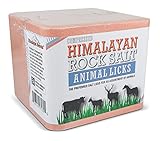
- 100% NATURAL & MINERAL-RICH: Crafted from pure Himalayan rock salt, each lick contains 84 essential minerals and trace elements that support hydration, bone strength, and overall animal wellness.
- DURABLE COMPRESSED DESIGN: Formed under high pressure to resist crumbling and withstand outdoor conditions, ensuring long-lasting mineral supplementation for your animals.
- SAFE & COMFORTABLE FOR ANIMALS: Smooth edges and a polished surface make licking safer and gentler on animals’ tongues while promoting steady mineral intake.
- IDEAL FOR LIVESTOCK & WILDLIFE: Suitable for horses, cows, goats, sheep, deer, and other farm or wild animals, a perfect mineral supplement for multi-species care.
- SUSTAINABLY SOURCED: Our Himalayan rock salt is sourced from the foothills of the Himalayas in Pakistan, supporting sustainable and ethical mining practices, bringing natural nutrition to your animals.
Avoid excessive stocking density
Crowding increases competition for feed, water and the driest bedding. It also makes abnormal breathing, poor appetite or a depressed animal harder to see. Recheck available space when cattle are moved, weather drives them toward a shelter, or a new group is added. If the group cannot reach dry ground without bunching, the shelter or stocking arrangement needs adjustment.
Use a winter-readiness walk-through
- Identify the prevailing wind direction and confirm a usable windbreak.
- Mark at least one dry, bedded resting area that cattle can reach without crossing deep mud.
- Inspect gates, lanes and slopes for ice or mud that could restrict access to feed and water.
- Check whether feed and water points create avoidable bottlenecks.
- Decide who will inspect cattle during severe weather and how observations will be recorded.
Feed for the extra cold-weather demand
When temperatures fall below an animal’s LCT, maintenance energy needs rise. The article recommends a balanced diet that meets or exceeds requirements during severe cold, with adjustments made in consultation with the people responsible for the herd’s nutrition and health plan. Do not assume one ration fits every group: body condition and coat thickness affect the estimate, and muddy or wet conditions increase the challenge.
The 1%-per-degree figure can help explain why a modest-looking temperature drop matters. For example, if a particular animal’s estimated LCT were 20°F and the effective temperature were 10°F, the article’s rule of thumb would indicate approximately 10% more energy than at its LCT. That is an illustrative calculation, not a prescription for adding a fixed amount of grain or forage. The source does not provide a complete ration formula, and the actual response depends on the animal and its environment.
Quick wins for a faster PC:
Clear out junk files and repair common Windows errorsFree Scan →Fix the driver behind crashes, sound loss and screen glitchesFind Drivers →Monitor whether the plan is working
- Observe body condition over time rather than waiting for visible weight loss.
- Check that cattle are eating normally and that timid animals can reach the feed.
- Protect hay and other feeds from rain and snow so the offered nutrients are actually available.
- Reassess the plan after prolonged wind, wet snow, freezing rain or muddy conditions, not only after a low overnight temperature.
- Ask your veterinarian or nutrition adviser to review changes before making major ration adjustments.
Keep water clean, available and unfrozen
Cold-weather feed management fails if cattle cannot drink. Inspect troughs frequently, confirm that water is recharging at the expected rate, and break ice whenever it limits access. A trough that looks full can still be unusable if a thick ice layer prevents drinking or if only a small opening remains for a large group.
Rank #3

- CORRECTS MINERAL DEFICIENCIES: Harvested from an ancient sea deposit in Central Utah, Beef Mineral Mix starts with our expansive profile of 60+ trace minerals and is fortified with added phosphorus, calcium, selenium (60 ppm), magnesium, cobalt, copper, iodine, zinc and vitamins A, D, & E.
- HIGHLY PALATABLE TO YOUR HERD: Redmond's higher salt to mineral ratio makes our mixes much more palatable than those other heavy mineral mixes. When offered a choice between our mixes and other minerals, animals choose Redmond every time!
- LOW DAILY COSTS: Reduce your costs on custom mineral mixes.
- NO CHEMICAL PROCESSING: All of our products are unrefined. Beef mineral mix is free of fillers and dyes. Whether your approach is organic or conventional, Redmond Beef Mineral Mix can help you get back to what you love about raising animals.
- CRAFTED BY FARMERS: Founded by farmers over 50 years ago, Redmond is proud of our roots and legacy of supporting healthy farms the world over. We often hear from customers “our animals just do better on Redmond,” -- we are happy to help your farm simplify your mineral program, save money, and improve the health and productivity of your operation.
The article also recommends periodic water testing for excessive minerals or harmful bacteria. Testing is especially important when the water source, taste, color or cattle intake changes. Record the date, source and result so a recurring problem can be discussed with your veterinarian or water specialist.
Practical water checks
- Visit every water point at the start of the day and again during severe weather.
- Confirm that cattle can approach safely and that the trough is not surrounded by deep mud or ice.
- Break ice or restore flow immediately when drinking space is restricted.
- Check recharge after peak drinking periods; a slow refill can leave a group without adequate water even when the trough is not empty.
- Arrange periodic testing and investigate sudden changes in consumption or water appearance.
A properly selected trough de-icer may be one optional tool for maintaining access, but the cited article does not name, test or endorse a model. Any electrical or fuel-powered device must be installed and operated according to its own safety instructions and your farm’s requirements.
Use DART to recognize possible BRD early
Routine observation is the bridge between prevention and treatment. Meyer’s DART mnemonic focuses attention on four changes that can be easy to miss in a group. An experienced caretaker may notice a subtle deviation before an animal is obviously sick, which is why the article recommends regular employee training.
| DART letter | What to watch for | What the observation means operationally |
|---|---|---|
| D — Depression | An animal is unusually quiet, isolated, slow to rise or reluctant to follow the group. | Compare behavior with the animal’s normal pattern and flag it for a closer check. |
| A — low Appetite | Less interest in feed, failure to approach the bunk or a noticeable change in eating. | Check the individual again and verify that crowding or frozen feed is not the immediate cause. |
| R — abnormal Respiration | Breathing that is visibly abnormal for the situation, such as increased effort or an unusual pattern. | Observe without exciting the animal; handling can alter breathing and obscure the finding. |
| T — high body Temperature | A measured temperature that is high for that animal and circumstance. | Use the herd’s veterinary protocol for measurement, recording and follow-up; DART does not supply a universal numerical cutoff. |
One sign alone does not establish a diagnosis. Heat, exertion, handling and other conditions can alter appetite, breathing or temperature. The value of DART is that it prompts a consistent, early check and a call to the veterinarian when findings are concerning.
Rank #4

- Safe copper levels balanced with other minerals that work together to help regulate healthy copper absorption
- Full spectrum of sea minerals from our ancient deposit in Utah
- No fillers, processed grain byproducts, or sweeteners your animals don't need
- Vitamins A, D, + E fortified
Make observation a repeatable employee task
Inspect cattle at predictable times, including during and after severe weather. A quick pass from a distance is useful for spotting an isolated or depressed animal, but suspected cases need a closer look under the procedures in your herd health plan. Train employees to describe what they saw rather than relying on labels such as “looks off.”
A simple observation record
- Date, time and group or pasture.
- Animal identification, if available.
- DART findings: behavior, appetite, respiration and temperature.
- Weather and ground conditions, including wind, wetness, mud or ice.
- Whether the animal was rechecked and when the veterinarian was contacted.
Consistent records help the veterinarian distinguish a single sick animal from a group trend and help the team determine whether a change in bedding, water access, stocking density or nutrition preceded the problem.
Independent reader supportYour contribution helps us test, update, and keep practical guides available for everyone.What to do when an animal may have BRD
- Recheck the finding safely. Confirm the animal’s identity and repeat the relevant observation without creating unnecessary exertion or crowding.
- Record the DART signs. Note the time, measured temperature when your protocol calls for it, appetite and respiratory appearance.
- Contact your veterinarian early. Meyer states that the sooner intervention begins, the more likely treatment is to succeed. Your veterinarian can determine whether the signs fit BRD or another condition and set priorities for the group.
- Follow the established herd plan. The article recommends working with a veterinarian to select products and procedures suited to the herd. It does not compare named medicines or provide a dose, withdrawal interval or treatment schedule, so do not create one from this general guidance.
- Continue monitoring the group. Recheck nearby cattle for DART changes and document response or deterioration as directed by the veterinarian.
Do not wait for a dramatic case before involving your veterinarian. A written plan made in advance can specify who is authorized to make decisions, how temperatures are taken, where records are kept and which legal and product-label requirements apply in your location.
Choose management priorities when resources are limited
The source does not report a controlled comparison of winter systems. You can still rank improvements by asking which part of the risk chain is weakest on your operation.
Best Value

- Balanced mineral nutrition - Contains the proper balance and ratios of all 14 essential cattle minerals
- Exclusive Storm formulation - Storm formulation nearly eliminates water retention and clumping or bricking; cattle will consume the mineral even after it’s been wet. Though it resists moisture, Purina research reveals that is does not prevent digestion, resulting in less waste.
- Large particle size ingredients and rain protection - Resistant to wind losses and rain damage.
| Decision question | Lower-risk condition to aim for | Warning that the setup needs attention |
|---|---|---|
| Can cattle stay dry? | Dry, bedded resting space with drainage away from high-traffic areas. | Animals are standing in mud or wet bedding because no dry area is reachable. |
| Can they escape wind? | A usable windbreak that shelters the group without trapping excessive moisture. | Cattle bunch tightly in an exposed corner or shelter becomes damp and fouled. |
| Is water dependable? | Clean water, unobstructed access and adequate recharge after ice is removed. | Ice, slow refill, unsafe footing or a sudden change in water quality limits intake. |
| Does feed cover cold demand? | A balanced ration reviewed for severe cold and changing body condition. | Appetite or condition declines after a cold, wet period. |
| Can staff see illness early? | Trained caretakers conduct repeatable DART observations and keep records. | Cattle are checked only from a distance or employees cannot describe normal versus abnormal behavior. |
Build a veterinarian-led winter health plan
Winter preparation is most effective when the veterinarian is involved before the first suspected case. Meyer calls that collaboration vital. Ask your veterinarian to review shelter and stocking arrangements, nutrition changes, water testing, observation frequency, measurement technique and the treatment decision tree for your herd.
Because the cited article was provided by an animal-health company and includes a company veterinarian’s comments, treat its recommendations as practical industry advice rather than an independent clinical guideline. Local regulations, product labels, age and class of cattle, and your operation’s disease history can change the appropriate response. The complete article and its attribution are available from the Angus Beef Bulletin EXTRA.
A concise severe-weather checklist
- Windbreak identified and accessible.
- Dry ground and quality bedding available.
- Stocking density allows all cattle to reach shelter, feed and water.
- Ration reviewed for cold-weather demand and body-condition changes.
- Water flowing, clean, tested periodically and free of limiting ice.
- Employees trained on DART and assigned observation times.
- Veterinarian contact information and the herd health plan readily available.
Winter BRD prevention is a daily management discipline: reduce cold and damp stress, protect energy and water intake, and make early changes visible to trained people. Those actions give your veterinarian a better chance to intervene before a subtle respiratory problem becomes a severe case.
Quick Recap
Product prices and availability are accurate as of the date/time indicated and are subject to change. Any price and availability information displayed on Amazon at the time of purchase will apply.





Leave a Reply