
Do these 3 things before closing this tab:
1Repair Windows errors before they cause bigger problems2Scan for outdated or missing drivers - takes under a minute3Clear out junk files and repair common Windows errorsKeep pets safe in winter by limiting time in severe cold, supervising every outdoor trip, protecting paws from ice and road salt, and bringing animals into a warm, dry resting place. After each walk, wash and dry the paws and stomach, remove snow from between the toes, and check for cracked pads or redness. Secure antifreeze and ice-melting chemicals, and contact a veterinarian or animal poison-control service immediately after suspected exposure.
Cold tolerance differs with the individual animal, its coat, health, age and the conditions outside. No boot, sweater or balm makes prolonged exposure safe. When weather is dangerously cold, keep pets indoors and ask your veterinarian for advice tailored to your animal.
As an Amazon Associate I earn from qualifying purchases.
Start with exposure, not equipment
Winter gear can reduce specific risks, but the safest control is reducing exposure. The ASPCA’s cold-weather guidance advises keeping pets inside when conditions are too cold and never leaving them unattended in a cold car. Plan short, supervised outdoor trips rather than assuming an accessory makes a long outing safe.
Recommended Free Tools
There is no single temperature number that is safe for every dog or cat. A healthy, thick-coated animal and a short-haired, elderly or medically fragile animal may respond very differently to the same weather. Wind, wet fur, ice, snow, shelter, activity and the animal’s ability to return indoors all affect risk. If you are unsure whether a planned outing is appropriate, ask your veterinarian before exposing your pet.
#1 Best Overall

- Durable Protection For Active Dogs: Durable dog coat with iconic roots for the hardest working dogs. Fully insulated firm-hand duck canvas perfect for dogs who need a tough, reliable dog winter jacket in cold, windy conditions
- Built For Tough Conditions: Built with heavy duty firm-hand duck canvas the 12-Ounce exterior shell is crafted to handle the toughest outdoor conditions, offering durability and protection against wind and cold weather. The triple needle stitch on main seams ensures a long lasting product
- Insulated Interior For Cold Weather| Designed as a dog winter coat, this insulated dog jacket features a quilted liner and corduroy-lined collar for added warmth, keeping your dog comfortable even in cold temperatures. Warmer than a traitonal dog puffer jacket
- Easy To Adjust And Wear: The improved neck and chest tabs, along with loop-lined straps for chest and waist, ensure a secure, adjustable fit for small, medium, and large dogs
- Sizing: Offering dog jackets for small dogs(Chest Girth: 16"- 21"), dog jackets for medium dogs (Chest Girth 22"- 28"), dog jackets for large dogs (Chest Girth 25"- 38"), and dog jackets for extra large dogs (Chest Girth 30"- 45") See sizing chart in images
Use a simple go-or-stay decision
- Stay indoors: Choose indoor exercise and enrichment when cold, wind, precipitation or icy footing makes an outdoor trip unsafe.
- Go briefly: For necessary toilet breaks or a short walk in manageable conditions, supervise closely and return indoors promptly.
- Stop and return: End the outing if your pet appears uncomfortable, becomes wet, or you are concerned about cold exposure. Do not wait for a problem to become severe.
Prepare before the forecast changes. As Dr. Michael Bailey, president of the American Veterinary Medical Association, told the Associated Press, “The best time to prepare for weather is before you have that weather.” Keep towels, a way to clean paws, identification and any needed protective clothing ready before the first icy day.
Make every winter walk deliberate
Dogs should remain leashed on snow and ice, and they should wear identification, according to the ASPCA. Snow can obscure familiar landmarks and ice can make a frightened or startled dog difficult to recover. A leash also keeps a dog away from frozen surfaces, chemical residue and unsafe areas that are harder to see under snow.
Before leaving
- Check the route for ice, deep snow, treated sidewalks and places where your dog could slip or become difficult to reach.
- Decide whether your pet needs a coat or sweater, booties, or a veterinarian-approved paw protectant. Match the item to its purpose rather than using every accessory at once.
- Make sure protective items fit without restricting movement, rubbing the skin or collecting snow. Supervise your pet while wearing anything unfamiliar.
- Take identification with you as part of the normal routine: your dog should wear its identification while outdoors, including on snowy or icy ground.
During the outing
Keep the trip controlled and stay attentive to footing. Ice and road salt can cut or irritate paw pads, while snow can pack between toes. Avoid allowing a dog to lick residue from its feet during the walk. If the route is heavily treated or slippery, choose a shorter path or return home.
Free tools Windows power users keep installed
One-click scans. No signup required.
Booties can provide additional paw coverage and help keep salt and sand from lodging between toes, the ASPCA notes. They are optional protection, not permission to extend outdoor time. Introduce them gradually at home, check that they stay in place, and remove them if they cause rubbing, altered gait or distress.
Protect paws with the right tool
Winter paw protection has two jobs: creating a barrier against ice, salt and abrasive surfaces, and reducing cold contact. A product suited to one job may not solve the other. Three optional approaches have different limits.
| Option | Primary purpose | When it may help | Important limit |
|---|---|---|---|
| Dog booties | Physical coverage of paws | When salt, sand, ice or snow may lodge between toes | Fit and comfort must be monitored; they do not make prolonged exposure safe |
| Veterinarian-approved paw protectant | Barrier on paw pads | Before a walk when a paw barrier is useful | Use only as directed by a veterinarian; it does not replace short, supervised outings |
| Coat or sweater | Additional body warmth | For short-haired dogs that need extra coverage | It does not protect pads and cannot make severe-cold exposure safe |
The ASPCA specifically suggests booties, a veterinarian-approved paw protectant and considering a coat or sweater for short-haired dogs. Choose an item your individual pet can tolerate and that you can remove promptly. Do not assume a product is safe to leave on without supervision or that a warm body covering protects paws from chemicals.
Rank #2
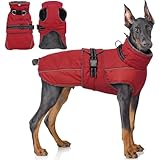
- SNOW & WATER RESISTANT DOG COAT: The dog winter coat is made of premium water-resistant fabric with fleece lining. The windproof dog jacket turtleneck design can keep the dog warm even in cold weather. Ideal for indoor and outdoor activities
- EASY TO WEAR: Quick release buckle and adjustable strap on back make the large dog coat easy to put on and take off. There are adjustable elastic straps on collar that can adjust the tightness and prevent wind and snow. QBLEEV dog clothes can machine washable
- REFLECTIVE DOG COAT WITH HARNESS BUILT IN: This dog winter jacket is designed with reflective strips, which ensuring your dog's safety in low-light conditions. There are two D-rings on the neck, which can be attached to a leash, making outdoor walking more convenient
- WATERPROOF THERMAL DOG JACKET FOR COLD DAYS: Our dog cold weather coats are great for walking, hiking, running, climbing, snow skiing, jogging, camping. Also provides optimal warmth and dryness in foggy, lightly rainy, and snowy conditions. QBLEEV warm dog coat is ideal for winter daily wear
- 6 SIZES AVAILABLE FOR SMALL MEDIUM LARGE DOGS: S, M, L, XL, XXL, XXXL. The fleece dog coat fits for nearly all kinds of breed furry friend. Such as Chihuahua, Beagle, Poodle, Bulldog, Schnauzer, Labrador, Golden Retriever, Teddy, Yorkshire Terrier, Maltese, Pekingese, Pomeranian, Cocker Spaniel, Jack Russel, Pug, Husky, Samoyed, Boston Terriers, etc
Use the after-walk cleaning routine every time
Cleaning after a winter outing is the most reliable way to remove material your pet could otherwise lick or carry onto bedding. The ASPCA and Cornell University’s veterinary guidance both emphasize checking and cleaning paws; Cornell also highlights the need to clear snow from between toes. Build the routine into the moment you come through the door.
Quick wins for a faster PC:
Scan for outdated or missing drivers - takes under a minuteDriver Scan →Repair Windows errors before they cause bigger problemsFix Now →Fix the driver behind crashes, sound loss and screen glitchesFind Drivers →- Bring the pet to a dry area. Keep a towel and your cleaning supplies at the entrance so the routine does not get skipped.
- Wipe each paw. Remove visible snow, ice, salt and grit from the pads, tops of the feet and spaces between toes.
- Clear packed snow carefully. Do not leave clumps between toes, where they can irritate the skin and change the way the pet walks.
- Wash when residue remains. Rinse or wash the paws if they contacted road salt, sand or other treatment, following your veterinarian’s advice for any cleanser.
- Dry completely. Dry the paws and the stomach, which may have contacted wet snow, slush or treated surfaces.
- Inspect the pads and skin. Look for cracked pads, redness, cuts or irritation, including between the toes.
- Contact your veterinarian about concerning findings. Persistent redness, a damaged pad or concern about cold injury warrants professional advice rather than home experimentation.
Do not let a pet lick residue from its paws while you are cleaning. If you think the animal has swallowed a winter chemical, treat that as a possible poisoning and follow the emergency steps below.
Keep pets warm and dry indoors
Indoor care is part of winter safety, not an afterthought. Provide a warm resting place away from drafts, as the ASPCA recommends. A bed or blanket can help create that defined resting area, but it should remain dry and positioned where you can check on the pet easily.
When you return from outside
- Dry wet fur, paws and the stomach before the pet settles down.
- Remove damp clothing or booties and inspect the skin underneath.
- Offer access to the prepared resting place rather than leaving the pet on a cold, drafty floor.
- Keep the routine calm and observe your pet after the outing. If you are concerned about cold exposure, call your veterinarian promptly.
Never use indoor warmth as a reason to prolong an unsafe outing. A coat, sweater, blanket or heated resting area supports recovery from a brief trip; it does not prevent harm from excessive cold exposure.
Cold cars are an avoidable hazard
A parked car can become dangerously cold, and the ASPCA advises not leaving pets unattended in a cold car. The safest plan is to leave the animal at home when you cannot remain with it and control the environment. If travel is necessary, plan how the pet will stay supervised and warm for the entire trip, including stops.
What’s actually slowing this PC down?
Pick the symptom - the matching free tool is one click away.
Before driving, secure the leash or carrier so the pet cannot escape when a door opens. On arrival, move directly to a warm indoor space and complete the paw, stomach and drying routine. Do not rely on a vehicle’s brief interior warmth while running an errand.
Rank #3

- 【Triple-Shield Protection】This dog coat features a windproof, waterproof, and dirt-resistant softshell, keeping your dog warm and dry in harsh winter weather.
- 【3-Layer Fabric】Built with durable 150D 4-way stretch outer layer, TPU waterproof breathable membrane, and soft thermal fleece lining for comfort and warmth.
- 【Functional Fit for All Dogs】Adjustable neck buckle, elastic belly band, rear leg straps, and tail-end buckle provide a secure fit for small, medium, and large dogs.
- 【Pet-Friendly Design】High collar blocks cold wind, U-shaped belly cut ensures no interference for male or female dogs, while dual zipper leash opening makes walks easier.
- 【Safety in Low Light】Reflective strips increase visibility during evening walks, ensuring your dog stays safe outdoors. Available in multiple sizes from S to 2XL for breeds like Pomeranian, Corgi, Labrador, and Golden Retriever.
Store winter chemicals as carefully as food and medicine
Antifreeze and ice-melting chemicals create a separate winter emergency. The ASPCA advises cleaning antifreeze spills thoroughly and storing antifreeze and ice melts out of pets’ reach. A closed container on a low shelf, an uncleaned drip near a vehicle, or residue tracked indoors can all create access that was not intended.
Prevent access
- Keep antifreeze and ice-melting products in a secured area pets cannot enter.
- Clean spills thoroughly rather than leaving a small wet spot to dry on its own.
- Inspect garages, driveways, entryways and storage areas after vehicle maintenance or snow treatment.
- After walks, clean paws and the stomach so a pet cannot ingest residue while grooming.
If exposure may have occurred
- Act immediately. Contact your veterinarian or an animal poison-control service as soon as you suspect ingestion or other exposure.
- Keep the container or product information. If it is safe to do so, have the label available for the professional who advises you.
- Do not delay while waiting for signs. The ASPCA guidance calls for immediate professional contact; do not rely on observation alone.
- Follow the professional’s instructions. Do not give a home treatment or induce vomiting unless a veterinarian or poison-control professional specifically directs you to do so.
Suspected poisoning is urgent even when the amount seems small or the pet appears normal. A veterinarian or poison-control service can determine the appropriate response for the product, route of exposure and individual animal.
Recognize when cold injury needs urgent care
Cornell University’s veterinary winter-safety guidance says to seek veterinary care immediately if frostbite or hypothermia is a concern. You do not need to diagnose the condition yourself before calling. Concern may arise after prolonged cold exposure, wet exposure, an unexpectedly cold environment or any unusual condition that makes you fear your pet has become dangerously chilled.
Outdated Drivers Are Slowing You Down
One free scan finds every outdated or missing driver and matches the right update for your exact hardware.Free scan · exact hardware matchWindows Errors? Fix Them Before They Spread
Repair common Windows errors and clear accumulated junk for a smoother, more stable PC - no reinstall needed.Free scan · no reinstallWhat to do while arranging help
- Move the pet indoors and away from the cold.
- Handle the animal gently and keep it dry.
- Call a veterinarian promptly and describe the exposure and what you observe.
- Follow the veterinarian’s directions rather than trying an improvised treatment.
Do not postpone care to see whether the pet improves. Frostbite and hypothermia are veterinary concerns, and Cornell’s recommendation is immediate professional evaluation.
Plan for dogs and cats without assuming they have identical needs
This guidance is intended for general dog-and-cat households, but individual needs vary. A dog that goes outside for walks has leash, paw and identification concerns that do not apply in the same way to an indoor cat. A cat that spends time outdoors may still encounter ice, chemicals and cold exposure, so the same principles—limit exposure, provide a warm indoor place, clean any residue and seek help for suspected injury or poisoning—remain relevant.
Ask your veterinarian for a plan if your pet has a health condition, is very young or old, has a short coat, or has previously struggled in cold weather. The safest duration and protective approach depend on the animal, not merely the calendar.
A practical winter checklist
Before the first storm
- Set up a warm resting place away from drafts.
- Place towels and paw-cleaning supplies by the entry.
- Check that identification is current and that dogs have a secure leash.
- Decide whether booties, a veterinarian-approved paw protectant or a coat may help your individual pet.
- Store antifreeze and ice melts securely, and inspect for spills.
- Save your veterinarian’s contact information and know how to reach an animal poison-control service.
Before each outing
- Assess whether conditions are suitable for a brief, supervised trip.
- Fit any protective item and watch your pet’s movement and comfort.
- Keep dogs leashed on snow and ice.
- Choose a route with manageable footing and less chemical treatment when possible.
When you return
- Wipe or wash paws and clear snow from between toes.
- Clean and dry the stomach and any wet fur.
- Inspect pads for cracks, redness or cuts.
- Remove booties or clothing and check the skin underneath.
- Call a veterinarian promptly for suspected frostbite, hypothermia, poisoning or other concerning exposure.
How to choose the safest response in common situations
| Situation | Safest next step | Why |
|---|---|---|
| Very cold or worsening conditions | Keep the pet indoors and use indoor activity instead of a long outing | Reducing exposure is safer than relying on equipment |
| Salt or ice on a dog’s route | Use a shorter leashed route, optional paw protection, then wash and dry paws | Salt and ice can irritate or cut pads |
| Snow packed between toes | Clear it and inspect the skin after returning | Packed snow can cause irritation and discomfort |
| Wet pet after a walk | Dry the paws, stomach and fur and provide a warm resting place | Indoor warmth works best when the animal is dry and away from drafts |
| Possible antifreeze or ice-melt exposure | Contact a veterinarian or animal poison-control service immediately | Suspected poisoning requires prompt professional guidance |
| Possible frostbite or hypothermia | Move indoors and seek veterinary care immediately | Cornell identifies these concerns as requiring urgent veterinary attention |
Keep the core rule in view
Winter safety is a sequence, not a single product: limit exposure, supervise outdoor time, protect paws when useful, keep dogs leashed and identified on snow or ice, clean and dry the pet after every outing, and secure chemicals. Booties, paw protectants, coats, beds and blankets can support that plan when they fit the individual animal and are used as directed. They cannot replace judgment about conditions or professional care when injury or poisoning is possible.
Quick Recap
Product prices and availability are accurate as of the date/time indicated and are subject to change. Any price and availability information displayed on Amazon at the time of purchase will apply.





Leave a Reply