
Some links on this page are affiliate links: if you buy through them we may earn a commission, at no extra cost to you.
A dog with a musty smell, itchy paws, greasy skin, or dark ear discharge may have a yeast overgrowth—but those signs do not prove it. In most cases, canine yeast infections involve Malassezia pachydermatis, a yeast that normally lives on the skin and in the ears. It becomes a problem when it multiplies excessively and triggers inflammation.
Yeast commonly takes advantage of another issue, such as allergies, fleas, moisture, oily skin, or chronic ear inflammation. Effective treatment therefore involves both reducing the yeast and finding the reason it keeps returning.
As an Amazon Associate I earn from qualifying purchases.
What is a yeast infection in dogs?
“Yeast infection” usually refers to Malassezia dermatitis when the skin is affected or Malassezia otitis externa when the infection involves the external ear canal. Malassezia pachydermatis is normally present in small numbers on many dogs. It is not usually something a dog catches from another animal.
When the skin barrier is damaged or the environment becomes warm, moist, oily, or inflamed, the yeast can multiply. The resulting inflammation may cause intense itching, odor, redness, and changes in the skin or ears.
Popular on Amazon

- HELPS SUPPORT HEALTHY SKIN - With a wash and soaking of the coat for 5-10 minutes, our powerful ingredients work to help soothe red, scaly, greasy, or smelly skin that may cause your pet discomfort
- FAST ACTING – Works fast to soothe your pet's sensitive skin that may be affected by environmental stressors
- VET-RECOMMENDED – This pet shampoo is pH balanced for your pet's skin and is paraben and soap-free to promote overall skin and coat health without damaging detergents
- FOR DOGS AND CATS – Our cat and dog shampoo is intended for pets over 12 weeks of age. Use twice weekly until skin clears up, then once a week to help maintain skin health
- APPLICATION: This product is intended for topical use only. Read directions carefully before applying to your pet's coat. Test on a small area to avoid further sensitivity before using
This is not the same as ringworm. Ringworm is a dermatophyte infection that can spread between animals and people. Malassezia dermatitis is generally not contagious.
Where yeast infections occur
Yeast can affect almost any area of skin, but it is especially common in places that stay warm or damp:
Crashes, No Sound, or Screen Glitches?
Random freezes, missing sound and display glitches usually trace back to one bad driver. Find and replace yours safely.Free scan · under a minutePC Slower Than It Used to Be?
A free scan shows the junk files, broken settings and background clutter dragging Windows down - then fixes them in one click.Free scan · Windows 10 & 11- Ear canals
- Between the toes and around the claw folds
- Skin folds on the face, lips, or body
- Armpits and groin
- Neck and abdomen
- Areas exposed to frequent swimming or moisture
Dogs with naturally oily skin, allergies, or deep skin folds may be more prone to recurrent overgrowth.
Symptoms of yeast on the skin
Common signs of Malassezia dermatitis include:
- Persistent itching
- Repeated licking or chewing of the paws
- Redness, especially between the toes or in skin folds
- Greasy or oily skin and coat
- A musty, rancid, or unusual odor
- Flaky, scaly, or crusty skin
- Hair loss caused by scratching, licking, or chewing
- Thickened skin with a rough or “elephant-like” appearance
- Darkening of skin that has been inflamed for a long time
Some dogs have only a small, localized patch. Others develop widespread greasy, darkened, and intensely itchy skin.
Symptoms of yeast in the ears
Ear yeast infections can cause:
- Head shaking
- Scratching at one or both ears
- Pain or sensitivity when the ears are touched
- Redness and swelling in the ear canal
- Dark, waxy, or greasy discharge
- A strong foul or musty odor
- Repeated ear infections
Ear odor is a clue, not a diagnosis. Bacteria, ear mites, foreign material, allergies, and deeper ear disease can produce similar symptoms. Yeast and bacteria can also infect the same ear at the same time.
Why do dogs get yeast infections?
Malassezia overgrowth is often secondary to another problem. Common contributors include:
Free tools Windows power users keep installed
One-click scans. No signup required.
| Underlying factor | How it can contribute |
|---|---|
| Environmental or food-related allergies | Allergies damage the skin barrier and cause licking, scratching, and inflammation. |
| Flea allergy or other parasites | Parasites can trigger intense irritation and skin damage. |
| Moisture | Swimming, bathing, or damp skin can create conditions that favor yeast. |
| Seborrhea or oily skin | Excess oil can support yeast multiplication. |
| Chronic scratching and licking | Self-trauma weakens the protective skin barrier. |
| Hormonal disease | Conditions such as hypothyroidism can be associated with recurring skin infections. |
| Immune suppression | Some diseases and immunosuppressive medications make overgrowth more likely. |
| Chronic ear inflammation | Narrowed, inflamed ear canals can trap heat, moisture, and debris. |
Treating yeast without addressing its trigger may improve the odor and itching temporarily, but recurrence is common.
Also popular on Amazon
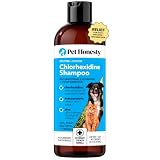
- A HEALING CLEAN : Yes, it’s shampoo for dogs! Yes, it’s shampoo for cats! And yes, it’s shampoo that cleans & heals! It soothes irritated skin, providing itch relief for cats, & dogs. An effective shampoo for dogs with allergies & cats, it promotes a shiny coat, reduces inflammation, & helps heal hot spots. This cat & dog antibacterial shampoo also reduces smelly odors associated with bacteria & fungus. Basically, our cat & dog shampoo for yeast & itching is 16 ounces of a better clean routine.
- FROM THE INSIDE OUT: Made with a veterinary strength formula, our shampoo for dogs with itchy skin & cats is made with soothing aloe & without sulfates, parabens, phthalates, alcohol, & artificial colors. Our shampoo with chlorhexidine & ketoconazole for dogs & cats is a gentle, safe & effective way to help heal skin issues while keeping your pet comfortable & clean.
- THE PET, PET WASH: You know our cat & dog shampoo for sensitive skin provides relief for itchy skin, soothes irritated & inflamed skin, targets smelly odors, & promotes a shiny coat. But did you know that’s it’s the #1 chlorhexidine shampoo on Amazon*? Don’t wait to give your pet the healing wash they deserve. *Based on Stackline Atlas data (had to combine all grooming & other pet health supplies to capture entire market*L52W as of December 2024
- ON THE RIGHT SCENT: Not only does our medicated dog shampoo for itchy skin soothe irritation, promote a health coat & leave your pet feeling fresh & clean, it also has a light cucumber melon scent that helps with unpleasant odors from fungus & bacteria.
- THE HONEST DIFFERENCE: Our products are made with clean, science-backed ingredients for results you can trust, & with no fillers, artificial preservatives, colors, or flavors, you'll have no doubt your dog is getting the best. Proudly supporting pets in need nationwide & using recycled plastic in our packaging, there's also no doubt that we're committed to doing our best. -- All products are made in the U.S.A. | NASC Member Company
How veterinarians diagnose yeast infections
A veterinarian should not diagnose yeast from smell or appearance alone. Small numbers of Malassezia may be normal, so the microscope findings must be considered alongside the dog’s symptoms and the amount of inflammation.
Testing may include:
- Skin cytology: A tape strip, impression smear, or scraping is examined under a microscope for yeast, bacteria, and inflammatory cells.
- Ear cytology: Discharge and debris from the ear are checked for yeast, bacteria, and inflammatory cells.
- Otoscopy: The veterinarian examines the ear canal and, when possible, the eardrum. This can reveal swelling, a foreign body, a mass, or damage deeper in the ear.
- Culture and susceptibility testing: This is more useful when bacterial infection is suspected, treatment fails, or disease is severe or recurrent.
- Additional testing: Repeated infections may lead to evaluation for allergies, parasites, endocrine disease, or other skin disorders.
How yeast infections in dogs are treated
Topical treatment for the skin
Localized skin disease and many more widespread infections can be treated with veterinary antifungal products such as:
- Medicated shampoos
- Wipes
- Sprays or mousses
- Prescription creams
Ingredients used in veterinary products may include miconazole, chlorhexidine, ketoconazole, climbazole, or other approved antifungal agents. The strongest evidence in the canine Malassezia treatment guidelines supports a shampoo containing 2% miconazole and 2% chlorhexidine used twice weekly. A 3% chlorhexidine shampoo has more limited supporting evidence.
Follow the instructions for the specific product. Some medicated shampoos need to remain on the coat for about 10 minutes before rinsing. Treatment may need to continue for several weeks, and stopping as soon as the smell improves can allow the infection to return.
Ear medication
Yeast otitis is usually treated with a veterinary ear medication, sometimes together with a suitable ear cleanser. The ear must be examined before medication is selected because some products are unsafe if the eardrum is damaged or cannot be evaluated.
Do not force cotton swabs deep into the canal or repeatedly scrub a painful ear. Aggressive cleaning can worsen inflammation and cause injury.
In the United States, the FDA approved DuOtic on March 15, 2024, for canine external ear infections associated with susceptible Malassezia pachydermatis. It contains terbinafine and betamethasone acetate and is intended for yeast-only otitis externa. The FDA reports activity lasting up to 45 days. It is a prescription product and is not appropriate for every ear infection.
What’s actually slowing this PC down?
Pick the symptom - the matching free tool is one click away.
Also popular on Amazon

- CLINICALLY PROVEN RESULTS: DOUXO S3 is proven to show results in as soon as 7 days.
- ANTISEPTIC CHLORHEXIDINE DOG SHAMPOO FOR YEAST AND BACTERIAL SKIN INFECTIONS: Formulated for dogs with bacterial or yeast skin infections – DOUXO S3 PYO chlorhexidine dog shampoo provides an antiseptic cleansing while hydrating the skin.
- #1 TOPICAL BRAND RECOMMENDED BY VETS: Confirmed by veterinary and scientific expertise. DOUXO provides the best and the safest care for your pet.
- ENRICHED WITH OPHYTRIUM: Contains 0.5% Ophytrium, a purified, natural ingredient that helps soothe irritated skin and support skin hydration.
- FREE FROM soaps, sulphates, parabens, colorants, nanoparticles, and phthalates.
Other prescription ear products target combinations of yeast and bacteria. Cytology helps determine whether one or both organisms are involved.
Oral antifungal medication
Oral antifungals may be considered when disease is severe, widespread, chronic, or resistant to topical treatment. Veterinarians may use medications such as ketoconazole or itraconazole, depending on the dog’s health, other medications, infection site, and the clinical assessment.
These drugs are not harmless substitutes for topical care. They can cause adverse effects and interact with other medicines. Ketoconazole, for example, may cause gastrointestinal problems, increased liver enzymes, and other toxicity concerns. Never start, stop, or change an oral antifungal without veterinary direction.
Concurrent bacterial infection
Yeast and bacteria commonly occur together. Antibiotics do not treat yeast; they are used only when bacterial infection is diagnosed or strongly supported by the examination and testing. Using an antibiotic when it is not needed will not cure a yeast overgrowth.
Quick wins for a faster PC:
Scan for outdated or missing drivers - takes under a minuteDriver Scan →Repair Windows errors before they cause bigger problemsFix Now →What you can do at home while waiting for the appointment
- Keep the dog’s skin dry, especially after swimming or bathing.
- Follow the prescribed bathing or ear-treatment schedule exactly.
- Prevent licking and chewing if your veterinarian recommends a cone or another barrier.
- Do not put human ear drops, essential oils, vinegar mixtures, or leftover medication into the ears.
- Do not use a cotton swab deep in the ear canal.
- Keep flea prevention current, since flea allergy can drive ongoing skin inflammation.
- Record where the symptoms occur, how often they return, and which treatments have helped or failed.
Changing food does not automatically cure yeast. A food allergy can contribute to skin disease in some dogs, but a proper elimination diet needs veterinary guidance and must be followed consistently.
Independent reader supportYour contribution helps us test, update, and keep practical guides available for everyone.How long does treatment take?
Itching and odor may improve before the infection and inflammation are fully controlled. A recheck and repeat cytology may therefore be necessary, particularly for ear infections. Dogs with yeast or bacterial otitis often need repeated examinations over approximately 2 to 4 weeks, depending on severity and response.
If yeast has cleared on cytology but the dog is still itchy, the remaining problem may be an allergy or another inflammatory condition rather than persistent yeast.
Also popular on Amazon

- Supports healthy skin for animals with conditions
- Helps prevent and treat fungal skin
- Can be used on cats, dogs and horses
Why yeast infections keep coming back
Recurrence can point to:
- Uncontrolled environmental or food allergy
- Fleas or other parasites
- Continued moisture or seborrhea
- Incomplete treatment or incorrect product application
- A resistant or mixed infection
- Endocrine disease
- Chronic narrowing of the ear canal
- Middle-ear disease
A dog with repeated infections may need a broader diagnostic plan instead of repeated short courses of antifungal treatment.
When to contact a veterinarian
Arrange a veterinary examination for persistent scratching, frequent paw licking, strong skin or ear odor, ear discharge, painful skin, or recurrent ear infections.
Seek particularly prompt care for an ear problem accompanied by:
- Severe pain
- Marked swelling
- A head tilt
- Loss of balance or vertigo
- Reduced hearing
These signs can indicate middle- or inner-ear involvement, or injury related to an inappropriate ear medication. A painful ear should be examined before it is cleaned or treated.
Common misconceptions about canine yeast infections
| Claim | What is more accurate |
|---|---|
| “A corn-chip or musty smell proves yeast.” | Odor can occur with yeast, bacteria, or general ear inflammation. Cytology is needed for confirmation. |
| “All dark, greasy, or itchy skin is yeast.” | Allergies, fleas, mites, bacteria, seborrhea, and hormonal disease can look similar. |
| “A food change automatically cures yeast.” | Food allergy may be one trigger, but diet changes alone do not directly eliminate Malassezia. |
| “The dog caught yeast from another dog.” | Malassezia normally lives on dogs and is generally not contagious. |
| “Any human antifungal cream or ear drop is safe.” | Ear products must be chosen with the eardrum and type of infection in mind. Systemic drugs can have important risks and interactions. |
FAQ
Are yeast infections in dogs contagious?
Malassezia yeast normally lives on canine skin and is generally not contagious. Overgrowth usually happens because of allergies, moisture, oily skin, parasites, immune changes, or another underlying problem.
How can I tell if my dog has a yeast infection?
Itchy, red, greasy, darkened, or foul-smelling skin and dark ear discharge can be clues, but they are not specific to yeast. A veterinarian can examine skin or ear samples under a microscope to identify yeast, bacteria, and inflammation.
Can I treat my dog’s yeast infection with human medication?
Do not use human ear drops or antifungal products without veterinary advice. Ear medications may be unsafe if the eardrum is damaged, and oral antifungals can cause side effects or interact with other medicines.
Why does my dog’s yeast infection keep returning?
Recurring infections often reflect an untreated trigger such as allergy, fleas, moisture, seborrhea, endocrine disease, chronic ear inflammation, or middle-ear disease. Your veterinarian may recommend repeat cytology and additional testing.
The Bottom Line
Yeast infections in dogs usually involve an overgrowth of Malassezia on inflamed skin or in the ear canal. Itching, greasy skin, dark discharge, and a musty odor are common signs, but none confirms yeast by itself. Veterinary cytology can identify the problem, while treatment may involve medicated shampoo, prescription ear medication, or—when necessary—oral antifungals. Because yeast is often secondary to allergies, parasites, moisture, or another disease, controlling the underlying cause is the best way to reduce recurrences.
The Tool Desk
Outbyte Driver Updater FREEFix the driver behind crashes, sound loss and screen glitchesFind Drivers →Outbyte PC Repair FREERepair Windows errors before they cause bigger problemsFix Now →




Leave a Reply