
What’s actually slowing this PC down?
Pick the symptom - the matching free tool is one click away.
Yes. A neutered male cat can still show sexual interest, mount, and sometimes mate with a female. In a routine castration, both testicles are removed, so the cat is sterilized and cannot father kittens. Mounting or mating behavior alone therefore does not prove that he remains fertile.
The important distinction is between what you observe and what is happening reproductively. Sexual behavior may continue after surgery even when sperm production has stopped. If the surgery history is uncertain, a testicle may have been retained, or the behavior is persistent and disruptive, ask your veterinarian to assess him.
As an Amazon Associate I earn from qualifying purchases.
What “mating” means in a neutered male cat
Owners use “mate” to describe several different things: showing interest in a female, attempting to mount, completing a mating posture, or actually being able to impregnate a female. Those are not interchangeable.
The Tool Desk
Outbyte Driver Updater FREEScan for outdated or missing drivers - takes under a minuteDriver Scan →Outbyte PC Repair FREERepair Windows errors before they cause bigger problemsFix Now →Sexual interest and mounting are behaviors
A male may pursue a female, sniff or vocalize around her, mount her, or make repeated mating attempts after neutering. VCA’s veterinary behavior guidance says castration greatly reduces sexual desire, but some males continue to show sexual interest in females and mate. Cornell’s feline behavioral history form also asks whether a cat mounts other cats, other animals, or people, because the observation is useful information for a clinical behavior assessment.
#1 Best Overall

- COMFORT YOUR CAT AT HOME AND ON THE GO: FELIWAY Classic Spray helps target areas marked by your cat through scratching and spraying and calms your cat during travel. With 25+ years of expertise, FELIWAY is approved by millions of cat families worldwide
- MAKE TRAVEL LESS STRESSFUL: FELIWAY Classic Spray works by releasing calming pheromones, when sprayed directly into the cat carrier, or onto a bed or blanket. This sends calming messages to your cat's brain and creates a calmer atmosphere for them when on the road. Great for road trips, or shorter trips like going to the vet. DO NOT spray directly on your cat
- CALMS YOUR CAT AT HOME: When sprayed directly on areas marked by your cat, FELIWAY Classic Spray helps promote calm and reduce spraying and scratching of those areas
- MULTIPLE APPLICATIONS: FELIWAY Classic Spray comes in a handy format and offers calming benefits for 4-5 hours. Lasts for approximately 50 uses, at home or on the go
- #1 VET RECOMMENDED BRAND: FELIWAY Classic is trusted by vets to improve your cat’s well-being with an easy, hassle-free application, backed by decades of expertise
Seeing a cat mount does not identify the reason for the behavior. It tells you what the cat did, not whether hormones, a learned habit, social interaction, or another factor is responsible. Describe the behavior accurately to the veterinarian rather than treating the act itself as a fertility test.
Fertility is a reproductive question
Routine male neutering, also called castration or orchiectomy, removes both testicles. The testicles produce sperm and testosterone; removing them sterilizes the male and prevents him from making a female pregnant. A cat can therefore retain a mating pattern while lacking the reproductive capacity that would produce kittens.
If a female becomes pregnant after contact with a supposedly neutered male, do not assume that mounting proves the explanation. Confirm the surgery history and have a veterinarian evaluate the male. Behavior by itself cannot establish whether testicular tissue remains.
Do these 3 things before closing this tab:
1Fix the driver behind crashes, sound loss and screen glitches2Clear out junk files and repair common Windows errors3Scan for outdated or missing drivers - takes under a minuteWhy sexual behavior may continue after neutering
Castration reduces motivation but does not erase every behavior
Neutering changes the hormonal drive associated with male sexual behavior, so many cats show less sexual interest afterward. “Less” is not the same as “never.” VCA’s behavior specialists state that sexual desire is greatly reduced by castration, while noting that some males continue to show interest in females.
Rank #2
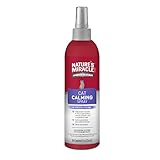
- PROMOTES: Relaxation and reduces hyper activity in stressful situations
- HELPS: Reduce anxiety with soothing scent
- FORMULA: Non-sedating
- LONG-LASTING: Concentrated Spray
- SAFE: Around pets and children when used as directed
This is why a post-neuter mounting episode is not automatically evidence of a failed operation. The operation can have achieved its reproductive purpose even though a visible behavior remains.
Established behavior can outlast the hormonal drive
VCA cautions that once sexually influenced behaviors have developed, castration may not be curative. A cat that practiced a behavior before surgery may continue it afterward. The surgery changes the reproductive anatomy and usually lowers testosterone-driven motivation; it does not guarantee that every previously learned sequence disappears.
The timing of neutering and the individual cat’s history therefore matter. Two males can have different behavioral outcomes after the same procedure. The available veterinary guidance does not establish a single timetable by which all mating behavior should stop.
A retained testicle is a separate veterinary possibility
An undescended testicle, sometimes described as a retained or cryptorchid testicle, can remain in the body if it was not removed. VCA explains that retained testicular tissue can continue producing hormones associated with male behavior. That possibility should be investigated by a clinician; it cannot be diagnosed from mounting alone.
Rank #3

- ADVANCED CALMING SUPPORT FOR STRESS & ANXIETY: This cat calming spray helps support emotional comfort during travel, vet visits, loud noises, fireworks, and environmental changes, promoting a calmer and more secure feeling for cats in stressful situations.
- HELPS REDUCE URINE SPRAYING & SCRATCHING: Designed to support better behavior by helping reduce stress-related issues such as urine spraying, scratching, excessive grooming, hiding, and aggressive behavior, while helping protect furniture, carpets, and bedding.
- HIGH-STRENGTH 15% F3 PHEROMONE-INSPIRED FORMULA: Formulated with a high-strength pheromone-inspired blend containing 15% F3 feline pheromone analogs to mimic natural calming signals, providing enhanced calming support without drugs or sedatives.
- 90-DAY SUPPLY FOR CONSISTENT USE: This value pack includes two 100 mL bottles, designed to support up to a 90-day supply with regular use, making it ideal for ongoing stress management and long-term behavioral support.
- DRUG-FREE, EASY TO USE & SAFE FOR DAILY SUPPORT: Simply spray on bedding, carriers, cages, or favorite resting areas—do not spray directly on cats. Gentle, non-drug formula suitable for kittens, adult cats, and senior cats. Best results may be seen with consistent use.
If you cannot verify that both testicles were removed, tell the veterinarian exactly what you know about the prior surgery. The clinician can review records and decide whether an examination or laboratory test is appropriate.
Behavior versus reproductive status: a practical guide
| What you observe or know | What it supports | What it does not prove |
|---|---|---|
| The cat mounts a female or makes mating attempts | He is displaying a behavior worth documenting for a veterinary assessment. | That he can produce sperm or father kittens. |
| The cat shows interest in females after castration | Some sexual interest can persist despite reduced hormonal drive. | That the neuter operation failed. |
| Records confirm routine removal of both testicles | The procedure was intended to sterilize the male. | That every sexually influenced behavior will disappear. |
| The surgery history is missing or unclear | The cat’s reproductive status needs confirmation rather than assumption. | That the cat is intact or fertile. |
| A veterinarian suspects retained testicular tissue | Further examination or testing may help determine whether tissue remains. | A diagnosis based only on the owner’s description of mounting. |
How veterinarians can investigate persistent mating behavior
Start with the surgical history
Bring the adoption, shelter, or clinic paperwork if you have it. The relevant question is whether both testicles were removed, not simply whether someone remembers that the cat was “fixed.” If the record is unavailable, say so; uncertainty is useful clinical information.
Describe the behavior precisely
Note which animal or person is being mounted, what the cat does before and after the episode, and whether the behavior is occasional or persistent. Cornell’s behavioral history materials treat mounting of cats, other animals, and people as observations a clinician should know about. A neutral description is more useful than labeling the cat fertile, dominant, or sexually abnormal.
Crashes, No Sound, or Screen Glitches?
Random freezes, missing sound and display glitches usually trace back to one bad driver. Find and replace yours safely.Free scan · under a minuteWindows Errors? Fix Them Before They Spread
Repair common Windows errors and clear accumulated junk for a smoother, more stable PC - no reinstall needed.Free scan · no reinstallAsk whether testing is warranted
Cornell University’s Animal Health Diagnostic Center describes an anti-Müllerian hormone (AMH) test that can help distinguish castrated males from intact or cryptorchid males. AMH testing is a tool for assessing the presence of testicular tissue; your veterinarian can decide whether it is appropriate and how to interpret it alongside the physical examination and records.
Rank #4

- Relief anxiety and calming: Cat calming pheromone spray creates a more comfortable and reassuring living environment for your beloved pet, whether it's during travel, foster care, or hospital visits, cat calming spray for indoor cats allows them to remain calm and relaxed in the face of a variety of stressors
- Safeingredients: This pheromone spray to calm cats, carefully formulated with safe ingredients, is suitable for anxious pets. pheromones for cats spray contains no artificial additives. Cat calm spray this safe formula is not only effective in helping your pet to stay calm in stressful situations, but more importantly, this pheromone spray for cats calming works quickly without causing any long term side effects for your pet
- Cat calming spray for travel is very easy to use: Simply spray calming cat spray 8 times lightly on the surface to be treated. If you are transporting a cat, it is recommended that you spray the kennel with calming spray within 15 minutes before departure. Feline calming spray this will make your cat feel safe and comfortable. Additionally, you can apply pheromone spray for cats to your cat's bed, cage, room or car interior, which is very convenient both at home and when traveling
- Correct bad behavior: Not only does this therapet cat calming spray help relieve your pet's stress and anxiety.Cat calming is also great for correcting bad behavior in cats, pheromones for cats works dramatically on most cats, cat spray reduces unwanted behaviors such as fighting, scratching and pee marking. Our calm cat diffuser mimics the pheromones that cats naturally secrete, thus making your cat feel relaxed and at ease
- Protect furniture: This cat sedatives for travel is perfect for spot treating targeted areas of your home for cats, such as couches or door frames. Spray cat relaxer for anxiety on the cat's suitcase, cat's bedding or blankets and litter box. Cat pheromones inhibits the urge to scratch furniture and carpets, thus reducing damage to furniture and carpets
Request behavior support when the problem is disruptive
VCA advises consulting a veterinarian or veterinary behaviorist for some behavior problems. That does not mean persistent mounting automatically represents a disease. It means that a professional can evaluate the cat’s history, reproductive status, environment, and behavior instead of trying to infer all of those factors from one action.
What you can and cannot expect after neutering
What is established
- Castration removes both testicles in a routine male neuter.
- The procedure sterilizes the male by removing the organs that produce sperm.
- Testosterone-driven sexual interest commonly decreases.
- Some neutered males still show sexual interest and mate.
- Previously established sexually influenced behavior may persist.
What is not established by the available veterinary guidance
- There is no reliable percentage in the cited material for how many neutered males continue to mate.
- There is no source-supported standard duration after surgery for the behavior to stop.
- Figures about reductions in spraying or roaming are not statistics for continued mating and should not be substituted for one.
Because neither a prevalence rate nor a universal timeline is established here, be cautious with promises such as “the behavior will be gone in a few weeks” or claims that a particular percentage of neutered cats continue mating. Individual history and the completeness of the castration matter more than an unsupported average.
Independent reader supportYour contribution helps us test, update, and keep practical guides available for everyone.A step-by-step response for owners
- Separate the observation from the conclusion. Write down that the cat mounted, pursued, or showed interest. Do not record “he is fertile” unless a veterinarian has established that.
- Check the surgery record. Look for documentation that both testicles were removed. If you cannot find it, make that uncertainty the first point in your veterinary conversation.
- Record the pattern. Note the animals or people involved and whether the behavior is occasional, repeated, or disruptive. This gives the clinician a usable behavioral history.
- Contact the veterinarian when the concern persists. VCA recommends professional help for some behavior problems, particularly when the behavior is troubling or difficult to manage.
- Discuss reproductive-status testing if indicated. Ask whether examination, record review, or an AMH test would help assess possible testicular tissue. Cornell identifies AMH testing as one way to distinguish castrated males from intact or cryptorchid males.
- Follow the behavioral plan provided. If reproductive status is confirmed but the behavior continues, a veterinarian or veterinary behaviorist can address the established behavior rather than treating mounting alone as proof of infertility or surgical failure.
Common mistakes in interpreting a neutered cat’s behavior
“He mounted, so he must still be fertile.”
This conclusion confuses behavior with reproductive capacity. A routine castration sterilizes the male, while some sexual behavior can remain. Mounting is a reason to describe the behavior, not a standalone fertility test.
Quick wins for a faster PC:
Scan for outdated or missing drivers - takes under a minuteDriver Scan →Repair Windows errors before they cause bigger problemsFix Now →Fix the driver behind crashes, sound loss and screen glitchesFind Drivers →“Neutering always stops mating immediately.”
The veterinary sources support a reduction in sexual interest, not an absolute guarantee that every mating-related behavior ends. VCA specifically notes that established behaviors may not be cured by castration.
Best Value

- PHEROMONE-BASED CALMING SUPPORT: Gentle everyday support for cats during stressful moments. This cat calming spray combines pheromone-based support with plant-based extracts to help promote a calmer environment during changes in routine, travel, new surroundings, visitors, or multi-cat situations. A simple option for cat owners looking for daily calming support without treats, collars, or plug-in devices.
- SUPPORTS COMMON STRESS-RELATED BEHAVIORS: Designed for cats that may show stress through scratching, urine spraying, hiding, restlessness, nervous behavior, or tension with other cats. Use the spray around familiar areas to help create a more comfortable environment during stressful situations, making it useful for both everyday home routines and temporary changes.
- 4 PACK FOR LONG-LASTING DAILY USE: Includes 4 x 60 mL bottles for convenient daily use and backup. Only 5–10 sprays per application are needed for a simple routine, and each bottle can last up to approximately 30 days depending on frequency of use. The complete 4-pack can provide around 3–4 months of calming support, helping reduce the need for frequent replacements.
- LIGHTWEIGHT FORMULA WITH LESS STICKY RESIDUE: Made with a light, plant-based formula designed for cleaner everyday use without a heavy sticky feel or oily buildup. Spray on suitable areas such as bedding, carriers, cat trees, blankets, scratching posts, or other familiar spaces as directed. Easy to incorporate into your cat’s normal home routine.
- FOR HOME, TRAVEL & CHANGING ENVIRONMENTS: Useful during moving, car rides, travel, vet visits, grooming appointments, new pet introductions, visitors, routine changes, and multi-cat homes. Suitable as everyday calming support for cats in different life stages when used according to product directions, helping maintain a consistent routine at home or on the go.
“Any post-neuter mating proves the operation was incomplete.”
Persistent behavior can have more than one explanation. A retained testicle is one possibility to discuss, but a learned or previously established behavior is another. Only a veterinary assessment can sort those possibilities.
“There is no reason to mention mounting to the veterinarian.”
Behavioral history is clinically relevant. Cornell’s form specifically asks about mounting other cats, animals, or people, and VCA recommends professional assessment for some persistent behavior problems. Reporting the behavior helps the clinician decide whether records, examination, testing, or behavior support is appropriate.
When to make the appointment
Arrange a veterinary discussion if you are unsure whether the cat was neutered, cannot confirm that both testicles were removed, suspect a retained testicle, or find the mating behavior persistent or disruptive. Bring the surgery information and a concise description of what happens. The veterinarian can then determine whether the issue is best addressed by confirming reproductive status, evaluating testicular tissue, or working on an established behavior pattern.
The central answer remains straightforward: a neutered male cat may still act as though he wants to mate, but that behavior does not by itself mean he can father kittens.
Quick Recap
Product prices and availability are accurate as of the date/time indicated and are subject to change. Any price and availability information displayed on Amazon at the time of purchase will apply.





Leave a Reply