
The Tool Desk
Outbyte PC Repair FREERepair Windows errors before they cause bigger problemsFix Now →Outbyte Driver Updater FREEFix the driver behind crashes, sound loss and screen glitchesFind Drivers →If you want one leading answer, choose the Pura Raza Española (PRE): it is Spain’s most internationally recognizable breed and a versatile choice for classical riding, dressage, working equitation, and Spanish horsemanship. But there is no objectively provable “best” Spanish horse. This selection also includes island horses, mountain ponies, marsh-adapted breeds, a Spanish-Arabian type, a draft-influenced working horse, and rare native breeds.
“Best” here means the breeds stand out for a combination of distinctive Spanish identity, documented breed status, cultural or historical importance, recognizable type, practical usefulness, conservation interest, and reader appeal. Spain’s official catalogue contains more native equine breeds than these ten, so the list is representative rather than exhaustive—and it is not a ranking of individual horses.
As an Amazon Associate I earn from qualifying purchases.
At a glance: 10 Spanish horse breeds
| Breed | Region or identity | Best-known strength | Conservation or ownership note |
|---|---|---|---|
| Pura Raza Española (PRE) | Spain; traditionally associated with Andalusia | Classical riding, dressage, versatility | Check official stud-book documentation; “Andalusian” is not always synonymous with registered PRE. |
| Menorquín | Menorca, Balearic Islands | Black coat, refined type, elevated movement | A black horse is not automatically a purebred Menorquín. |
| Asturcón | Asturias | Hardy northern pony type | Organized recovery and stud-book work support the breed. |
| Pottoka | Basque Country and Pyrenees | Mountain hardiness and semi-feral heritage | Breed organizations describe it as endangered; current numbers change. |
| Cabalo de Pura Raza Galega | Galicia | Mountain adaptation and extensive grazing | Often managed in domestic, communal, or semi-feral systems rather than living truly wild. |
| Marismeña | Marshlands of southwestern Andalusia | Wetland adaptation and regional heritage | A conservation-interest breed; habitat alone does not prove breed identity. |
| Hispano-Árabe | Spain; Spanish-Arabian breeding tradition | Athletic versatility and stamina | A formally recognized breed with defined registration combinations. |
| Hispano-Bretón | Spain; draft-influenced type | Strength and utility | Represents Spain’s heavier working-horse tradition. |
| Jaca Navarra | Navarra | Compact, hardy regional type | Conservation significance; use current databases for population information. |
| Losino | Northern Spain | Small, hardy native horse | A rare regional breed whose current status should be checked in official databases. |
These labels are editorial descriptions, not guarantees. A horse’s training, age, health, management, and individual temperament matter at least as much as its breed.
Quick wins for a faster PC:
Scan for outdated or missing drivers - takes under a minuteDriver Scan →Clear out junk files and repair common Windows errorsFree Scan →1. Pura Raza Española (PRE), or Purebred Spanish Horse
If one Spanish breed has to lead a general-purpose list, it is the Pura Raza Española, usually abbreviated PRE. It is Spain’s most internationally recognizable breed and the one most closely associated with the elegant, powerful image of Spanish horsemanship.
#1 Best Overall

- Barn Brush for Grooming: Transform the grooming routine for your livestock with Weaver Livestock brush for dirt removal; ideal for daily care and show day preparations, the pig show brush helps farmers, ranchers keep barn animals looking their finest
- Stiff Bristle Design: The pig brushes for show day effectively remove dirt and debris from your livestock's coat and deep clean with stiff polypropylene bristles; our cattle brush stimulates and restores fresh, newer hair on sheep, goats, and more
- Healthy and Clean Coat: Use this sheep brush with grooming sprays and shampoos to keep your animals clean and presentable - removing dead hair, dandruff, and dirt; the goat brushes for grooming deliver healthier skin and coat for cattle, lambs
- Durable Wood Handle: Crafted with a sturdy wooden handle, this barn goat brush offers a comfortable grip for long grooming sessions; built to withstand tough use, the reusable pig brush provides you with a reliable grooming tool for years to come
- Versatile Grooming Accessory: Our barn livestock comb works great whether for daily grooming or prepping for a big show; this pet brush is a suitable choice for all types of livestock animals and a great gift for goat, sheep, pigs, and cattle owners
The breed was established in sixteenth-century Spain and has an official stud-book system administered through the Royal Purebred Spanish Horse Breeders’ Association, or ANCCE. The PRE is valued for balanced conformation, harmonious movement, intelligence, willingness to work, composure, and versatility. Those are characteristic aims and breed descriptions—not promises that every individual PRE will have the same temperament or ability.
PRE horses appear in dressage, working equitation, doma vaquera, classical or high-school riding, ceremonial work, conformation competitions, and general riding. Their combination of presence, trainability, and athletic ability makes them attractive to riders who want one horse capable of both polished arena work and a broad range of traditional Spanish disciplines.
Best fit: Riders interested in classical riding, dressage, working equitation, Spanish traditions, or a versatile riding horse.
Free tools Windows power users keep installed
One-click scans. No signup required.
Important terminology: “Andalusian” is widely used in English for horses of the traditional Spanish or Iberian type, but it is less precise than PRE when pedigree matters. Not every horse marketed as an Andalusian is a registered Pura Raza Española. Buyers should ask for stud-book documentation rather than relying on appearance, color, or sales language.
2. Menorquín
The Menorquín is a distinctive black horse from Menorca, one of Spain’s Balearic Islands. Its regional identity is unusually strong: the breed is closely connected with the island’s long equestrian traditions and public displays involving horses.
Menorquín horses are characteristically associated with a black coat, abundant mane, refined athletic appearance, and elevated movement. The high-stepping quality is a recognizable part of the breed’s public image, but it should be understood as a characteristic tendency or breed-standard feature, not a performance guarantee for every horse.
The breed’s black color makes it visually memorable, but color alone cannot establish identity. A black horse of another breed—or an unregistered horse with a similar appearance—should not automatically be sold as a pure Menorquín. Buyers should request pedigree and stud-book records from the relevant recognized association.
Menorca’s festivals and equestrian events are an important cultural setting for the breed, although a public performance represents only one part of Menorquín history and use. Individual horses may differ considerably in training, movement, confidence, and suitability for ordinary riding.
Best fit: Readers drawn to island breeds, black horses, Spanish equestrian culture, and a refined horse with a distinctive movement tradition.
3. Asturcón
The Asturcón is a hardy native pony from Asturias in northern Spain. It brings a very different character to this list from the tall, elegant riding breeds: the Asturcón is small, robust, regionally adapted, and closely tied to the landscapes of Asturias.
Spain’s official breed material describes it as a small horse or pony with an average height of about 1.35 meters. The catalogue also distinguishes eastern and western herd groups in Asturias. Eastern herds are described as predominantly black, while western groups are associated more strongly with chestnut coats. The breed has a strong build, straight limbs, and a substantial rib cage suited to demanding northern terrain.
The Asturcón also has an important conservation story. Organized breeders have worked on recovery, registration, and stud-book management through the Asociación de Criadores de Ponis de Raza Asturcón, with support connected to Spain’s agricultural authorities.
Its size and hardiness may make some individuals useful for trekking, leisure riding, or work with smaller riders. That does not make every Asturcón a children’s pony or an automatic beginner mount. Conformation, training, handling, and the horse’s individual behavior still determine suitability.
Rank #2

- Complete Horse Grooming Kit: This complete horse grooming kit includes essential horse brushes and grooming tools for daily care, shedding, and cleaning—everything you need in one set without buying separately.
- Effective Horse Brush Set: Each tool in this horse brush set is designed to remove dirt, loose hair, and debris efficiently, helping improve coat condition and making grooming faster and easier.
- Portable Grooming Kit with Storage Bag: This equine grooming kit comes with a transparent storage bag to keep all horse grooming tools organized and easy to carry for stable use or travel.
- Durable Horse Grooming Tools: Made from durable and lightweight materials, these horse grooming tools are built for repeated use, offering better value than basic grooming kits.
- Ideal Horse Care Supplies Kit: A practical horse care supplies kit for beginners and experienced riders, suitable for daily grooming, bathing, and routine horse care.
Best fit: Readers looking for a compact northern Spanish pony with strong regional identity and a documented conservation history.
4. Pottoka
The Pottoka is a small mountain pony associated with the Basque Country and the Pyrenees on both the Spanish and French sides of the border. It is one of Spain’s clearest examples of a breed shaped by rugged terrain, herd living, and extensive or semi-feral management traditions.
Do these 3 things before closing this tab:
1Fix the driver behind crashes, sound loss and screen glitches2Clear out junk files and repair common Windows errors3Scan for outdated or missing drivers - takes under a minuteThe Pottoka breed organization describes these ponies as sturdy, resilient, quick to learn, loyal, and well adapted to mountain environments. Those descriptions are useful for understanding the breed’s reputation, but they remain general tendencies rather than guarantees about an individual animal.
Pottokas may live in herds under extensive management, which can make them seem like wild horses to visitors. They are better described as domestic horses managed in semi-feral or free-ranging systems. Their ability to live outdoors and cope with difficult conditions does not eliminate the need for appropriate feeding, veterinary care, hoof care, protection, and responsible population management.
The breed organization describes the Pottoka as endangered and reports conservation work involving stud-book registration and efforts to increase breed numbers. Population figures can change, however, so older counts should not be treated as a current census without checking a recent official source.
Best fit: Readers interested in mountain ponies, Basque heritage, conservation grazing, trekking, and traditional herd management.
5. Cabalo de Pura Raza Galega, or Galician Mountain Horse
The Cabalo de Pura Raza Galega is Galicia’s native horse, also encountered in official terminology as the cabalo galego de monte. Galicia’s humid, mountainous, brush-covered landscapes have strongly influenced the breed’s compact and resistant type.
Official Spanish breed material describes a small, robust horse adapted to extensive conditions, with a typical height range of approximately 120 to 140 centimeters. The same material emphasizes calm, brave, and intelligent tendencies. As with every breed profile, these are broad characteristics, not a guarantee that every horse will be calm, bold, or easy to handle.
Galician horses are traditionally associated with extensive grazing and, in some settings, communal or multiple ownership. Annual gatherings can serve husbandry and management purposes. The famous rapa das bestas traditions are part of the breed’s cultural context, but they should not be used to suggest that the animals are wholly wild or unmanaged.
The breed has been used for riding, harness and recreational activities, and meat production. Its cultural and ecological importance is as significant as its riding potential: these horses represent a locally adapted animal that has remained connected to Galicia’s mountain landscapes.
Windows Errors? Fix Them Before They Spread
Repair common Windows errors and clear accumulated junk for a smoother, more stable PC - no reinstall needed.Free scan · no reinstallCrashes, No Sound, or Screen Glitches?
Random freezes, missing sound and display glitches usually trace back to one bad driver. Find and replace yours safely.Free scan · under a minuteBest fit: Readers interested in hardy compact horses, Galician culture, mountain grazing systems, and native-breed conservation.
6. Marismeña
The Marismeña is a rare regional horse associated with the marshlands of southwestern Andalusia. Its strongest identity is ecological: it represents a Spanish horse adapted to wetland environments and to the distinctive landscape of the Andalusian marshes.
Rather than assigning unsupported universal claims about height, color, or temperament, it is more accurate to focus on the breed’s geography, habitat adaptation, and cultural importance. The Marismeña is included in Spain’s official catalogue of native equine breeds and is a conservation-interest population.
Rank #3

- 14-Piece All-In-One Horse Grooming Kit: Our all-in-one horse brush set covers daily care and show preparation to avoid separate purchases. This full horse brush set includes a soft face brush, flexible finish brush, hard dandy brush, soft body brush, grooming sponge, hoof pick with brush, sweat scraper, 2 straight combs, mane and tail detangler brush, braiding comb, rubber bands, and a waterproof storage tote — the ultimate equine grooming kit for all needs
- Deep Grooming for Healthy Shiny Coat: This horse care kit delivers gentle yet thorough care from head to hoof. The curry comb loosens caked mud, sweat and shedding hair, while the brushes boost skin blood circulation and the detangler brush smooths manes without pulling. Regular grooming leaves coats glossy and healthy, turning routine care into a relaxing bonding experience for you and your horse
- Premium Durable & Ergonomic Build: Built for long-term stable and pasture use, every piece in our horse grooming tools set uses high-grade materials. The rust-resistant stainless steel hoof pick ensures lasting reliability, and all brushes are ergonomically designed which reduce hand fatigue during extended sessions. Gentle on sensitive skin, tough on heavy dirt, suitable for year-round daily use
- 900D Waterproof Oxford Storage Tote: Keep all your tack room accessories neatly organized and ready to go. This waterproof horse grooming bag is made of heavy-duty 900D Oxford cloth, with dedicated compartments and elastic straps to secure each tool. It's for use in horse tack rooms or for on the go, ensuring you have quick access to your essentials
- Fits Riders of All Skill Levels: Ideal for beginners, seasoned equestrians, stable owners and professional caretakers alike, this horse grooming kit fits all usage scenarios. Whether for daily coat upkeep, thorough pre-show grooming, or casual bonding time with your horse, the intuitive tools deliver professional results without a steep learning curve
That status also creates an important identification point. A horse living in a marsh, wet pasture, or dehesa environment is not automatically Marismeña. Breed identity should be supported by recognized registration or pedigree records, not inferred from habitat or photographs.
The Marismeña is especially interesting for readers who want to understand why native breeds matter. Such horses can preserve genetic traits connected to local conditions, along with regional history that would be difficult to replace once a population disappears.
Best fit: Readers interested in rare native breeds, wetland heritage, ecological adaptation, and Spanish conservation work.
7. Hispano-Árabe
The Hispano-Árabe provides a useful contrast with the purebred PRE. It is a formally recognized Spanish breed built around Spanish and Arabian ancestry under defined registration rules.
Spanish regulations define the breed through combinations involving registered Spanish horses, registered Arabian horses, and Hispano-Árabe stock. The exact breeding pathway matters, so it is misleading to describe every horse with some Spanish and Arabian ancestry as a registered Hispano-Árabe.
Recommended Free Tools
Official Spanish breed descriptions present the Hispano-Árabe as combining qualities associated with the Arabian horse—such as balance, stamina, and athletic ability—with qualities of the Spanish horse. In practical terms, it is best understood as an athletic and versatile riding type rather than simply a less-expensive PRE or a generic cross.
The breed may appeal to riders who want endurance, energy, agility, and versatility while still valuing Spanish type. Individual horses can differ in proportions, movement, sensitivity, and training, so prospective owners should assess the horse in front of them rather than choosing solely from the breed label.
Best fit: Riders seeking an athletic, versatile Spanish horse with a formally recognized Spanish-Arabian breeding foundation.
8. Hispano-Bretón
The Hispano-Bretón shows that Spanish horse heritage is not limited to elegant baroque riding horses. It is a heavier, draft-influenced type developed for strength and utility.
The breed is included in Spain’s official catalogue of native equine breeds, and Spanish government material identifies regulations and a genealogical book for it. Its identity reflects the combination of Spanish breeding traditions with imported Breton draft influence.
Historically and traditionally, Hispano-Bretón horses have been associated with agricultural work, forestry, transport, and meat production. These uses describe the breed’s working background; they should not be treated as a guarantee that every modern individual is suitable for a particular farm, logging operation, or riding discipline.
Its inclusion is valuable because it broadens the definition of a Spanish horse. Strength, pulling ability, durability, and utility are part of Spain’s equine history alongside classical riding, festival traditions, and ranch work.
Best fit: Readers interested in heavy horses, draft influence, agricultural history, forestry work, and substantial working types.
What’s actually slowing this PC down?
Pick the symptom - the matching free tool is one click away.
Rank #4

- Stiff bristle brush removes dirt with less effort
- Helps improve coat health and overall appearance
- Contoured design for improved grip
- Fits comfortably in any size hand
- Available in pink and blue
9. Jaca Navarra
The Jaca Navarra is a compact, hardy regional horse from Navarra in northern Spain. It represents the smaller native horses developed for local conditions rather than for international popularity.
The breed is listed in Spain’s official equine catalogue and has clear conservation significance. Older secondary sources have sometimes reported very small populations or specific risk classifications, but figures for rare breeds can change and may conflict across publication years. It is safer to describe the Jaca Navarra as a conservation-interest breed and consult current ARCA or DAD-IS records for population and status information.
Its appeal is not based on a single dramatic feature. The Jaca Navarra represents locally adapted genetics, regional history, and the practical value of maintaining breeds that evolved alongside particular landscapes and communities.
For a prospective owner, registration and current availability matter more than a generalized description of hardiness. Ask whether the horse is documented, what work it has done, how it has been managed, and whether its size and training suit the intended rider.
Best fit: Readers interested in northern Spanish heritage, compact native horses, and conservation beyond the internationally famous breeds.
10. Losino
The Losino is a rare small horse associated with northern Spain. Like the Jaca Navarra, it broadens this list beyond the best-known Spanish riding and island breeds.
Spain’s official catalogue recognizes the Losino among its native equine breeds. It is best described in cautious terms as a small, hardy regional horse whose importance lies in its local adaptation, cultural history, and genetic distinctiveness.
Precise measurements, coat descriptions, current population figures, and risk classifications should come from the current official breed profile or a recent conservation database rather than from unsourced breed-summary pages. ARCA and DAD-IS are appropriate places to check for updated status information when records are available.
The Losino illustrates an important point about the word “best”: popularity is not the only measure of value. A little-known breed may be one of the most important horses to preserve within its region.
Best fit: Readers looking for rare Spanish native breeds and interested in genetic and cultural conservation.
Independent reader supportYour contribution helps us test, update, and keep practical guides available for everyone.How to choose among Spanish horse breeds
For classical riding, dressage, or Spanish traditions
The PRE is the clearest starting point. It has the strongest international recognition and is associated with dressage, working equitation, doma vaquera, classical high-school riding, ceremonial work, and conformation competition. A Hispano-Árabe may be more appealing to someone prioritizing athleticism and stamina, but its formal breed identity is distinct from that of the PRE.
For a distinctive island horse
The Menorquín offers the strongest island identity and the most recognizable black-horse tradition in this selection. Verify its documentation: a black coat is an appearance trait, not proof of purebred status.
Do these 3 things before closing this tab:
1Fix the driver behind crashes, sound loss and screen glitches2Clear out junk files and repair common Windows errors3Scan for outdated or missing drivers - takes under a minuteFor a compact native pony or trail type
Asturcón, Pottoka, and Cabalo de Pura Raza Galega are the most natural candidates to investigate. Their size and hardiness may suit trekking or leisure contexts, but a breed label does not replace an assessment of training, handling, soundness, and rider experience.
Best Value
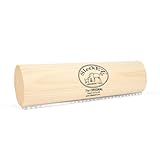
- REMOVE LOOSE HAIR FAST – Spend less time grooming and more time riding. This patented deshedding tool helps remove loose hair and undercoat to leave coats looking cleaner and healthier.
- CLEANER STALLS & TACK ROOMS – Loose hair ends up everywhere. Use as a pet hair removal tool to help reduce shedding before it lands on blankets, equipment, and horse tack.
- A BETTER ALTERNATIVE – Unlike a traditional curry brush or deshedding comb, the patented wave-pattern blade captures loose hair without cutting or damaging healthy coats.
- GROOMING MADE SIMPLE – Add it to any horse grooming kit for quick seasonal grooming. Helps remove large amounts of loose hair with minimal effort and maximum results.
- MADE FOR HEAVY SHEDDERS – This horse deshedding tool works great during seasonal coat changes when excess hair can make grooming slow, messy, and frustrating.
For a heavy working type
The Hispano-Bretón is the obvious choice in this group. Its draft influence and history of agricultural, forestry, transport, and production use set it apart from the lighter riding breeds.
For conservation interest
Marismeña, Jaca Navarra, Losino, Pottoka, Asturcón, and the Galician horse all offer a connection to native-breed conservation, though their histories and current circumstances differ. If conservation is your priority, look for transparent registration, responsible breeding objectives, sound welfare practices, and current population information rather than relying on an “endangered” label alone.
PRE versus Andalusian: which name is correct?
PRE means Pura Raza Española, or Purebred Spanish Horse. It is the precise registry-oriented term for a horse entered in the relevant Spanish stud-book system. ANCCE provides official PRE stud-book infrastructure and breed services.
Andalusian is a widely used English-language term for Spanish horses of the traditional Iberian type. In advertising, it may be used loosely for registered PRE horses, other Spanish horses, crosses, or horses that simply resemble the type. That does not mean every seller is being deceptive, but it does mean the word alone cannot establish pedigree.
If registration matters, ask to see the horse’s papers and verify them through official PRE stud-book resources or the appropriate recognized registry. Photographs, color, movement, and a traditional-looking head or neck can help describe appearance, but none proves breed identity.
Before buying any Spanish horse
- Confirm the breed name and registration. Ask whether the horse is registered, which stud book applies, and whether the papers identify the individual horse rather than merely describing its parents or type.
- Separate breed identity from marketing language. “Andalusian,” “Spanish,” “wild,” and “mountain horse” can be used broadly. Ask for documentation and a clear history.
- Evaluate the individual horse. Temperament, age, training, soundness, previous workload, and handling experience determine suitability more reliably than a breed stereotype.
- Match the horse to the intended use. A PRE for dressage, a Pottoka for extensive living, and a Hispano-Bretón for heavy utility have different management and training considerations. The most famous breed is not automatically the best fit.
- Arrange an independent pre-purchase examination. A veterinarian can assess health and soundness for the intended use. Breed education is not a substitute for veterinary advice.
- Check practical logistics. Ask about current management, turnout, feed, hoof care, transport, training support, and any documentation needed in your own country or region. Requirements and availability vary by location.
- Use recognized organizations. Official stud books, current conservation databases, and recognized Spanish horse breed associations are more reliable starting points than an attractive listing or an unverified social-media post.
If you want to compare photographs and discover breeds beyond these ten, an illustrated horse breeds guide can be a useful optional reference. It should supplement—not replace—registry documentation, an in-person assessment, or veterinary advice.
Why these 10—and not only the famous Spanish horses?
Spain’s Ministry of Agriculture catalogue includes many native equine breeds beyond this selection, including Mallorquín, Monchina, Caballo de las Retuertas, and Caballo de Monte del País Vasco, among others. This article chooses ten representative breeds for variety and readability rather than claiming that they are Spain’s only breeds or an objectively provable top ten.
The selection includes internationally recognized riding horses, island breeds, northern ponies, mountain and marsh horses, a Spanish-Arabian breed, a draft-influenced type, and rare regional horses. That range is the most useful answer to the question: Spanish horse breeds are not one uniform look or one riding discipline.
Source note: The breed identities and broad descriptions in this article follow Spain’s official catalogue of native equine breeds, ANCCE materials for the PRE, Spanish regulatory and government material for recognized breed systems, and breed-organization information where specifically noted. Current population and conservation figures should be checked in the latest available official records.
Frequently Asked Questions
Is an Andalusian horse the same as a PRE?
No. PRE, or Pura Raza Española, is the precise registry term for a registered Purebred Spanish Horse. “Andalusian” is a broader English-language label that may refer to a PRE, another Spanish-type horse, a cross, or simply a horse with a similar appearance. Check stud-book papers if pedigree matters.
Can you identify a Menorquín just because it is black?
No. A black coat is characteristic of the Menorquín, but color alone cannot prove that a horse is a purebred Menorquín. Ask for recognized pedigree or stud-book documentation.
Which Spanish horse breed is best for a beginner?
No breed is automatically a beginner horse. A well-trained individual Asturcón, Pottoka, Galician horse, or PRE may suit a particular rider, while another horse of the same breed may not. Consider training, age, soundness, temperament, management, and rider experience.
Which Spanish breed is best for dressage or classical riding?
The PRE is commonly associated with dressage, working equitation, doma vaquera, classical riding, and ceremonial work. However, the best competition horse depends on the individual’s conformation, movement, training, health, and temperament.
Are these the only Spanish horse breeds?
No. Spain’s official catalogue includes additional native equine breeds, such as Mallorquín, Monchina, Caballo de las Retuertas, and Caballo de Monte del País Vasco. These ten are a representative editorial selection, not a complete national list.
The Bottom Line
The PRE is the best-known all-around answer, but the best Spanish breed for a particular reader may be the Menorquín, Asturcón, Pottoka, Galician horse, Hispano-Árabe, Hispano-Bretón, Marismeña, Jaca Navarra, or Losino. Choose by documented identity, intended use, welfare, soundness, training, and individual temperament—not by appearance or a breed stereotype.
PC Slower Than It Used to Be?
A free scan shows the junk files, broken settings and background clutter dragging Windows down - then fixes them in one click.Free scan · Windows 10 & 11Outdated Drivers Are Slowing You Down
One free scan finds every outdated or missing driver and matches the right update for your exact hardware.Free scan · exact hardware matchQuick Recap
Product prices and availability are accurate as of the date/time indicated and are subject to change. Any price and availability information displayed on Amazon at the time of purchase will apply.





Leave a Reply