
Quick wins for a faster PC:
Fix the driver behind crashes, sound loss and screen glitchesFind Drivers →Clear out junk files and repair common Windows errorsFree Scan →Scan for outdated or missing drivers - takes under a minuteDriver Scan →Baby animals have some of the most charming names in the English language—but the right word can depend on the species, age, sex, or stage of development. Here are 59 conventional baby animal names, from familiar choices such as puppy and kitten to specialized terms such as cygnet, leveret, smolt, and elver.
Baby animals have some of the most charming names in the English language—but the right word can depend on the species, age, sex, or stage of development. A young goat is a kid, a young swan is a cygnet, and a young kangaroo is a joey. Others, such as hatchling, larva, and fledgling, describe a developmental stage shared by many animals.


As an Amazon Associate I earn from qualifying purchases.
Here are 59 conventional baby animal names, grouped by animal type. Where a familiar alternative exists, it appears alongside the usual term.
Mammal baby names
- Bear — cub: A tiny bear cub is one of the most familiar examples of the word cub.
- Cat — kitten: A kitten is a young cat—and one of the best-known endearing animal names.
- Dog — puppy or pup: A puppy is a young dog. Pup is also widely used, especially as a general term for the young of some mammals.
- Fox — kit or cub: Both kit and cub are established names for a young fox.
- Wolf — cub or whelp: Cub is the familiar everyday term, while whelp is an accepted alternative.
- Lion — cub: A young lion is a lion cub, just as a young tiger or leopard may be called a cub.
- Tiger — cub: “Tiger cub” is the standard everyday name for a young tiger.
- Leopard — cub: Cub is used for the young of several large cats, including leopards.
- Seal — pup: A baby seal is commonly called a pup.
- Elephant — calf: A young elephant is a calf, a term also used for several other large mammals.
- Giraffe — calf: A giraffe calf is a young giraffe with a particularly memorable name.
- Hippopotamus — calf: A young hippopotamus is generally called a calf.
- Whale — calf: A baby whale is a calf.
- Dolphin — calf: Calf is commonly used for a young dolphin and other members of the whale-and-dolphin group.
- Deer — fawn: A fawn is a young deer, often associated with a delicate, spotted coat.
- Rabbit — bunny or kit: Bunny is the familiar affectionate word, while kit is a recognized term for a young rabbit.
- Hare — leveret: A young hare is called a leveret.
- Kangaroo — joey: A joey is a baby kangaroo. The term also applies more broadly to the young of other marsupials.
- Goat — kid: A young goat is a kid—not only a child, but also a small member of the goat family.
- Sheep — lamb: A young sheep is a lamb.
- Horse — foal, colt, or filly: Foal is the general word for a young horse. Colt commonly means a young male horse, while filly means a young female horse.
- Donkey — foal: A young donkey may be called a foal, paralleling horse terminology.
- Cow — calf: A young cow is a calf. The word can refer to young cattle generally, not only females.
- Pig — piglet: A baby pig is a piglet.
- Ferret — kit: A young ferret is called a kit.
- Raccoon — kit: A baby raccoon is commonly called a kit.
- Hedgehog — hoglet: Hoglet is a familiar popular term for a young hedgehog. Strict zoological writing may use different style preferences.
- Bat — pup: A baby bat is commonly called a pup.
- Otter — pup: A young otter is a pup.
- Koala — joey: A young koala is a joey, as with other marsupials.
- Opossum — joey: A baby opossum is commonly described as a joey.
- Goat — yeanling: Yeanling is an alternate term for a young goat, although kid is much more familiar.
Bird baby names
- Chicken — chick: A baby chicken is a chick.
- Duck — duckling: A young duck is a duckling.
- Goose — gosling: A young goose is a gosling.
- Swan — cygnet: A cygnet is a young swan, already carrying the elegant name it will grow into.
- Eagle — eaglet: A young eagle is an eaglet.
- Falcon — eyas: An eyas is a young falcon or another bird of prey raised in captivity. In falconry writing, this narrower meaning is especially useful.
- Owl — owlet: A young owl is an owlet.
- Pigeon — squab: A young pigeon is a squab.
- Bird — fledgling: A fledgling is a young bird that has developed the feathers needed to fly but is still young. It is a stage-based term, not the exclusive name of one species.
- Bird — nestling: A nestling is a young bird still in the nest. This word describes where the bird is in its development rather than what species it is.
- Bird — hatchling: A newly hatched bird may be called a hatchling. The word can also apply to newly hatched animals in other groups.
- Turkey — poult: A young turkey is commonly called a poult.
Amphibian, reptile, insect, and fish baby names
- Frog — tadpole: A tadpole is the aquatic young form of a frog.
- Toad — tadpole: Toads also pass through a tadpole stage, so tadpole is not limited to frogs.
- Butterfly — caterpillar or larva: Caterpillar is the familiar word for a young butterfly. Larva is the broader biological term for its immature stage.
- Moth — caterpillar or larva: A moth’s young stage is commonly called a caterpillar or larva.
- Insect — larva: Larva is a broad term for a very young insect form that often looks quite different from the adult.
- Crocodile — hatchling: A newly hatched crocodile is a hatchling.
- Turtle — hatchling: A newly hatched turtle is a hatchling.
- Snake — hatchling: For egg-laying snakes, a newly hatched young snake may be called a hatchling. Not every snake species hatches from an egg, so the term describes the method and stage rather than all young snakes.
- Fish — fry: Fry is a common general term for very young fish.
- Fish — fingerling: A fingerling is a young fish that has progressed beyond the earliest fry stage.
- Salmon — smolt: A smolt is a young salmon or related fish at a particular developmental stage, typically associated with the transition toward life in salt water.
- Salmon — parr: Parr describes a young salmon or trout in its freshwater stage.
- Eel — elver: A young eel is an elver.
- Herring — alevin: Alevin is a term for a very young fish stage. Its use can vary by species and context, and it is also strongly associated with newly hatched salmonids.
- Shellfish and other aquatic young — spat: Spat can describe very young shellfish or newly settled aquatic young. It is a narrower term than the general phrase “baby animal,” so it is best used when the aquatic context is clear.
How to use these names accurately
- Use the familiar word first. “Goat—kid,” “swan—cygnet,” and “kangaroo—joey” are usually the clearest choices for children and casual conversation.
- Remember that some names are shared. Cub, calf, pup, kit, and joey can each apply to more than one animal.
- Separate species names from life-stage names. A fawn identifies a young deer, while hatchling, larva, tadpole, nestling, fledgling, fry, smolt, and parr describe stages or forms that can apply across related animals.
- Do not confuse sex-specific terms with general terms. A horse is generally a foal when young; colt and filly add information about sex.
- Expect regional and specialist variation. Everyday speech, farming, wildlife writing, falconry, and biology may favor different terms. A less familiar word is not automatically a more correct one.
Fun ways to practice baby animal vocabulary
Parents and teachers can turn the list into a matching game: write adult animals on one set of cards and baby names on another, then ask children to pair them. A nature journal can use stage-based terms such as tadpole, hatchling, nestling, and fledgling to record what a child notices without guessing the animal’s exact species. Children can also choose a favorite word as inspiration for a story, drawing, or pretend-animal name.
If you are naming a real puppy, choose a short, recognizable name that everyone can say consistently. It is also sensible to avoid names that sound like common commands, since a dog may have trouble distinguishing its name from an instruction.
Rank #2
Frequently Asked Questions
What is a baby goat called?
A baby goat is usually called a kid. “Yeanling” is an accepted alternative, but it is much less familiar.
What is a baby kangaroo called?
A young kangaroo is called a joey. Joey is also used more broadly for the young of other marsupials, including koalas and opossums.
What is a baby bird called?
A baby bird may be called a chick, nestling, fledgling, or hatchling depending on the species and developmental stage. A nestling is still in the nest, a fledgling has developed the feathers needed for flight, and a hatchling has just emerged from its egg.
What is a baby frog or toad called?
A tadpole is the aquatic young form of a frog or toad. It is a developmental stage rather than a name for one species.
Rank #4
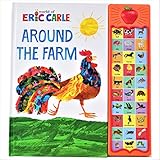
- 30 sound buttons, each representing a different animal.
- Children press button to hear animal name and sound associated with animal.
- Recommended for children ages 3 and older.
- Illustrated by renown children's book creator Eric Carle.
The Bottom Line
The most useful baby animal names to remember are often the simplest: kitten, puppy, cub, calf, fawn, kid, lamb, foal, chick, duckling, cygnet, joey, and tadpole. For more precise vocabulary, use developmental terms such as hatchling, larva, nestling, and fledgling with care.
What’s actually slowing this PC down?
Pick the symptom - the matching free tool is one click away.
Quick Recap
Product prices and availability are accurate as of the date/time indicated and are subject to change. Any price and availability information displayed on Amazon at the time of purchase will apply.





Leave a Reply