The Tool Desk
Outbyte PC Repair FREEClear out junk files and repair common Windows errorsFree Scan →Outbyte Driver Updater FREEScan for outdated or missing drivers - takes under a minuteDriver Scan →Ataxia in dogs means abnormal coordination, not a specific disease. It can result from a problem in the spinal cord, nerves, inner ear, brainstem, cerebellum, metabolism, medication exposure, or poisoning. Because some causes are rapidly progressive or life-threatening, a dog with new or unexplained ataxia should receive prompt veterinary assessment.
Go to an emergency veterinarian immediately if your dog cannot stand or walk, is rapidly worsening, has seizures, loses consciousness, has trouble breathing, repeatedly vomits, appears severely weak or painful, has suffered significant trauma, or may have eaten a toxin. Until your dog is examined, prevent falls, avoid forcing movement, and do not give medication or induce vomiting unless a veterinarian or poison-control professional specifically instructs you to do so.
As an Amazon Associate I earn from qualifying purchases.
When ataxia in a dog is an emergency
Contact a veterinarian promptly for any new loss of coordination. Seek immediate emergency care when your dog:
#1 Best Overall

- Harness Object: The Rear Legs support Harness is designed to help your elderly, disabled, or injured dog, who are unable to navigate the stairs, has a difficult time getting up and down, needs help walking and at any risk of falling
- Lifesaver: The dog carrying harness can pick up the rear end of your fur friend,prevent hip pain and injury caused by aging, support them getting in and out of the car,up and down the steps,help them get up from lying down,stabilize both the gait and spine
- Postoperative Rehabilitation : This Hip lifter is a helpful rehabilitation strap to help your furry pug who are post-op surgery of knee,CCL (ACL),TPLO,hip replacement and so on.They all have some trouble with the their back legs
- Soft Durable : Inside contains synthetic fleece material,the dog mobility harness is very fluffy and comfortable for your dog to wear,won't chafe your pups underbelly. The belly sling carrier outer cove with oxford fabric, it is sturdy for large dog
- Easy to Use:The concept of the portable dog lift support harness is great with the padded handles,so its cushion works great for all dog owners can give your dog a assist lifting with easy.The dog body hoist is washable and easy to carry or storage with drawstring bag when not use it
- Cannot stand, walk, or maintain a normal posture
- Has sudden severe or rapidly worsening incoordination
- Has a seizure, collapses, becomes unconscious, or is difficult to rouse
- Has breathing difficulty, repeated vomiting, or severe weakness
- Shows marked pain, especially after a fall, collision, or other trauma
- May have been exposed to medication, cannabis, slug bait, moldy food, compost, macadamia nuts, or another toxin
- Cannot swallow normally or becomes progressively less responsive
If poisoning is possible, remove your dog from the substance and preserve the package, label, or a safe sample for the veterinarian. Do not give food, medication, activated charcoal, or home remedies, and do not induce vomiting unless specifically directed. The correct response depends on the substance, amount, timing, and your dog’s symptoms; an uncoordinated or vomiting dog may also be at risk of aspiration.
In the United States, ASPCA Animal Poison Control is listed as a 24-hour resource at (888) 426-4435; a consultation fee may apply. A dog with seizures, unconsciousness, breathing problems, or severe clinical signs should go directly to a veterinary hospital rather than waiting for a telephone consultation. Outside the United States, contact your local veterinary emergency service or regional animal poison service.
What ataxia looks like in dogs
Owners often use “wobbly” to describe several different problems. Ataxia is specifically a failure of coordinated movement. Weakness, lameness, pain, tremors, and balance loss can look similar at home but point the veterinarian toward different diagnostic priorities.
What’s actually slowing this PC down?
Pick the symptom - the matching free tool is one click away.
| Pattern | What you may notice | What it can suggest |
|---|---|---|
| Sensory ataxia | Misplaced or crossing feet, a wide-based stance, stumbling, toe dragging, scuffed toenails, or difficulty knowing where the limbs are | Disruption of proprioceptive pathways in peripheral nerves, nerve roots, the spinal cord, brainstem, or sometimes the forebrain |
| Vestibular ataxia | Head tilt, leaning or falling to one side, disorientation, and involuntary eye movements called nystagmus | Dysfunction of balance pathways in the middle or inner ear, or in the brainstem |
| Cerebellar ataxia | An overreaching, high-stepping gait called hypermetria, exaggerated movements, and sometimes intention tremors; the dog may look more coordinated while standing than while moving | Cerebellar dysfunction |
These patterns can overlap, and an owner cannot reliably localize the problem from a video or a single sign such as a head tilt. A short video of your dog standing, walking, turning, and trying to rise can nevertheless help the veterinarian—provided recording does not delay emergency care.
Common causes of ataxia in dogs
Spinal cord and other sensory disorders
Problems affecting the spinal cord or sensory pathways can interfere with the brain’s ability to know where the limbs are. Potential causes include intervertebral-disc-related compression, spinal or spinal-cord tumors, trauma, inflammation, infections of the vertebrae or discs, congenital abnormalities, spinal instability, narrowing of the spinal canal, degenerative myelopathy, and fibrocartilaginous embolism.
Pain, the speed of onset, whether the problem is progressing, and whether weakness or paralysis is present are important clues. A dog that is dragging toes, losing strength, or showing back or neck pain needs prompt assessment; do not test mobility by repeatedly making the dog walk.
Vestibular disease: inner ear versus brainstem
Peripheral vestibular disease involves the middle or inner ear. Possible causes include ear infection, trauma, tumors, ototoxic drugs, hypothyroidism, and idiopathic vestibular syndrome.
Idiopathic vestibular syndrome is often seen as a sudden problem in an older dog with no identifiable cause. It commonly begins dramatically and then improves over time, but it is a diagnosis made after appropriate evaluation—not an assumption that is safe to make whenever a dog develops a head tilt.
Central vestibular disease affects balance pathways in the brainstem. Infection, inflammation, tumors, vascular injury, and toxic or metabolic disease can be involved. Failure to improve, worsening signs, abnormal mentation, multiple cranial-nerve abnormalities, or additional neurologic deficits make a central disorder more concerning and may lead to advanced imaging or referral to a veterinary neurologist.
Rank #2

- SUPPORT HIP SLING- Loobani lift sling is a simple and effective solution for mobility especially for elderly dogs, weak hind legs, orthopedic injuries, hip dysplasia, Arthritis pain, ACL / CCL surgery or other debilitating ailments
- MAKE MOBILITY EASILY- Excellent to help your doggy stand up, up and down stairs, get in and out of vehicles, onto furniture, outside for a bathroom break, or to provide some assistance when taking a walk
- COMFORT & NO PAIN- Providing ultimate care to weak and senior dog through thickening design and soft lining with sheepskin-like covering. Moreover,the handle equipped with removable padding is perfect for protecting your hand for easy comfortable carry
- HEAVY DUTY STRAP- A reflective nylon band runs through the whole sturdy sling to hold the weight of any breed. Adjustable straps were long enough to fit a range of breeds. Even if your pooches are short or you're tall, this carrier work well for you
- EASY TO USE & CARRY- The sling does not get in the way when she needs to "go" and can be moved out of the way easily if needed. After using, just fold and put it into the portable gift bag. Machine washable
Cerebellar and inherited disorders
Cerebellar disease may be degenerative, inflammatory, infectious, cancerous, congenital, or inherited. Hereditary ataxia has been described in several breeds, including Parson Russell, Jack Russell, and Smooth Fox Terriers. Some reported forms are associated with variants in KCNJ10 or CAPN1, but a breed association or genetic result does not by itself establish the cause of every uncoordinated dog.
Age when signs began, breed, family history, whether the problem is progressing, and whether episodes are constant or intermittent help guide the investigation. Some inherited disorders begin in puppyhood, progress, and may eventually stabilize without a return to normal coordination.
Medication, toxin, and metabolic causes
A dog can appear neurologic because of a systemic problem. Low blood glucose, low potassium, low calcium, abnormal red-cell counts, heart disease, respiratory disease, and other metabolic disorders can contribute to incoordination.
Medication exposure is also important. Metronidazole, particularly at high doses or in patients with individual risk factors, can cause neurologic toxicity, including ataxia, tremors, muscle spasms, and seizures. Do not stop or change a prescribed medication without veterinary guidance, but tell the veterinarian exactly what your dog has received, including recent dose changes.
Potential household and outdoor toxins include:
- Macadamia nuts: may cause weakness, vomiting, ataxia, increased body temperature, and depression of the central nervous system. The syndrome is generally nonfatal, but exposure still warrants prompt veterinary advice.
- Moldy food, compost, or food waste: tremorgenic mycotoxicosis can cause vomiting, tremors, heightened sensitivity, nystagmus, ataxia, and sometimes seizures.
- Metaldehyde slug or snail bait: can cause ataxia, tremors, seizures, excessive salivation, and hyperthermia.
- THC or cannabis products: commonly cause lethargy and ataxia and may also produce vomiting, urinary incontinence, altered sensitivity, tremors, and cardiovascular or respiratory effects.
Do not wait for a toxin-related problem to “wear off.” Symptoms can evolve, and treatment decisions depend on the substance and the dog’s condition.
How veterinarians diagnose ataxia
Diagnosis starts with a detailed history and physical and neurologic examination. The veterinarian will use the pattern of movement and other findings to determine whether the problem is more consistent with sensory, vestibular, cerebellar, metabolic, toxic, or another disorder.
Do these 3 things before closing this tab:
1Fix the driver behind crashes, sound loss and screen glitches2Repair Windows errors before they cause bigger problems3Scan for outdated or missing drivers - takes under a minuteBefore the appointment, be ready to describe:
- The exact time and circumstances of onset
- Whether the problem appeared suddenly, gradually, episodically, or after exercise
- Whether it is improving, worsening, or fluctuating
- Which direction your dog falls or leans
- Head tilt, nystagmus, tremors, seizures, vomiting, pain, vision changes, hearing loss, or behavior changes
- Every prescription, over-the-counter product, supplement, flea or tick product, and recent dose change
- Possible access to cannabis, human medication, slug bait, compost, moldy food, or other toxins
- Recent ear infection, injury, illness, anesthesia, or medical procedure
Depending on the examination, testing may include blood pressure measurement, a complete blood count, serum chemistry, glucose and electrolyte testing, urinalysis, infectious-disease testing, and an ear examination with an otoscope. Vestibular cases may require careful assessment of the ear canal and eardrum. Radiographs, CT, MRI, or brainstem auditory evoked-response testing may be appropriate in selected patients.
If spinal or intracranial disease is suspected, MRI and collection of cerebrospinal fluid may be recommended. These procedures commonly require general anesthesia and are often arranged through a veterinary neurology service. A normal initial blood panel does not rule out neurologic disease; conversely, a dog that looks neurologic may have a metabolic or toxic problem. The examination and localization determine which tests are proportionate and useful.
Ataxia treatment: what to expect
There is no single medication that treats ataxia itself. Treatment is directed at the underlying cause, which may require anything from supportive nursing to surgery or specialty care.
Rank #3

- 【Specially Designed for Male Dogs – Male-Friendly Dog Lift Harness】: The Lafoty dog lift harness for large dogs offers unique support with lift handles that don't interfere with male genitalia, allowing your dog to pee comfortably without mess. The rear leg straps are positioned to avoid interference with pooping, making it a clean and comfortable experience for your dog.
- 【Enhanced Mobility & Comfort – Dog Support Harness for Back Legs】: Equipped with 4 strategically placed handles (front and back), this dog carrying harness provides multiple lifting and rotation options, making it ideal for a variety of scenarios. The 6 adjustable straps help distribute force evenly, reducing strain on both you and your dog. Perfect as a dog stair helper or for lifting your dog in and out of vehicles.
- 【 2-in-1 Versatility – Detachable Rear Leg Support & Lift Strap】: This dog support sling offers a versatile 2-in-1 design. The rear leg support can be detached to be used as a regular harness for dogs, while the lift strap provides extra mobility support or temporary carrying assistance for stairs, walks, or general lifting.
- 【 Comfortable & Durable – High-Quality Dog Lift Harness】: Crafted from durable materials, this dog back leg support harness is designed for safety and comfort. While it may be slightly heavier than regular harnesses, the shoulder straps are built to evenly distribute weight, ensuring comfort even during long periods of use. Great for dog lifter for large elderly dogs or those recovering from surgery.
- Must Be Done Before Purchasing:We need to pay patience to accurately measure, so as to get the accurate size, refer to the scale table to buy the accurate size. After purchase, if you have any questions (missing parts/inappropriate size/not adjustable, etc.), please contact us in time.
- An ear infection may require targeted treatment after examination of the ear and eardrum.
- A causative medication may need to be stopped or changed under veterinary supervision.
- Poisoning may require decontamination, monitoring, fluids, seizure control, and other supportive treatment.
- Low glucose, electrolyte abnormalities, or other metabolic disease must be corrected safely.
- Painful spinal disease may require pain control, restricted activity, surgery, or another treatment for compression.
- Inflammatory, infectious, neoplastic, degenerative, and inherited disorders are managed according to the specific diagnosis and whether an effective treatment exists.
Vestibular dogs may need anti-nausea or motion-sickness medication. A dog that cannot eat or drink safely may need intravenous fluids and hospitalization. Assistance with walking and toileting, nursing care, and environmental changes can be as important as medication during recovery.
Free tools Windows power users keep installed
One-click scans. No signup required.
How long does idiopathic vestibular disease last?
In a dog that has been evaluated and is considered likely to have idiopathic vestibular disease, signs are often worst during the first 24 to 48 hours. Improvement may begin within about 72 hours, and many dogs recover substantially over two to three weeks. A residual head tilt or mild wobble can remain.
This timeline is not a reason to delay the initial examination. If signs worsen, fail to improve, or are accompanied by altered mentation, additional neurologic deficits, repeated vomiting, or other concerning findings, the dog should be reassessed rather than simply presumed to have idiopathic vestibular disease.
Independent reader supportYour contribution helps us test, update, and keep practical guides available for everyone.How to help an ataxic dog safely at home
Home care should support safety while veterinary evaluation and treatment are underway. It should not be used to force a severely disoriented, painful, or neurologically impaired dog to walk.
Make the environment safer
- Block stairs, balconies, and access to elevated furniture.
- Keep your dog in a small, quiet area with as few obstacles as possible.
- Cover slippery flooring with non-slip runners or mats that lie flat and cannot bunch up underfoot.
- Place food, water, bedding, and a toilet area within easy reach.
- Keep the dog away from pools, ponds, traffic, and other fall or drowning hazards.
- Check frequently for urine, feces, wet bedding, or pressure-related discomfort if your dog cannot reposition normally.
For a temporary observation or recovery area, a pet gate for stairs and securely placed non-slip floor coverings can reduce access to hazards. A low-entry washable dog bed may provide an accessible, cleanable resting surface for a dog that struggles to rise. These items improve the environment; they do not restore neurologic coordination or replace veterinary care.
Assist only when it is safe
Ask the veterinarian or a veterinary rehabilitation professional to guide harness use, mobility exercises, strengthening, hydrotherapy, or toileting support. If your veterinarian approves brief assisted movement or transfers, a correctly fitted dog mobility harness with handle may provide controlled support. It must fit the individual dog, be used under supervision, and never be used to drag or force a dog that is falling, severely disoriented, painful, or unable to support itself. Avoid pulling on the neck or twisting the spine, particularly after trauma.
Some veterinarians may approve non-slip dog socks or traction booties for a dog that slips indoors, but these are optional aids rather than treatment. Check fit, circulation, skin irritation, and your dog’s tolerance, and remove them if they make walking worse or cause distress. Improving the floor surface is usually more important than adding something to the paws.
Food, water, and movement precautions
Offer food and water only when your dog is alert and able to swallow normally. A neurologically impaired or vomiting dog may aspirate food or liquid. Do not force-feed or syringe water unless a veterinarian has given specific instructions.
Do not force a severely disoriented dog to walk. If your dog repeatedly falls, cannot maintain a normal posture, vomits, cannot swallow, or becomes less responsive, hospitalization may be safer than home nursing.
Quick wins for a faster PC:
Scan for outdated or missing drivers - takes under a minuteDriver Scan →Clear out junk files and repair common Windows errorsFree Scan →Fix the driver behind crashes, sound loss and screen glitchesFind Drivers →Rank #4
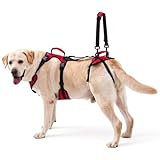
- Lift & Walk with Confidence: Designed to support dogs with limited hind leg mobility, arthritis, or post-surgery recovery. Helps your dog stand, walk, and move safely with less strain.
- Dual Handles for Flexible Control: Two integrated lift handles provide maximum control for different situations—perfect for stairs, walking assistance, or short lifts when your dog needs extra help.
- Male Dog-Friendly, No Potty Interference: The thoughtful wrap design avoids belly pressure and does not interfere with potty needs, ensuring comfort and dignity for male dogs during daily use.
- Lift Heavy Dogs with Less Effort: Distributes weight evenly to reduce strain on your back and arms. Ideal for stairs, car transfers, rehabilitation walks, and daily mobility support.
- Breathable, Secure & Versatile Design: Soft, breathable fabric ensures all-day comfort. Converts to a standard harness, with an integrated handle that can also function as a dog leash.
Prognosis
The word “ataxia” does not predict an outcome by itself. Prognosis depends on the location of the problem, its cause, how severe it is, how quickly treatment begins, and whether the condition is progressive.
Some toxic, metabolic, vestibular, and treatable compressive disorders improve substantially. Inherited or degenerative disease, advanced tumors, and severe central neurologic disorders may progress or leave permanent deficits. Prognosis is most meaningful after the veterinarian has localized the problem and, when needed, identified its cause.
What to record before the appointment
Write down the onset and progression, then record short videos on a non-slip surface if your dog can move safely. Useful clips may show your dog standing, walking in a straight line, turning, and attempting to rise. Also note:
- Which way your dog falls or leans
- Head tilt, nystagmus, tremors, seizures, vomiting, pain, or changes in alertness
- Whether your dog is eating, drinking, urinating, and defecating normally
- All medications, supplements, preventives, and recent dose changes
- Any possible access to toxins, food waste, compost, mold, cannabis, or human medication
- Recent ear problems, injuries, illnesses, anesthesia, or procedures
- Whether previous episodes occurred and how they resolved
Do not delay emergency care to obtain a video or complete a history.
Windows Errors? Fix Them Before They Spread
Repair common Windows errors and clear accumulated junk for a smoother, more stable PC - no reinstall needed.Free scan · no reinstallCrashes, No Sound, or Screen Glitches?
Random freezes, missing sound and display glitches usually trace back to one bad driver. Find and replace yours safely.Free scan · under a minuteFrequently Asked Questions
Can ataxia in dogs go away on its own?
Some causes, including idiopathic vestibular syndrome after appropriate veterinary evaluation, can improve substantially over days to weeks. Other causes—such as spinal compression, poisoning, metabolic disease, infection, tumors, or degenerative disorders—may worsen without treatment. A head tilt or wobbly gait should not automatically be watched at home without veterinary advice.
Is a head tilt always an ear infection?
No. A head tilt is common with vestibular disease, which may involve the middle or inner ear, but central vestibular disease in the brainstem can look similar. Tumors, trauma, medication effects, inflammation, vascular injury, and metabolic or toxic disease are also possible. Examination is needed to distinguish them.
Should I give my dog medication for ataxia?
Do not give human medication, leftover prescriptions, supplements, activated charcoal, or a home toxin treatment unless a veterinarian specifically directs you. There is no universal medication for ataxia, and the appropriate treatment depends on the cause. Metronidazole and other exposures can themselves contribute to neurologic signs.
How should I transport a dog that cannot walk?
Call the veterinary hospital for transport instructions. Keep your dog supported and secured, minimize falls and sudden movement, and avoid pulling on the neck or twisting the spine. After trauma or when severe neurologic signs are present, ask the hospital how best to maintain body alignment during transport.
The Bottom Line
Bottom line: Ataxia is a warning sign, not a diagnosis. Arrange prompt veterinary care, go straight to an emergency hospital for severe or rapidly worsening signs or any suspected toxin exposure, and make the home fall-safe while you wait. Do not force walking or give treatments without professional direction.
Quick Recap
Product prices and availability are accurate as of the date/time indicated and are subject to change. Any price and availability information displayed on Amazon at the time of purchase will apply.




