
Yes, pigs can be affectionate, intelligent companions—but they are demanding, species-specific pets rather than easy household animals. Before committing, confirm that pigs are legal where you live, find a veterinarian who treats pigs, prepare secure indoor and outdoor areas, and plan for an adult animal that may weigh far more than its piglet-sized appearance suggests. A pig is a poor impulse purchase: rooting, food-seeking, noise, destructiveness, or aggression often develop when normal behavioral, social, exercise, or dietary needs are not being met.
What makes a pig a good—or poor—pet?
Households that may be a good fit
A pig may suit people who have time every day for training, interaction, enrichment, and observation. The animal needs a secure place to explore and root, protection from weather, a carefully managed diet, and ongoing preventive care. Owners also need patience: pigs learn quickly, but their intelligence and food motivation can make them persistent when they discover that a behavior gets a result.
As an Amazon Associate I earn from qualifying purchases.
Pigs often bond closely with people. Veterinary behavior literature describes miniature pet pigs as highly social, intelligent, and exploratory. Those traits can make them engaging companions, but they also mean a pig is not a decorative indoor pet that can be left alone for long periods.
When another pet is the better choice
Reconsider if your lease, homeowners association, or local ordinance prohibits pigs; if you expect a permanently tiny animal; or if you cannot provide secure outdoor access and weather-appropriate shelter. A household that wants a low-effort pet, cannot commit to training and daily interaction, or has no pig-capable veterinarian nearby should not buy a piglet.
#1 Best Overall

- Premium Non-GMO Pot Belly Pig Food: Crafted with non-GMO grains and enriched with probiotics, essential oils, herbs, kelp, and omega-3s, this balanced pig feed provides superior nutrition for potbelly and mini pigs, promoting a healthy, balancing pig diet.
- Family-Owned Wholesome Harvest Quality: Proudly made at Ernst Grain & Livestock, a 7th-generation family farm, this high-quality pig grain is made with traceable and nutritious ingredients. These feeds are essential on the homestead supplies list.
- Complete Nutrition for Mini Pig Supplies: Formulated with essential vitamins A, D, and E, this pig formula supports the health, vitality, and growth of mature potbelly and mini pigs, creating a balanced pig diet.
- Promotes Digestion and Overall Health: Fortified with probiotics, natural supplements, and essential nutrients, this mini pig food enhances digestion, strengthens the immune system, and supports the health of pig skin, coats, hooves, and overall vitality, ensuring your pigs thrive at every stage of life.
- Sustainable Pot Belly Pig Supplies: Made with a wholesome blend of barley, wheat, roasted soybeans, and linseed oil, this 10 lb bag offers a nutritious and eco-friendly option for your pigs' daily diet.
Sherrie Clark of Virginia-Maryland College of Veterinary Medicine put the distinction plainly: “You can’t treat a pig like a dog with a different snout.” Pigs can be affectionate, but their environmental and behavioral needs are different.
How big do mini pigs get?
“Mini,” “micro,” and “teacup” are seller descriptions, not dependable adult-size categories. A piglet’s current weight does not guarantee its mature size, and selective breeding does not eliminate normal variation.
| Guidance | Approximate adult size | How to interpret it |
|---|---|---|
| Texas A&M guidance quoting veterinarian Evelyn Mackay (2019) | Even the smallest pigs may reach 60–80 pounds | An institutional estimate, not a prediction for an individual pig |
| Texas A&M first-pig guidance (2013) | Micro pigs around 40 pounds; traditional potbellied pigs 100 pounds or more | Approximate figures showing how widely adult size can differ |
Ask a breeder or rescue about the parents’ size and growth history, but treat every estimate as uncertain. Plan housing, flooring, fencing, handling equipment, and veterinary costs for the larger animal you could realistically keep—not for the smallest advertised outcome.
Quick wins for a faster PC:
Scan for outdated or missing drivers - takes under a minuteDriver Scan →Clear out junk files and repair common Windows errorsFree Scan →Fix the driver behind crashes, sound loss and screen glitchesFind Drivers →Can a pig live indoors?
Indoor space
Pigs can spend substantial time inside when the space is safe and easy to clean. Remove toxic plants and chemicals, block access to electrical cords and small objects, secure cupboards containing food, and protect slippery floors. A pig that can move safely between resting, eating, and toileting areas is easier to manage than one confined in a cramped pen.
Rank #2

- Highly palatable pelleted feed for pigs, this pig food provides the right nutrition for your mini pig, at every stage of life.
- A complete mini pig feed that can be fed with hay/pasture or as the sole diet.
- Fortified with added vitamins and minerals.
- Recommended for mini pigs at all life stages.
- Includes balanced amino acids, protein, vitamins and minerals mini pigs need to thrive
Outdoor access and rooting
Outdoor access is important because rooting is normal swine behavior and exercise supports physical and behavioral health. Provide a securely fenced area where rooting is permitted, while protecting gardens, drainage systems, and other vulnerable landscaping. Do not assume that a pig will stop rooting simply because it has been told not to.
Shelter and weather protection
The outdoor area needs shade and shelter from sun, wind, rain, and temperature extremes. A pig can overheat, become chilled, or suffer injury if its enclosure has no dry resting area and no way to escape harsh conditions. Check fencing regularly: pigs investigate boundaries, push with their snouts, and may exploit gaps that a dog would ignore.
What are pet pigs’ behavior and training needs?
Pigs are social and curious. They need regular human interaction, safe enrichment, exercise, and training based on consistent rewards and boundaries. Food puzzles, supervised exploration, and designated rooting areas can direct natural investigation toward acceptable activities.
Windows Errors? Fix Them Before They Spread
Repair common Windows errors and clear accumulated junk for a smoother, more stable PC - no reinstall needed.Free scan · no reinstallCrashes, No Sound, or Screen Glitches?
Random freezes, missing sound and display glitches usually trace back to one bad driver. Find and replace yours safely.Free scan · under a minuteThe 2021 veterinary review of miniature pet pigs warns that destructive or aggressive behavior may reflect normal swine behavior expressed in an unsuitable home. A pig that overturns objects, roots at flooring, guards food, or challenges handling is communicating a management problem as well as creating one. Increase appropriate activity, review feeding routines, and seek help from a veterinarian experienced with pigs if behavior escalates.
Rank #3

- Premium Non-GMO Pot Belly Pig Food: Crafted with non-GMO grains and enriched with probiotics, essential oils, herbs, kelp, and omega-3s, this balanced pig feed provides superior nutrition for potbelly and mini pigs, promoting a healthy, balancing pig diet.
- Family-Owned Wholesome Harvest Quality: Proudly made at Ernst Grain & Livestock, a 7th-generation family farm, this high-quality pig grain is made with traceable and nutritious ingredients. These feeds are essential on the homestead supplies list.
- Complete Nutrition for Mini Pig Supplies: Formulated with essential vitamins A, D, and E, this pig formula supports the health, vitality, and growth of mature potbelly and mini pigs, creating a balanced pig diet.
- Promotes Digestion and Overall Health: Fortified with probiotics, natural supplements, and essential nutrients, this mini pig food enhances digestion, strengthens the immune system, and supports the health of pig skin, coats, hooves, and overall vitality, ensuring your pigs thrive at every stage of life.
- Sustainable Pot Belly Pig Supplies: Made with a wholesome blend of barley, wheat, roasted soybeans, and linseed oil, this 40 lb bag offers a nutritious and eco-friendly option for your pigs' daily diet.
Never use punishment that risks injury or makes handling frightening. Establish predictable routines for feeding, hoof care, transport, and veterinary visits while the pig is young, then maintain them as the animal grows. A large pig that has never learned calm handling is difficult and potentially dangerous to move.
What do pet pigs eat?
Use a complete pig-specific diet
Texas A&M veterinarian Evelyn Mackay cautions that pigs should not be fed “slop”; they need a commercial diet formulated for swine. Choose a complete ration appropriate to the pig’s life stage and follow individualized advice from a pig-experienced veterinarian.
Control portions and treats
Pigs are prone to obesity. Treats and table scraps can quickly add calories, encourage begging, and unbalance the diet. The right amount depends on the animal’s age, size, activity, health, and body condition, so do not apply one internet feeding schedule to every pig.
Recommended Free Tools
Ask about mini-pig nutrition specifically
A 2024 veterinary review notes that nutrient requirements developed for production pigs should be critically evaluated when applied to pet mini pigs. At a wellness visit, ask the veterinarian to assess body condition, select a suitable life-stage feed, and set a portion that can be adjusted as weight changes. Fresh water must always be available.
Rank #4
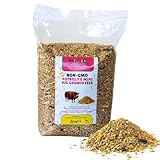
- Whole Grain Based - No Byproducts.
- Designed for pigs less than 1 year old.
- Multiple Species of Live Probiotics and prebiotics included
- Made with Essential Oils & Herbs like oregano, cayenne pepper, and yucca leaf.
- Contains flax oil, a natural coat and hair conditioner
What veterinary care does a pig need?
Find a clinic before bringing the animal home. Many general practices do not treat pigs, and emergency options may be limited outside major population centers.
- Call several clinics. Confirm that they see pet pigs, provide urgent care or have a referral arrangement, and can advise on vaccination, parasites, nutrition, and behavior.
- Arrange a first examination. Have the veterinarian establish a weight, body-condition baseline, medical record, and preventive-care plan.
- Plan routine procedures. Discuss vaccines, parasite control, hoof trimming, dental care, wellness examinations, and spaying or neutering.
- Prepare transport. Ask how a full-grown pig should be safely moved if it needs treatment; do not wait for an emergency to discover that a carrier or vehicle is unsuitable.
Texas A&M identifies obesity, arthritis, musculoskeletal injuries, respiratory infections, and gastrointestinal upset from inappropriate eating among problems seen in pigs. These are reasons to arrange professional care, not conditions to diagnose remotely. Sudden inability to stand, breathing difficulty, repeated vomiting or diarrhea, severe pain, or overheating warrants urgent veterinary advice.
Independent reader supportYour contribution helps us test, update, and keep practical guides available for everyone.How much does it cost to own a pet pig?
There is no authoritative, universal total for pet-pig ownership. Your budget depends on local feed and construction prices, veterinary availability, the pig’s health, and whether you count one-time setup and procedures. Budget by category rather than relying on a single headline number.
The Tool Desk
Outbyte PC Repair FREEClear out junk files and repair common Windows errorsFree Scan →Outbyte Driver Updater FREEFix the driver behind crashes, sound loss and screen glitchesFind Drivers →| Budget category | What to include | Why it can vary |
|---|---|---|
| Initial setup | Adoption or purchase fee, secure fencing, shelter, flooring, gates, and indoor safety modifications | Existing structures may reduce costs; escape-resistant construction can be substantial |
| Recurring husbandry | Complete pig-specific feed, bedding, cleaning supplies, enrichment, and fence maintenance | Amounts rise with adult size, local prices, and housing design |
| Preventive care | Wellness visits, vaccines, parasite prevention, hoof and dental care, and advised sterilization | Provider availability and regional fees differ |
| Access to care | Transport, mobile visits, or referral travel when pig-capable clinics are distant | Rural owners may face significant travel costs |
| Emergency reserve | Unexpected illness, injury, diagnostics, hospitalization, or surgery | No reliable national average has been established |
A consumer estimate updated March 15, 2026, puts U.S. ownership at $1,200–$4,500 per year, with a stated average of $2,400. That is a SpectrumCare consumer-site estimate, not an audited national average or a predictable bill for every owner; it may not include every setup or emergency expense.
Best Value

- Proudly made at Ernst Grain and Livestock, our 7th generation family farm
- Wholesome blend of Non-GMO grains made with no soybeans, corn, or byproducts
- A complete ration fortified with minerals, vitamins, probiotics, kelp, omega 3's, and other natural supplements
- Contains probiotics, omega 3’s, and a diverse mix of essential oils and herbs
- Confidently feed your pig this premium feed blend and ensure ultimate health!
Are pet pigs legal where I live?
United States
Start with municipal or county zoning and animal-control rules. Then check homeowners-association bylaws, rental or property restrictions, and any requirements concerning livestock, fencing, noise, or nuisance behavior. Written confirmation is safer than relying on a seller’s claim that pigs are allowed. Complete these checks before paying a deposit.
England
England has keeper-registration, identification, movement, and traceability duties for pet-pig keepers, along with welfare obligations. Government guidance updated July 12, 2023, describes those requirements. They are England-specific and should not be applied to another country or jurisdiction; check the current official rules for your address.
Common challenges and practical responses
| Challenge | Likely management issue | Useful response |
|---|---|---|
| Destructive rooting | No designated rooting area or insufficient enrichment | Create a safe rooting zone, reinforce boundaries, and protect landscaping rather than trying to suppress the behavior entirely |
| Rapid weight gain | Oversized portions, frequent treats, or an unsuitable ration | Have a veterinarian assess body condition and set measured portions |
| Resistance to handling | Training started late or procedures are associated only with frightening events | Practice calm, reward-based handling and arrange professional behavior help early |
| Aggression or food guarding | Competition, inconsistent rules, fear, or unmet social and exploratory needs | Separate people from unsafe situations, review the environment, and contact a pig-experienced veterinarian |
| Emergency-care difficulty | No nearby clinic, transport plan, or after-hours referral | Identify providers and transport options before illness occurs |
A pre-adoption checklist
Use this sequence before choosing a pig:
- Verify zoning, animal-control, HOA, lease, and property rules in writing.
- Call local veterinary practices and confirm routine and emergency pig care.
- Visit or inspect the proposed pig’s parents, health records, living conditions, and growth history when possible.
- Plan for an adult weight of at least 60–80 pounds, while recognizing that some pigs become larger.
- Build secure fencing and weatherproof shelter, and designate a rooting area before arrival.
- Select a complete swine-formulated diet and schedule a veterinary nutrition discussion.
- Set aside money for routine care, transport, and emergencies.
- Make a daily plan for exercise, social interaction, enrichment, cleaning, and training.
If any item fails—especially legal permission, suitable housing, or veterinary access—pause the adoption. The pig’s welfare and your ability to manage an adult animal depend on those foundations.
Do these 3 things before closing this tab:
1Clear out junk files and repair common Windows errors2Fix the driver behind crashes, sound loss and screen glitches3Repair Windows errors before they cause bigger problemsQuick Recap
Product prices and availability are accurate as of the date/time indicated and are subject to change. Any price and availability information displayed on Amazon at the time of purchase will apply.





Leave a Reply