No fish can keep an aquarium clean for you. Some species can graze particular kinds of algae or forage for food scraps, but they also add waste and need suitable food, water, space, and tankmates. The best choice depends on the job and the aquarium: otocinclus may suit a calm, established planted tank; a true Siamese algae eater needs a much larger aquarium; and corydoras forage for scraps but do not eat algae.
Choose a fish for the cleanup task
“Cleaner fish” is a catch-all label, not a promise that an animal will solve an algae or waste problem. Surface grazing, filamentous-algae picking, and searching the substrate for scraps are different behaviors. Identify what you want help with, then match the species to your tank’s dimensions, water chemistry, oxygenation, existing livestock, and capacity for more bioload.
As an Amazon Associate I earn from qualifying purchases.
Aquarium Co-Op notes that surface-grazing fish may rasp algae from surfaces while leaving hair or filamentous algae alone; mollies, platies, flagfish, and Siamese algae eaters are more likely to take filamentous algae. These are tendencies, not a guarantee that a fish will eat every growth in a particular aquarium. Aquarium Co-Op’s algae-eater guide also emphasizes tank size, temperament, water chemistry, and algae type when choosing a species.
Freshwater fish options and their limits
| Fish | What it may help with | Fit and care limits |
|---|---|---|
| Otocinclus | Grazing delicate algae on plants and other surfaces; a small-fish option for planted aquariums. | OATA says otocinclus reach about 4 cm and recommends keeping five or more. They are shy and delicate, and need clean, highly oxygenated water, cover, and calm tankmates. OATA’s tropical algae-eater care sheet gives these recommendations. |
| True Siamese algae eater (Crossocheilus oblongus) | Algae grazing in a larger aquarium, including some filamentous algae. | OATA says it can reach 16 cm and needs an aquarium at least 120 cm long. Look-alike fish exist, so confirm the species rather than buying by a common name alone. The care sheet recommends keeping one alone or in a group of five or more to reduce bullying. |
| Platies and mollies | May pick at filamentous algae, detritus, and fallen food in a compatible community aquarium. | Aquarium Co-Op notes these fish need harder water and higher pH than some species. Check your water and the needs of existing fish before choosing them. |
| Corydoras | Foraging on the bottom for scraps, worms, and small prey. | They are not algae-control fish. Feed them deliberately with suitable food instead of relying on leftovers; Aquarium Co-Op explains their feeding needs in its freshwater cleanup-crew guide. |
| Bristlenose pleco | Algae grazing and scavenging when housed in a suitable aquarium. | Aquarium Co-Op gives an adult size of 4–5 inches and recommends 29 gallons or larger to provide grazing space and accommodate waste. Do not assume all plecos stay small or share this species’ requirements. |
What about shrimp?
Amano shrimp are not fish, but they may help graze algae and scavenge in small crevices. Check that existing tankmates will not eat or harass them, and provide appropriate minerals and food. Aquarium Co-Op notes that when fish food is plentiful, Amano shrimp may favor that easy meal over algae.
#1 Best Overall
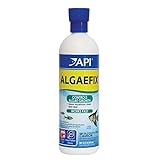
- Contains one (1) API ALGAEFIX Algae Control 16-Ounce Bottle
- Controls algae growth and keeps aquarium glass, ornaments and plants clean
- Fast-acting and effective on "green water" algae blooms, string or hair algae
- Will not harm fish and plants when used as directed
- Dose every three days until algae is under control then dose weekly
Check the aquarium before adding livestock
A species that helps in one aquarium may be a poor choice in another. Before buying, check these factors together:
- Target growth or waste: Establish whether you are addressing surface algae, filamentous algae, or uneaten food. A bottom forager is not a substitute for an algae grazer.
- Adult size and tank dimensions: Use the fish’s adult size and required aquarium length, not the small size it may have in a shop.
- Social needs and temperament: Account for recommended group size as well as whether current fish might intimidate, injure, or be injured by the newcomer.
- Water and oxygen: Check temperature, water chemistry, oxygenation, and shelter requirements against the aquarium you actually have.
- Food and bioload: Be ready to provide a suitable diet. Every added animal contributes waste, so consider whether the aquarium can support it.
If you cannot confirm species identity, adult requirements, or compatibility, do not add the fish as a trial-and-error cleaning tool. Algae-eating fish are not a substitute for regular maintenance and appropriate stocking, OATA cautions.
Rank #2

- 9+ red ramshorn snails raised in my personal pristine planted aquariums
Control algae and waste with aquarium care
Find the cause instead of adding more animals
Algae is not automatically a sign that an aquarium needs a cleanup fish. OATA says persistent algae may point to water-chemistry problems or incorrect maintenance. Test the water and review feeding and routine care before deciding whether livestock is appropriate.
The Tool Desk
Outbyte PC Repair FREERepair Windows errors before they cause bigger problemsFix Now →Outbyte Driver Updater FREEScan for outdated or missing drivers - takes under a minuteDriver Scan →Remove growth and waste directly
Continue manual algae removal. A scraper can clean glass, while a siphon can remove solid waste from gravel during a water change. Grazers may reduce some manual work, but they do not remove the need to clean.
Rank #3

- ✅ The Siamese Algae Eater is one of the best algae-eating fish in the aquarium hobby, and it is one of the very few fish that will eat the dreaded black beard algae
- ✅ The Siamese Algae Eater (Crossocheilus siamensis) is a longtime favorite in the aquarium hobby due to its active nature and its voracious appetite for various types of nuisance algae, including pesky black beard algae
- ✅ It is a mostly herviborous fish that is gregarious as a juvenile, but is shoaling (rather than schooling) as an adult
- ✅ As it matures, a distinct hierarchy develops within a group of this species, and stress and aggression are likely when the group contains less than 6 specimens
- ✅ Care is simple for the Siamese Algae Eater. It is tolerant of a wide range of water parameters, but it will thrive in an aquarium with ample filtration and moderate to high water flow. This active fish is known to jump occasionally, so a secure aquarium lid is recommended
Feed carefully and keep up with water care
OATA advises feeding only what fish can eat within a few minutes, while allowing for the extra grazing needs of some species. Uneaten food breaks down and adds waste. Its general guidance recommends weekly water-quality checks and a weekly 25% partial water change; the sheet also specifies zero ammonia and nitrite for the species it covers. Treat those as general care-sheet guidance, not a universal schedule for every aquarium or system, and check the requirements for your particular livestock.
Add stock gradually
Do not introduce animals to a new or unsuitable aquarium simply to address cleaning. OATA advises checking aquarium size and water quality before purchase and increasing stock slowly. Adding too many animals too quickly can leave beneficial bacteria unable to process waste adequately.
Rank #4
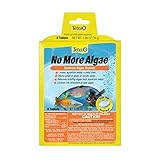
- CONTROLS ALGAE GROWTH: Removes existing algae from aquarium water and controls the formation of new algae in your tank.
- CLEAR WATER: Leaves aquarium water clean and crystal clear.
- USE IN FRESHWATER TANKS: Designed for both glass and acrylic aquariums.
- FIZZ TAB SYSTEM: Fish care made easy.
- USAGE: For regular maintenance, use once a month or as algae growth starts to appear.
Which choice is best for your tank?
- Calm, planted aquarium with suitable water and established care: Otocinclus may be worth considering if you can meet their social and oxygenation needs.
- Long aquarium with room for a large adult fish: A correctly identified Siamese algae eater may suit some setups; OATA’s minimum length recommendation is 120 cm.
- Harder water and a compatible community: Platies or mollies may pick at filamentous algae and fallen food, but they will not replace maintenance.
- Concern about scraps on the bottom: Corydoras forage, but choose them for their own care requirements and feed them intentionally—not to dispose of excess food.
These are conditional options, not a universal ranking. The right answer depends on the algae or waste involved and whether the aquarium can meet the animal’s full needs.
Free tools Windows power users keep installed
One-click scans. No signup required.
Quick Recap
Best Value

- PLECO FORMULATION: Supports the nutritional needs of herbivore bottom-feeders such as Plecostomus.
- SINKING WAFERS WITH CONCENTRATED ALGAE: Provides a complete, balanced diet for algae eaters.
- ALL-VEGETABLE SUPPLEMENT: Easily digested vegetarian fish food that’s naturally high in fiber.
- DAILY USE: Feed only the amount that your bottom-feeding fish will consume within a few hours each day.
- CLEAR-WATER FORMULA: Won’t cloud water when used as directed.
Product prices and availability are accurate as of the date/time indicated and are subject to change. Any price and availability information displayed on Amazon at the time of purchase will apply.




