A bit can press on a horse’s tongue, bars, lips and other sensitive oral tissues. Whether it causes discomfort depends on the horse’s mouth, the bit’s dimensions and design, and how it is used. There is no universally suitable bit for every sport horse: assess fit individually, watch the horse’s response, and seek professional help when something seems wrong.
How can a bit affect a horse’s mouth?
A bit sits in the interdental space and can apply pressure to structures including the tongue, bars, lip commissures and inner cheeks. A 2020 review discusses how pressure or compression may contribute to tissue injury, inflammation, restricted blood flow or stretching. These are possible welfare concerns described by the review, not proof that every horse wearing a bit is in pain.
As an Amazon Associate I earn from qualifying purchases.
Bit design changes where pressure is applied. But design alone does not determine comfort: a bit that seems mild may still be uncomfortable if it does not suit the horse or if the reins are handled roughly. The British Horse Society (BHS) stresses that suitability varies between horses and recommends individual fitting.
How do I know if my horse’s bit fits?
Fit is not just a question of mouth width. Relevant dimensions include the horse’s mouth width, the space between the jaws, tongue thickness and lower-jaw width, alongside the bit’s length, thickness and mouthpiece design.
#1 Best Overall

- Stainless Steel
- 5" Copper Mouth
- 3 inch Rings
- Item Package Weight - 0.6 Pounds
- Item Package Quantity - 1
A 2022 study measured 554 horses and ponies presented for routine dental care and compared their oral dimensions with the most-used bit supplied by each owner. In that sample, the authors found common mismatches: some bits were too short, some were more than 10 mm longer than mouth width, and some compressed the tongue. They also noted possible pressure points associated with mouthpiece links.
The study authors calculated that the average space available for a bit without tongue compression was 14 mm; no horse in their sample had room for a bit thicker than 22 mm. These are findings from the measured sample, not sizing instructions for an individual horse. Mouth dimensions varied by breed and sex, and the authors recommend reassessing fit as horses age.
Rank #2

- RUST-RESISTANT STAINLESS STEEL: Durable construction designed for daily barn use without corrosion or maintenance issues.
- SWEET IRON DOG BONE ROLLER: Encourages natural salivation and promotes bit acceptance for smoother horse response during riding.
- TRAINING AND COMPETITION VERSATILITY: Snaffle design provides clear communication across western disciplines, training, and schooling applications.
- AVAILABLE IN MULTIPLE SIZES: Offered in 4.5, 4.75, 5.5, 6, and 7 inch mouth widths to fit different horse sizes and preferences.
- PROFESSIONAL QUALITY AT ACCESSIBLE PRICING: Built with quality hardware and engineering without the premium price markup.
The BHS advises correct individual fitting and suggests getting guidance from a qualified bit fitter and coach. Its central reminder is: “It is important to remember that all horses are different and a bit that suits one horse may not suit another.”
Quick wins for a faster PC:
Repair Windows errors before they cause bigger problemsFix Now →Scan for outdated or missing drivers - takes under a minuteDriver Scan →Clear out junk files and repair common Windows errorsFree Scan →Can a bit hurt a horse’s mouth?
It can cause discomfort or injury, but a behavior change alone cannot identify the cause. A 2020 review discusses mouth movements, changes in head-and-neck position, facial expression, body movement and gait as behavioral signs considered in the literature. A veterinary review published in 2022 also addresses clinical signs associated with ill-fitting tack or incorrect use.
Rank #3
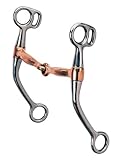
- Chrome Plated
- 5" Copper Plated Mouth
- 6-1/2" Cheeks
- Country Of Origin: China
Use such signs as a reason to investigate rather than as a diagnosis. Consider the horse’s oral health, bit fit and use, and involve an equine veterinarian or dental professional if you see signs of oral discomfort or injury. A qualified fitter and coach can help assess fit and handling.
What should I do if I’m concerned?
- Pause and observe. Note when the behavior occurs and whether there are visible signs of oral injury or discomfort. Do not assume that one behavior proves the bit is responsible.
- Arrange an individual fit assessment. Ask a qualified bit fitter and coach to assess the horse’s mouth dimensions alongside the bit’s length, thickness and design.
- Seek clinical advice when needed. Consult an equine veterinarian or dental professional about suspected injury, pain or other oral-health concerns.
- Recheck over time. Reassess fit as the horse ages or its condition changes; a previous fit is not a guarantee of a current fit.
Does bit-free evidence show one approach is best?
A 2019 report compared behavioral signs in bitted and bit-free conditions in 66 horses. It counted 1,575 signals when the horses were bitted and 208 when bit-free, describing that difference as an 87% reduction. That result belongs to the report’s comparison; it is not a population-wide estimate or evidence that one tack choice works best for every horse, rider or discipline.
Rank #4
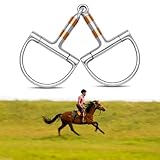
- Reliable Stainless Steel Copper Construction: crafted from reliable stainless steel, this snaffle bit integrates smooth copper rollers and inlays; This material combination encourages saliva production for a softer mouth contact; The selected metals are known for their compatibility, making this bit suitable for use with horses that have sensitive mouths during extended training sessions
- Considerate Ring Snaffle Design: the snaffle bit design offers consistent lateral control without applying excessive pressure, the Horse bits are suitable for horses with a mouth spacing of 5 inches; The fixed cheek design helps prevent pinching and supports clear communication between the rider's hands and the horse's mouth; This makes the Gentle Horse Bit a fitting option for introducing bit concepts to young or developing horses
- Copper Roller Salivation Aid: a central copper roller in this snaffle bit with Copper Roller encourages natural tongue movement and may support increased salivation; This design can help reduce resistance and promote a more relaxed mouth; The free-moving roller can also help maintain a horse's focus during various training activities
- Thoughtfully Shaped Mouthpiece: the jointed mouthpiece is shaped with a consistent diameter and polished to a smooth finish with rounded edges; This profile allows for pressure to be distributed across the tongue and bars; The chosen thickness aims to balance contact comfort with effective communication for the horse
- Adaptable for Foundational Training: this stainless steel ring snaffle bit is intended for foundational training, such as starting young horses or retraining; Its design is applicable for both Western and English riding disciplines; The materials are selected for their ability to maintain function and appearance with routine care
There is no source-supported universal “best bit.” The evidence discussed here also does not establish a population-level prevalence rate for bit-related pain in sport horses. For competition, check the current rules of the relevant governing body for your discipline and jurisdiction; the rules have not been verified here.
Do these 3 things before closing this tab:
1Fix the driver behind crashes, sound loss and screen glitches2Repair Windows errors before they cause bigger problems3Scan for outdated or missing drivers - takes under a minuteQuick Recap
Best Value

- NRS
- D-Ring Snaffle Bit
- Engraved 3in D-Rings
- Copper Inlay on Mouthpiece
- 175742
Product prices and availability are accurate as of the date/time indicated and are subject to change. Any price and availability information displayed on Amazon at the time of purchase will apply.




