PC Slower Than It Used to Be?
A free scan shows the junk files, broken settings and background clutter dragging Windows down - then fixes them in one click.Free scan · Windows 10 & 11Outdated Drivers Are Slowing You Down
One free scan finds every outdated or missing driver and matches the right update for your exact hardware.Free scan · exact hardware matchYes—some cats recover from kidney failure, especially when the problem is a sudden, treatable kidney injury. Chronic kidney disease (CKD) is different: it usually cannot be cured, but treatment can manage complications and support quality of life. A veterinarian needs to identify which condition is present and assess the cat’s clinical signs and test results over time to discuss an individual outlook.
If your cat may have been exposed to a toxin, is suddenly very ill, is repeatedly vomiting and markedly lethargic, or is producing little or no urine, contact a veterinarian or emergency clinic immediately. Do not wait to see whether the cat improves. Cornell’s Feline Health Center warns that even small lily exposures can cause life-threatening kidney failure in cats.
As an Amazon Associate I earn from qualifying purchases.
What “kidney failure” can mean in cats
“Kidney failure” is often used broadly, but a sudden kidney injury and long-term kidney disease have different causes and possible outcomes. A cat with chronic disease can also have a sudden worsening, so a decline does not automatically mean the chronic condition has become irreversible.
| Condition | What it means | What recovery may look like |
|---|---|---|
| Acute kidney injury (AKI) | Kidney function worsens suddenly. Possible causes and severity vary. | Some causes are reversible and some are not. Recovery may take days to months, according to the 2024 International Renal Interest Society (IRIS) consensus guideline. |
| Chronic kidney disease (CKD) | Persistent loss of kidney function over time. | There is no definitive cure; care aims to slow progression, manage complications, and maintain quality of life, according to Cornell’s Feline Health Center. |
| Acute-on-chronic disease | A cat with CKD has a new, sudden deterioration. | The new cause needs assessment. Some acute factors may be treatable, so the change should not automatically be assumed to be permanent CKD progression. |
IRIS cautions that an AKI grade alone cannot reliably tell whether an injury is reversible. The suspected cause, severity, other illnesses, urine output, changing test results, and available treatment all matter. The guideline also says that a lack of improvement in kidney-function measurements during the first days of treatment does not, by itself, mean recovery is impossible.
#1 Best Overall

- VET-FORMULATED URINARY SUPPORT – Created by Korean vet Dr. Eric DVM for kidney and urinary health in cats and dogs of all ages.
- REAL TUNA & POLLACK PUREE – High-protein, low-sodium formula with pumpkin, blueberry and Omega-3 for renal and urinary support.
- DAILY WELLNESS BOOST – Enriched with Coenzyme Q10, Cranberry, and Omega-3 to promote kidney cell health and energy metabolism.
- EASY TO FEED – Squeeze directly, serve over food, or freeze into a refreshing snack. Great for picky eaters and hydration support.
- CLEAN & GRAIN-FREE – No carrageenan, gums, or preservatives. Safe for sensitive digestion and long-term use.
Signs of kidney disease in cats
Early CKD may have no obvious signs. As kidney function declines, a cat may drink and urinate more, eat less, lose weight, become lethargic or less well groomed, or develop vomiting. These signs can have other causes, so they cannot confirm kidney disease at home.
- Changes in drinking or urination: increased thirst and larger or more frequent urination can occur with CKD.
- Changes in appetite, weight, or energy: reduced appetite, weight loss, and lethargy may develop as disease progresses.
- Possible complications: CKD can be associated with high blood pressure and anemia. Hypertension can affect vision or neurologic function; anemia may contribute to pale gums, poor appetite, and lethargy.
Sudden illness, possible toxin exposure, repeated vomiting with marked lethargy, or little to no urine calls for immediate veterinary contact rather than home monitoring.
Rank #2
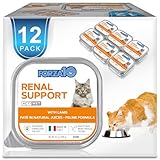
- TRUSTED ITALIAN NUTRITION: Pet food brand for dogs and cats, offering a wide range of recipes crafted with high-quality ingredients and veterinary expertise. Forza10 products are designed to support overall health and well-being, helping pets thrive at every stage of life.
- SUPPORTS HEALTHY KIDNEYS: Specially formulated pet food helps maintain kidney function and supports overall renal and cardiac health. Made with high-quality protein and essential nutrients to promote well-being while providing a taste pets enjoy.
- INGREDIENTS: Formulated with hydrolyzed protein and potato protein for controlled phosphorus and adapted protein content. Enriched with cranberries, dried dandelion, and dried clover extract to support kidney health. Free from GMOs, by-products, wheat, soy, artificial colors, or preservatives.
- WHAT'S INCLUDED: Each pack contains 12 cans of adult wet cat food, 3.5 oz each, in a savory lamb flavor that cats love. Perfect for daily feeding or to mix with dry food for a complete mealtime experience.
- EXPLORE MORE: Discover our full range of premium cat and dog food recipes, crafted with veterinary expertise and high-quality ingredients. Visit the Forza10 store to find the perfect meals to support your pet’s health and well-being
How a veterinarian diagnoses kidney problems
Diagnosis draws on the cat’s history and examination, hydration and clinical stability, blood and urine tests, and sometimes blood pressure measurement or imaging. No single result gives the whole picture.
Recommended Free Tools
- Blood tests: Cornell lists blood urea nitrogen (BUN), creatinine, and symmetric dimethylarginine (SDMA) among the measures used to assess kidney function. Electrolytes, phosphorus, and red blood cell count can help identify related problems.
- Urinalysis: urine concentration, protein, and cells can add context; a urine culture may be considered when indicated.
- Other assessment: blood pressure and imaging may help evaluate complications or investigate possible causes.
Hydration and muscle mass can affect how results are interpreted. Cornell recommends that CKD evaluation ideally use at least two blood and urine samples from a stable, well-hydrated cat, collected within two weeks. Cornell’s 2025 guidance describes creatinine as generally rising only when close to 75% of renal function has been lost, while SDMA may rise when about 40% has been lost; these are approximate descriptions, not independent diagnostic cutoffs for an individual cat.
Rank #3

- Purina ONE +Plus Urinary Tract Health cat food made with real chicken to help provide the protein she needs for strong muscles, including a healthy heart
- Urinary care cat food provides low magnesium and supports urinary tract health by reducing urinary pH
- Easily digestible SmartBlend of high-quality ingredients in Purina ONE urinary tract cat food includes four antioxidant sources for a strong immune system
- Deliciously crunchy cat food bites deliver great taste with no artificial flavors or colors
- Urinary health cat food crafted in Purina-owned, U.S. facilities
When CKD staging is useful
IRIS staging helps guide care and monitoring after CKD has been confirmed and the cat is stable. The 2026 International Cat Care consensus guidance says not to stage CKD during AKI or when creatinine or SDMA is changing rapidly—for example, with dehydration, urinary obstruction, or recent fluid therapy. A stage is not a stand-alone prediction of how long an individual cat will live.
What treatment and recovery can involve
Treating acute kidney injury
AKI treatment is directed at the suspected cause and the cat’s condition. It may involve hospital care, close monitoring, fluids, and other interventions; the appropriate plan depends on the individual case. Some cats may need specialty treatment. Cornell’s emergency and critical care service reports that it offers dialysis for dogs and cats, but that does not establish that dialysis is available or appropriate for every cat or at every clinic.
Rank #4
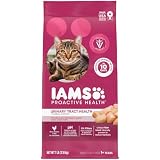
- Urinary Tract Health: IAMS Proactive Health Hairball & Urinary Tract Health dry cat food features clinically proven technology to promote urinary health in 10 days
- Cat Dry Food Reduces Hairballs: This cat food dry recipe includes a unique fiber blend clinically proven to reduce hairballs
- #1 Ingredient Is Real Chicken: IAMS Proactive Health Hairball & Urinary Tract Health cat food is made with real chicken as the #1 ingredient
- Quality Recipe: This recipe provides 100% complete and balanced nutrition for adult cats, delivering the nutrition they need
- Supports A Healthy Heart: IAMS Proactive Health Hairball & Urinary Tract Health dry cat food is crafted with essential nutrients including calcium and potassium to help nourish a healthy heart
The 2024 IRIS guideline says prognosis depends on whether the initiating cause is reversible, the injury’s severity, concurrent illness, and available treatment. Improvement can take days to months, and a slow start in the first few days does not settle the outcome.
Managing chronic kidney disease
CKD care is tailored to the cat and may address hydration, nutrition, electrolyte and waste-product changes, blood pressure, protein loss, anemia, appetite, and nausea. Cornell describes a veterinarian-directed therapeutic renal diet as an important, evidence-supported part of management. Some studies cited by Cornell found cats with CKD eating prescription renal diets lived two to three times longer than cats eating standard commercial food; this is a study finding, not a guaranteed result for an individual cat or proof of a particular brand’s effect. Cats may resist a diet change, so the veterinarian should help choose an appropriate food the cat will eat.
Best Value

- Hill's Prescription Diet k/d Kidney Care with Chicken Dry Cat Food is specially formulated by Hill’s nutritionists and veterinarians to help protect your cat's vital kidney function.
- This dry cat kibble has clinically proven nutrition to improve and lengthen quality of life
- Formulated with ActivBiome+ Kidney Defense, a proprietary blend of prebiotics shown to activate the gut microbiome to help protect kidney function
- Contains wholesome ingredients with more essential amino acids than daily requirements* supports your cat’s natural ability to build lean muscle (*compared to AAFCO minimum)
- Developed with Enhanced Appetite Trigger (E.A.T), which is clinically tested to stimulate appetite & increase food intake. Prescription Diet k/d Kidney Care with Chicken Dry Cat Food is made with chicken and has an irresistible taste that cats love.
Some cats need veterinary-administered fluids or other individualized support. Do not start a fluid plan, supplement, or treatment without veterinary guidance. Cornell notes that some cats prefer fountains and that multiple clean water sources may encourage drinking; these are optional household supports, not treatments that reverse kidney damage.
Independent reader supportYour contribution helps us test, update, and keep practical guides available for everyone.What published CKD survival figures can—and cannot—tell you
The figures below are population-level estimates described by Cornell’s Feline Health Center in its 2025 CKD guidance. They are not a prediction for a particular cat; stage, other health problems, treatment response, and quality of life all matter.
| Finding reported by Cornell | How to interpret it |
|---|---|
| For cats diagnosed with IRIS Stage 2 CKD, mean survival times are two to three years in many studies. | This is an average reported across studies, not a promised lifespan. |
| For cats diagnosed with IRIS Stage 4 CKD, average survival is less than six months in many studies. | This population average cannot determine an individual cat’s course. |
| CKD affects up to 40% of cats over age 10 and 80% of cats over age 15. | These are prevalence estimates reported by Cornell, not a diagnosis based on age. |
For AKI, the cited IRIS guidance does not establish a universal recovery rate. A veterinarian can give a more meaningful assessment by considering the likely cause, urine output, clinical stability, concurrent conditions, and how findings change with treatment.
Quick Recap
Questions to ask the veterinarian
- Does this look like AKI, CKD, or a sudden injury on top of CKD—and what evidence supports that?
- Is my cat stable and adequately hydrated for interpreting the test results or assigning a CKD stage?
- What do the blood and urine results show, and what changes should be monitored?
- What cause or complication is treatment addressing, and what signs should prompt urgent reassessment?
- How will we evaluate comfort, appetite, and quality of life as care continues?
Product prices and availability are accurate as of the date/time indicated and are subject to change. Any price and availability information displayed on Amazon at the time of purchase will apply.




