
Outdated Drivers Are Slowing You Down
One free scan finds every outdated or missing driver and matches the right update for your exact hardware.Free scan · exact hardware matchPC Slower Than It Used to Be?
A free scan shows the junk files, broken settings and background clutter dragging Windows down - then fixes them in one click.Free scan · Windows 10 & 11Some links on this page are affiliate links: if you buy through them we may earn a commission, at no extra cost to you.
Yes. Stress can lead a cat to overgroom, and repeated licking or pulling can break or remove fur. But a bald patch does not prove stress is the cause: itch, pain, parasites, allergies, infection, and other medical problems can also trigger grooming. A veterinarian should assess new or persistent hair loss before it is treated as behavioral.
How stress can lead to hair loss
Cats groom as part of normal behavior; Cornell Feline Health Center cites an estimate that cats spend 30% to 50% of their day grooming. That figure describes ordinary grooming time, not a threshold for excessive grooming or a measure of how often stress causes hair loss. When a cat repeatedly licks or pulls at the coat, however, fur can thin or disappear.
As an Amazon Associate I earn from qualifying purchases.
Veterinarians may call hair loss alopecia. When compulsive grooming is suspected as the behavioral cause, the term is psychogenic alopecia. It is a diagnosis of exclusion, not something that can be identified by appearance alone. VCA Animal Hospitals says the diagnosis is reserved for cases where no underlying medical problem is evident.
Other causes to consider before blaming stress
Many cats with hair loss have an underlying skin disorder or another medical issue. Merck Veterinary Manual describes alopecia as a sign that requires finding the cause; inflammatory problems are common. Potential causes include:
Popular on Amazon

- Complete Calming Solution: This cat calming diffuser kit includes diffusers and refills (48mL per bottle). Each refill delivers a 30-day supply of continuous support to help ease your cat’s anxiety. Ideal for addressing stress triggered by vet visits, traffic noise, fireworks, thunderstorms, or loneliness, this cat pheromone calming diffuser creates a safe and serene environment for felines of all ages and breeds
- Effective Stress & Behavior Support: Our cat pheromone diffuser works to reduce common signs of feline stress such as excessive scratching, urine spraying, hiding, and restlessness. By mimicking natural feline pheromones, this cat calming diffuser provides gentle, drug-free relief, making it a reliable choice for multi-cat households or cats experiencing tension during home changes or new pet introductions
- Long-Lasting & Wide Coverage: Each refill of the cat calming diffuser releases calming pheromones for up to 30 days, with coverage for areas up to 700 square feet. The diffuser features an automatic operation with a simple press of a button, and proper placement (vents facing up) ensures optimal performance and leak prevention, maximizing the effectiveness of your cat diffuser
- Safe & Non-Toxic Formula: The cat pheromone calming diffuser uses an odorless, non-toxic, and chemical-free formula that is safe for both humans and pets. Unlike harsh treatments, this cat calming diffuser does not cause drowsiness and poses no risk to your cat’s health, making it a trusted choice for daily use in any living space
- Easy to Use & Maintain: Setting up the cat calming diffuser is effortless—simply plug it into a standard outlet, keep the bottle upright, and press the button to activate. The heated diffuser and refill system operates quietly and continuously, requiring minimal maintenance; just replace the refill every 30 days to maintain consistent calming support for your feline friend
- Fleas and other parasites. Flea allergy can cause substantial itching even when fleas are not readily visible.
- Allergies, bacterial or fungal infections, and other skin inflammation.
- Pain. A cat may focus licking on the area that hurts.
- Nutritional deficiencies or hormonal imbalances, which can interfere with hair growth.
The location can offer clues but cannot diagnose the cause. Cornell notes that licking near the tail base may be associated with fleas, while allergies may prompt licking of the back or abdomen. Itch-related licking may be more widespread; pain-related licking may target one area. These patterns overlap. Hair loss on both sides of the body can also occur with medical disease, and symmetry does not establish a behavioral cause.
How a veterinarian works out the cause
The veterinarian will ask about the cat’s history and examine the skin and overall health. Tests depend on what the examination suggests; there is no single test panel that fits every cat. Merck lists possible investigations such as flea combing, skin scrapes, skin smears or cultures, and sometimes a skin biopsy. Blood or urine tests may be considered when a hormonal problem is suspected.
Free tools Windows power users keep installed
One-click scans. No signup required.
Also popular on Amazon
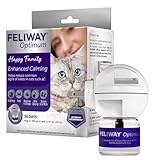
- HELPS REDUCE SIGNS OF STRESS USING A PATENTED PHEROMONE: FELIWAY Optimum is an advanced cat pheromone diffuser that helps reduce signs of stress in cats and helps ease tension between cats.*
- HELPS CATS FEEL CALM IN EVERYDAY SITUATIONS: FELIWAY Optimum is a cat calming diffuser that helps reduce stress‑related behaviors like urine spraying, scratching, hiding, and fearful reactions to change. Cat parents reported noticeable reductions in these behaviors, including a 77% reduction in urine spraying.
- SUPPORTS HARMONY IN MULTI‑CAT HOMES: Helps promote calmer interactions between cats. 72% of cat parents noticed reduced tension between their cats
- SAFE** AND NON-SEDATING: FELIWAY Optimum is not a sedative. It’s safe for use around cats, kittens, people and other pets.
- CONTINUOUS CALMING SUPPORT: This plug‑in cat pheromone diffuser provides 24/7 support when used as directed. To get started, plug into an open outlet with the vents pointed upward, allow at least 4 feet of clearance, and follow the label instructions.
For a suspected behavioral cause, the medical history, physical examination, and any indicated tests help rule out or address medical explanations first. Before the appointment, note when the hair loss began, where it is appearing, whether you have seen licking or scratching, and whether there are sores or redness. Record recent changes in household routines or membership as well. This gives the veterinarian useful context without assuming that a stressful event explains the symptoms.
What to do if stress is implicated
If medical causes have been assessed and stress is considered a contributor, environmental changes may help support the cat. Cornell and VCA recommend approaches such as:
Also popular on Amazon

- SPECIFICALLY DESIGNED FOR MULTI-CAT HOMES: FELIWAY MultiCat is a cat calming diffuser that helps reduce tension between cats, including conflict, fighting, chasing, and blocking, supporting a calm home for cats living together
- HELPS CATS GET ALONG BETTER: This cat pheromone diffuser promotes calm interactions and helps ease ongoing tension, supporting more peaceful relationships in multi-cat households
- HELPS REDUCE TENSION BETWEEN CATS: 84% of cat parents noticed improvement in tension and conflict between their cats when using FELIWAY MultiCat
- SAFE* AND NON-SEDATING: FELIWAY MultiCat is not a sedative. It is safe for use around cats, kittens, people and other pets.
- CONTINUOUS CALMING SUPPORT FOR SHARED SPACES: Plug-in cat pheromone diffuser provides 24/7 calming support. To get started, plug into an open outlet with vents pointed upward and allow 4+ ft of clearance, and follow the label instructions.
- Keep daily routines predictable and introduce household changes or new relationships gradually.
- Offer safe vertical space, such as a suitable perch, where the cat can retreat.
- Set aside a few minutes for interactive play each day and provide stimulating toys.
- When moving, bring familiar bedding to help preserve familiar scents.
These steps are supportive, not a guaranteed cure or a substitute for veterinary assessment. For a seriously stressed cat, a veterinarian may consider medication as part of an appropriate plan; do not medicate without veterinary guidance.
Independent reader supportYour contribution helps us test, update, and keep practical guides available for everyone.When to seek veterinary care
Arrange a veterinary evaluation for new bald patches, persistent overgrooming, redness, skin sores, or signs that your cat may be in pain. Hair may regrow once the underlying cause of excessive grooming is controlled, but whether it does and how quickly depend on the cause and recovery. No reliable timeline applies to every cat.
The Tool Desk
Outbyte Driver Updater FREEScan for outdated or missing drivers - takes under a minuteDriver Scan →Outbyte PC Repair FREEClear out junk files and repair common Windows errorsFree Scan →Quick Recap
Also popular on Amazon

- HELPS REDUCE CAT STRESS: FELIWAY Classic is a cat calming diffuser that helps individual cats feel calm and reduce stress behaviors like scratching, urine spraying, and hiding
- CREATES A CALMING HOME ENVIRONMENT: FELIWAY Classic uses calming pheromone messages that cats naturally understand to help them feel comfortable and safe during everyday changes in routine or environment. 9 out of 10 cat parents noticed reduced urine spraying and 8 out of 10 saw reduced scratching
- SAFE* AND NON-SEDATING: FELIWAY Classic is not a sedative. It’s safe for use around cats, kittens, people and other pets.
- CONTINUOUS CALMING SUPPORT FOR SHARED SPACES: Plug‑in cat pheromone diffuser provides 24/7 calming support. To get started, plug into an open outlet with vents pointed upward and allow 4+ ft of clearance, and follow the label instructions.
- #1 VET RECOMMENDED BRAND**: FELIWAY is the #1 vet recommended brand, and is backed by 30 years of feline stress expertise
Sources
- Merck Veterinary Manual: Hair Loss (Alopecia) in Cats, updated May 2025.
- Merck Veterinary Manual: Diagnosis of Behavioral Problems in Cats, updated June 2025; reviewed September 2024.
- Cornell Feline Health Center: Overgrooming.
- VCA Animal Hospitals: Compulsive Disorders in Cats.





Leave a Reply