
If your cat is losing hair on the back legs, arrange a veterinary examination rather than treating the bald area at home. Hair loss, or alopecia, is a sign—not a diagnosis. In cats, the patch is often caused by self-grooming triggered by fleas, allergies, infection, or pain, even when you never see the cat scratch. Flea allergy is common enough to check early, but a bald patch can have several causes and needs to be interpreted alongside your cat’s age, health, behavior, and skin appearance.
The short answer: what to do first
Document the patch, gently look for flea evidence if your cat tolerates it, and schedule a veterinary exam. Do not apply human creams, essential oils, random medicated products, or dog flea treatments. These can irritate the skin, cause poisoning, or make diagnosis more difficult.
As an Amazon Associate I earn from qualifying purchases.
Contact a veterinarian promptly if the area is spreading, repeatedly licked or bitten, red, scaly, crusted, wet, swollen, painful, or foul-smelling. Seek urgent care for severe pain, significant bleeding, pus, rapidly worsening wounds, marked lethargy, breathing trouble, repeated vomiting, collapse, inability to urinate, or tremors, incoordination, weakness, or seizures—especially after a flea or tick product.
Why cats lose hair on their back legs
“Back legs” may include the inner thighs, caudal thighs, groin, rump, lower back, or the area around a painful hip or knee. The location matters because cats can easily reach the inner thighs and nearby areas with their mouths. A cat may lick, chew, scratch, or break the hairs until the coat looks thin or completely bald.
#1 Best Overall
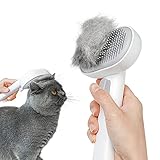
- 【Professional Cat Hair Brush】Perfect gift for pet owners, vets, and pet groomers. Using this cat brush for long haired cats on a regular basis can gently and effectively remove loose hair, tangles, knots, dander and trapped dirt. Suitable for short, medium or long, thick, thin or curly haired dogs/cats/rabbits, making your pets shiny and healthy.
- 【Skin-friendly Massage Needles】The mental pins on the cat brush with release button have round rubber tips on the ends. As a cat deshedding brush, it's perfect for shedding and massaging your pets without scratching your pet's skin, even the sensitive skin. After use, you can hang it with the silicone loop strap to protect the bent needle.
- 【Upgraded High Quality Material】The our long hair cat grooming brush made of durable 304 stainless steel and fine ABS material. Our wire bristles is 1.2 times as thick as bristles of other deshedding brush for cats. More sturdy and not easy to deform, can be used for a long time. 150° bent needles designed to penetrate deep into the coat are really easier to groom the undercoat well.
- 【One-click Cleaning Button】After brushing your pet, simply click the button. The shutter will pop out, separating the brushed hair from the metal needle, then wipe the hair off. The button of cat shedding brush on the handle saves time and energy when grooming and cleaning.
- 【SUPPORT · 365 Days】If the pet hair brush have any problems during use, we will provide you with replacement or 100% money back. And we have a professional customer service team and pet experts to provide you with the pre-sales and after-sales service. aumuca is always at your side.
A smooth patch does not necessarily mean the skin is healthy. Cats often groom away evidence of itching, so owners may see symmetrical thinning without witnessing scratching. A veterinarian will also distinguish true hair loss from broken hairs, barbered hairs caused by chewing, matting, or hair that has been removed by trauma.
Pattern clues—and what they do not prove
| What you notice | What it may suggest | Why it still needs caution |
|---|---|---|
| Thinning on both inner thighs, flanks, or lower belly | Self-induced hair loss from itching, commonly associated with allergy or parasites | Symmetry does not prove a hormonal disorder or rule out fleas |
| Tiny bumps or crusts scattered through the coat | Miliary dermatitis, often associated with hypersensitivity such as flea allergy | Other allergies, parasites, and infections can look similar |
| Scaling, broken hairs, or circular or irregular bald areas | Ringworm, also called dermatophytosis | Ringworm can be subtle and contagious to people and other animals |
| Red, wet, swollen, ulcerated, painful, or foul-smelling skin | Significant inflammation, trauma, abscess, or secondary infection | These signs warrant prompt evaluation rather than home grooming |
| Hair loss with stiffness, a changed gait, reluctance to jump, or reduced grooming | Arthritis, joint pain, lower-back pain, or another localized painful problem | A painful area should not automatically be labeled stress-related |
| Hair loss plus weight loss, appetite changes, lethargy, or unusual activity | A broader medical or systemic problem may be present | Hyperthyroidism and other systemic diseases usually cause more than one isolated bald patch |
These are triage clues, not home diagnoses. Season, indoor or outdoor access, parasite prevention, diet, medication history, age, weight, grooming behavior, and general health all change the interpretation.
Common causes of bald patches on a cat’s hind legs
1. Fleas and flea allergy dermatitis
Fleas are one of the first causes veterinarians consider when a cat is itchy or has small crusts. Flea allergy dermatitis can cause intense—or surprisingly subtle—itching, overgrooming, papules, crusts, and hair loss on the rump, tailhead, caudal thighs, groin, and nearby areas.
Not seeing a flea does not rule it out. An allergic cat may remove the evidence by grooming, and flea exposure can be intermittent. A flea comb and inspection for flea dirt may provide useful clues, but a negative combing result does not exclude flea allergy. If flea allergy is suspected or confirmed, control may need to include every cat and dog in the household as well as the environment, under veterinary guidance.
2. Food or environmental allergies
Allergies can make a cat lick or chew accessible areas such as the inner thighs, perineum, abdomen, flanks, sides, and proximal tail. Some cats develop miliary dermatitis, head-and-neck itching, or other eosinophilic skin lesions instead of an obvious rash at the bald spot.
Feline atopic skin disease is a diagnosis of exclusion. Fleas, other parasites, ringworm, bacterial or yeast infection, and pain should be assessed first. If food allergy is suspected, a veterinarian may prescribe a controlled elimination diet trial. It must be followed exactly: unapproved treats, flavored medications, table food, and casual food changes can invalidate the trial. Supplements or a quick switch to another retail food are not reliable diagnostic tests.
Rank #2

- Cat brushes for long haired cats and short haired cats
- Soft Tip Bristles:Cat comb with soft tip bristles, helping to break up tangles and mats effectively,Your pet will enjoy the gentle massaging
- Soft Gel Handle:Super soft handle with anti-skid curved silicone gel, keeps your hand comfortable while grooming
- Self-Cleaning Button:Simply push the release button, and all the fur will come off the bristles, no more digging in between bristles to get the hair out
- Premium Material:The cat grooming brush is made of resistant and durable material, free of toxins and chemicals, healthy and easy to use
3. Ringworm and other skin infections
Ringworm is a fungal infection, not a worm. It can cause fragile or broken hairs, scaling, crusting, and round or irregular patches of hair loss. In cats it may be mild or atypical, so the absence of a dramatic ring-shaped lesion does not exclude it.
The Tool Desk
Outbyte PC Repair FREEClear out junk files and repair common Windows errorsFree Scan →Outbyte Driver Updater FREEFix the driver behind crashes, sound loss and screen glitchesFind Drivers →Ringworm can spread to other animals and people. Suspicion is higher when there are scaly patches, broken hairs, claw changes, or similar skin lesions in household members or pets. A veterinarian may recommend fungal testing and will explain cleaning and household precautions if the diagnosis is confirmed.
Bacterial or yeast infection may be the original problem or may develop after scratching and chewing damage. Redness, swelling, pustules, odor, moist discharge, open wounds, or pain make prompt veterinary assessment particularly important.
4. Pain, arthritis, or a local painful problem
A cat may repeatedly lick a painful joint, muscle, lower back, pelvis, or wound. Older, overweight, or stiff cats may also struggle to groom the hind end normally. Look for reduced jumping, stiffness after rest, reluctance to climb or move, altered gait, hiding, irritability when touched, or a messy coat.
A bald area close to a painful joint should not automatically be called “stress grooming.” Pain can be the reason grooming is focused in one location, and treating the skin alone will not solve the underlying problem.
Free tools Windows power users keep installed
One-click scans. No signup required.
5. Stress-related overgrooming
Stress can contribute to excessive grooming and hair loss, particularly when the skin looks relatively normal. Changes such as a new pet, construction, a move, conflict between cats, schedule changes, or insufficient hiding places may play a role.
Rank #3

- 【Easy Desheding】: Swihauk self cleaning dog brush for long haired dogs with release bottom helps effortlessly reduce shedding. A must have dog brush for short haired dogs, cat brush for indoor cats, cat brush for shedding, slicker brush for dogs.
- 【Safe Design】: Soft and protective plastic round head bristles creating a comfortable feeling while deshedding without hurting your pet. Ideal puppy brush for small dogs, dog brush for shedding and grooming.
- 【Sturdy & Durable】: Premium stainless steel metal and compact design make our product sturdy and durable for long term use.
- 【Ergonomic Design】: Press bottom for easy cleaning, high-quality & lightweight TPR handle make your grooming effortlessly.
- 【Effective to Remove Loose Fur】: Swihauk pet grooming brush is effective to remove loose fur, suitable for dogs, cat with long and short hair, perfect for your lovely pet like puppies, golden retriever, rabbit, kitten, bunny, yokie and more.
However, psychogenic or stress-related overgrooming is a diagnosis reached after medical causes have been investigated. Fleas, allergy, infection, and pain can all look like a behavioral problem. Start environmental changes—predictable routines, safe resting areas, hiding places, and appropriately separated resources—but do not stop the medical workup just because your cat seems anxious.
6. Hormonal or systemic disease
Hormonal disease is a less common explanation for one isolated bald patch on a hind leg. Some systemic illnesses can alter the coat or cause more symmetrical hair loss, but they usually produce other signs as well.
Hyperthyroidism is common in mature and senior cats and more typically causes signs such as weight loss despite normal or increased appetite, increased activity, or other whole-body changes rather than one localized bald area. Hypothyroidism is rare in cats and is more often associated with treatment-related disease; advanced cases may include lethargy, hair loss, low body temperature, and poor appetite. Blood and urine testing may be appropriate when the history or examination suggests a systemic problem.
Do these 3 things before closing this tab:
1Clear out junk files and repair common Windows errors2Scan for outdated or missing drivers - takes under a minute3Repair Windows errors before they cause bigger problemsWhat you can safely do before the appointment
- Take photographs. Photograph the area in good light and include a wider view showing its location. Record when you first noticed it and whether it is expanding.
- Observe the grooming. Note licking, biting, scratching, chewing, or rubbing. Cats may groom when nobody is watching, so not seeing the behavior does not rule it out.
- Check gently for flea evidence. If your cat is comfortable, use a cat flea comb over a light-colored surface and inspect the coat for fleas or dark debris. Stop if your cat becomes distressed. A negative result does not rule out flea allergy, and the comb does not treat the underlying cause.
- Record other health changes. Note appetite, thirst, weight, litter-box habits, activity, jumping, gait, sleep, and whether your cat is grooming normally.
- Protect the skin without irritating it. Do not shave the patch, pull mats, scrub crusts, or apply household remedies. If your cat is injuring the area, ask the veterinarian whether temporary protection such as a properly fitted collar is appropriate.
- Bring product packaging. If you recently applied a flea, tick, or other parasite product, keep the package and write down the product, dose, date, and route of administration.
Do not use dog flea or tick products on a cat. Products must match the animal species and weight; some dog products contain pesticides that are much more dangerous to cats. Never combine parasite products or repeat a dose because you are worried it did not work without veterinary advice. Flea products can cause adverse effects, and regulators have warned about possible neurologic adverse events associated with products in the isoxazoline class.
Should you brush a cat with a bald patch?
Gentle grooming is reasonable only when the skin is intact and your cat is comfortable. A gentle cat grooming brush can help with routine coat inspection after painful, inflamed, infected, or heavily matted skin has been ruled out, but brushing will not treat alopecia.
Do not brush over raw, wet, swollen, crusted, or painful skin. Do not cut close to the skin or pull out mats; both actions can cause injury. Severe matting is best handled by a veterinary professional or an experienced groomer following veterinary advice.
Rank #4

- WORLD’S #1 CAT HAIR BRUSH: Our cat grooming brush / cat shedding brush is the world's best patented pet grooming brush for cats, small dogs, and rabbits. It is the perfect cat deshedding brush, short hair cat brush, & cat brush for long haired cats.
- EASY AND FAST CLEANUP: SleekEZ Deshedding Grooming Tool is great for removing hair and fur from carpets, pet bedding, cat trees, and more! Our cat comb for shedding is also an amazing pet hair remover and cat fur remover / cat hair remover brush.
- ALL HAIR & FUR TYPES: It is the perfect cat comb for long haired cats and cat brush for short haired cats. SleekEZ works as a deshedding brush for cats, cat deshedding tool, undercoat brush for cats, cat fur brush, cat deshedder, & small dog brush.
- PAINLESS AND ENJOYABLE: SleekEZ serves as a versatile kitten brush, puppy brush for small dogs, & bunny brush / rabbit brush. It's the best pet hair brush on the market and is an absolute essential for cat shedding control!
- GREAT GIFT: SleekEZ makes the industry's leading cat combs for indoor cats & shedding brush cat hair. It is a must have for any cat grooming kit, cat essentials for indoor cats, & cat supplies. Also an amazing cat dander remover & cat undercoat brush
How a veterinarian diagnoses the cause
The appointment usually begins with questions about timing, season, parasite prevention, indoor or outdoor access, food and treats, medications, household changes, and grooming behavior. The veterinarian will examine the whole coat and skin—not just the bald spot—and assess body condition, mobility, pain, and general health.
Quick wins for a faster PC:
Fix the driver behind crashes, sound loss and screen glitchesFind Drivers →Repair Windows errors before they cause bigger problemsFix Now →Depending on the findings, the workup may include:
- Flea combing and examination for flea dirt;
- Skin scrapings or other parasite testing;
- Hair examination to look for broken hairs or fungal changes;
- Skin cytology or culture when bacterial or yeast infection is suspected;
- Fungal testing for ringworm;
- Blood and urine tests when systemic disease, medication effects, or another internal problem is possible;
- A carefully controlled prescription diet trial for suspected food allergy; or
- A skin biopsy when the pattern or test results require more definitive investigation.
Because several conditions can look alike, a photograph or a trial of one random treatment rarely provides a dependable answer. The veterinarian may need to treat or exclude parasites and infection before evaluating allergy or stress-related grooming.
Independent reader supportYour contribution helps us test, update, and keep practical guides available for everyone.What treatment may involve
There is no universal cream or supplement for a bald hind leg. Treatment depends on the cause:
- Flea allergy: veterinarian-directed parasite control for the affected cat and, when appropriate, other household animals and the environment. Follow the exact species, age, weight, health, and dosing instructions.
- Ringworm: antifungal treatment and household hygiene measures. Follow the veterinary plan because treatment and environmental cleaning may need to continue beyond the point when the patch looks better.
- Bacterial or yeast infection: treatment selected for the confirmed infection, sometimes alongside management of the allergy, parasite, or trauma that started the cycle.
- Food allergy: a properly managed elimination diet or other dietary plan. Unapproved treats and supplements can interfere with the assessment.
- Environmental allergy or severe itch: veterinary-selected anti-itch or anti-inflammatory treatment after infections and parasites have been considered.
- Pain or arthritis: pain control, weight and mobility support, home modifications, or other treatment appropriate for the diagnosed condition.
- Stress-related overgrooming: reduction of environmental stressors and behavioral support only after medical causes have been addressed.
If your veterinarian identifies flea allergy, follow the plan for cat-safe flea prevention recommended by your veterinarian rather than selecting a product solely by price, packaging, or a claim that it works for dogs and cats. Sick, elderly, pregnant, nursing, neurologically vulnerable, or medicated cats may need especially careful product selection.
When hair should grow back
Hair may regrow once the cat stops licking or chewing and the underlying trigger is controlled, but the timeline varies. Continued baldness does not necessarily mean the treatment has failed: the skin may need time to recover, or the cat may still be grooming when no one is watching.
PC Slower Than It Used to Be?
A free scan shows the junk files, broken settings and background clutter dragging Windows down - then fixes them in one click.Free scan · Windows 10 & 11Crashes, No Sound, or Screen Glitches?
Random freezes, missing sound and display glitches usually trace back to one bad driver. Find and replace yours safely.Free scan · under a minuteRecurrent or spreading hair loss suggests that the trigger has not been identified or controlled. Contact the veterinarian again if the patch worsens, new areas appear, skin lesions develop, or grooming continues despite treatment. Do not repeatedly change products or diets without guidance; doing so can delay diagnosis and create additional skin irritation.
Best Value

- REMOVES LOOSE FUR & UNDERCOAT: The 5-inch EquiGroomer deshedding brush gently pulls loose hair and undercoat from cats and dogs without cutting healthy fur.
- PERFECT SIZE FOR CATS & SMALL DOGS: The compact 5-inch blade fits smaller pets and tight spots - face, legs and paws - for easy, precise grooming.
- WORKS ON SHORT & LONG HAIR: Rounded stainless-steel teeth glide through any coat, reducing shedding while keeping your pet calm and comfortable.
- LESS SHEDDING, LESS MESS: Regular use dramatically cuts loose hair on furniture, floors and clothes and leaves a softer, shinier coat.
- COMFORT-GRIP HANDLE: A lightweight, ergonomic handle gives you full control for quick, stress-free grooming sessions.
When to schedule care—and when it is an emergency
Schedule a veterinary exam soon for any true bald patch, excessive hair loss, repeated licking or biting, persistent scratching, redness, scaling, crusting, or unexplained recurrence. A prompt appointment is especially important for kittens, senior cats, cats with other illnesses, and cats living with people or animals who have suspicious skin lesions.
Seek urgent veterinary care for severe pain, rapidly spreading swelling or wounds, heavy bleeding, pus, marked lethargy, breathing difficulty, repeated vomiting, collapse, inability to urinate, or neurologic signs such as tremors, weakness, stumbling, or seizures. If these signs follow a flea or tick product, stop adding treatments, contact a veterinarian immediately, and bring the product packaging.
Common mistakes to avoid
- Assuming that no visible fleas means flea allergy is impossible.
- Assuming symmetrical hair loss is hormonal or that a smooth skin surface means the problem is psychological.
- Calling the problem stress before fleas, infection, allergies, parasites, and pain have been investigated.
- Using human ointments, essential oils, household disinfectants, or leftover prescription medication.
- Applying a dog flea product to a cat or combining multiple parasite products.
- Starting a food trial while continuing treats, flavored medications, or other foods.
- Shaving, scrubbing, or brushing raw, painful, infected, or severely matted skin.
The safest solution is not to put something on the bald spot. It is to identify whether the cat is itchy, painful, infected, parasitized, allergic, or affected by a broader illness, then treat that cause specifically.
Frequently Asked Questions
Can a cat have flea allergy if I cannot find any fleas?
Yes. Cats may groom away fleas and flea dirt, and exposure can be intermittent. A gentle flea-comb check can provide clues, but a negative result does not rule out flea allergy. Veterinary assessment and an appropriate parasite-control plan are still important.
Is hair loss on a cat’s back legs caused by stress?
Stress can contribute to overgrooming, but it should be considered only after medical causes such as fleas, allergies, infection, parasites, and pain have been investigated. A cat may appear calm while still having an itchy or painful condition.
Can I put human cream or a dog flea treatment on the bald area?
No. Human products may irritate the skin or be unsafe if licked, and dog flea products can contain pesticides that are toxic to cats. Use only products specifically appropriate for your cat’s species, weight, age, and health, with veterinary guidance.
Will my cat’s hair grow back?
Often, hair can regrow after the underlying trigger and self-trauma are controlled, but recovery varies. Persistent licking, new bald areas, worsening skin changes, or recurrence means the diagnosis or treatment plan needs veterinary review.
Recommended Free Tools
The Bottom Line
A bald patch on a cat’s back leg is a reason to investigate, not a condition to cover up. Check gently for flea evidence, avoid unsafe products, record changes in the skin and your cat’s behavior, and schedule a veterinary exam. Early diagnosis is especially important when the skin is inflamed, painful, infected-looking, spreading, or associated with other illness.
Quick Recap
Product prices and availability are accurate as of the date/time indicated and are subject to change. Any price and availability information displayed on Amazon at the time of purchase will apply.





Leave a Reply