Cat “whimpering” or “whining” describes a sound, not a diagnosis. A familiar vocalization may have an ordinary explanation, but a new sound or sudden increase can also accompany pain, illness, or distress. Check the context and your cat’s overall behavior; seek urgent care for distress-associated vocalizing, open-mouth panting while vocalizing, or a male cat straining to urinate.
What cat whimpering or whining can—and cannot—tell you
Owners may call a sound a whimper or whine, while veterinary sources more often describe cats as meowing, yowling, growling, hissing, or vocalizing. The label alone cannot identify why it is happening. Cats vocalize to communicate, and the same sound may occur in different situations; what matters is whether it is familiar, what happens around it, and whether other behavior has changed.
As an Amazon Associate I earn from qualifying purchases.
A new or suddenly more frequent sound deserves attention rather than an assumption that your cat is simply seeking attention. Pain is one possibility: unusual vocalization, particularly when a cat is touched or lifted, can be pain-associated. Cats also may mask pain, so crying is not required for something to be wrong. AAHA’s overview of common pain signs and VCA’s guide to recognizing pain in cats describe vocal and behavioral changes that can warrant veterinary attention.
The Tool Desk
Outbyte PC Repair FREERepair Windows errors before they cause bigger problemsFix Now →Outbyte Driver Updater FREEFix the driver behind crashes, sound loss and screen glitchesFind Drivers →What to look for alongside the sound
Consider the whole cat, not just the noise. The 2022 AAHA/AAFP pain guidelines include abnormal vocalization among possible pain-associated signs, along with changes in posture or facial expression, restlessness, hiding, altered interaction, and shifts in normal behavior. A change in appetite, movement, activity, urination, weight, or attitude can add important context. The AAHA/AAFP guidelines emphasize that pain signs can involve more than one aspect of behavior.
#1 Best Overall
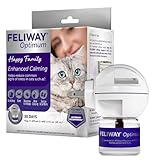
- HELPS REDUCE SIGNS OF STRESS USING A PATENTED PHEROMONE: FELIWAY Optimum is an advanced cat pheromone diffuser that helps reduce signs of stress in cats and helps ease tension between cats.*
- HELPS CATS FEEL CALM IN EVERYDAY SITUATIONS: FELIWAY Optimum is a cat calming diffuser that helps reduce stress‑related behaviors like urine spraying, scratching, hiding, and fearful reactions to change. Cat parents reported noticeable reductions in these behaviors, including a 77% reduction in urine spraying.
- SUPPORTS HARMONY IN MULTI‑CAT HOMES: Helps promote calmer interactions between cats. 72% of cat parents noticed reduced tension between their cats
- SAFE** AND NON-SEDATING: FELIWAY Optimum is not a sedative. It’s safe for use around cats, kittens, people and other pets.
- CONTINUOUS CALMING SUPPORT: This plug‑in cat pheromone diffuser provides 24/7 support when used as directed. To get started, plug into an open outlet with the vents pointed upward, allow at least 4 feet of clearance, and follow the label instructions.
- Does the sound happen when your cat moves, is touched, or is lifted?
- Is your cat hiding, restless, less interactive, or holding an unusual posture?
- Have eating, drinking, movement, activity, or litter-box habits changed?
- Is this a new sound, or has a familiar sound become more frequent or intense?
Age may be relevant without settling the question. The ASPCA notes that an older cat with cognitive dysfunction may meow when disoriented, but age alone cannot establish that as the cause. Pain, stress, illness, and ordinary needs remain considerations. The ASPCA’s meowing and yowling guidance discusses this age-related possibility.
When to seek veterinary care
Emergency: go now
- Seek emergency veterinary care if your cat appears to be vocalizing from distress or pain.
- Open-mouth panting while vocalizing also warrants emergency care.
- A male cat that is meowing and straining to urinate needs immediate veterinary assessment; this can signal a life-threatening urinary blockage. Do not wait to see whether the sound stops.
These urgent signs are described in PetMD’s guide to excessive meowing.
Rank #2

- Help Your Cat Feel Safe Again: Create a calmer, more comfortable home with advanced calming pheromone technology that helps reduce common signs of stress including hiding, scratching, urine spraying, conflicts between cats, and nervous behavior. Ideal for everyday emotional support
- Continuous 120-Days Comfort: Each refill delivers calming support for up to 30 days when used continuously, package include: 2 diffusers, 4 refills. Designed to cover rooms up to approximately 750 sq ft, making it perfect for bedrooms, living rooms, and multi-cat households
- Supports Positive Everyday Behavior: Whether introducing a new pet, moving into a new home, welcoming visitors, or dealing with loud noises such as fireworks or thunderstorms, the diffuser helps cats feel more secure and adapt to changes more comfortably
- Easy Plug-In, No Daily Effort: Simply plug the diffuser into an open wall outlet and let it work around the clock. No sprays, no pills, no complicated routines—continuous calming support with minimal maintenance
- Trusted Care for Cats of Every Age: Suitable for kittens, adult cats, senior cats, and multi-cat families. Designed to support a peaceful home environment while helping strengthen the bond between cats and their owners
Contact your veterinarian promptly
Arrange prompt veterinary advice for a sudden increase or change in vocalization, an unexplained new sound, or vocalizing alongside changes in appetite, weight, attitude, urination, movement, posture, or activity. Cats may hide pain, and a behavior change can be more informative than the sound itself. Do not wait for a cat to cry clearly before seeking help.
Familiar sound, otherwise well
If the sound is familiar and your cat otherwise seems well, check whether an ordinary need or situation fits: food, clean water, a clean litter area, attention, exercise, play, or a changed routine. If no clear context explains it or the sound persists, contact your veterinarian instead of treating it as harmless by default.
Rank #3

- HELPS REDUCE COMMON SIGNS OF TENSION BETWEEN CATS: FELIWAY MultiCat, developed by the #1 vet recommended brand, helps reduce common signs of tension between cats such as: conflict, fighting, chasing, and blocking
- ENHANCED CALM AT HOME FOR MULTICAT HOUSEHOLDS: FELIWAY MultiCat plug-in diffuser uses the science of pheromones to send calming messages that mimic a mother cat’s natural pheromones to help reduce tensions & conflicts. 84% of cat owners saw significant improvement in conflict between cats when using FELIWAY MultiCat
- DRUG FREE & SAFE TO USE: FELIWAY diffusers are drug-free, non-sedating, and while cat pheromone analogs may help your cat, they won't affect humans or other pets
- PROVIDES 4 WEEKS OF CALMING SUPPORT: With just one refill, the diffuser offers up to 30 days of continuous calming benefits, helping your cat feel calmer
- COVERS LARGE LIVING SPACES: Each diffuser covers an area up to 700sqft, ensuring widespread calming support throughout your home for cats of all ages. To get started, simply plug your diffuser into an open outlet with 4+ feet of space to diffuse, with the vents pointed upward
What you can safely do at home
- Observe the pattern. Note when the sound starts, what happens just before and after it, and whether it occurs during touch or movement. Keep track of appetite, drinking, litter-box use, posture, movement, and interaction.
- Check basic needs. Make sure food and water are available, the litter pan is clean, and your cat has an opportunity for attention, exercise, and play. These checks do not replace veterinary assessment when the sound is new, unexplained, persistent, or paired with symptoms. PetMD’s guidance on meowing includes checking basic needs.
- Record a short video. If it is safe to do so, capture the sound and what your cat is doing. AAHA recommends bringing short videos or pictures of behavior at home to a veterinary visit; they can help show what is difficult to describe. AAHA’s guide to pain signs in cats explains why a recording can help.
- Do not punish the change. Punishment will not identify or address a possible medical cause. AAHA advises arranging an appointment rather than punishing a behavior or personality change that may reflect pain. AAHA’s pain-sign guidance covers this point.
- Do not give human pain medicine unless a veterinarian specifically directs you. The sources cited here do not support a home medication regimen for this problem.
- Arrange transport if an exam is needed. A cat carrier can help you take your cat to the clinic; it is transport equipment, not treatment for the vocalization.
Why pain can be easy to miss
Some cats show discomfort through small changes in normal behavior rather than an obvious cry. They may hide, become restless, interact differently, change posture, or react when approached. A rise in vocalization can be one clue among several, but it cannot identify a particular condition by itself.
AAHA reported in 2026 that studies estimate 60% of cats aged 6 years and older have degenerative joint disease. That figure is context for why age-related pain is worth considering; it does not mean that a particular sound indicates arthritis. AAHA’s discussion of pain signs in cats also recommends documenting what you observe. As Liz Devitt, DVM, wrote for AAHA on February 27, 2026: “If the answer is even a ‘maybe,’ then it’s time to reach for a pain scale, or your cell phone to record a video for your vet.”
Quick Recap
Product prices and availability are accurate as of the date/time indicated and are subject to change. Any price and availability information displayed on Amazon at the time of purchase will apply.




