
The Tool Desk
Outbyte PC Repair FREERepair Windows errors before they cause bigger problemsFix Now →Outbyte Driver Updater FREEFix the driver behind crashes, sound loss and screen glitchesFind Drivers →Colitis in cats is inflammation of the colon and commonly causes frequent, urgent, small-volume stools, straining, mucus, and fresh red blood. It is not one specific disease: parasites, infections, food reactions, inflammatory bowel disease, rectal problems, cancer, and systemic illness can produce similar signs. A veterinarian should evaluate persistent, recurrent, severe, or unexplained diarrhea.
Seek urgent care for bloody diarrhea with weakness, repeated vomiting, pain, dehydration, pale gums, collapse, severe lethargy, or refusal to eat. If your cat is repeatedly straining and producing little or no urine, treat that as a possible urinary obstruction and seek emergency help immediately.
As an Amazon Associate I earn from qualifying purchases.
What colitis looks like in a cat
Colitis is inflammation of the colon, or large intestine. It is a description of where inflammation is occurring, not the name of one single disease. The colon absorbs water and electrolytes, stores feces, and supports a complex microbial ecosystem. When it becomes inflamed, changes in water absorption and intestinal movement commonly produce frequent, urgent, small-volume bowel movements.
#1 Best Overall

- EXCELLENT SOURCE OF FIBER: Soluble fiber from foods such as psyllium seed husks, as part of a diet low in saturated fat and cholesterol, may reduce the risk of heart disease
- DIRECTIONS: Vigorously mix 1 level tablespoon daily into at least 12 oz. of water or juice and consume immediately
- 6 GRAMS OF SOLUBLE FIBER: A serving of psyllium husk powder supplies 6 grams of the 7 grams soluble fiber necessary per day
- GMP Quality Assured: NPA A-rated GMP certification means that every aspect of the NOW manufacturing process has been examined, including our laboratory/testing methods (for stability, potency, and product formulation)
- Packaged in the USA by a family owned and operated company since 1968
The typical pattern is frequent defecation, urgency, straining, mucus, and sometimes fresh red blood coating the stool. Defecation may appear painful. These signs suggest large-bowel involvement, but they do not prove that a cat has isolated colitis. Parasites, rectal disease, cancer, mixed small- and large-intestinal disease, and systemic illness can look similar.
Acute colitis is generally short-term. Chronic colitis persists for at least three weeks and may wax and wane, with periods when the stool appears normal between flare-ups. Persistent, recurrent, severe, or unexplained diarrhea should be evaluated by a veterinarian instead of being diagnosed from litter-box signs alone.
Colitis or urinary blockage? Check the litter box carefully
A cat that repeatedly enters the litter box, crouches, and strains may be trying to defecate—or may be unable to urinate. Owners cannot always distinguish the two by posture alone.
Quick wins for a faster PC:
Repair Windows errors before they cause bigger problemsFix Now →Scan for outdated or missing drivers - takes under a minuteDriver Scan →Clear out junk files and repair common Windows errorsFree Scan →- Emergency signs: little or no urine, increasing distress, obvious pain, vomiting, weakness, or collapse.
- What to do: contact a veterinarian or emergency hospital immediately. Do not wait to see whether a fiber product or home treatment works.
- Transport: keep the cat quiet and warm unless heatstroke is suspected, place it in a secure carrier, and follow the veterinary team’s instructions.
Signs of colitis in cats
Large-bowel diarrhea often has a different pattern from diarrhea caused mainly by the small intestine:
| Sign | What owners may notice |
|---|---|
| Frequent bowel movements | The cat visits the litter box repeatedly, often passing only a small amount each time. |
| Urgency | The cat may rush to the litter box or have difficulty waiting. |
| Straining or tenesmus | The cat remains in a defecation posture and strains before, during, or after passing stool. |
| Mucus | A clear, white, or yellowish coating or jelly-like material may appear on the stool. |
| Fresh red blood | Bright red streaks or spots can occur when the lower bowel or rectum is inflamed. Blood should not be dismissed as harmless simply because it is fresh. |
| Discomfort | The cat may act tense or uncomfortable while defecating. |
Vomiting and weight loss are less typical when inflammation is confined to the colon. They become more likely when the small intestine or another organ is also affected, or when the cat has a more serious underlying illness. Poor appetite, lethargy, or dehydration are additional reasons to contact a veterinarian promptly.
Possible causes of colitis
There is no single cause. A veterinarian may consider:
- Intestinal parasites, including parasites that are not detected on every fecal examination.
- Bacterial or other infectious disease.
- Dietary reactions or food sensitivity.
- Allergic or immune-mediated inflammation.
- Previous gastrointestinal infection that preceded ongoing or recurrent signs.
- Trauma or irritation involving the gastrointestinal tract.
- Kidney-related disease and other systemic illnesses that affect appetite, hydration, or bowel function.
- Inflammatory bowel disease, which can involve the colon and may be classified by the dominant inflammatory cell type, such as lymphocytic-plasmacytic, eosinophilic, neutrophilic, or granulomatous inflammation. Granulomatous colitis is rare in cats.
In many cats, the initiating cause is never identified. That does not mean the signs should be ignored; it means treatment may need to focus on controlling inflammation, managing diet, monitoring recurrence, and ruling out more dangerous alternatives.
Crashes, No Sound, or Screen Glitches?
Random freezes, missing sound and display glitches usually trace back to one bad driver. Find and replace yours safely.Free scan · under a minuteWindows Errors? Fix Them Before They Spread
Repair common Windows errors and clear accumulated junk for a smoother, more stable PC - no reinstall needed.Free scan · no reinstallRank #2
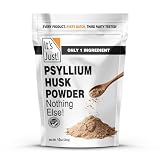
- NATURAL DIGESTION & REGULARITY: Experience gentle, dependable relief from occasional constipation and uncomfortable bloating. This premium, bulk-forming dietary fiber naturally sweeps your digestive tract, promoting excellent daily colon function and routine comfort.
- GLP-1 COMPANION DIET FRIENDLY: When food intake decreases or digestive pacing shifts during medical weight loss, adequate fiber intake is essential. This zero-calorie supplement helps you easily reach daily fiber goals, maintaining smooth motility without forcing complex meals.
- PREMIUM KETO BAKING BINDER: The ultimate secret ingredient for low-carb, grain-free baking. This finely ground powder absorbs liquids beautifully to mimic the elasticity, chew, and traditional rise of real bread, working flawlessly alongside xanthan gum.
- 100% PURE & SINGLE INGREDIENT: Keep your supplement regimen entirely honest and clean. Formulated with absolutely zero added sugars, artificial sweeteners, binders, or fillers, offering a stomach-gentle prebiotic fiber that is entirely gluten-free and vegan.
- BATCH TESTED FOR ACCURACY: Shop with total peace of mind. Sourced from premium psyllium crops and packaged within a strict, GMP-compliant facility in the USA, every single small batch undergoes rigorous third-party testing with results available transparently online.
When diarrhea needs urgent veterinary attention
Contact a veterinarian promptly for bloody diarrhea, especially if it is accompanied by any of the following:
- weakness, collapse, or severe lethargy;
- repeated vomiting;
- marked abdominal or rectal pain;
- dehydration;
- pale gums;
- refusal to eat;
- rapid worsening; or
- signs in a kitten, senior cat, or cat with chronic disease.
Do not delay care while trying several home remedies. Cats can become seriously ill from dehydration, anorexia, obstruction, urinary obstruction, infection, cancer, or systemic disease that initially resembles colitis.
How a veterinarian diagnoses colitis
Diagnosis starts with the pattern of illness rather than with a single symptom. The veterinarian will usually take a detailed history and perform a physical examination. An abdominal examination and, when appropriate, a rectal assessment can help identify pain, thickening, masses, or another problem.
Information that helps the appointment
Be prepared to describe:
- when the diarrhea began and whether it is continuous or recurrent;
- how often the cat defecates and whether each stool is small or normal in volume;
- whether there is mucus, fresh blood, or black stool;
- appetite, vomiting, thirst, energy, and weight change;
- every food, treat, supplement, and flavored medication the cat receives;
- access to raw food, garbage, plants, foreign material, or toxins;
- recent medications, antibiotics, travel, household changes, or stressful events;
- parasite-prevention history; and
- contact with other animals.
Tests that may be recommended
- Fecal evaluation. Testing may look for parasites and other abnormalities. A single negative fecal test does not always exclude parasites because some parasites shed eggs intermittently. When the clinical picture supports it, the veterinarian may recommend therapeutic deworming despite a negative result. Do not choose or dose a dewormer independently.
- Blood and urine tests. These can help assess hydration, organ function, inflammation, and illnesses outside the intestine. Urine testing is especially important when litter-box straining could actually be a urinary problem.
- Imaging. Abdominal radiographs or ultrasonography may be used when obstruction, a mass, thickened bowel, foreign material, or disease involving other organs is a concern.
- A controlled diet trial. A veterinarian may use a highly digestible, novel-protein, hydrolyzed-protein, or fiber-responsive diet to investigate food-responsive disease or help manage symptoms.
- Endoscopy and biopsy. These may be needed when signs persist, inflammatory bowel disease is suspected, or cancer and other structural disorders must be distinguished. Tissue biopsy is particularly important when a definitive diagnosis of inflammatory bowel disease is required.
Treatment for colitis in cats
Treatment depends on the cause, the severity of illness, whether the small intestine or another organ is involved, and what testing shows. A cat with dehydration or generalized illness may need fluid therapy and more intensive support.
Treat the identified cause
- Parasites require an appropriate antiparasitic treatment selected and dosed by a veterinarian.
- A confirmed infection may require targeted treatment, but diarrhea alone does not automatically justify an antimicrobial.
- A suspected dietary trigger is managed by removing the trigger through a properly controlled diet plan.
- Concurrent kidney disease, systemic illness, obstruction, cancer, or another gastrointestinal disorder needs its own treatment.
Dietary management
Diet is a major part of treatment after infectious and other important causes have been considered. Depending on the case, the veterinarian may recommend a highly digestible diet, a novel-protein or hydrolyzed-protein elimination diet, or a veterinary diet designed for gastrointestinal or fiber-responsive disease.
A true elimination trial must be fed exclusively for the prescribed period. VCA describes eight to twelve weeks as the usual duration for a valid food trial. That generally means no unapproved treats, table food, flavored supplements, or diet changes that could make the result impossible to interpret. Ask the veterinary team exactly what is allowed before beginning the trial.
Veterinary gastrointestinal diets are not interchangeable with ordinary over-the-counter foods labeled sensitive stomach. For selected cats, the veterinarian may choose a feline gastrointestinal fiber-response diet or another therapeutic formulation. If food sensitivity is suspected, the plan may instead use a hydrolyzed-protein feline gastrointestinal diet. These are categories to discuss with the veterinarian, not universal recommendations or guaranteed cures.
Rank #3

- ORGANIC PSYLLIUM HUSK POWDER FOR BAKING BREAD: Kate Naturals Organic Psyllium Husk Powder is certified USDA organic, gluten-free and keto-friendly. Our natural psyllium powder is pure and free from addititives and preservatives. Kate Naturals psyllium husk for baking is an excellent choice for those seeking an organic fiber powder.
- AN EXCELLENT SOURCE OF FIBER: Each teaspoon of psyllium husk powder organic has 4g of dietary fiber, 14% of recommended daily fiber intake. Our organic psyllium powder is a versatile ingredient that can be used to bake low carb bread for keto and for cooking. Ideal for those needing a gluten free keto fiber powder.
- VERSATILE PSYLLIUM FIBER POWDER: Psyllium powder is a naturally dense source of dietary fiber, ideal for baking recipes, smoothies, and other low-carb, keto-friendly dishes.
- VEGAN, KETO-FRIENDLY, GLUTEN FREE BAKING: Enhance your gluten-free and keto-friendly recipes with our finely ground psyllium husk powder for baking. This gluten free keto fiber powder is perfect for adding texture and moisture to your baked goods. You can use pysllium husk powder for baking gluten free bread and a variety of vegan and keto friendly treats.
- EASY TO USE: Our powdered psyllium husk is easy to mix. Simply add 1 teaspoon or desired amount to a glass of water, juice, smoothies or your favorite recipes.
Fiber and psyllium
Soluble fiber, including psyllium, helps some cats with inflammatory colitis or other stool-regulation problems. It is not appropriate for every cause of diarrhea, and the amount, product, hydration status, and underlying diagnosis matter.
What’s actually slowing this PC down?
Pick the symptom - the matching free tool is one click away.
If your veterinarian recommends soluble fiber, ask whether a veterinary-directed product or psyllium husk powder is appropriate and what amount to use. A formulated cat fiber supplement powder may be another option when the veterinarian believes a broader or measured fiber product fits the case. Introduce any recommended fiber as directed. Do not self-dose, substitute a human product without approval, or use fiber to postpone evaluation of bloody, severe, recurrent, or worsening diarrhea.
Medication
Antimicrobials are not automatically appropriate for chronic diarrhea. Their use in chronic cases is debatable, and an apparent response may be short-lived. Unnecessary antimicrobial treatment can contribute to dysbiosis and antimicrobial resistance.
Some feline medications have important species-specific risks:
- Enrofloxacin carries a retinal-toxicity risk in cats and should generally be avoided when possible unless a veterinarian decides that the benefits outweigh the risks.
- Sulfasalazine is not recommended for feline colitis because cats metabolize salicylates differently and may have prolonged exposure.
- Prednisolone, combined with dietary management and sometimes microbiome-directed treatment, is a usual approach for chronic colitis caused by inflammatory bowel disease.
- Chlorambucil or more intensive immunosuppression may be considered by a veterinarian in selected cats whose disease is severe or does not respond adequately.
Prednisolone, chlorambucil, and other prescription treatments require a diagnosis or working diagnosis, individualized dosing, monitoring, and clear instructions about tapering. Never start, stop, or adjust them without veterinary guidance.
Free tools Windows power users keep installed
One-click scans. No signup required.
Probiotics and microbiome treatment
Probiotics, prebiotics, and fecal microbiota transplantation are being used or investigated as ways to influence the intestinal microbiome. Product quality and clinical evidence vary. A supplement should be discussed with the attending veterinarian, not used as a replacement for diagnostic testing or prescribed treatment.
Independent reader supportYour contribution helps us test, update, and keep practical guides available for everyone.What to do at home while arranging care
- Record the number of bowel movements, stool volume, mucus, blood, vomiting, appetite, and energy level.
- Take a photograph of abnormal stool if it can be done safely and without delaying care.
- Follow the veterinarian’s feeding instructions exactly. Do not make several diet and supplement changes at once.
- Keep a fresh stool sample if the clinic requests one, using the collection method or container the clinic specifies.
- Bring medication and supplement labels, including products that seem unrelated to digestion.
- Do not give human anti-diarrheal medicines, aspirin or other salicylates, antibiotics, steroids, or leftover prescriptions unless the veterinarian explicitly instructs you to do so.
Prognosis and recurrence
The short-term outlook for chronic colitis is often good when a dietary or infectious trigger can be identified and treated. Recurrence is common, however, and permanent resolution is less predictable when the problem is chronic inflammatory bowel disease.
Rank #4
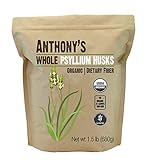
- Batch Tested and Verified Gluten Free
- Product of India, Packed in California
- USDA Organic, Plant Based, Vegan Friendly, Non-GMO with No Additives
- Promotes regularity, helps ease constipation, aids in overall digestive health
- Add 1-2 Teaspoons to a full glass of water, smoothies and more!
Some cats remain comfortable long term with diet alone. Others need continuing medication, periodic examinations, and monitoring. The outlook is more guarded when there is extensive fibrosis, a stricture, severe eosinophilic disease, refractory inflammation, cancer, or a systemic disorder. A flare that improves and then returns still deserves follow-up, because symptom control does not necessarily identify the underlying cause.
Questions to ask the veterinarian
- Does the pattern look like large-bowel disease, or could the small intestine, rectum, urinary tract, or another organ be involved?
- Which fecal tests are appropriate, and could parasites still be present despite a negative result?
- Should blood, urine, radiographic, or ultrasound testing be performed?
- Is a diet trial appropriate, and what foods, treats, supplements, and medications are permitted during it?
- Would soluble fiber help this cat, and what product, amount, water intake, and schedule are safe?
- What signs mean the cat needs emergency care?
- If treatment improves the diarrhea, when should the cat be rechecked?
Frequently Asked Questions
Is blood in a cat’s stool always colitis?
Colitis is inflammation of the colon, but blood and diarrhea do not prove that a cat has colitis. Parasites, rectal disease, cancer, mixed intestinal disease, and systemic illness can cause similar signs, so persistent or recurrent symptoms need veterinary evaluation.
Can colitis make a cat vomit or lose weight?
Vomiting and weight loss are less typical when inflammation is limited to the colon. They are more likely when the small intestine or another organ is involved, or when the cat has a more serious underlying condition. Repeated vomiting or weight loss warrants prompt veterinary advice.
How long does a cat food trial for colitis take?
A veterinarian may recommend a novel-protein or hydrolyzed-protein elimination diet for eight to twelve weeks. It must generally be fed exclusively for the prescribed period, without unapproved treats, flavored supplements, or other foods that could invalidate the trial.
Can I give my cat psyllium for colitis?
Some cats benefit from soluble fiber such as psyllium, but the product, amount, hydration, and diagnosis matter. Use it only when a veterinarian recommends it, and do not let a fiber trial delay care for bloody, severe, recurrent, or worsening diarrhea.
What human medicine can I give a cat with diarrhea?
Do not give human anti-diarrheal medicines, aspirin or other salicylates, antibiotics, steroids, or leftover prescriptions unless a veterinarian explicitly directs you to. Cats can have serious species-specific medication risks.
Does colitis in cats go away permanently?
Recurrence is common, particularly with chronic inflammatory bowel disease. Some cats are managed long term with diet alone, while others need medication and monitoring. The prognosis is more guarded with fibrosis, strictures, severe eosinophilic disease, refractory disease, cancer, or systemic illness.
The Bottom Line
Colitis in cats commonly causes frequent, small-volume stools with urgency, straining, mucus, and fresh blood, but those signs are not specific. Veterinary evaluation is important when diarrhea is persistent, recurrent, severe, or accompanied by vomiting, weakness, pain, dehydration, poor appetite, or possible urinary blockage. Treatment may involve parasite control, a carefully supervised diet trial, fiber, fluids, or prescription medication—but the right choice depends on the cause.
Quick Recap
Product prices and availability are accurate as of the date/time indicated and are subject to change. Any price and availability information displayed on Amazon at the time of purchase will apply.





Leave a Reply